What the numbers say about
buying US real estate
Built on published market data and current tax rules, for buyers coming to the US from outside it. No estimates dressed up as facts, and every figure dated.
BUYINGOffer to keys: process, buildings, contracts, diligence83
- Buying in New York — the 12 steps
- Why New York — the long case
- The purchase, week by week
- The big FAQ — fifty answers
- Ownership myths, retired
- Your first purchase: cash and documents
- Making an offer, and what wins
- Condo vs co-op
- Condo or co-op from abroad
- The co-op board package
- The board interview, passed
- New development and sponsor units
- What a sponsor contract costs
- Off-market inventory and access
- New York's landmark buildings — index
- Inspections and what they find
- Title search and title insurance
- Closing costs, itemised
- The closing timeline by state
- Buying without flying in
- Buying from overseas — the sequence
- Buying from Japan — the corridor
- Buying above $5 million
- Reading a building before you buy
- Wire fraud at closing
- Branded residences
- Negotiating a purchase
- Viewing an apartment from abroad
- Neighborhood research, remotely
- Tax abatements and expiry
- Sponsor units — no board approval
- Ground-lease buildings
- Buying a pied-à-terre
- Buying for a child at school here
- Buying with a partner
- Townhouses — one building, all yours
- The 10% contract deposit
- Pre-approval and proof of funds
- Appraisals and low valuations
- Square footage — why it lies
- Open houses, used completely
- Combining two apartments
- Prewar vs new construction
- Penthouses — the top floor's rules
- Micro-units and alcove studios
- Renovation budgets, honestly
- Bidding wars, won soberly
- Repair credits after inspection
- Fixtures, furniture, what conveys
- Waterfront and flood zones
- Office-to-residential conversions
- Master-planned districts
- View and floor premiums
- Estate sales and probate buys
- Amenities and what they cost
- Special assessments and LL97
- Walk-up vs doorman buildings
- Parking spots and storage
- Terraces and outdoor space
- Closing day, hour by hour
- Auctions and foreclosures
- Short sales, on the lender's clock
- New-dev walk-throughs and punch lists
- Timing: seasons, rates, honesty
- Noise and light, tested
- Heating, cooling and LL97
- Working with your attorney
- Deeds, title and recording
- The owner's document glossary
- The property data room
- The first 72 hours of ownership
- Energy grades and green value
- Air rights and lot-line windows
- Building staff and tipping
- The seasonal owner's playbook
- Smart-apartment monitoring
- Insurance claims, collected
- Scams and red flags
- Your professional team, mapped
- Reading building financials
- Home offices and house rules
- Renting a year before buying
- Buying elsewhere in the US
FINANCING & MONEYMortgages, deposits, currency and moving funds32
- How US mortgages work
- Mortgages for foreign nationals
- DSCR loans — the property qualifies
- US bank account and credit
- The owner's account architecture
- Sending money to the US
- Moving purchase funds and proving source
- Insuring a US property
- What insurance actually costs
- Umbrella liability, priced
- The mansion tax brackets
- Mortgage recording tax and CEMAs
- Refinancing and cash-out
- Rate locks, points, credits
- Currency planning and FX
- Borrowing across currencies
- Seller financing and creative deals
- Gifting property in the family
- Inheriting US property
- Seller transfer taxes
- Divorce and property division
- Exit planning, five years out
- Marketing the listing
- When an owner dies — first steps
- Wills across two systems
- ITINs and US tax IDs
- The owner's tax calendar
- Treaties and double taxation
- The 183-day rules
- Property in retirement planning
- Donating property to charity
- Cost simulators
RENTING & RELOCATINGLeases, applications, deposits, settling in12
- Renting in New York
- The rental application and 40x rule
- Reading a US lease
- Relocation checklist
- Utilities, internet and week one
- What apartments cost to run
- Shipping household goods
- Moving in: COIs and elevators
- Long-stay housing gaps, solved
- Schools and school zoning
- Schools as property strategy
- Virtual office and address
INVESTINGYield, structure, management, holding from abroad42
- US real estate investing
- Calculating yield properly
- Opportunity zones, explained
- Two-to-four family and small buildings
- Managing a property from abroad
- Choosing a property manager
- Short-term rental rules
- Five ways investors come unstuck
- Flip taxes — the exit fee
- Appealing your assessment
- Assessed vs market value
- Rent stabilization for buyers
- Screening tenants within the rules
- Leasing your condo — first tenant
- Co-op sublet rules
- Cost segregation and depreciation
- Selling with tenants in place
- Vacancy and turnover costs
- Studios and one-beds as entry
- Furnished and corporate rentals
- First 90 days as a landlord
- Renting to students, properly
- Roommate law and shared housing
- Pets and building policies
- Board and building disputes
- Security deposits, to the letter
- LLCs for rental property
- Commercial vs residential
- Buying your office
- Exchanging into New York
- REITs vs direct ownership
- Owning through cycles
- The second property
- Mixed-use buildings
- University-anchored markets
- Small-scale development
- Hotel condos and serviced living
- Building a portfolio from abroad
- Searching for property
- ACRIS and public records
- Choosing an agent
- Buyer agency agreements
DATA & MARKETSPrices and rents, New York and the wider US17
- Choosing a US market
- US metro comparison
- All 50 states, priced
- Global market comparison
- Price history
- Where to buy in New York
- NYC running costs, by neighbourhood
- Charges vs maintenance, unbundled
- Co-op to condo — why so rare
- NYC vs the suburbs, priced
- Reading market reports
- Miami vs New York, compared
- Buying in Brooklyn — the framework
- Buying in Queens — the value logic
- Weekend homes beyond the city
- Data sources and official links
- Articles and analysis
TAX & SELLINGProperty tax, withholding, estate exposure, exit14
- Tax on US property
- Why property tax averages mislead
- Rental income tax for non-residents
- Depreciation and deductions
- Selling a US property
- Working out the gain
- FIRPTA withholding
- 1031 deadlines and the two clocks
- US estate tax for non-residents
- Structuring around estate tax
- Holding US property in a trust
- Selling as a foreign owner
- LLC, corporation or personal name
- Glossary of US terms
Recent transactions, 2025–2026
What the guidance above looks like in practice — deals we acted on this year and last.

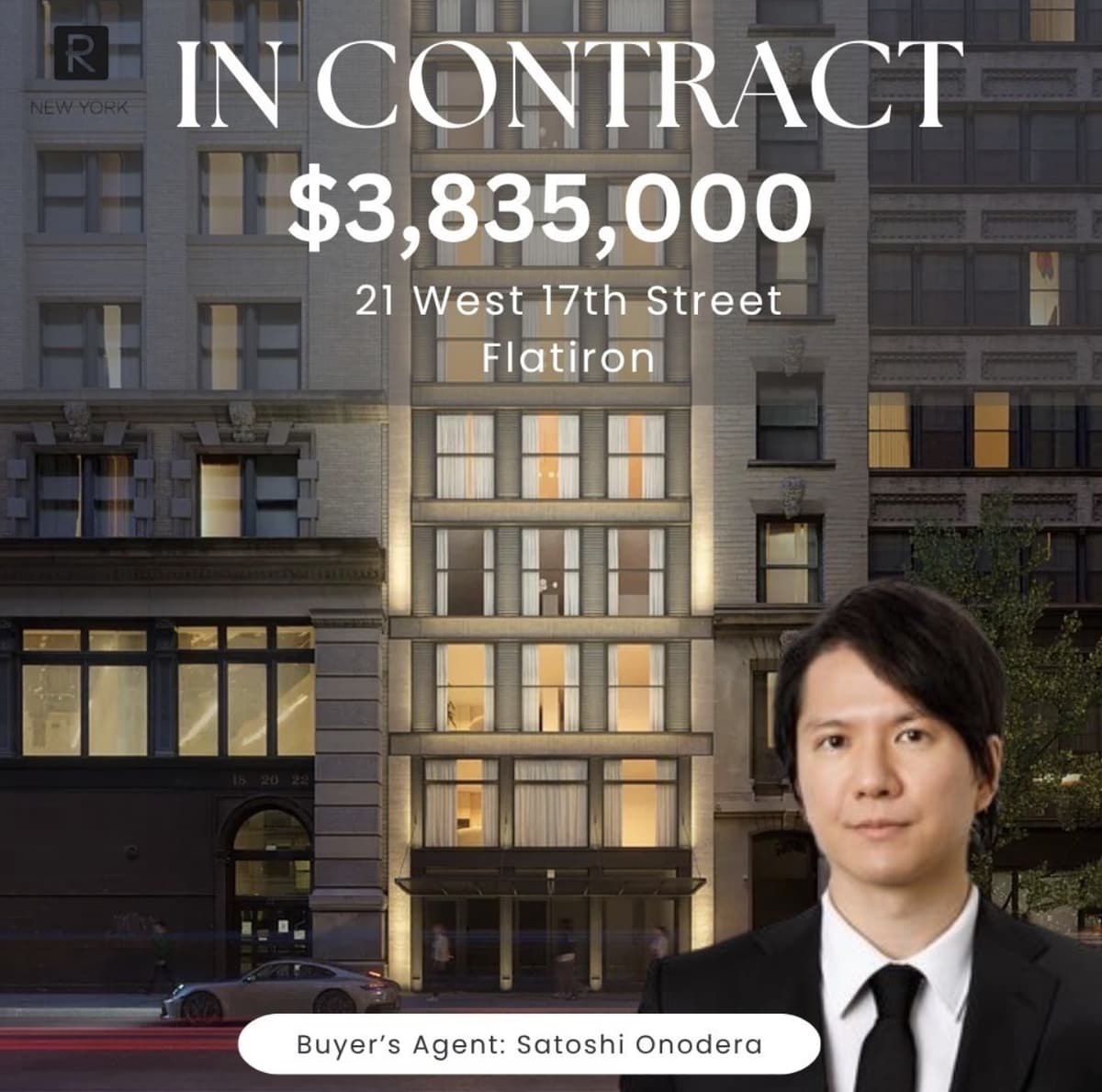

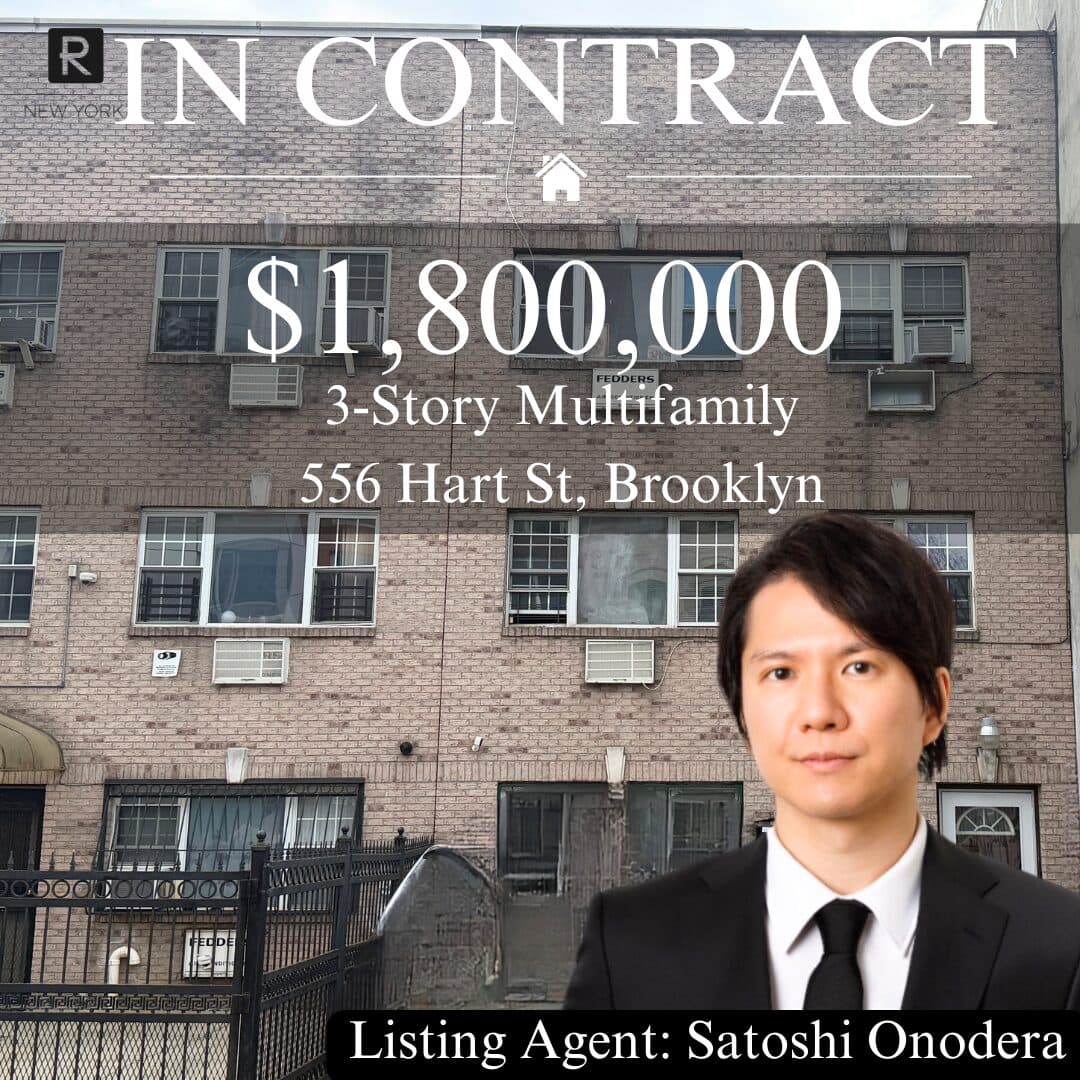









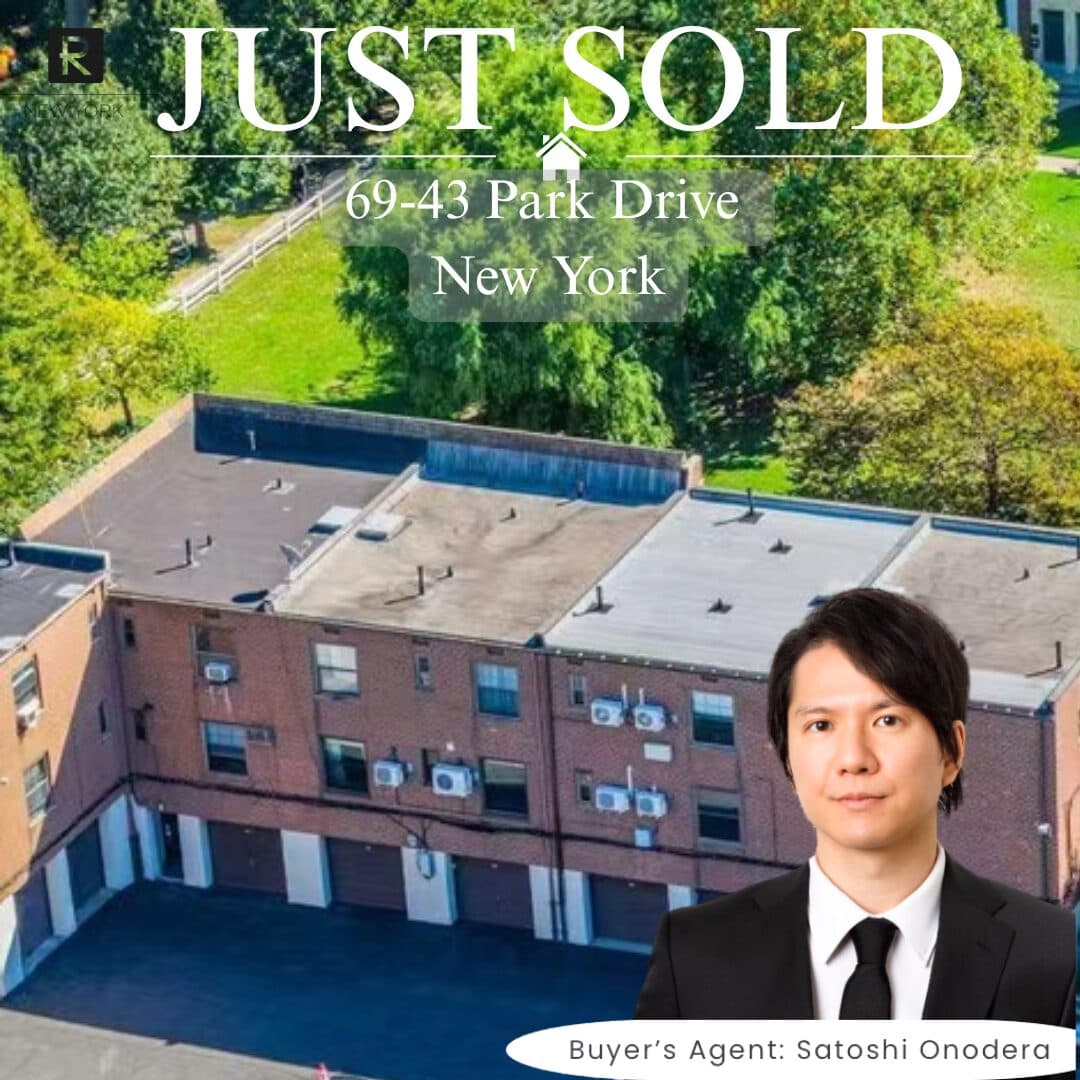



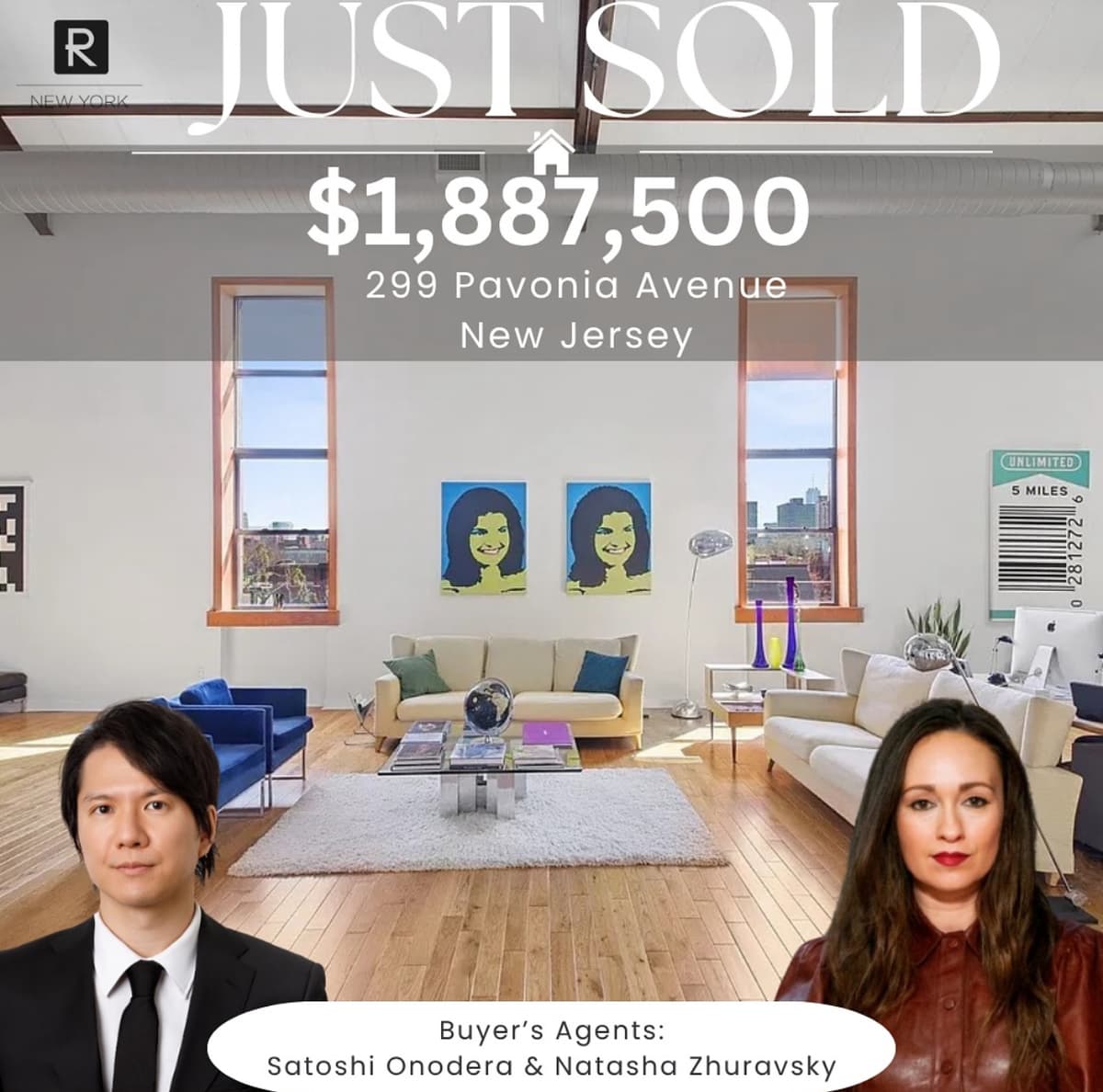


Real estate brokerage services are provided through R New York.
Let’s talk first
Tell us the budget and the market you are looking at, and we will come back with real listings and a set of numbers on each one.
Important notice
The figures on this page are general information as of August 2026 and do not represent an offer, a quote, or a guarantee of any transaction terms. Reinvent NY does not provide legal, tax, or investment advice. Confirm anything material with an attorney and a CPA before you act on it. Nothing here is a solicitation to invest, and no return is promised. Real estate brokerage services are provided through R New York.