
Commute, building stock,
and price per square foot
Three measurable things separate one part of New York from another. Everything else is preference, and preference is best formed on foot.
Before you read on
- Prices are broad indications for 2026 and move quickly. Treat them as an ordering of the market rather than a valuation.
- We describe areas by price, transport, building type and amenities only. We do not describe who lives anywhere, and under fair housing law we will not recommend or steer on that basis.
- For crime data, consult the NYPD's published statistics directly rather than any agent's characterisation.
Step 1The three questions that narrow it fastest
Most buyers arrive with a long list of areas and no ranking. These put it in order in an afternoon.
Measure door to door on a weekday morning, not by map distance. An express stop twenty blocks further out often beats a local stop nearby, and a single-seat ride beats a transfer every time.
Pre-war walk-ups, post-war towers with doormen, converted lofts and new glass towers occupy different parts of the city. Lift, doorman, laundry and outdoor space narrow the map faster than a neighbourhood name.
Groceries, a park, somewhere to eat, somewhere to run. Areas that fail on the ordinary weekday things are the ones people leave after one lease.
Step 2Manhattan, in rough order of price
| Area | Typical $/sqft | Building stock | Commute to Midtown | Trade-off |
|---|---|---|---|---|
| Tribeca, SoHo | $1,700–$2,600 | Converted lofts, boutique new build | 15–25 min | Space and light at the highest price in the city |
| West Village, Greenwich Village | $1,600–$2,300 | Low-rise pre-war, townhouses | 15–25 min | Charm, small apartments, few lifts |
| Upper East Side | $1,100–$1,700 | Pre-war and post-war co-ops, doorman towers | 10–20 min | Best value per square foot in prime Manhattan; co-op rules |
| Upper West Side | $1,100–$1,700 | Pre-war co-ops, some new build | 15–25 min | Parks on both sides, family-scale layouts |
| Midtown East, Murray Hill | $1,000–$1,500 | Post-war towers, new build | 5–15 min | Quiet at weekends, weakest street life |
| Financial District | $900–$1,400 | Office conversions, new towers | 20–30 min | Cheapest Manhattan per foot; grocery and school provision is thin |
| Harlem, Washington Heights | $600–$1,000 | Pre-war walk-ups, brownstones | 25–40 min | The largest houses in Manhattan for the money |
Ranges are for condominium and co-op resale in 2026. Co-ops trade materially below condominiums for the same apartment because of the restrictions attached.
Step 3Brooklyn and Queens
| Area | Typical $/sqft | Building stock | Commute to Midtown | Trade-off |
|---|---|---|---|---|
| Brooklyn Heights, DUMBO | $1,200–$1,800 | Brownstones, warehouse conversions | 15–25 min | Manhattan prices with more space |
| Park Slope, Prospect Heights | $1,000–$1,500 | Brownstones, small condominiums | 25–35 min | Family-scale housing, limited lift buildings |
| Williamsburg, Greenpoint | $1,000–$1,500 | New build with amenities | 20–35 min | Most new construction in Brooklyn; L train dependency |
| Bay Ridge, Sunset Park | $600–$900 | Pre-war co-ops, two-family houses | 40–55 min | Two-family houses within reach on a professional income |
| Long Island City | $1,000–$1,400 | New towers, amenity-heavy | 10–20 min | Shortest commute outside Manhattan; a young, dense skyline |
| Astoria, Sunnyside | $650–$950 | Pre-war walk-ups, small condominiums | 20–30 min | The best commute-to-price ratio in the city |
| Forest Hills, Rego Park | $450–$750 | Garden co-ops, post-war towers | 30–40 min | Space and quiet; most stock is co-op |
| Bayside, Little Neck | $400–$650 | Detached houses, low-rise co-ops | 45–60 min | Suburban housing inside the city limits |
Step 4Where a non-resident buyer can actually buy
The map narrows sharply once ownership structure enters. Most co-ops restrict or prohibit purchases by non-residents, by entities and by anyone intending to sublet, which removes around three quarters of Manhattan's apartment stock from consideration for many overseas buyers.
| Objective | Where the stock is | Why |
|---|---|---|
| Buy from abroad, rent it out | New build in LIC, Downtown Brooklyn, FiDi, Midtown | Condominium, sublet permitted, professional management on site |
| Pied-à-terre for occasional use | Condominium anywhere; avoid co-ops | Most co-op boards prohibit part-time occupancy outright |
| Family home, resident owner | Upper East and West Side, Park Slope, Forest Hills | Co-op comes into play and the same money buys more |
| Rental income at the highest yield | Queens and outer Brooklyn two-to-four family | Lower entry price against rents that hold up |
| Buy through an LLC | Condominium only | Co-op boards almost never approve entity purchases |
Nobody knows in advance. Historically, areas gaining a new transit connection or a large rezoning have moved most, and both are public information years ahead. Buy on the commute and the building; treat appreciation as a hope rather than a plan.
Brooklyn buys more space per dollar, Manhattan buys a shorter commute and a deeper resale market. If you are letting the property, compare the yield rather than the price per foot.
Walk it at 8am on a Tuesday and 9pm on a Saturday, both. Failing that, ask for video at those times. Weekend-afternoon impressions are the least informative and the most common.
We do not characterise areas that way. The NYPD publishes crime statistics by precinct, which is a better source than an opinion, and we will point you to it.
In parts of the city, considerably. Zoning is set by the Department of Education, changes periodically, and is decided address by address — never by neighbourhood reputation. Verify the specific address before buying on that basis.
Let’s talk first
Tell us where you need to be on a weekday morning and what you can spend, and we will send back the three areas that fit and the buildings within them.
RELATED GUIDES
Recent transactions
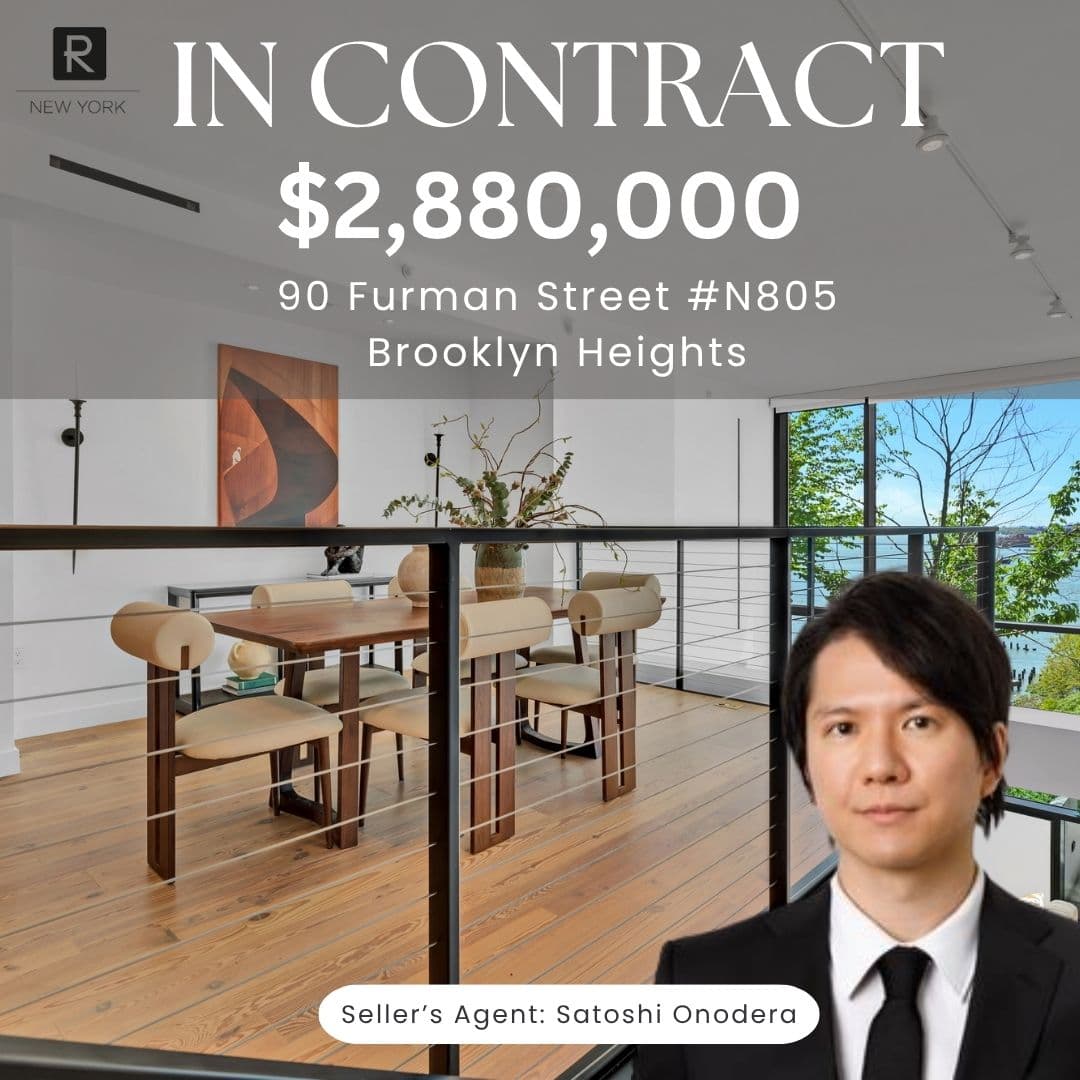
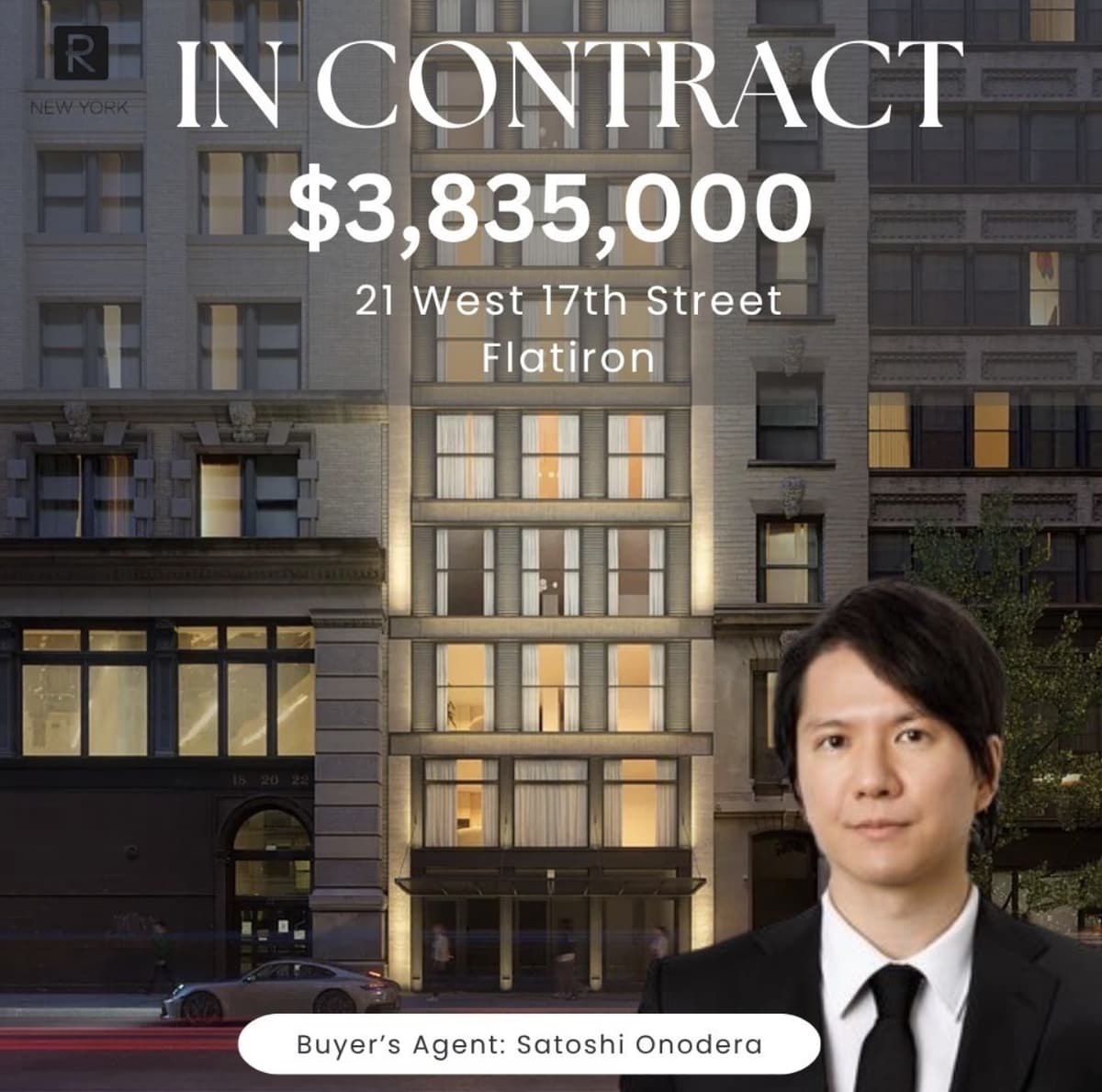
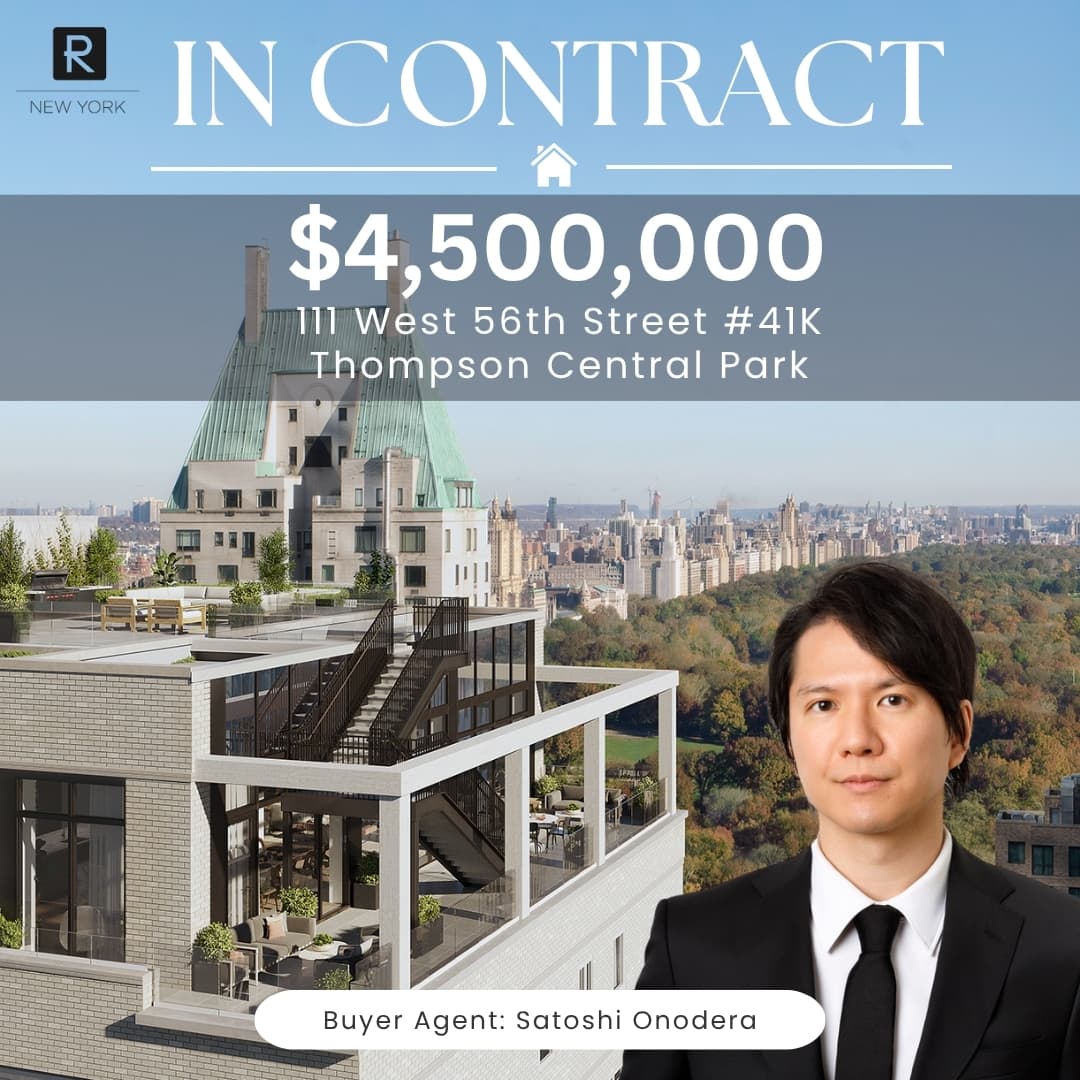
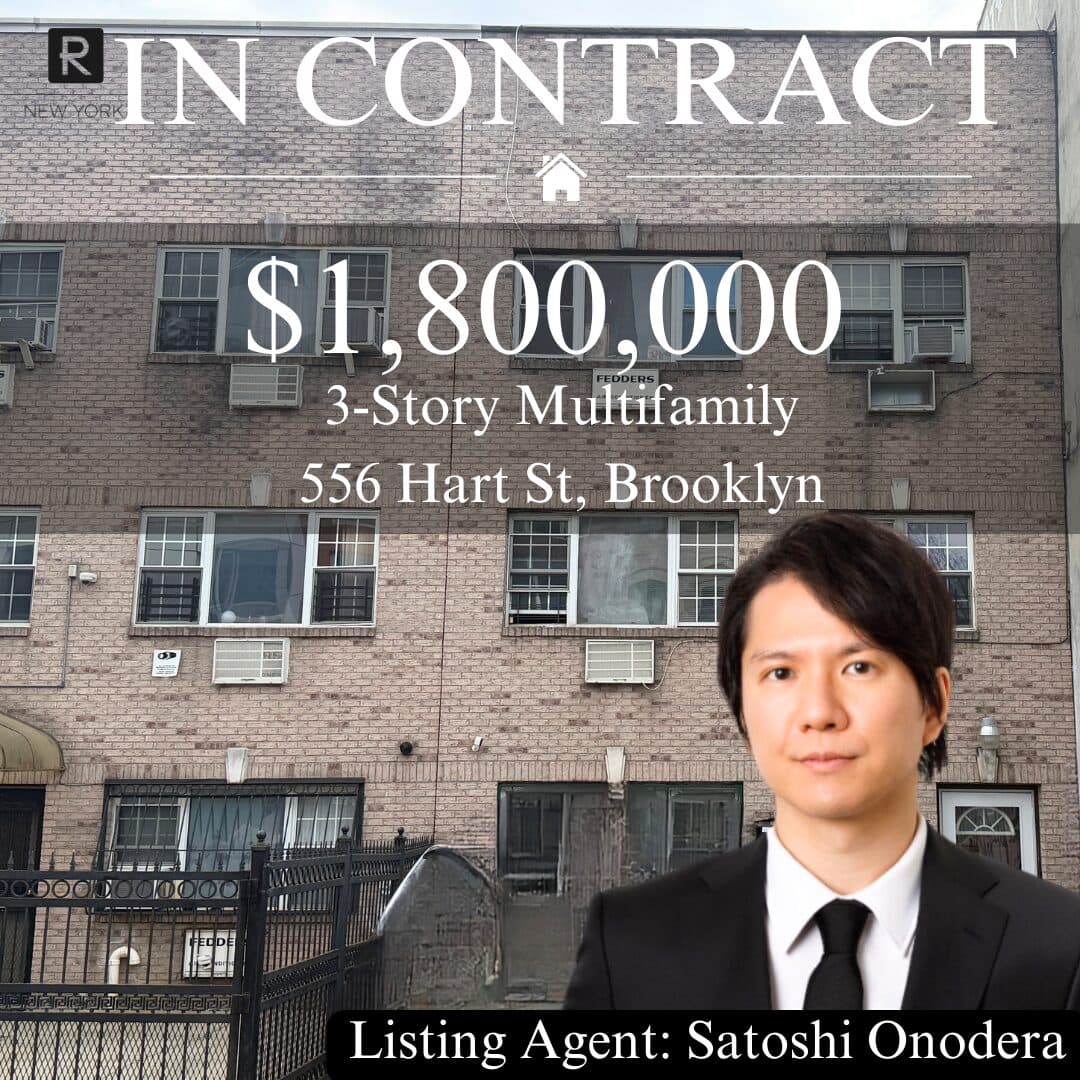
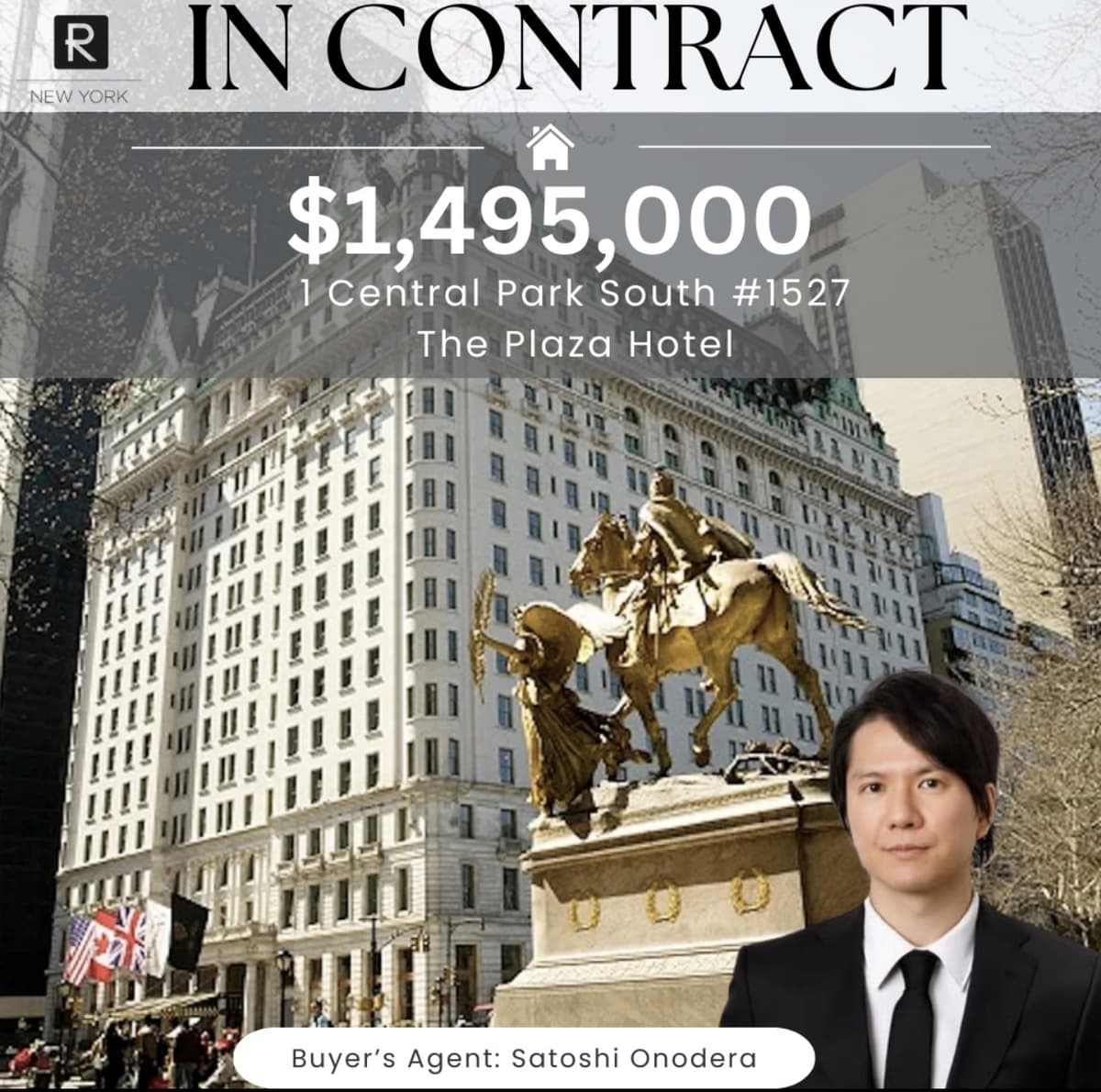
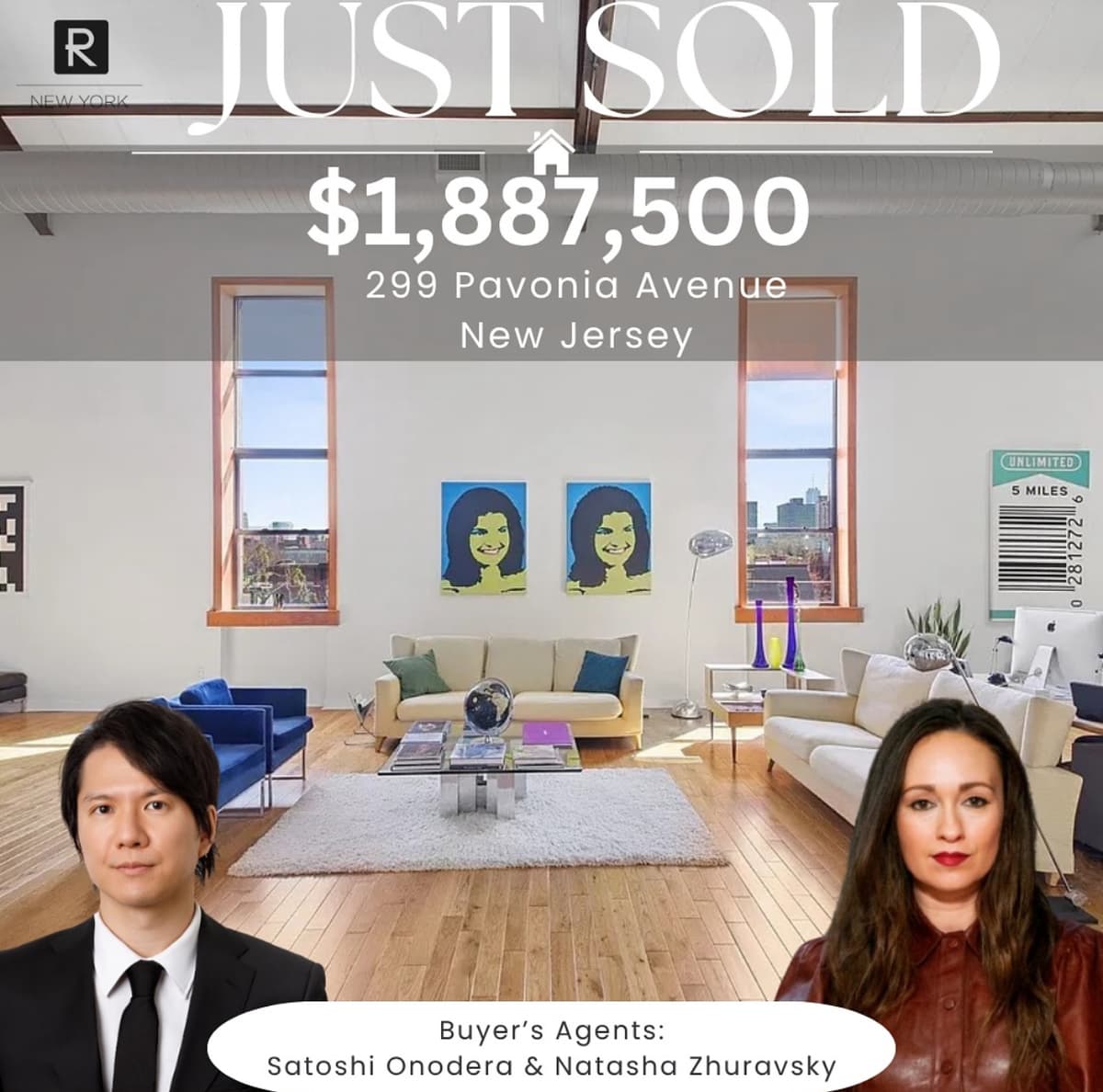
A sample of the sales, purchases and rentals we acted on in 2025 and 2026.










Real estate brokerage services are provided through R New York.
Important notice
The figures on this page are general information as of August 2026 and do not represent an offer, a quote, or a guarantee of any transaction terms. Reinvent NY does not provide legal, tax, or investment advice. Confirm anything material with an attorney and a CPA before you act on it. Nothing here is a solicitation to invest, and no return is promised. Real estate brokerage services are provided through R New York.