
What the property costs you
in tax, at each stage
Three separate regimes apply at three separate moments. Buyers usually price the first and forget the third.
Before you read on
- General information, not tax advice. Rates change and your position depends on your own circumstances.
- Confirm anything here with a US tax adviser before you act on it.
Stage 1At purchase
| Tax | Who pays | Rate | Applies to |
|---|---|---|---|
| NYC Real Property Transfer Tax | Seller | 1.425% above $500,000, 1% below | New York City residential |
| New York State Transfer Tax | Seller | 0.40%, rising to 0.65% at $3m residential | New York State |
| Mansion Tax | Buyer | 1.00% to 3.90% in eight bands from $1m | New York State residential |
| Mortgage Recording Tax | Buyer | 1.80% below $500,000, 1.925% at or above | Condo and house, not co-op |
| Title insurance | Buyer | Around 0.45% of price | Optional for the owner, required by lenders |
Mansion tax is a cliff, not a slope: at $1,999,999 the rate is 1.00%, at $2,000,000 it is 1.25% on the whole price. The same happens at each band. Where a negotiation lands near a threshold, the difference is worth more than it looks.
Stage 2While you hold it
Set by the municipality against an assessed value that is not the market price. In New York City a condominium is assessed on the income an equivalent rental would produce, which is why the tax bill often looks low against the purchase price. Suburban New York and New Jersey run 1.9% to 2.6% of market value, which is a different order of cost.
A non-resident is taxed on US-source rental income. Making a net election under section 871(d) lets you deduct expenses, depreciation and interest and pay on the profit, rather than a flat 30% of gross. The election is made on the return and is easy to miss.
Residential buildings are written off over 27.5 years, commercial over 39, on the building only — land is not depreciable. It shelters rental income while you hold, and it is recaptured at 25% when you sell.
Owning the property does not trigger these, but the US bank account you run it through can, for anyone with a US filing obligation. Reporting thresholds are low and the penalties are not.
Stage 3When you sell
Under FIRPTA the buyer must withhold 15% of the gross sale price when the seller is a foreign person, and remit it to the IRS. Not 15% of the gain — 15% of the price. On a $2,000,000 sale that is $300,000 held back at closing, whatever the actual profit was.
| Situation | Withholding |
|---|---|
| Standard sale by a foreign person | 15% of the gross price |
| Price $300,000 or less and the buyer will occupy it | None |
| Price $300,001 to $1,000,000 and the buyer will occupy it | 10% |
| Withholding certificate obtained in advance | Reduced to the actual tax due |
| Seller is a US person or a US entity | None, with a certification |
The amount withheld is a prepayment, not the tax. You file a US return for the year and claim the balance back, which typically takes twelve to eighteen months. Applying for a withholding certificate on Form 8288-B before closing reduces the amount held to the tax actually owed, and is worth starting well before the contract is signed.
Gain held over a year is taxed at long-term capital gains rates, plus depreciation recapture at 25%. New York State applies its own non-resident withholding on top of the federal one. A 1031 exchange defers the federal gain entirely if the proceeds are rolled into another US investment property within the deadlines.
Stage 4Estate tax, which catches people out
A US citizen has a federal estate tax exemption in the millions. A non-resident who is not a US citizen has an exemption of $60,000 against US-situs assets, and US real property is US-situs. Above that, rates run to 40%.
An estate tax treaty between the US and your country may raise that figure substantially, and holding structures can change the analysis. This is the single largest exposure most foreign buyers do not price, and it is worth an hour with a cross-border adviser before you buy rather than after.
Let’s talk first
Tell us where you are resident and how you intend to hold the property, and we will set out what applies at each stage.
RELATED GUIDES
Recent transactions
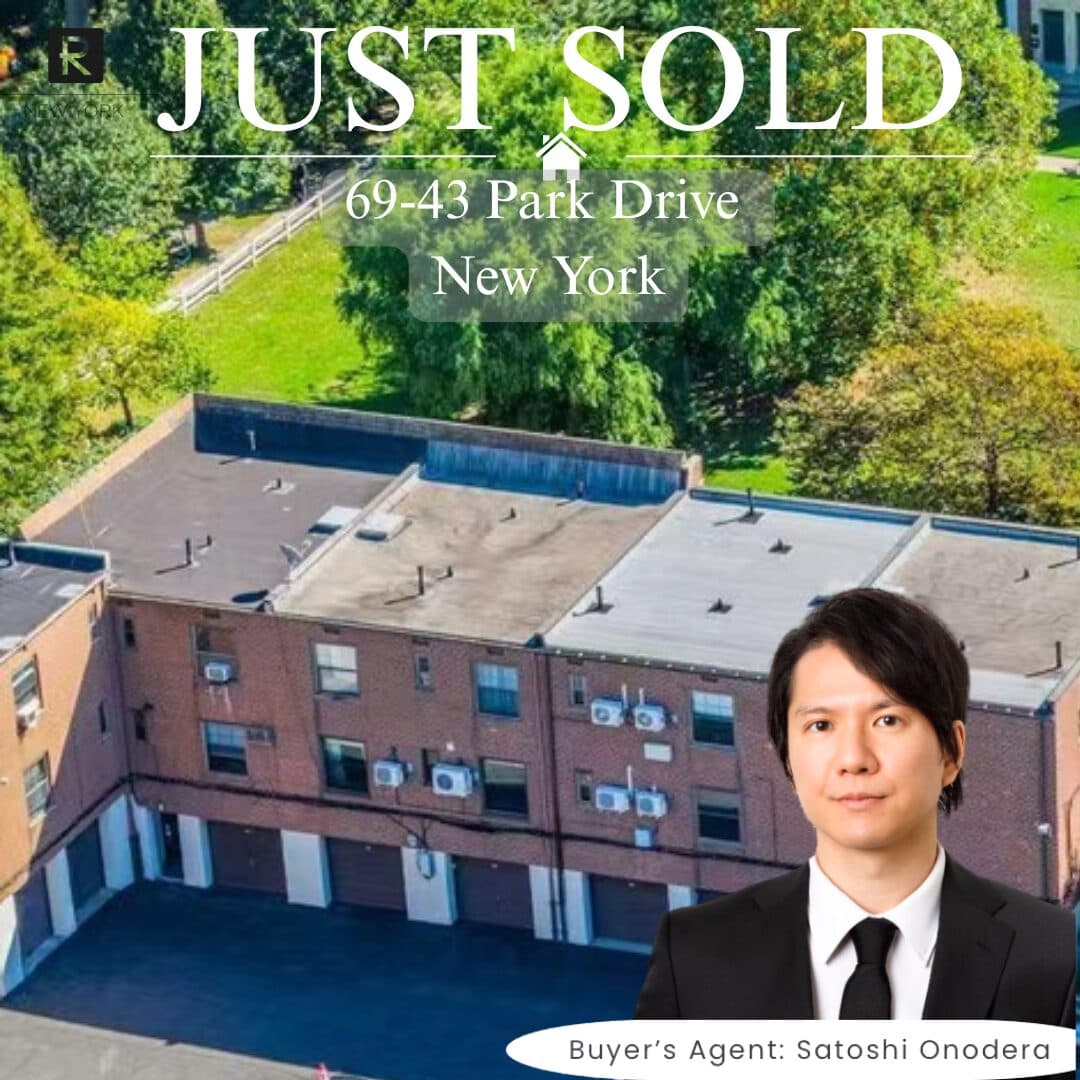
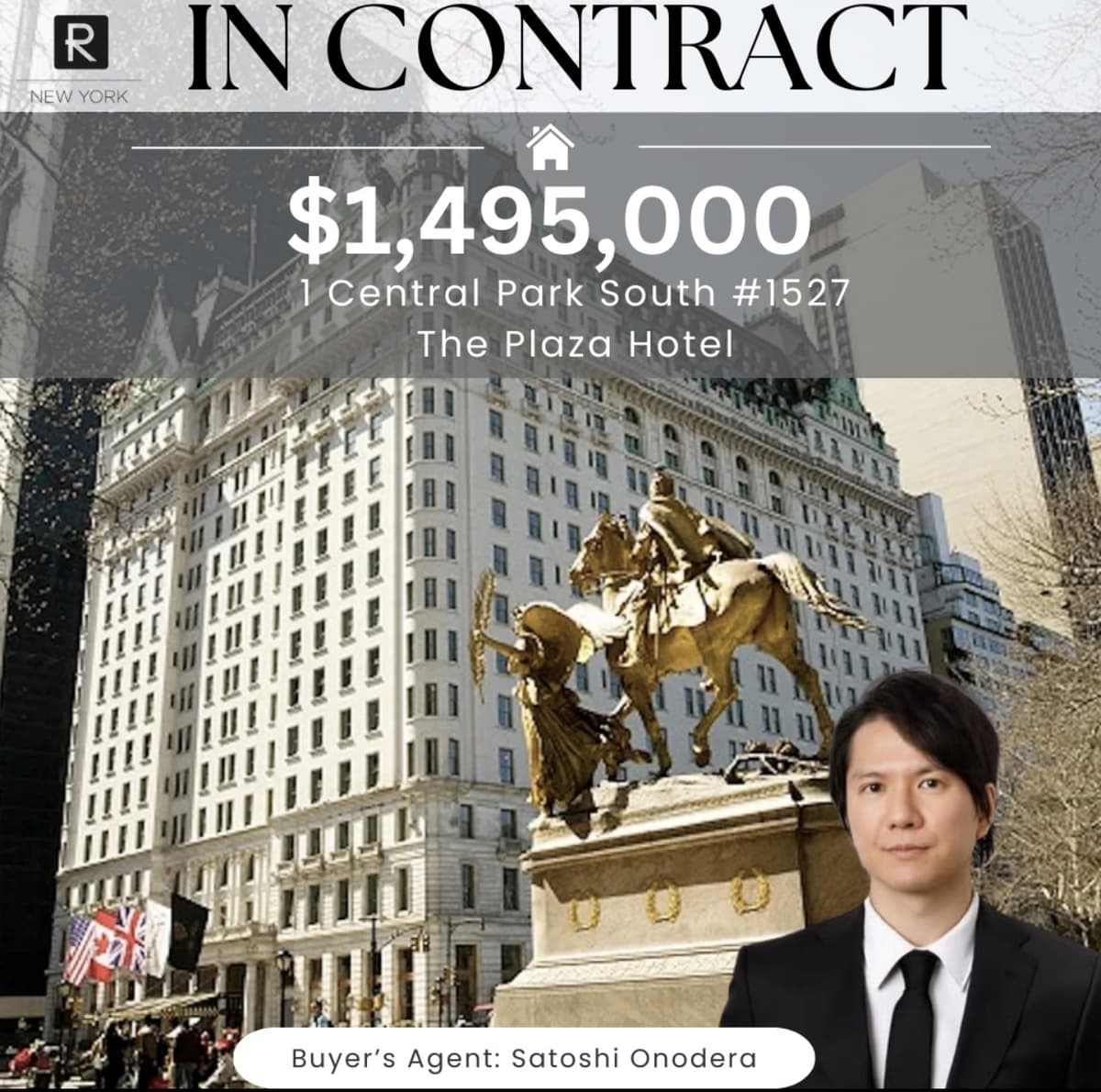
A sample of the sales, purchases and rentals we acted on in 2025 and 2026.


















Real estate brokerage services are provided through R New York.
Important notice
The figures on this page are general information as of August 2026 and do not represent an offer, a quote, or a guarantee of any transaction terms. Reinvent NY does not provide legal, tax, or investment advice. Confirm anything material with an attorney and a CPA before you act on it. Nothing here is a solicitation to invest, and no return is promised. Real estate brokerage services are provided through R New York.