
The apartment you can buy
is the one you can see
At the top of the New York market a meaningful share of inventory never reaches a public listing, the tax arithmetic changes materially, and the binding constraint is access rather than financing.
Before you read on
- General information as of August 2026. Mansion tax brackets are set by statute and have changed; confirm current rates at contract.
- Real estate brokerage services are provided through licensed professionals and applicable brokerage relationships.
- Nothing here is tax or legal advice. Structure and estate exposure should be settled with a CPA and counsel before an offer.
Point 1The mansion tax is not marginal
It applies to the whole purchase price, not to the amount above the threshold — which is why negotiations cluster beneath the lines.
| Price band | Rate | Tax on the purchase |
|---|---|---|
| $1M – $2M | 1.00% | $10,000 – $20,000 |
| $2M – $3M | 1.25% | $25,000 – $37,500 |
| $3M – $5M | 1.50% | $45,000 – $75,000 |
| $5M – $10M | 2.25% | $112,500 – $225,000 |
| $10M – $15M | 3.25% | $325,000 – $487,500 |
| $15M – $20M | 3.50% | $525,000 – $700,000 |
| Above $25M | 3.90% | $975,000 and up |
New York State mansion tax, paid by the buyer at closing. A purchase at $2,000,001 pays 1.25% on the entire price.
Read the jump from 1.50% to 2.25% at $5 million carefully. A seller asking $5,020,000 will frequently accept $4,995,000, because the buyer’s tax saving exceeds the price concession. Where a property is genuinely worth more than the threshold, pay it — attempts to reallocate value into fixtures and furnishings invite scrutiny and rarely survive it.
Point 2Inventory you cannot search for
Above roughly $5 million a significant share of transactions never reaches a public listing. Sellers of trophy apartments frequently value discretion over exposure, and inventory circulates through broker relationships before it is advertised, if it is advertised at all.
The practical consequence is that portal search stops being the method. What determines your shortlist is whether your representation sees inventory early, which is a function of relationships rather than technology. This is the single largest difference between buying at $1 million and at $10 million.
Point 3The five documents that decide it
The building's actual position rather than a projection. Read the reserve balance in dollars, not as a percentage of anything.
The most revealing document and the most often skipped. Minutes record deferred projects and assessments discussed but not yet voted.
The controlling document in a sponsor sale, including which closing costs the sponsor allocates to the purchaser.
With any open permits or violations. Unpermitted alterations become the buyer's problem at resale.
A land lease with decades running down changes the asset entirely, and the effect on value accelerates as the term shortens.
Frequent assessments in a well-funded building are a governance signal; none at all in an ageing building is a warning rather than a comfort.
Point 4Structure, disclosure and what an entity does not buy
Entity purchases are routine at this level. Public anonymity is not what they deliver.
New York requires disclosure of the natural persons behind an LLC on the transfer tax filings for residential property. An entity provides liability separation, succession planning and a clean vehicle for co-ownership — not concealment.
The exposure that actually matters at this price level is US estate tax, which reaches non-resident owners on US-situs assets above an exemption of $60,000. On an eight-figure apartment that is the entire value less a rounding error, which is why the structure question belongs before the offer and not at the closing table.
Point 5Where the negotiation actually happens
Price is one lever among several and often not the most productive. Closing date, the allocation of transfer taxes in a sponsor sale, what furniture and art convey, post-closing possession, and credits for known building work are all genuinely negotiable and each carries real money.
The strongest position is a buyer who can close quickly with proof of funds and no financing condition. Sellers of trophy property regularly accept a lower certain number over a higher conditional one, which is why cash purchasers — placing a mortgage afterwards if leverage is wanted — do measurably better on terms.
The $10-15 million band carries 3.25%, so roughly $325,000, paid by the buyer at closing on the whole price.
A meaningful share are. Above roughly $5 million, inventory frequently circulates through broker networks before, or instead of, public listing.
Yes, and it is common. Note that New York requires disclosure of the individuals behind the entity on residential transfer tax filings.
Typically 60 to 90 days for a condominium, longer with a co-op board review. All-cash purchases can complete in about 30 days when both sides are motivated.
Many buyers pay cash for negotiating strength and speed, then place a mortgage afterwards. Cash removes the appraisal and financing conditions that cause most failed deals.
Condominiums dominate for international and entity purchasers because there is no approval vote and subletting is freer. Trophy co-ops remain the most exclusive stock, with correspondingly demanding review.
RELATED GUIDES
Recent transactions
A sample of the sales, purchases and rentals we acted on in 2025 and 2026.
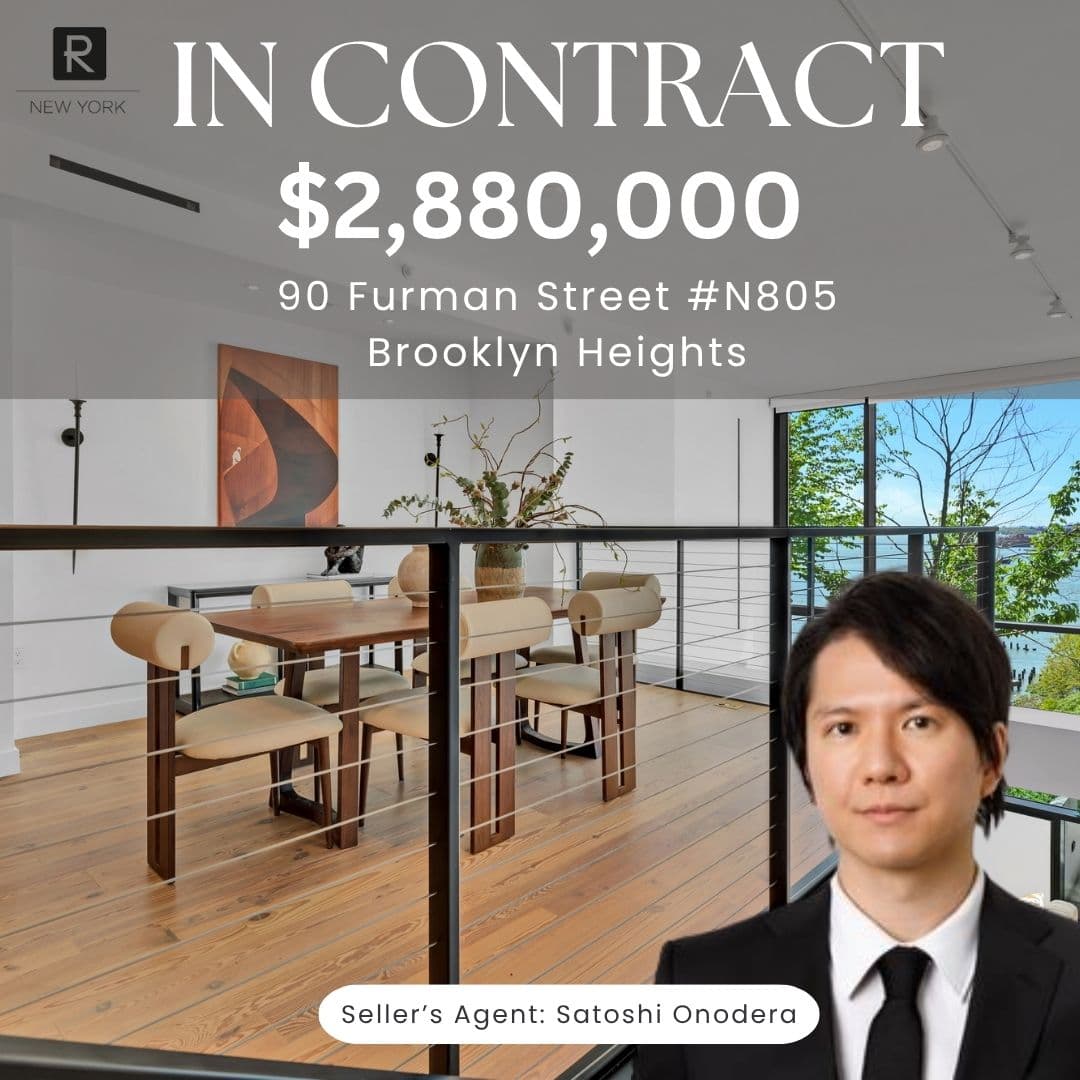
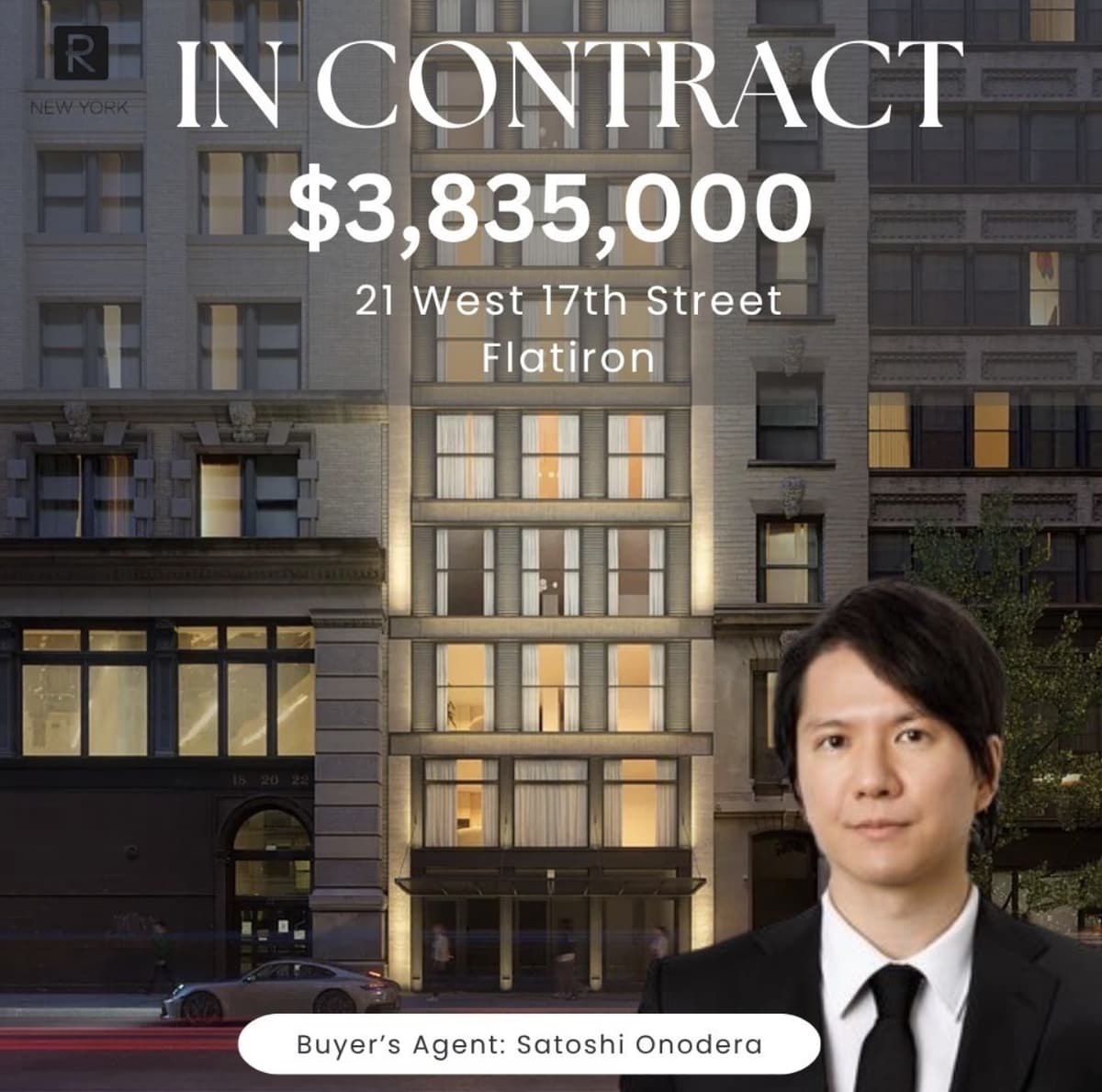
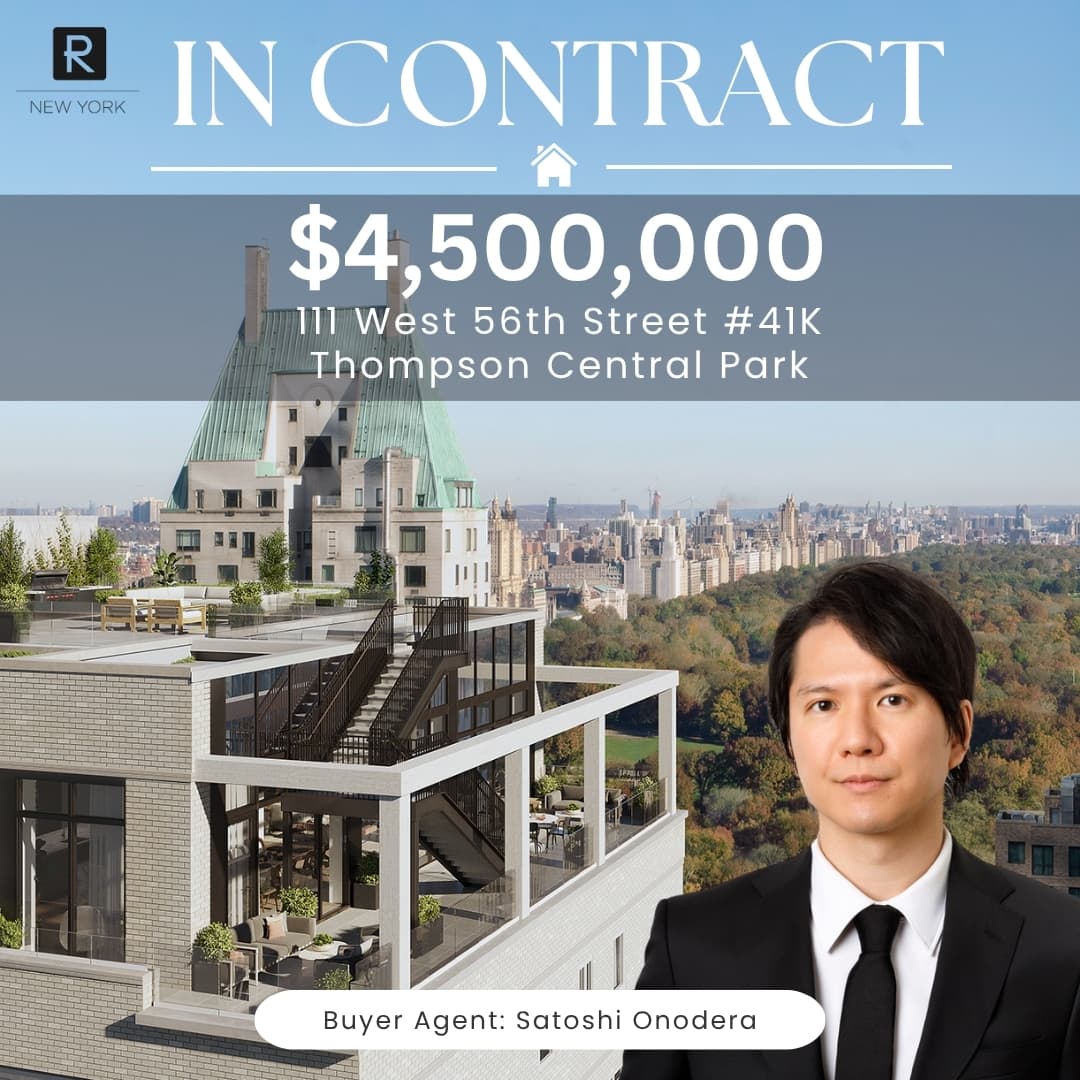
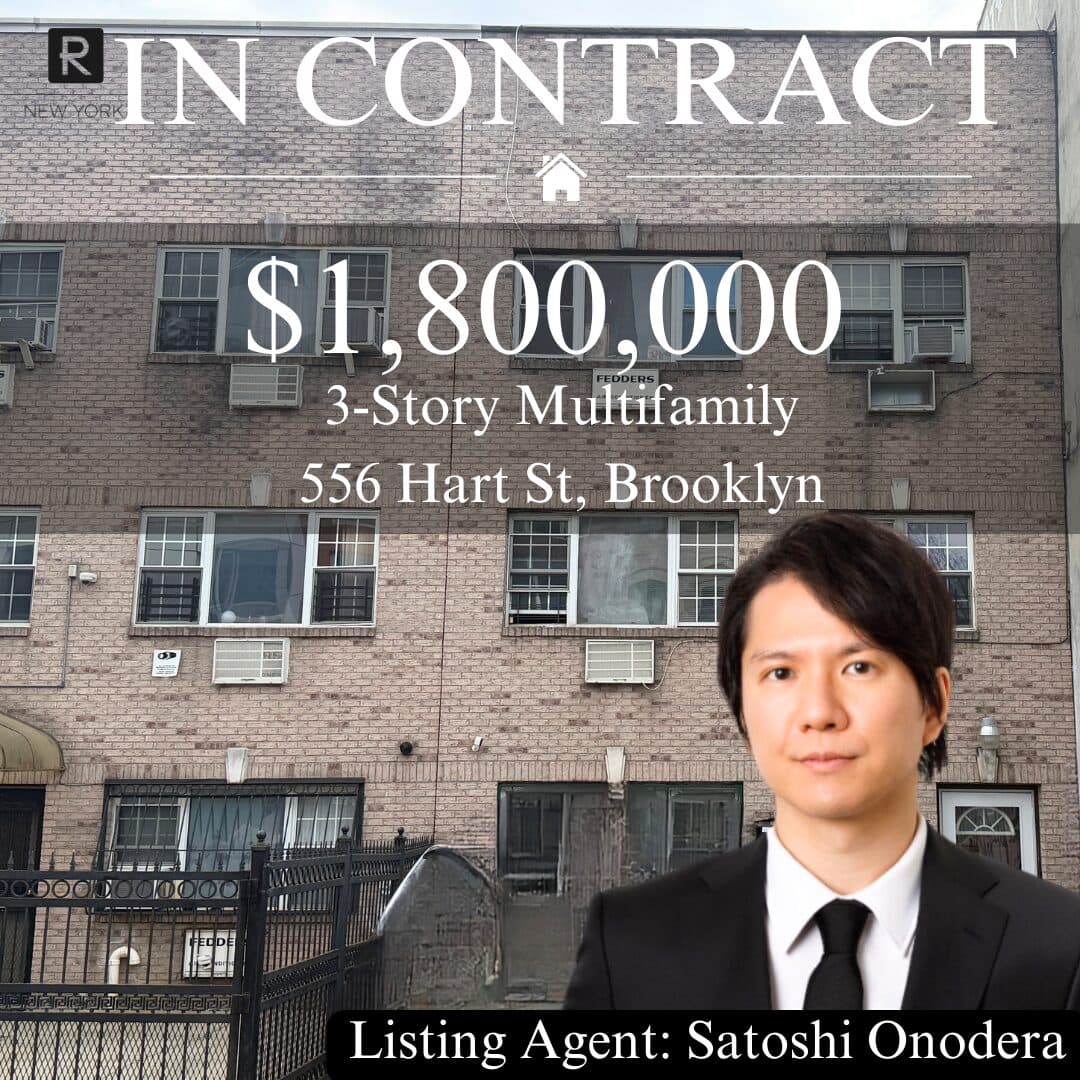
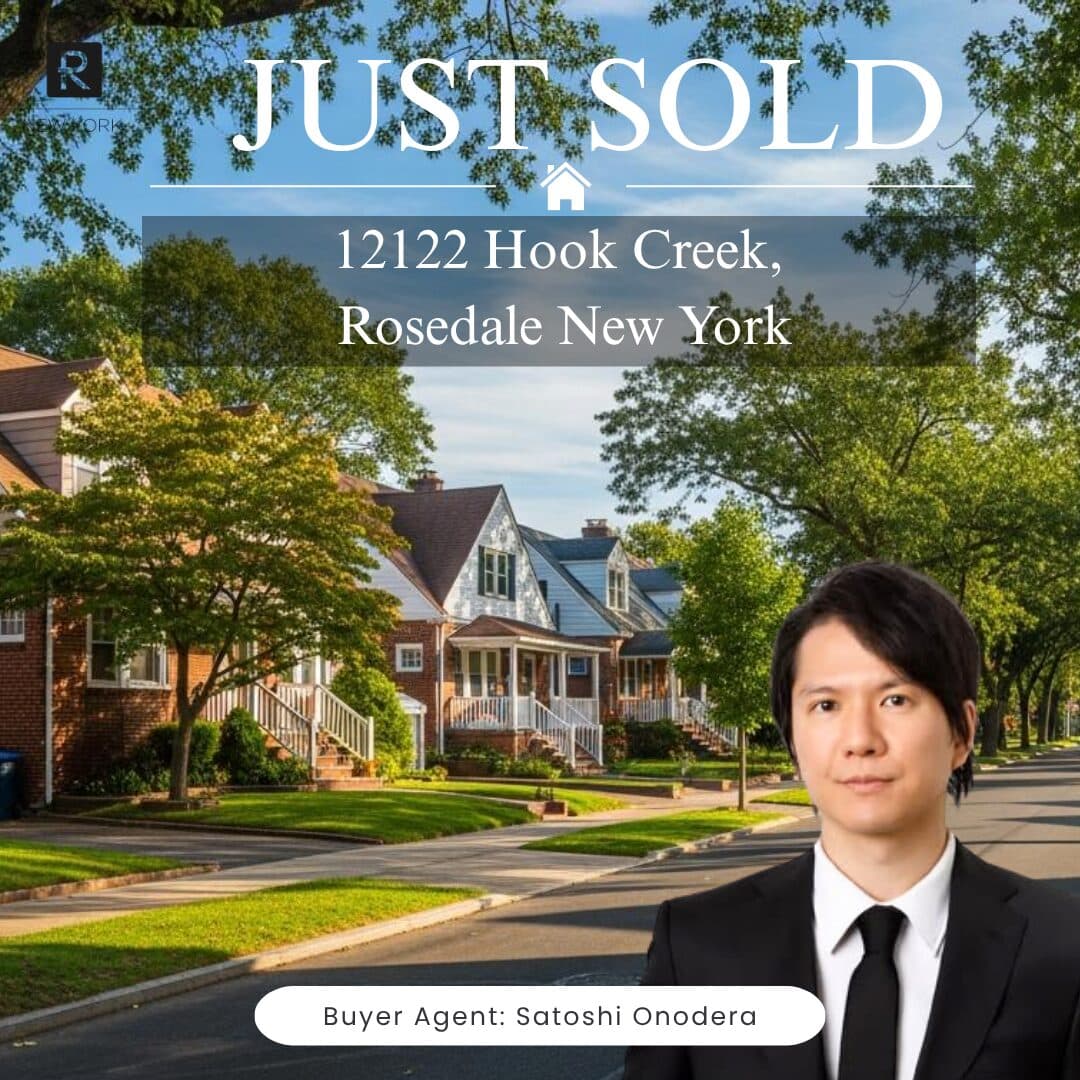
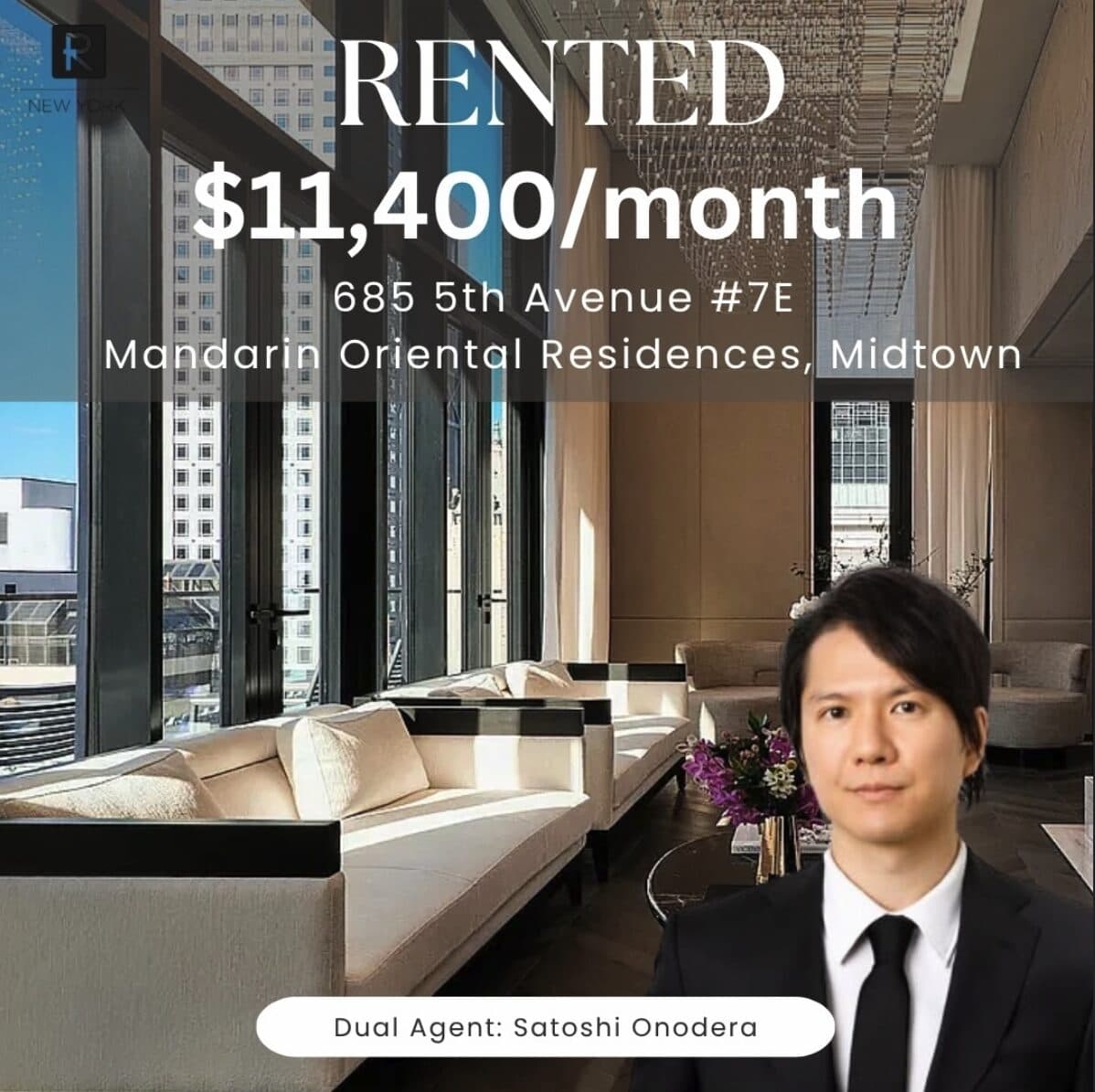
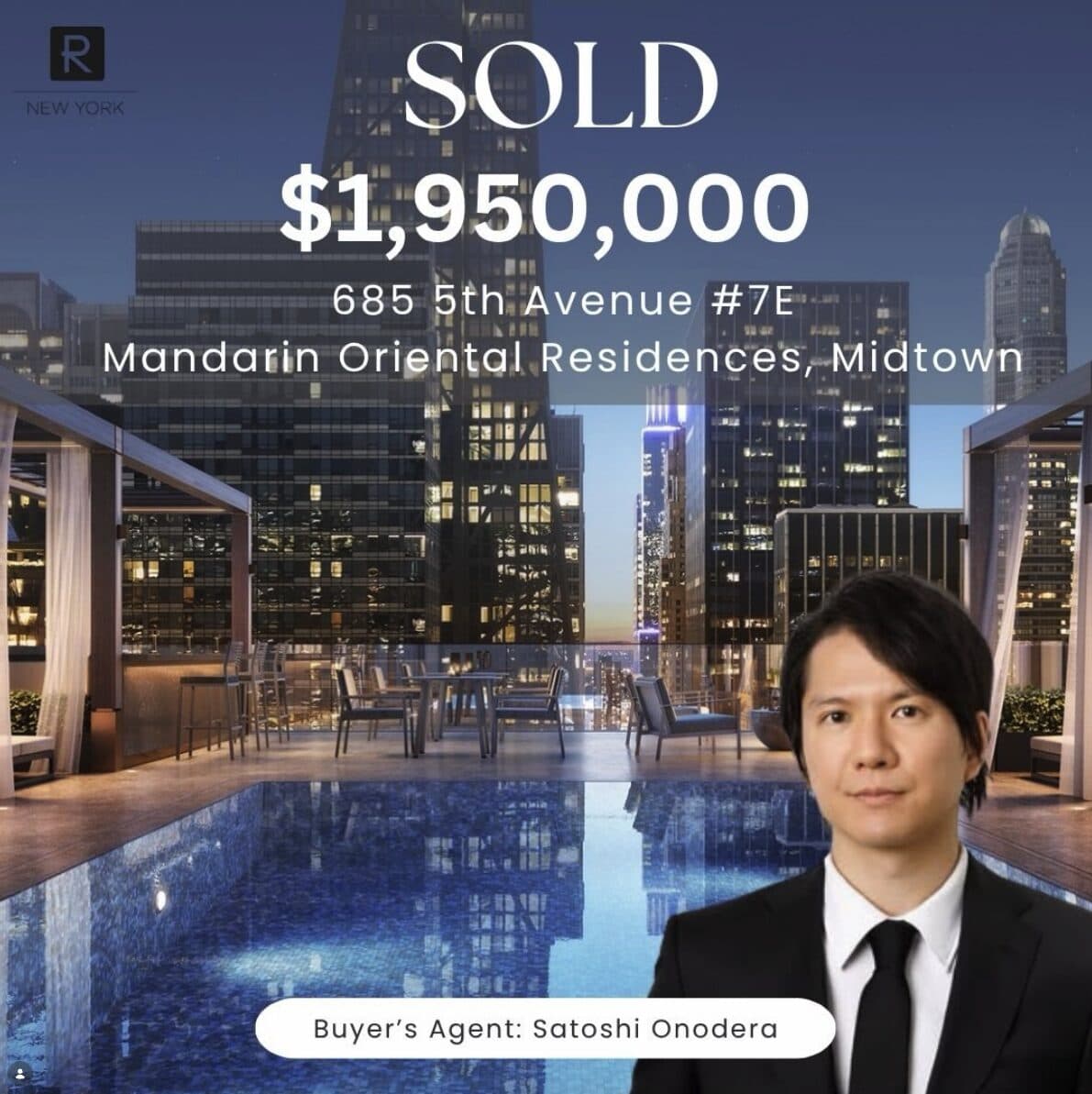
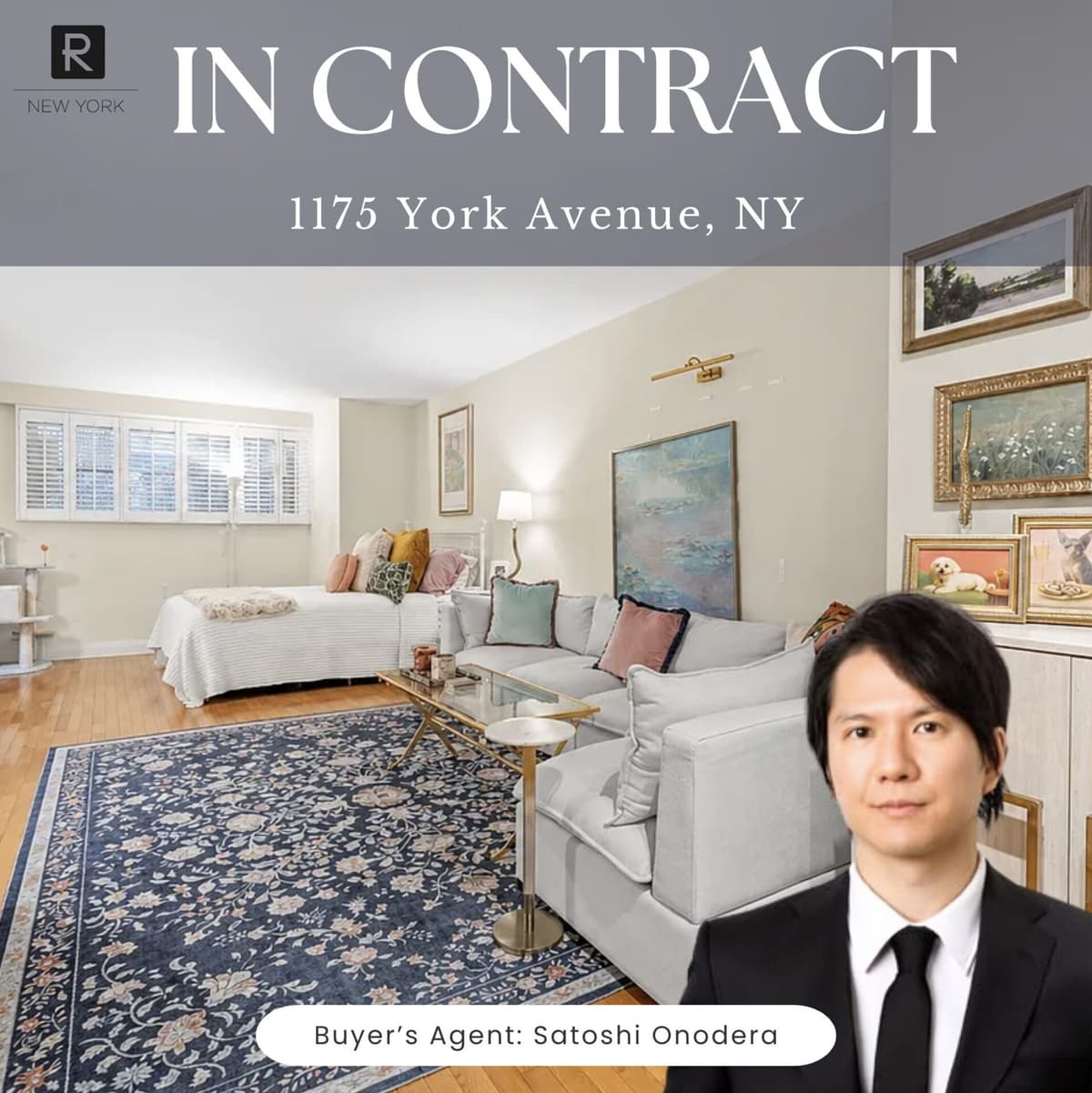
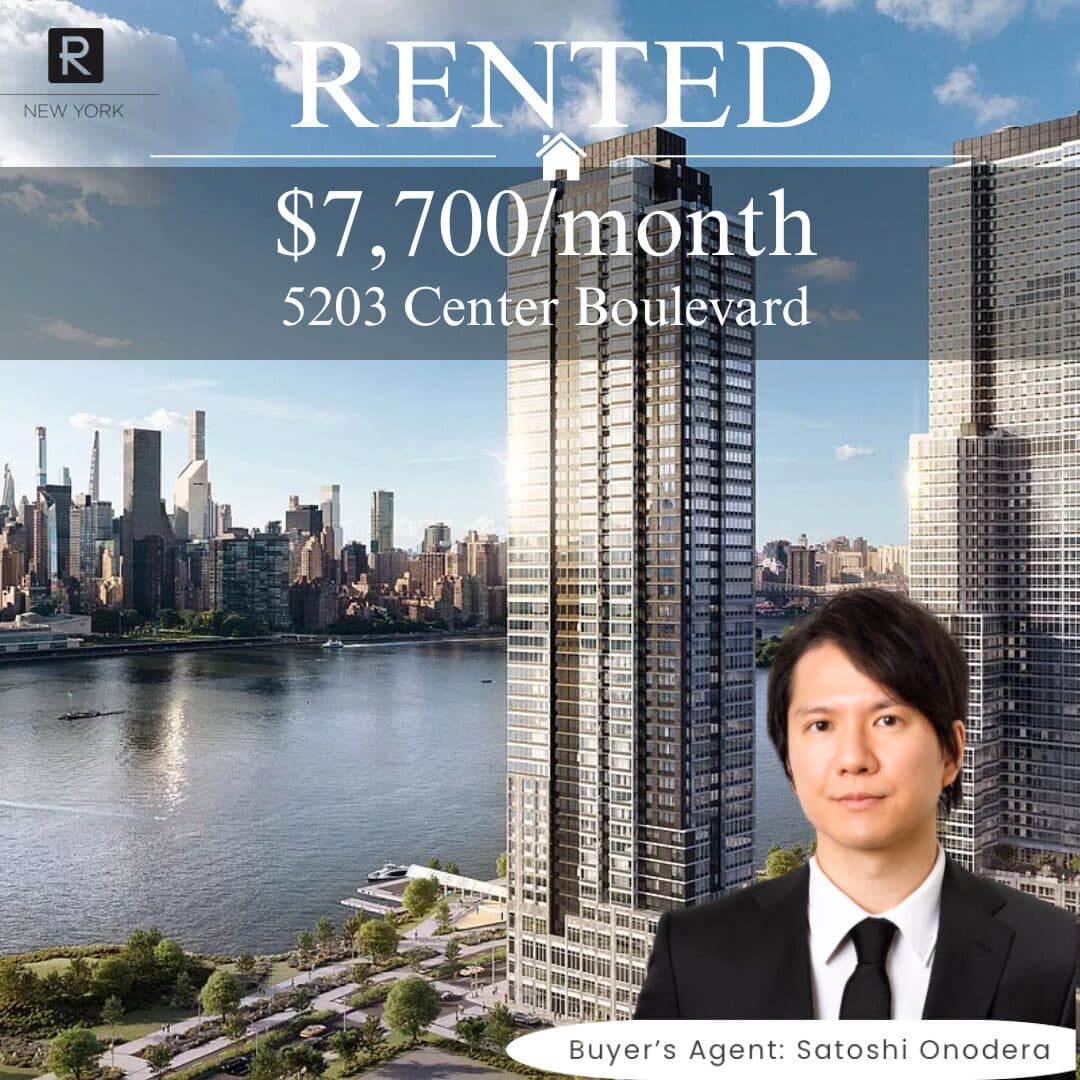
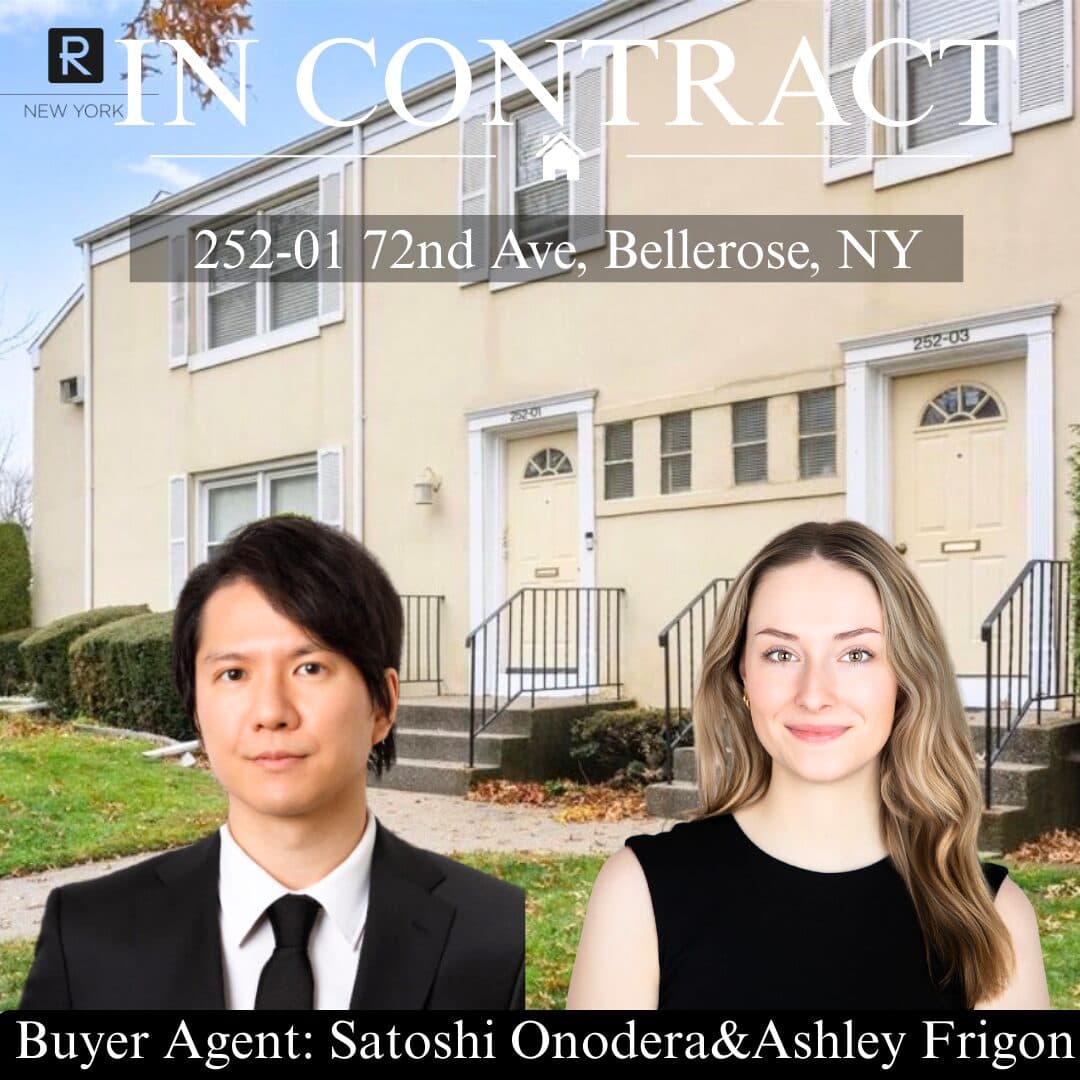
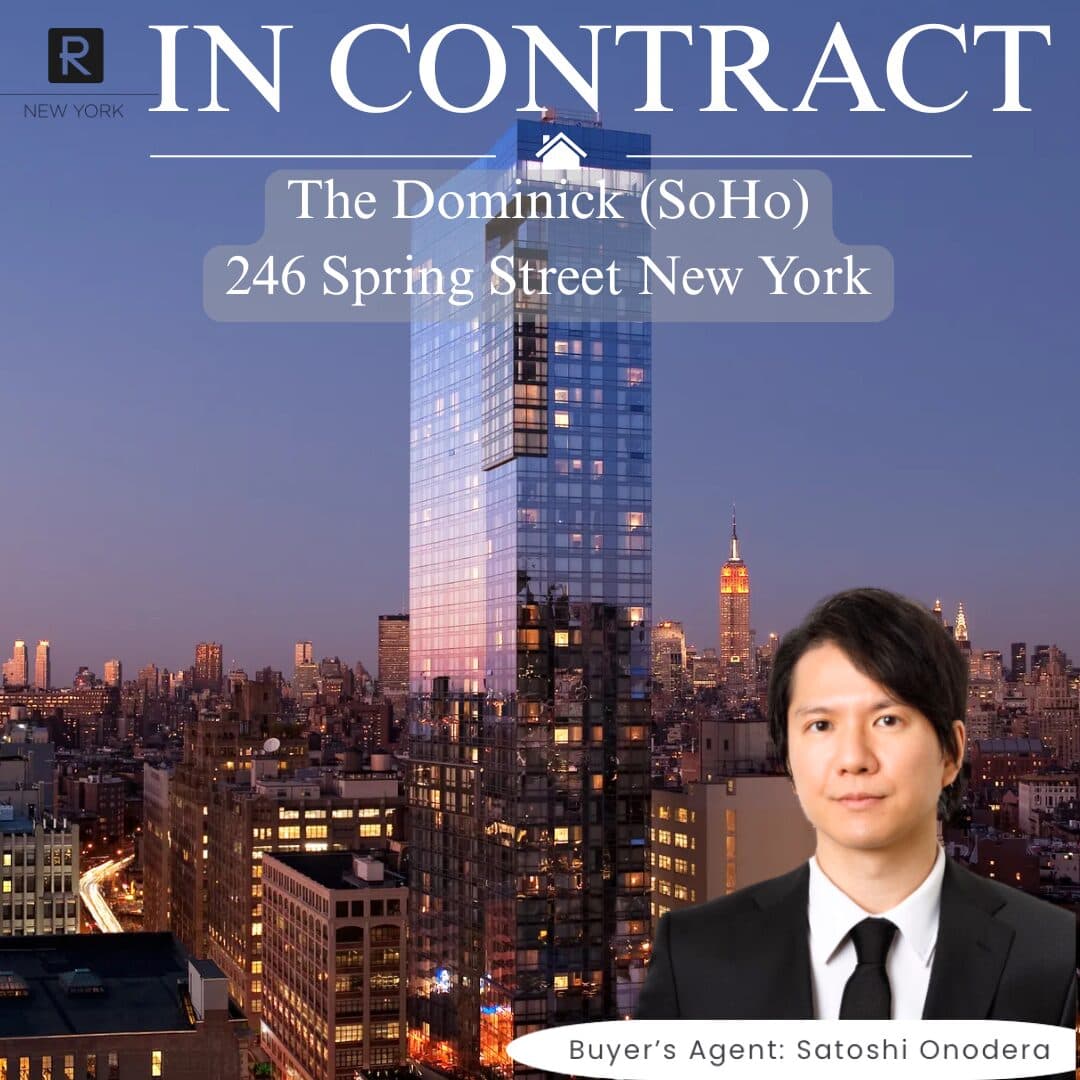
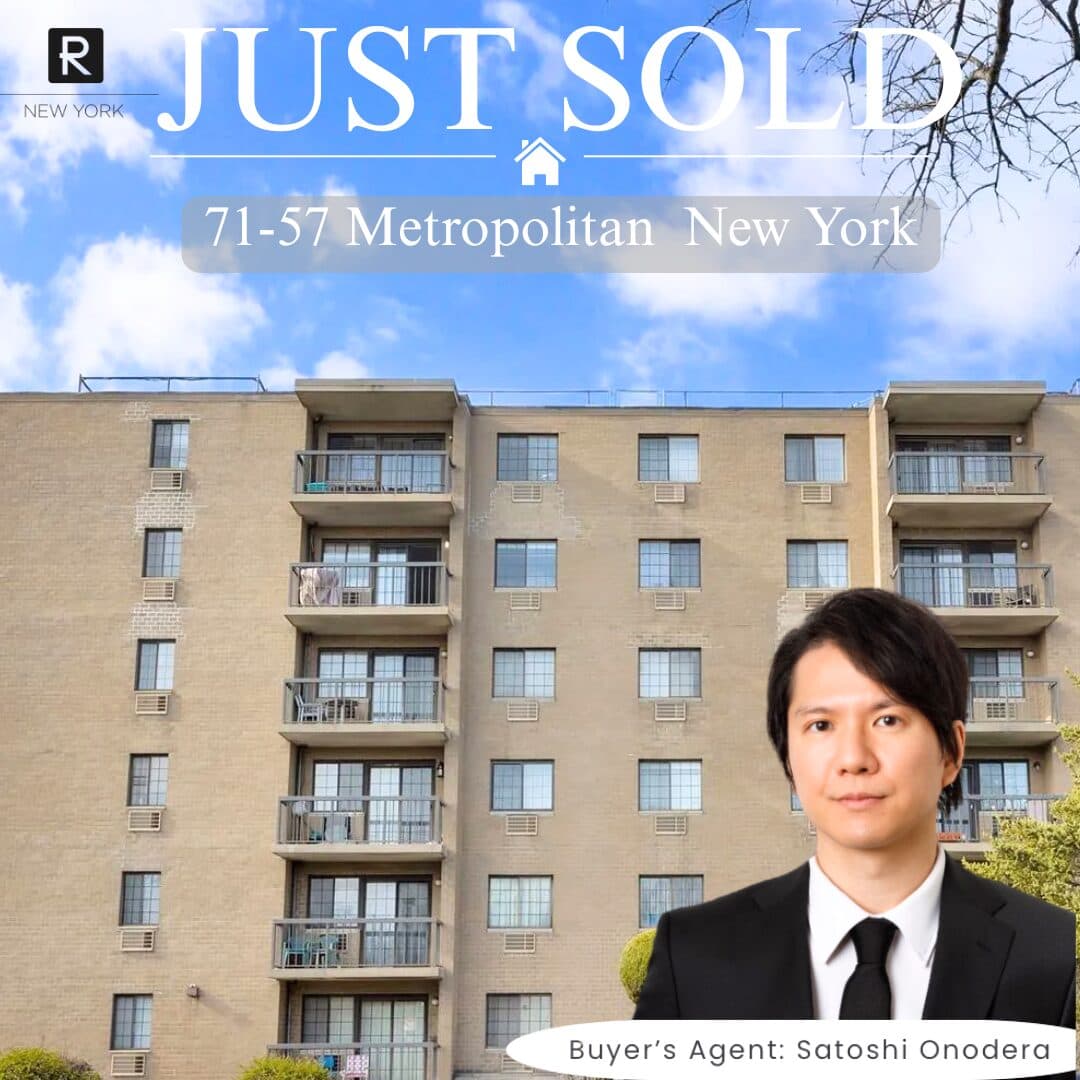
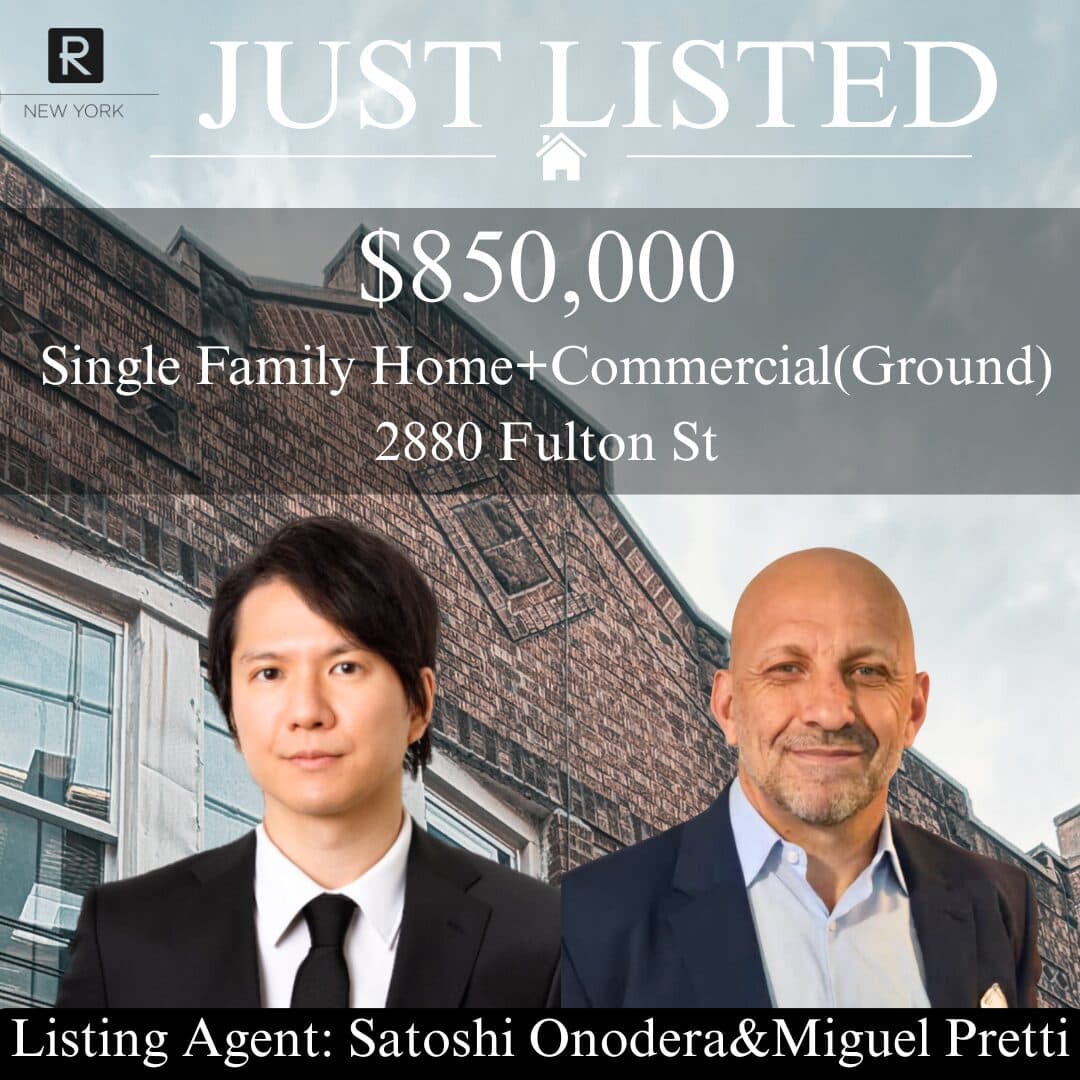
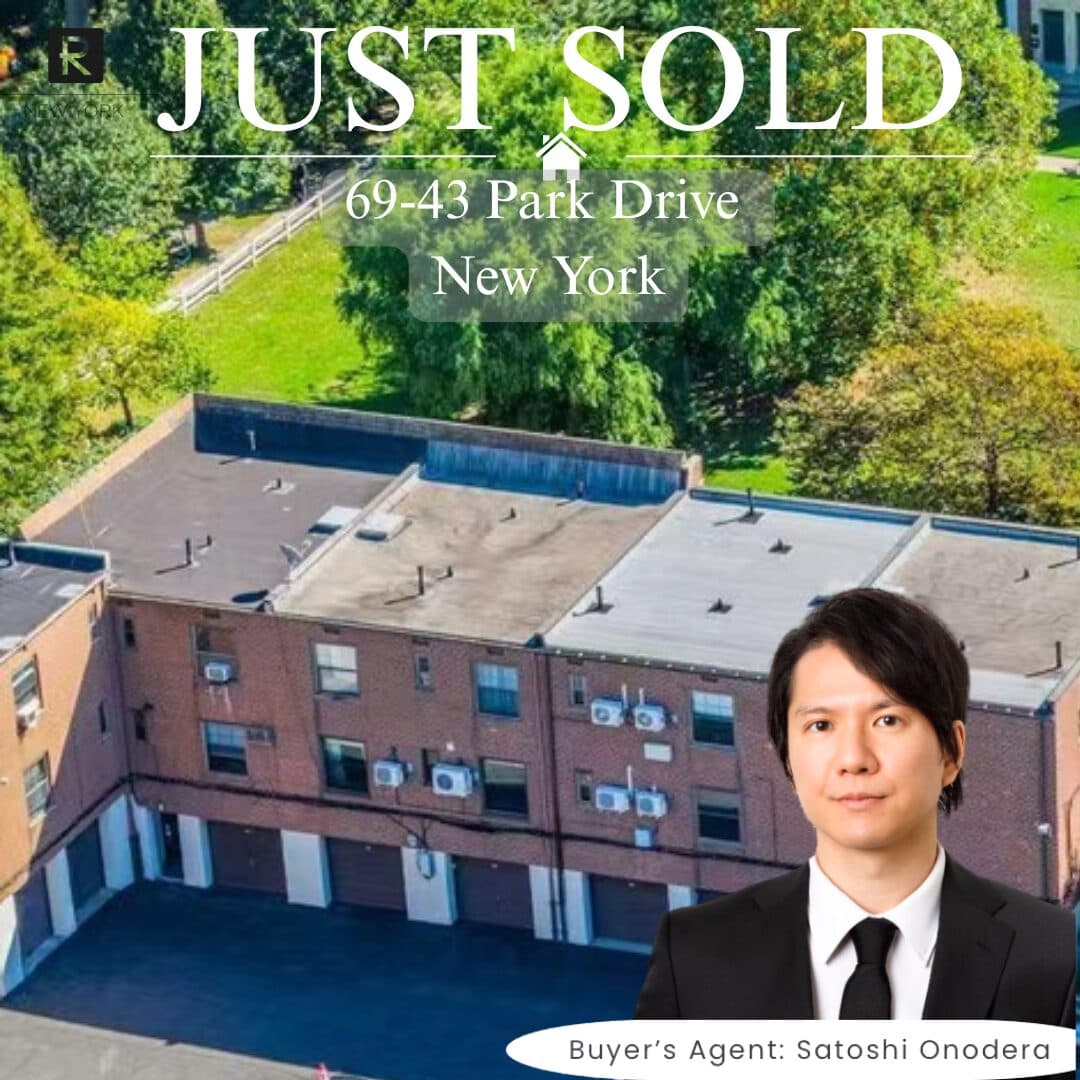
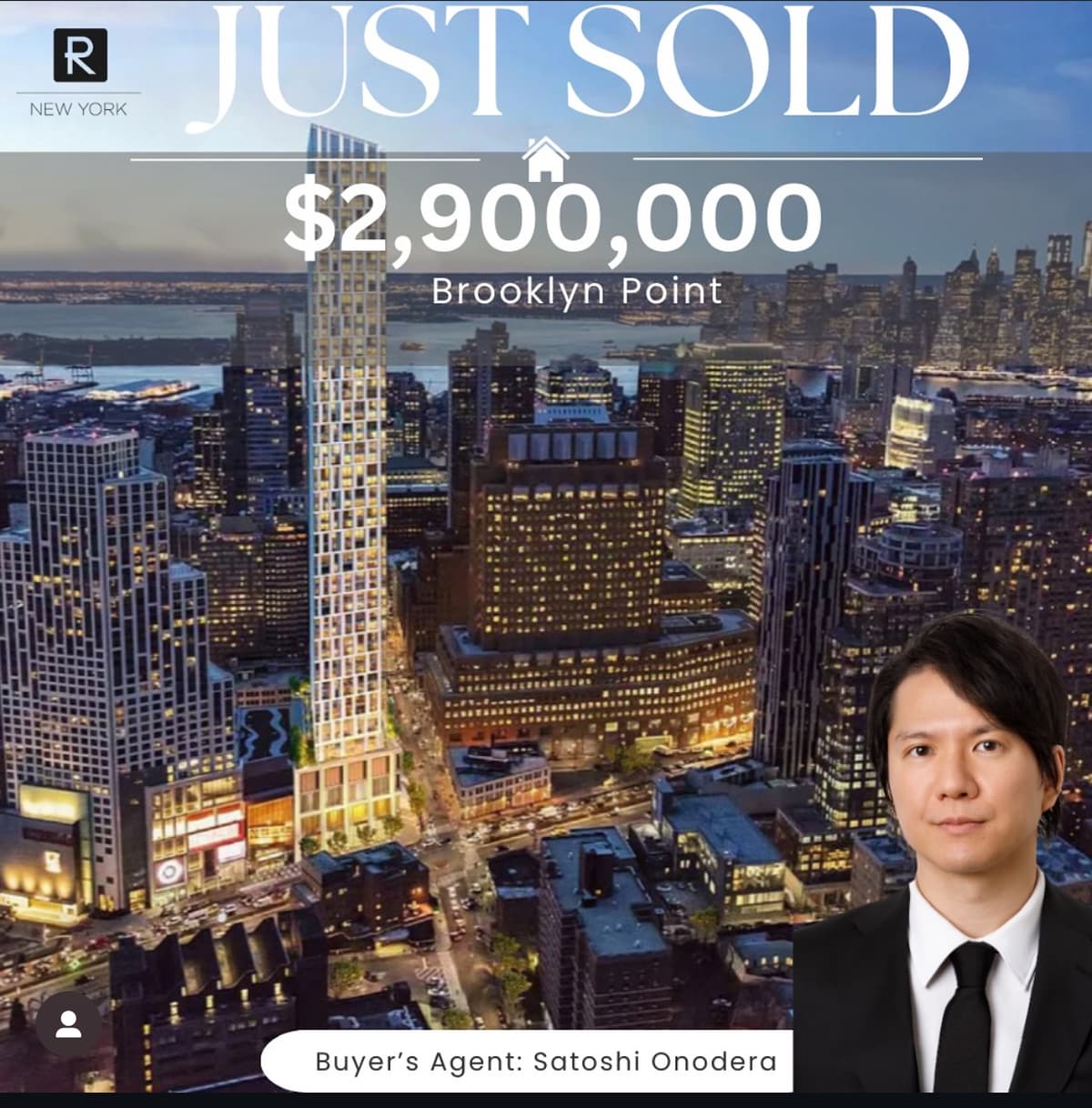
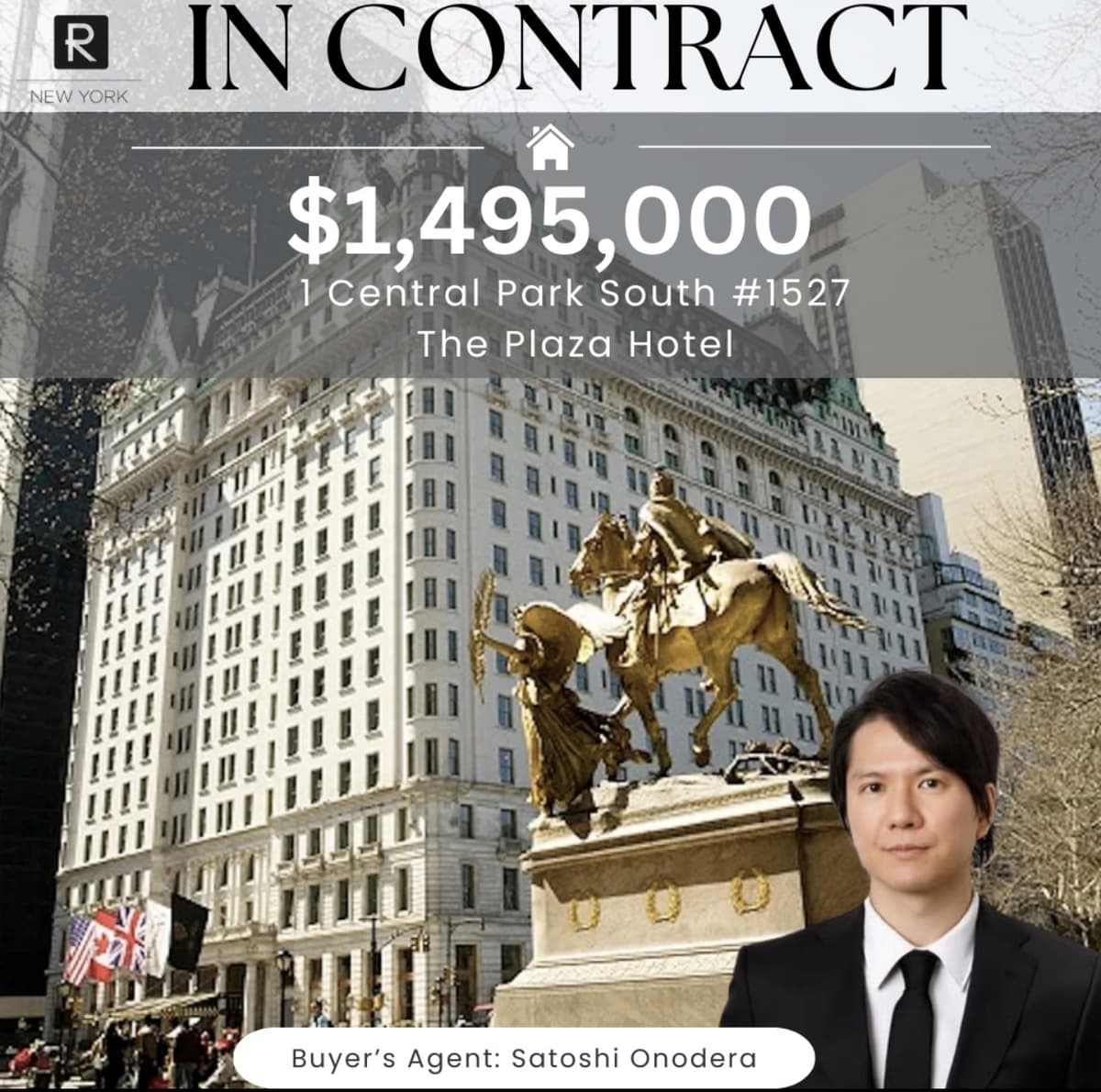
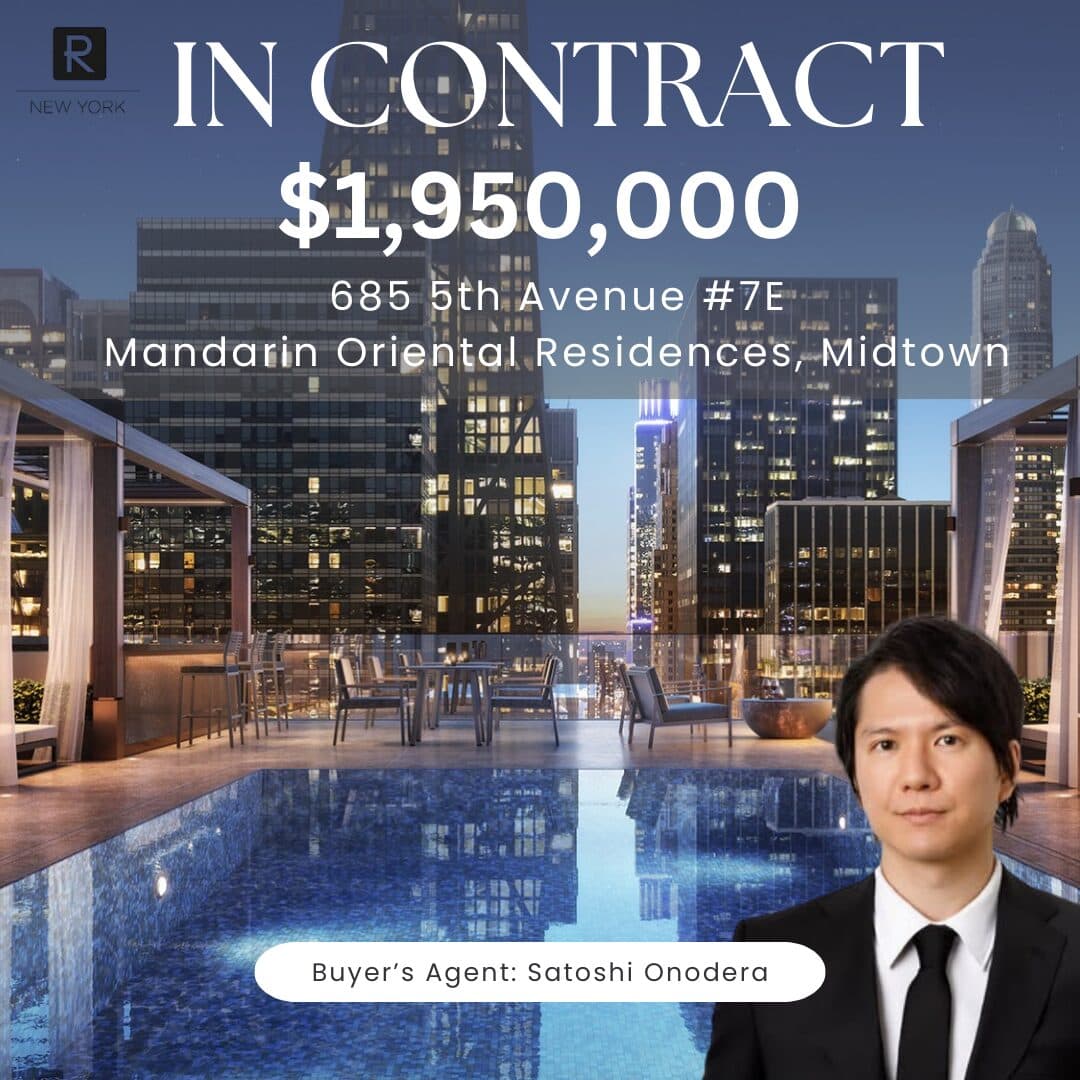
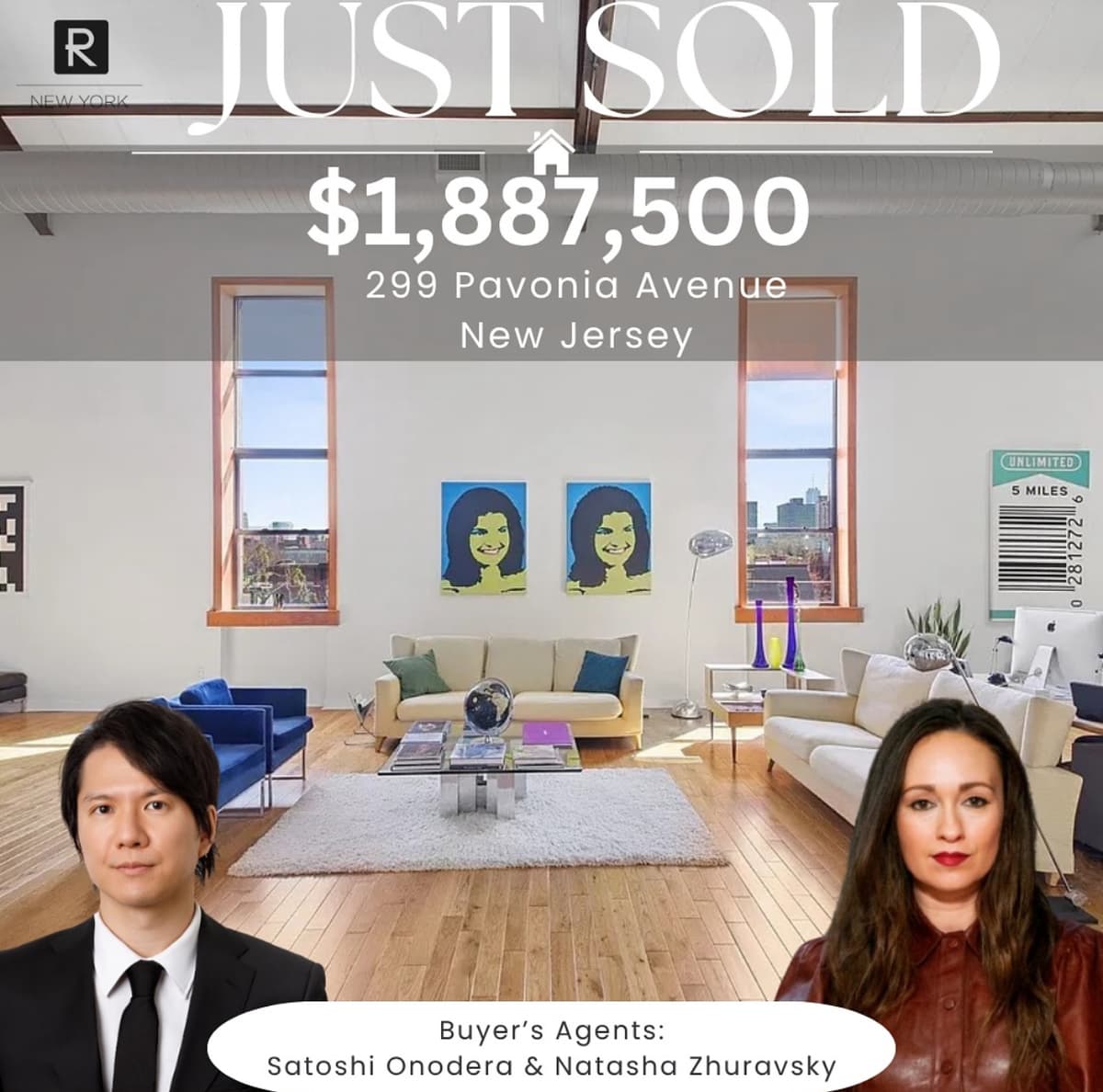
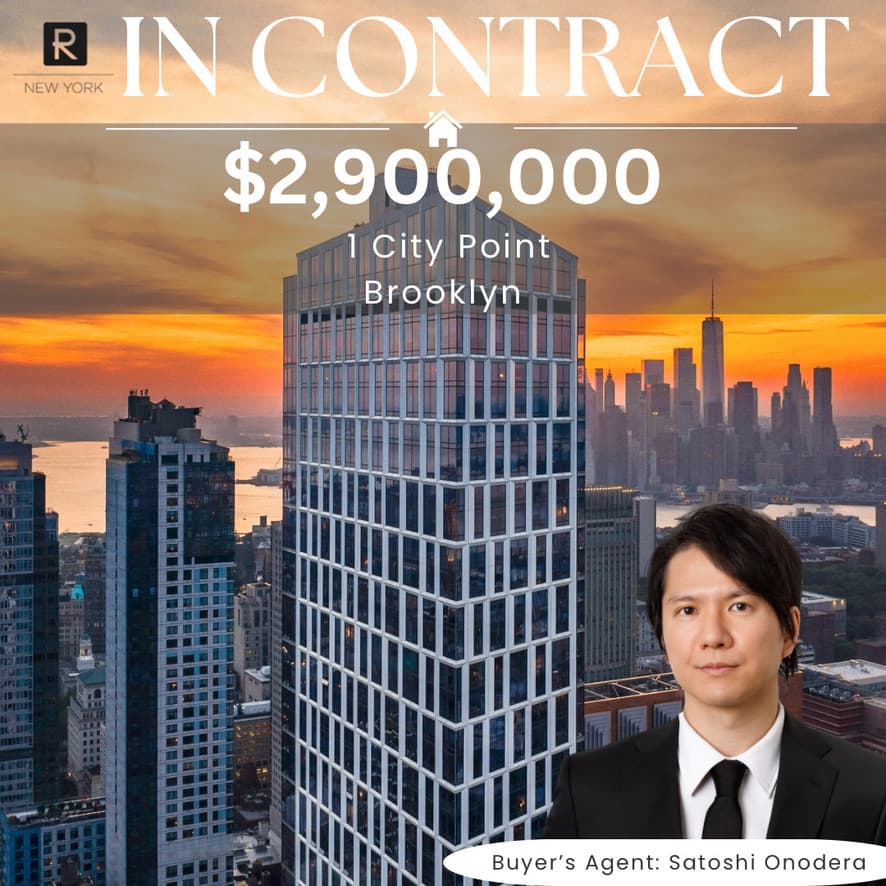
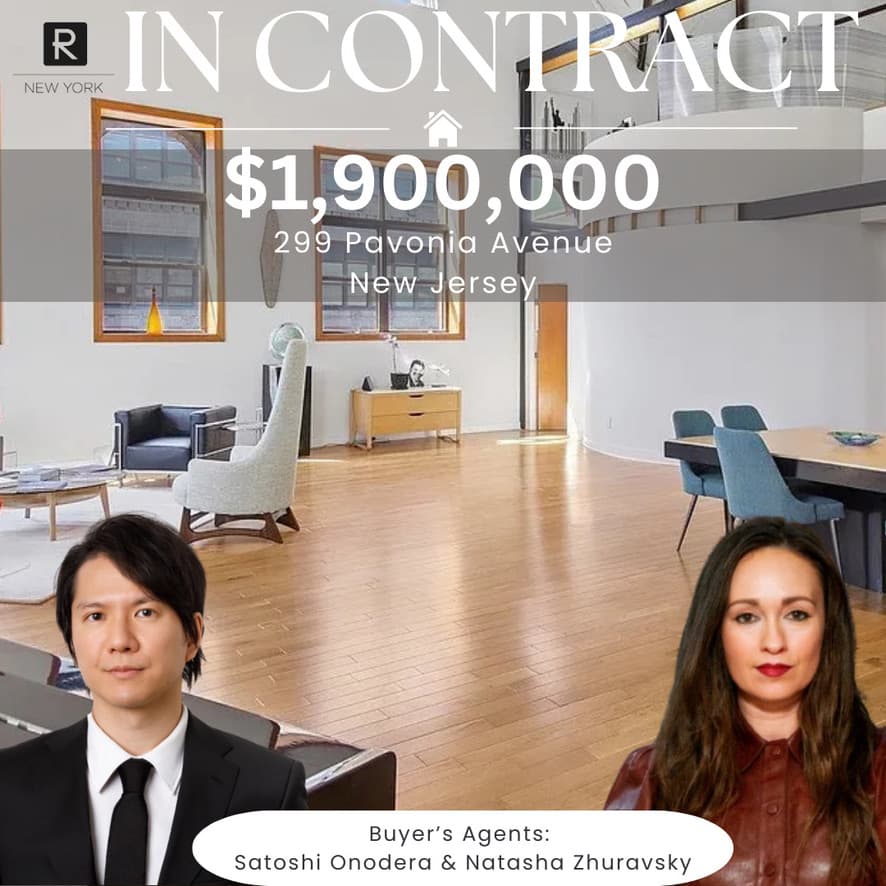
Real estate brokerage services are provided through R New York.
Let’s talk first
If a specific building is in view, speak with us before you begin viewing — the preparation determines what you are able to buy.
Important notice
The figures on this page are general information as of August 2026 and do not represent an offer, a quote, or a guarantee of any transaction terms. Reinvent NY does not provide legal, tax, or investment advice. Confirm anything material with an attorney and a CPA before you act on it. Nothing here is a solicitation to invest, and no return is promised. Real estate brokerage services are provided through R New York.