Branded Residences in NYC: What Buyers Are Paying For
A branded residence asks a buyer to pay a premium of roughly 20-35% per square foot for an apartment that, structurally, is a condominium like any other. The name on the door and the service behind it are the product, and both are contractual arrangements with terms, fees and expiry dates.
That is not an argument against buying one. It is an argument for reading the agreements. Let's examine what the premium buys, what it costs monthly, and the questions that separate a durable brand from a licensing exercise.
1. What a Branded Residence Actually Is
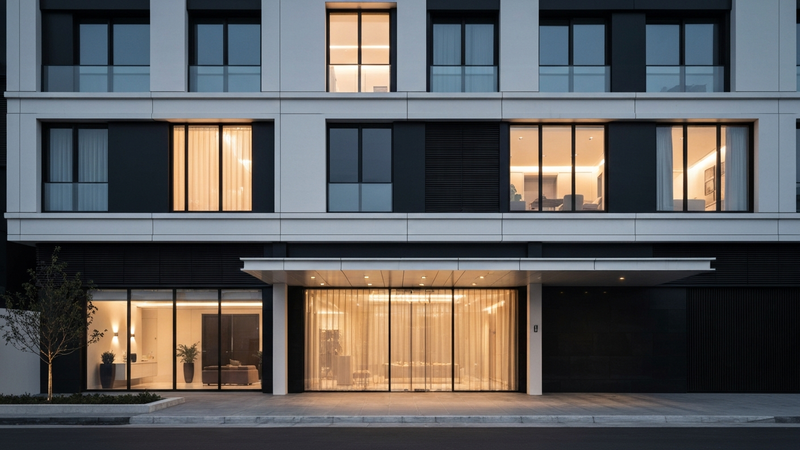
Legally, you buy a condominium unit: a deed, a tax lot, common charges, a board. The brand arrives through two separate documents — a licence agreement permitting use of the name, and usually a management agreement under which the operator runs services to the brand's standard.
Those agreements are between the brand and the condominium, not between the brand and you. They have terms, performance conditions and termination rights, and they are disclosed in the offering plan rather than in the marketing.
| Element | Standard luxury condo | Branded residence |
|---|---|---|
| Title held | Condominium deed | Condominium deed — identical |
| Board approval | Right of first refusal | Right of first refusal |
| Service model | Set by the board | Set by the operator agreement |
| Monthly charges | Building operating cost | Operating cost plus brand and service fees |
| Price per sq ft | Market | Roughly 20-35% above comparable |
| Brand permanence | Not applicable | Term-limited licence |
General market practice. Terms vary by building and are disclosed in the offering plan; verify each item for the specific property.
The purchase mechanics are otherwise the ordinary New York process described in our luxury buying guide — including the mansion tax, which at these price points is the largest single closing item.
2. What the Premium Buys

Three things, in descending order of how reliably they hold value. Service — staffing depth and standards that an owner-run board rarely sustains for decades. Amenity operation — pools, spas, restaurants and private dining run professionally rather than by committee. Resale signalling — an international buyer who has never seen the building recognizes the name.
The third point is the one international purchasers value most and articles discuss least. A branded building has a globally legible quality signal, which widens the resale pool beyond buyers who know the specific submarket.
What the premium does not buy is rental income proportional to the price. Rents in branded buildings command a premium too, but a smaller one — which is why gross yields here sit below the market, as our rental yield guide framework makes clear when the same rent is divided by a higher price.
Which brands hold their premium
Not all licences are equal, and the market prices that difference. What sustains a premium over decades is service delivery that residents actually experience, an operator with a long record in residential rather than hotel-only management, and a brand whose owner treats residential licensing as a core business rather than an extension exercise.
The signals to check are practical. How many residential projects has this operator run, and for how long. What happened to pricing in their earlier buildings after the first resale cycle. Whether the licence covers service standards with measurable obligations or merely the use of a name. A brand that has licensed widely and quickly is a weaker signal than one that has licensed slowly.
The rental programme question
Many branded buildings market a rental programme letting owners place the unit into managed short stays. In New York, Local Law 18 constrains what such a programme can legally offer: entire-unit stays under thirty days with the owner absent are prohibited, regardless of who manages the booking.
That does not make the programmes worthless — thirty-day-plus managed stays are legal and genuinely useful for an owner abroad — but it does mean any income projection built on nightly rates deserves scrutiny. Ask for the programme's actual occupancy and net distribution history rather than its brochure figures.
3. The Monthly Number, and the Documents Behind It

Branded buildings carry higher common charges, and the reason is structural rather than avoidable: the service model that justifies the brand is funded monthly. Ask for the full carrying cost — common charges, property tax, any brand or amenity fee billed separately — before you compare price per square foot with anything.
New York condo operating expense across the city runs a median $12.30 per square foot a year; a full-service branded building can run at a substantial multiple of that. Neither figure is wrong. They fund different products, and the comparison only means something once both are stated the same way.
Four documents decide this purchase: the offering plan with all amendments, the licence and management agreements, the building's budget and reserve position, and — where the building is operating — recent financial statements. Our offering plan guide covers how to read the first of them.
4. The Counterargument: Is the Premium Recoverable?
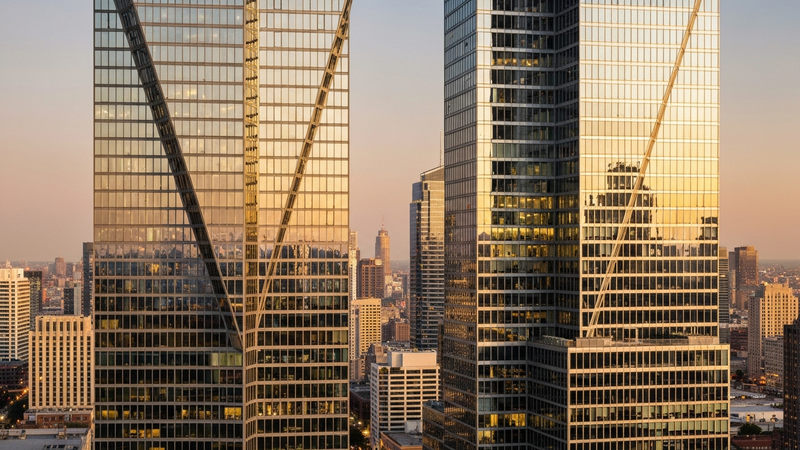
The skeptical case is direct. You pay 20-35% more per square foot for a licence that can expire, service you might not use, and monthly charges materially above the neighbourhood. If the brand departs or dilutes — and brands do both — the premium may not survive to resale. On pure economics, the unbranded condo across the street looks better.
The rebuttal rests on who the buyer is. For an international purchaser who will occupy the apartment intermittently, the service model is the reason the property is usable at all — nobody manages an empty apartment from another continent successfully by committee. And the resale pool for a globally recognized brand is wider than for an equally good building nobody abroad has heard of, which is a liquidity argument rather than a vanity one. The premium is recoverable to the extent the brand endures; that makes the licence term the single most important number in the file.
For buyers whose priority is income rather than usability, the honest answer is that this category is the wrong one — the comparison in our highest-yield cities analysis sits at the opposite end of the same trade.
Final Thoughts: Read the Licence Before the Floor Plan

The questions that matter are unglamorous: how long does the licence run, what terminates it, what does the operator charge, what is in the reserve, and what is the total monthly figure per square foot. Sales galleries answer none of these by default and all of them on request.
We review offering plans, licence terms and carrying costs for international buyers considering branded inventory, with brokerage services provided through licensed professionals. Talk to our team before you sign anything at a sales gallery.
Reinvent NY provides business consulting, operational support, and coordination services. Legal advice and immigration filings are handled by independent licensed attorneys. Real estate services are provided through licensed professionals and applicable brokerage relationships. This article is for informational purposes only and does not constitute legal or investment advice.

Satoshi Onodera
Founder & CEO, Reinvent NY Inc.
Founded Reinvent NY in 2024. Providing relocation support from all over the world to America.
Ready to Get Started?
Our team in New York is ready to help with your visa, real estate, or relocation needs.
Schedule a ConsultationFrequently Asked Questions
What is a branded residence?
A condominium where a hotel or luxury brand licenses its name and service standards to the building, usually with a management agreement covering staff, amenities and service delivery. Owners hold ordinary condominium title.
How much more do branded residences cost?
Industry analyses generally place the premium at roughly 20-35% per square foot over comparable unbranded condominiums in the same submarket, varying widely by brand strength and location.
Do branded residences have higher monthly charges?
Yes, usually materially higher. The service model that justifies the brand — staffing levels, amenity operation, brand licensing fees — is funded through common charges, and buyers should verify the full monthly figure before contract.
Can I put a branded residence into the hotel rental programme?
In some buildings yes, subject to the programme's terms and New York's short-term rental rules. Under Local Law 18, entire-unit stays under 30 days are prohibited outside a registered hosting arrangement, which constrains what a rental programme can offer.
What happens if the brand leaves?
Licence agreements have terms and termination provisions. A de-branding can affect resale value and the service model, which is why the licence term and renewal conditions belong in your diligence rather than the sales gallery conversation.
Are branded residences a good investment?
They typically deliver lower gross yields than unbranded condos because the premium raises the entry price while rents do not rise proportionally. The case rests on liquidity, service and brand durability rather than income.
Can overseas buyers purchase branded residences?
Yes. Branded residences are condominiums, so there is no board approval vote and non-resident and entity ownership are generally accepted — one reason they attract international purchasers.
Real Estate Guides & Data
More guides
- Condo vs Co-op in New York: What Actually Differs
- Borrowing Across Currencies: Debt as an FX Instrument
- The Owner's Document Glossary: Every Paper, Explained
- FIRPTA Withholding: Selling US Property as a Foreign Person
- Gifting US Property: Moving Real Estate Between Family
- Home Inspections in the US: Finds and Misses
Related Articles
Choosing a New York Property Advisor From Overseas
How overseas buyers pick a New York advisor: who the buyer's agent is paid by, what to verify before engaging.
How the NYC Luxury Buying Process Works Above $5M
What changes above five million dollars in New York: off-market inventory, mansion tax reaching 3.9 percent, board scrutiny, and how the timeline stretches.
NYC Co-op Board Approval for Overseas Buyers
Why New York co-op boards reject overseas buyers, what the package must show without US credit or W-2 income, and when a condo is the faster route instead.
Financing a Branded Residence as a Foreign National
How overseas buyers finance branded residences in New York: 30-40% down on pre-construction, deposit schedules.