
An inspection is cheap.
Skipping one rarely is
A few hundred dollars buys the only independent read on the building you will get before you are committed. In New York the window for it is short and easy to miss.
Before you read on
- Inspection practice differs by state. New York custom is described here; in escrow states the inspection sits inside a contractual contingency period.
- An inspector reports on condition. They do not value the property and do not advise on whether to buy.
Step 1Where the inspection sits in a New York purchase
Not after contracts, as buyers from other states expect. Before them, in the days between an accepted offer and signature.
New York contracts are typically signed “as is”, with no inspection contingency written into them. Once you have signed and wired the deposit, a defect found later is your defect. The leverage exists only in the two to three week window before signature, which is why the inspection has to be booked the day the offer is accepted rather than the week the attorney finishes reviewing.
| Property type | Is an inspection usual | Why |
|---|---|---|
| House, townhouse, brownstone | Always | You own the roof, the boiler, the façade and the plumbing outright |
| Small multifamily | Always, plus a roof and boiler specialist | Systems are older and shared, and the cost of replacement is six figures |
| Condominium | Often, and worth it | The unit is yours; the building's problems arrive as assessments |
| Co-op | Less common, still sensible | Board packages and minutes matter more, but the unit's own plumbing still leaks |
| New development | Yes, before the walk-through sign-off | Punch lists are settled at the walk-through, and after that they are goodwill |
Step 2What a general inspection covers
Foundation, framing where visible, façade, roof covering and drainage, windows, grading around the building. Cracking patterns matter more than cracks.
Heating and cooling, water heater, main electrical panel and its capacity, visible wiring, supply and waste plumbing, water pressure. Ages and remaining life are estimated for each.
Floors, ceilings, stairs, doors, and evidence of past water. Stains, patched ceilings and fresh paint on one wall are read as history, not decoration.
The single most common finding, and the most expensive to ignore. Basements, the underside of bathrooms, and anything below a roof terrace.
Step 3What a general inspection excludes, and what to add
| Add-on | Typical cost | When it is worth it |
|---|---|---|
| General inspection | $400–$1,200 | Always, priced by square footage |
| Sewer lateral camera | $300–$700 | Any house over fifty years old, and every brownstone |
| Radon test | $150–$300 | Houses with basements outside the city core |
| Lead paint assessment | $300–$600 | Anything built before 1978, especially with children |
| Asbestos sampling | $200–$800 | Pre-1980 buildings with original pipe insulation or floor tile |
| Termite and pest | $100–$300 | Wood frame construction and anything with a crawl space |
| Oil tank sweep | $150–$400 | Suburban houses converted from oil, where an abandoned tank is a liability |
| Engineer's structural report | $1,000–$3,000 | Visible movement, or before buying a whole building |
Ranges reflect the New York metropolitan area in 2026 and vary widely by size and travel time. Get the quote in writing before booking.
Step 4Using the report without losing the deal
A report of forty pages will contain forty findings, because that is what inspectors are paid to produce. The mistake buyers make is to send the whole document to the seller and ask for everything. It reads as a renegotiation of the price on a technicality, and in a market with other bidders it ends the conversation.
Separate the findings into three groups: safety and structure, systems at the end of their life, and cosmetics. Raise the first two, with a contractor’s number attached to each, and let the third go. A specific request for a $14,000 boiler is answerable. A request for “a credit for the repairs” is not.
| Finding | Reasonable ask | Usual outcome |
|---|---|---|
| Active leak, standing water, structural movement | Repair before closing, or a credit at cost | Seller repairs or the deal ends |
| Boiler or roof at end of life | Price reduction of part of the replacement cost | Split, more often than not |
| Outdated panel, knob-and-tube wiring | Credit toward an electrician's quote | Negotiated, since insurers may require it anyway |
| Missing handrails, no smoke alarms | Seller corrects before closing | Almost always agreed; it is cheap |
| Worn finishes, tired kitchen | Nothing | Priced in already |
Yes, and you should. Two hours walking the property with an inspector teaches you more about the building than any report, and questions asked in person get fuller answers than an email a week later.
You do, and it should not be someone the listing agent recommends. Ask for a sample report before booking — the quality varies enormously.
Yes, but it has to be fast. Book for within seventy-two hours of acceptance, and tell the listing agent when it will happen so the delay is visible and short.
The unit, yes, if there is any history of leaks. Beyond that, the building's financial statements, the last two years of board minutes and the reserve balance tell you more than an inspector can.
Inspect it. New buildings fail on workmanship rather than age — window seals, waterproofing at terraces, and mechanical systems commissioned in a hurry.
Let’s talk first
Tell us what you are under offer on and we will arrange the inspection, read the report with you, and tell you which findings are worth raising.
RELATED GUIDES
Recent transactions
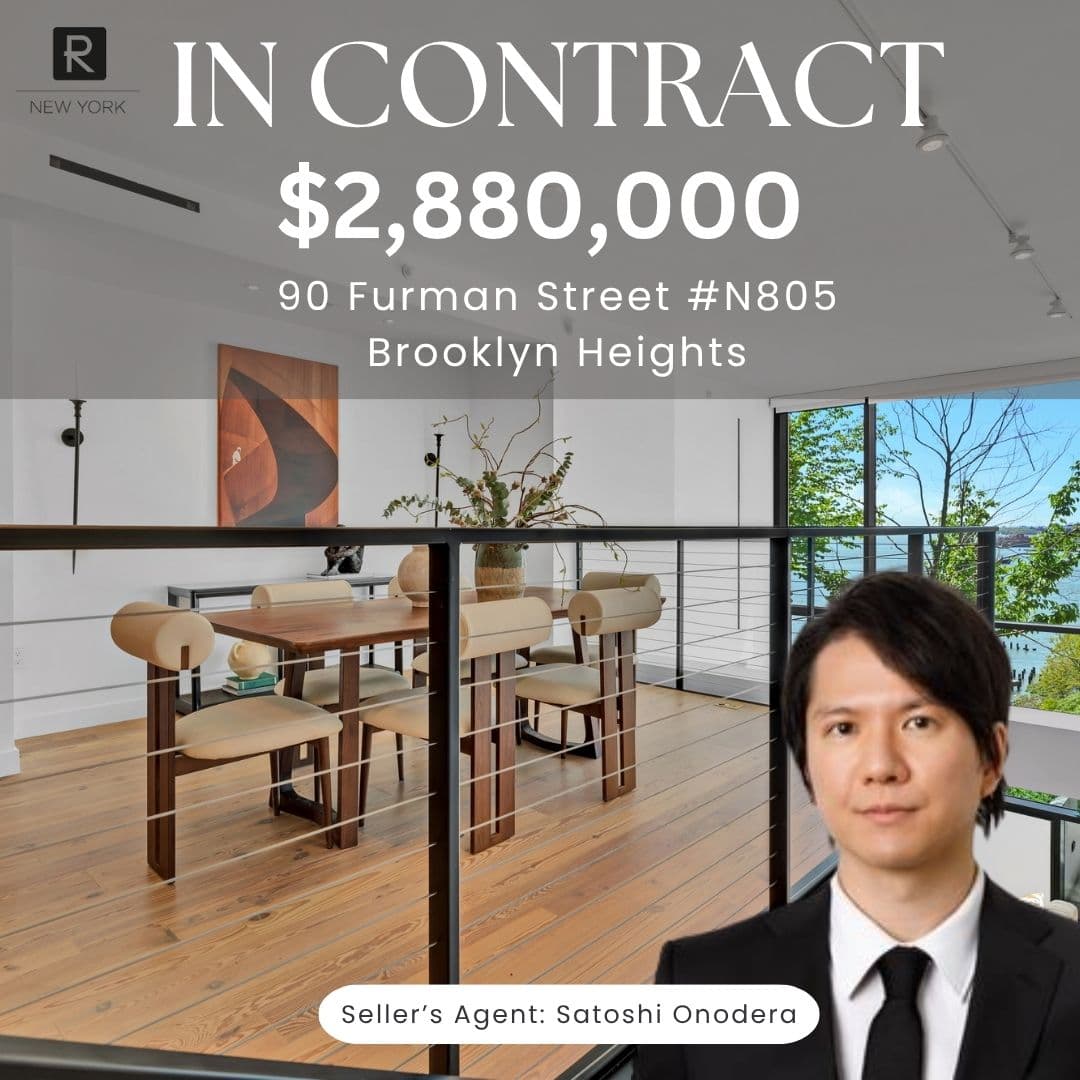
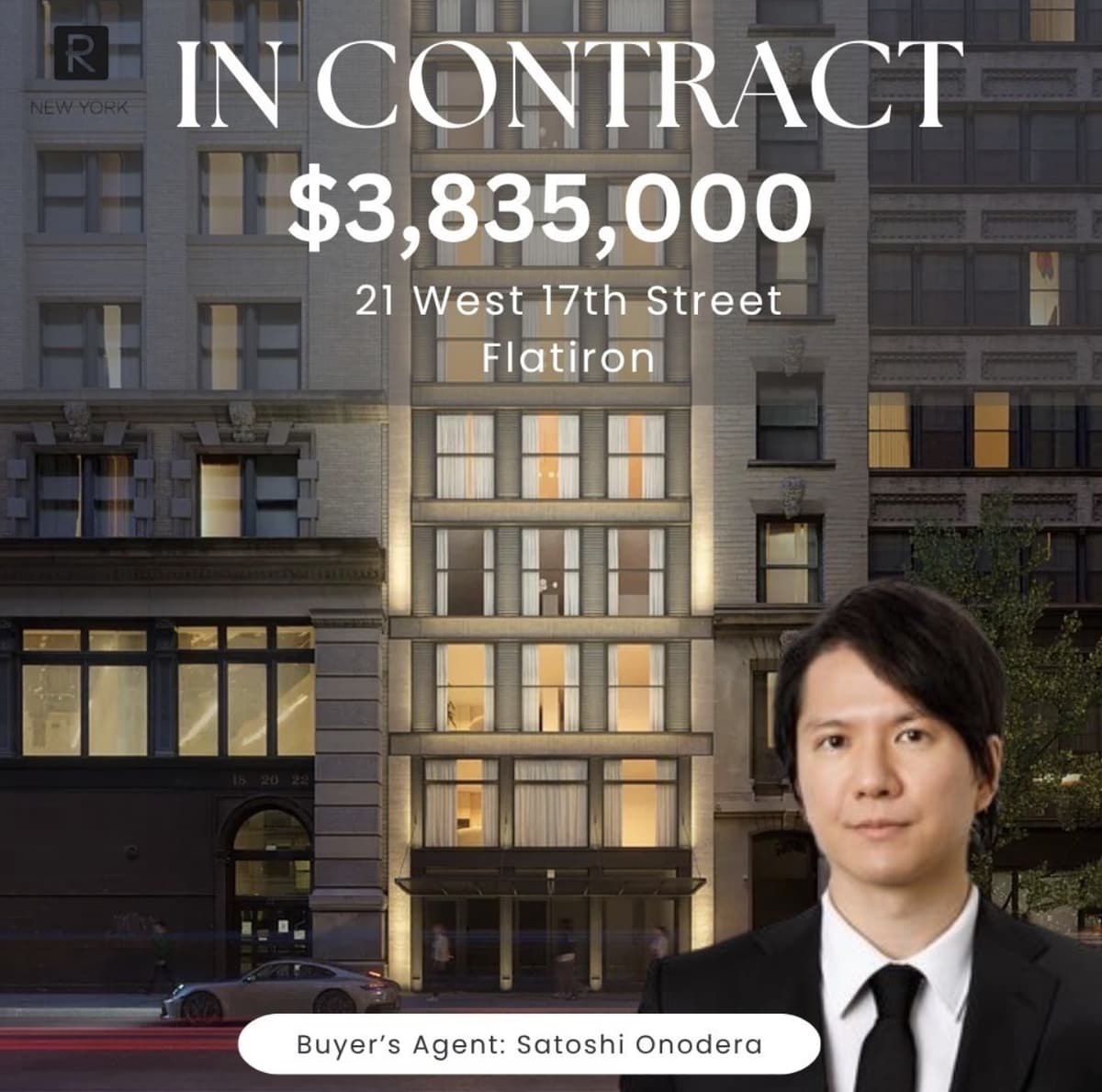
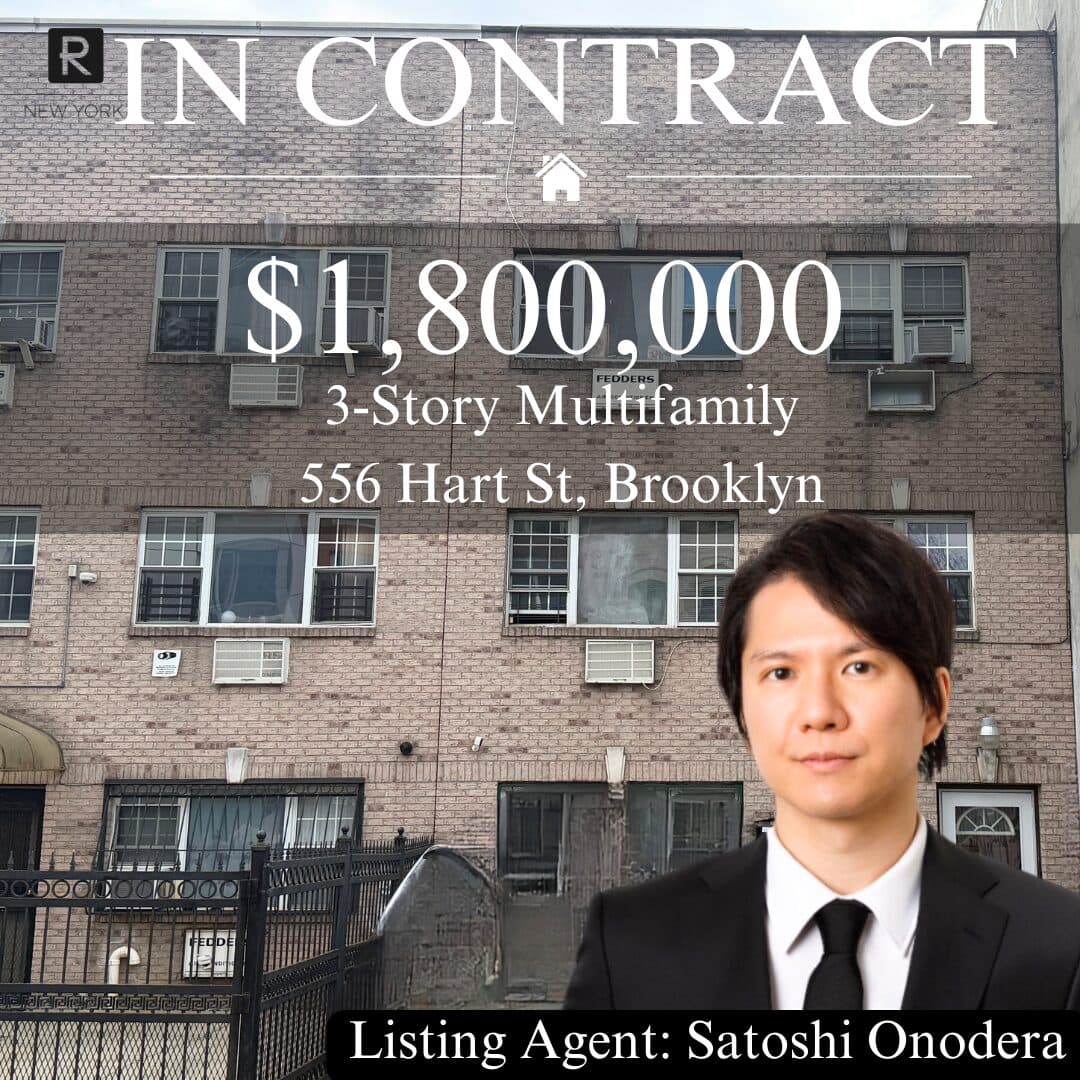
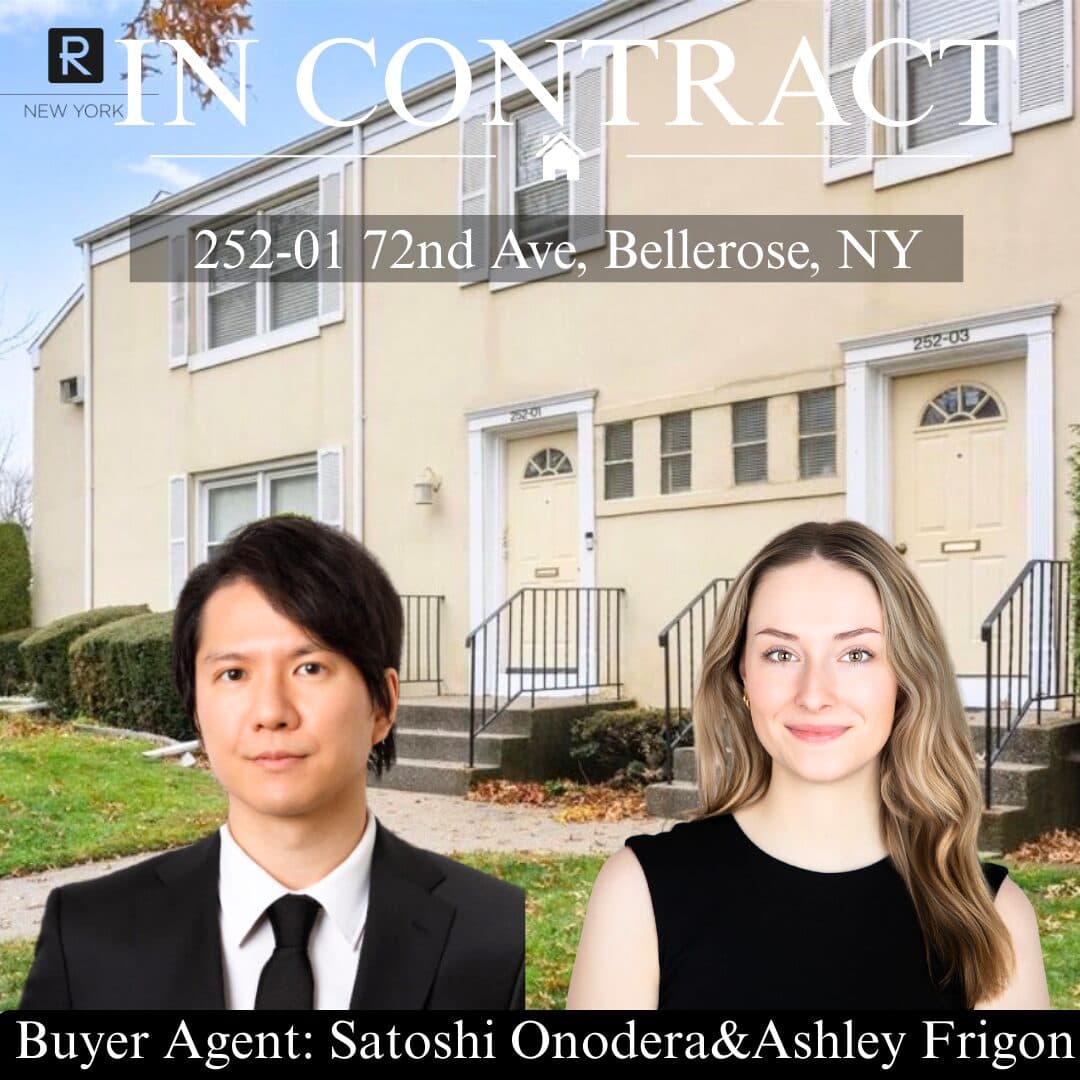
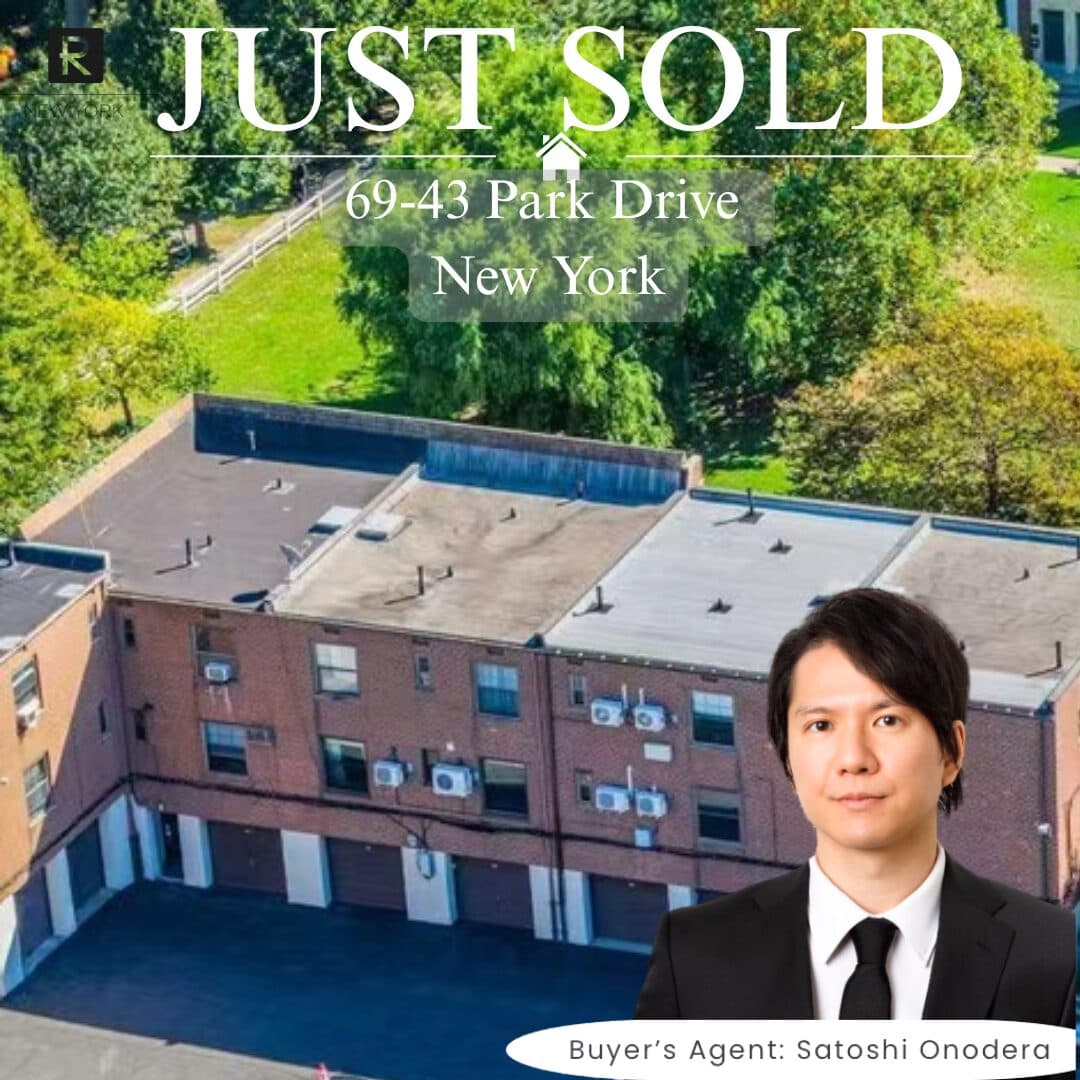
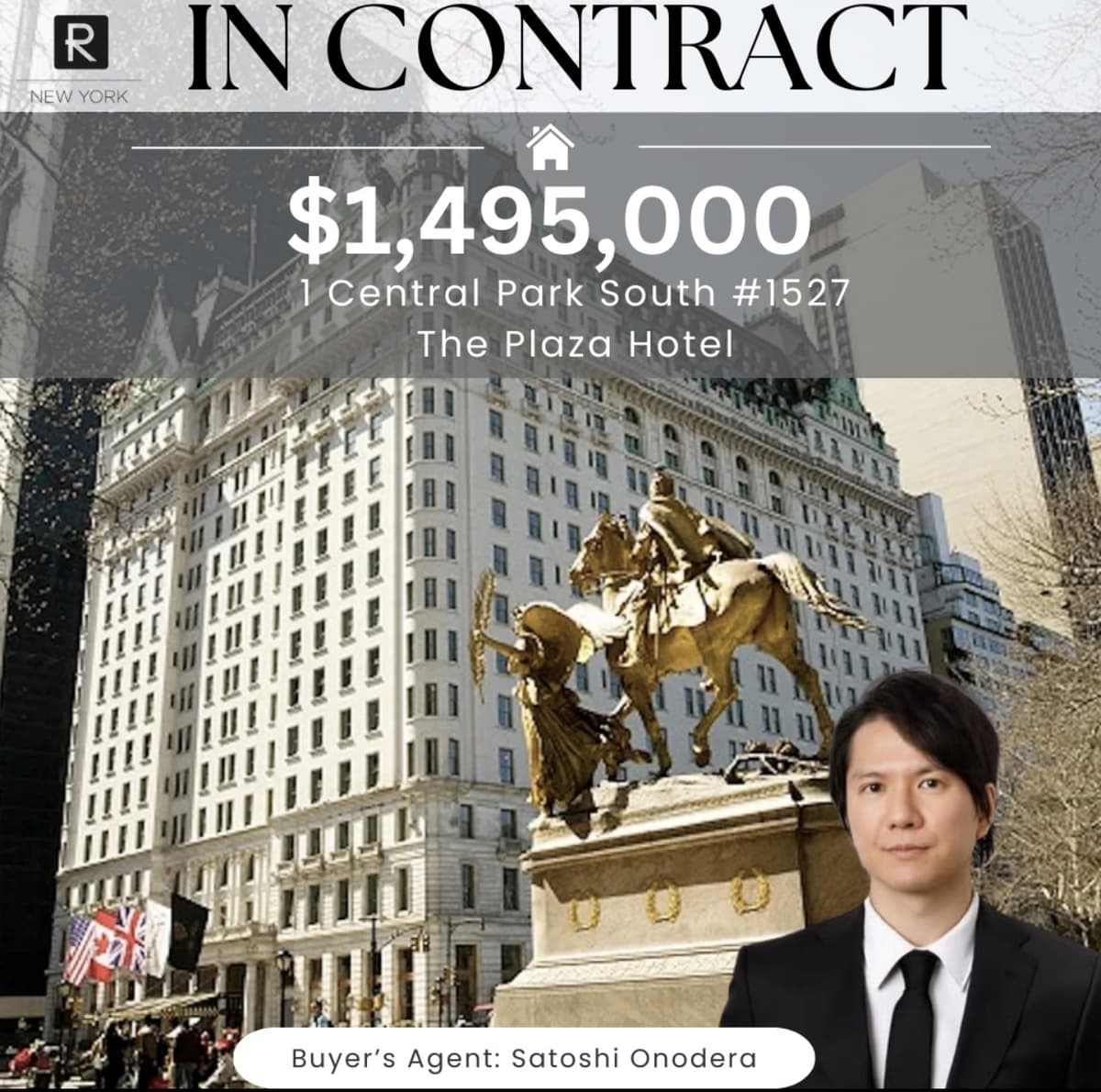
A sample of the sales, purchases and rentals we acted on in 2025 and 2026.














Real estate brokerage services are provided through R New York.
Important notice
The figures on this page are general information as of August 2026 and do not represent an offer, a quote, or a guarantee of any transaction terms. Reinvent NY does not provide legal, tax, or investment advice. Confirm anything material with an attorney and a CPA before you act on it. Nothing here is a solicitation to invest, and no return is promised. Real estate brokerage services are provided through R New York.