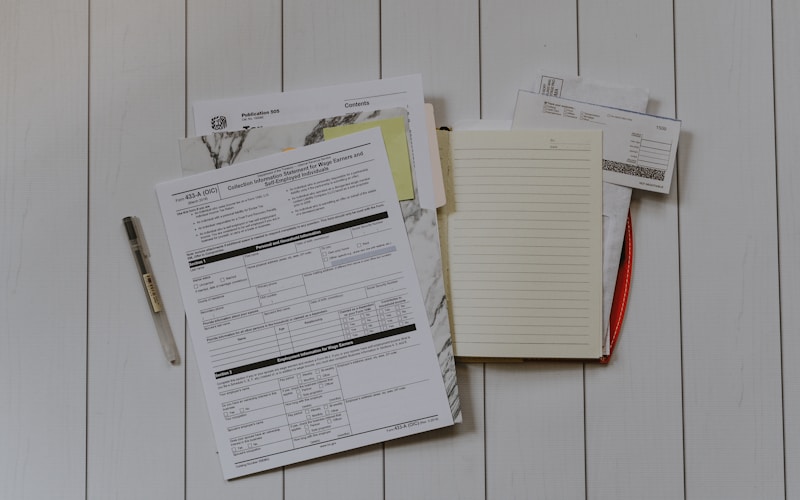
The US does not guarantee
who owns the property
There is no national land register standing behind your ownership. There is a chain of recorded documents, a search through it, and an insurance policy covering what the search missed.
Before you read on
- General guidance. Title practice, premiums and who customarily pays are set state by state.
- New York premiums are filed rates. They are not negotiable, though some fees around them are.
Step 1Why the policy exists at all
In England, Japan and much of Europe the state maintains a register and the register is the truth. The US works the other way round.
American counties record documents rather than adjudicate ownership. Deeds, mortgages, liens and judgments are filed as they arrive, and ownership is whatever that pile of paper adds up to. Nobody certifies the sum. If a deed forty years back was signed by someone without the authority to sign it, the defect travels down the chain and lands on the current owner.
Title insurance is the private answer to a public gap. A search establishes the chain as best it can, and a policy indemnifies you against what the search failed to find. It is paid once, at closing, and lasts as long as you own the property.
Step 2What the search actually turns up
A loan repaid years ago whose satisfaction was never recorded. Common, tedious, and fixable before closing once someone notices.
Federal and state tax liens, child support judgments, mechanics' liens filed by a contractor who was never paid. These attach to the property, not the person.
A neighbour's driveway across the corner of the lot, a utility right of way, a fence three feet inside the boundary. A survey finds what the record does not.
A property sold by one sibling where three inherited. The missing heir can appear a decade later, and the policy is what stands between you and them.
Work done without a permit or never signed off. In New York City these sit with the Department of Buildings and can block a later sale or refinance.
Deed fraud against absentee and non-resident owners is the case the policy is genuinely for. It is rare and ruinous.
Step 3What it costs
| Line | Who pays in NY | Rough scale | Note |
|---|---|---|---|
| Owner's policy premium | Buyer | Roughly 0.4–0.5% of price | Filed rate in New York; one payment, permanent cover |
| Lender's policy | Buyer, if financing | Discounted when issued together | Protects the bank's interest only, not yours |
| Title search and continuation | Buyer | $400–$900 | The work behind the policy |
| Municipal searches | Buyer | $300–$700 | Permits, violations, emergency repair charges |
| Survey (houses and townhouses) | Buyer | $1,000–$2,000 | Not usual for apartments |
| Recording fees | Buyer | $250–$750 | Paid to the county or city register |
Indicative for New York in 2026. Premiums are set by filed rate and rise with price; the ancillary fees do not. In California, Texas, Arizona and much of the west the seller customarily pays the owner's premium — ask early, because it is a real difference in your closing statement.
Step 4What a foreign or non-resident buyer should add
The standard policy covers ownership as of the closing date. Two additions are worth asking your attorney about if you will not be living in the property.
| Endorsement | What it adds | Who needs it |
|---|---|---|
| Market value / inflation | Cover rises with the property's value rather than sitting at the purchase price | Anyone holding for a decade or more |
| Post-policy forgery | Cover for a fraudulent deed recorded after you bought | Absentee owners, which includes most overseas buyers |
| Entity purchase endorsements | Confirms the LLC's authority to hold and later convey | Anyone buying through a US entity |
| Survey exception removal | Removes the standard carve-out for what a survey would have shown | Houses, townhouses, anything with land |
Deed fraud targets properties that look unattended: no mortgage, no occupant, an owner with a foreign mailing address. The forgery endorsement costs little and covers exactly that profile. If you buy through an LLC, ask the title company to note the entity correctly at the outset — an error there resurfaces years later when you sell.
If you are financing, no — the lender requires its own and will not close without it. If you are paying cash you can technically decline the owner's policy, and almost nobody sensible does.
No. It protects the bank up to the loan balance and expires with the loan. The two are usually bought together because the second is cheap alongside the first.
The premium is a filed rate in New York and is not. Search and municipal fees vary between companies and are worth comparing.
It is resolved before closing, normally out of the seller's proceeds. That is much of what the weeks between contract and closing are for.
Only if the survey exception has been removed and the matter is one of record. A neighbour's new fence built after you bought is a different problem.
Let’s talk first
Send us the address and we will tell you what the title work will cost, who customarily pays it in that state, and which endorsements are worth taking.
RELATED GUIDES
Recent transactions
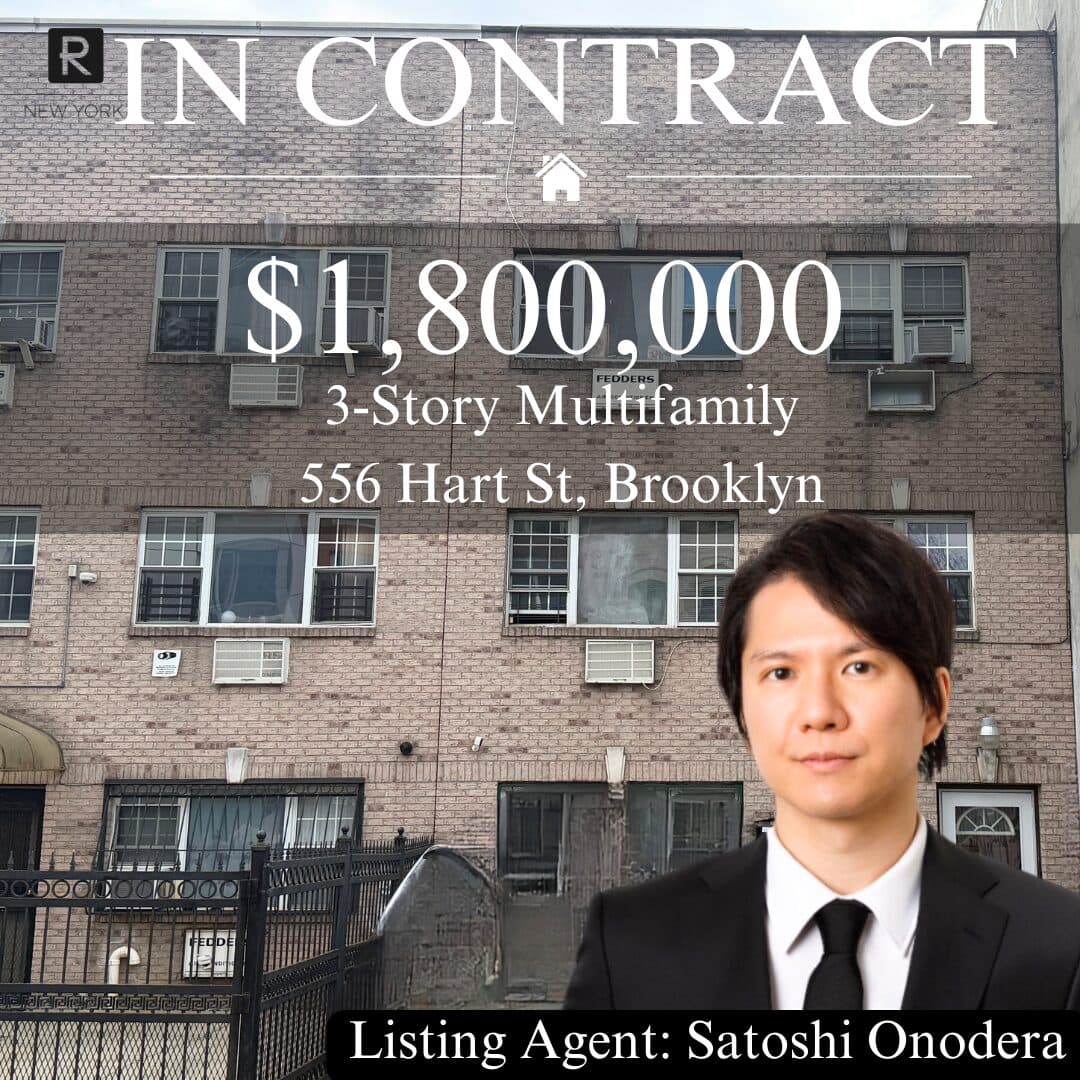
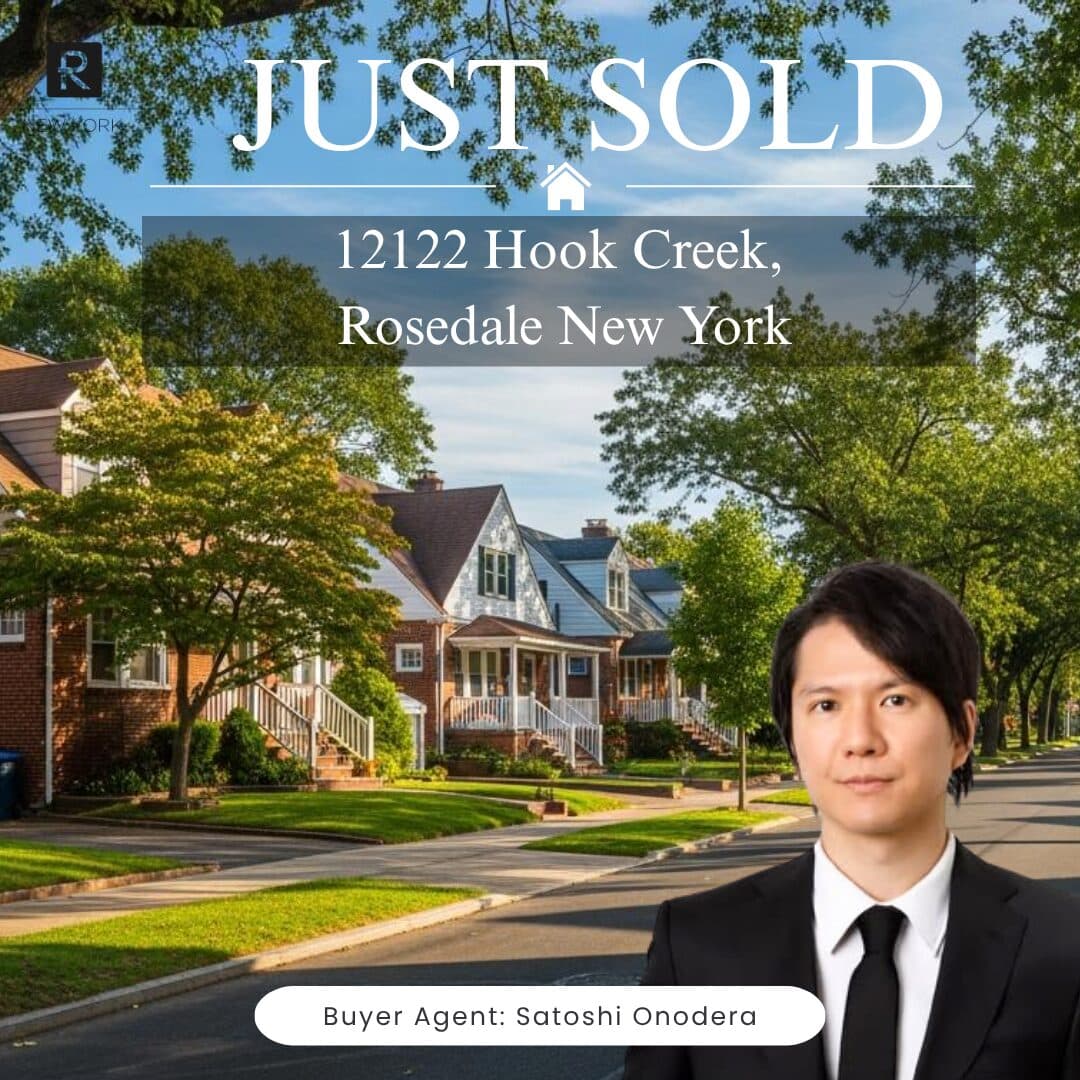
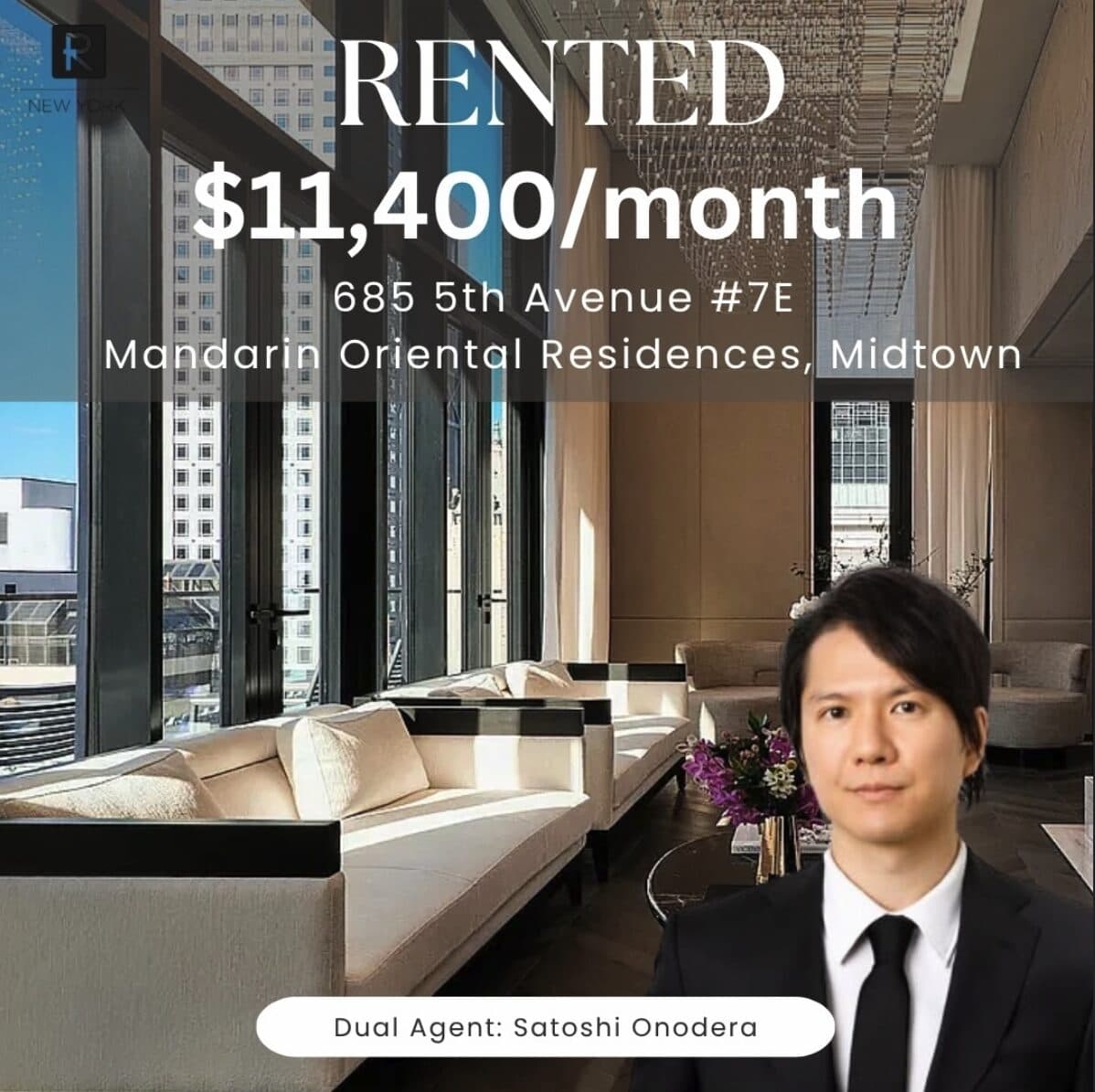
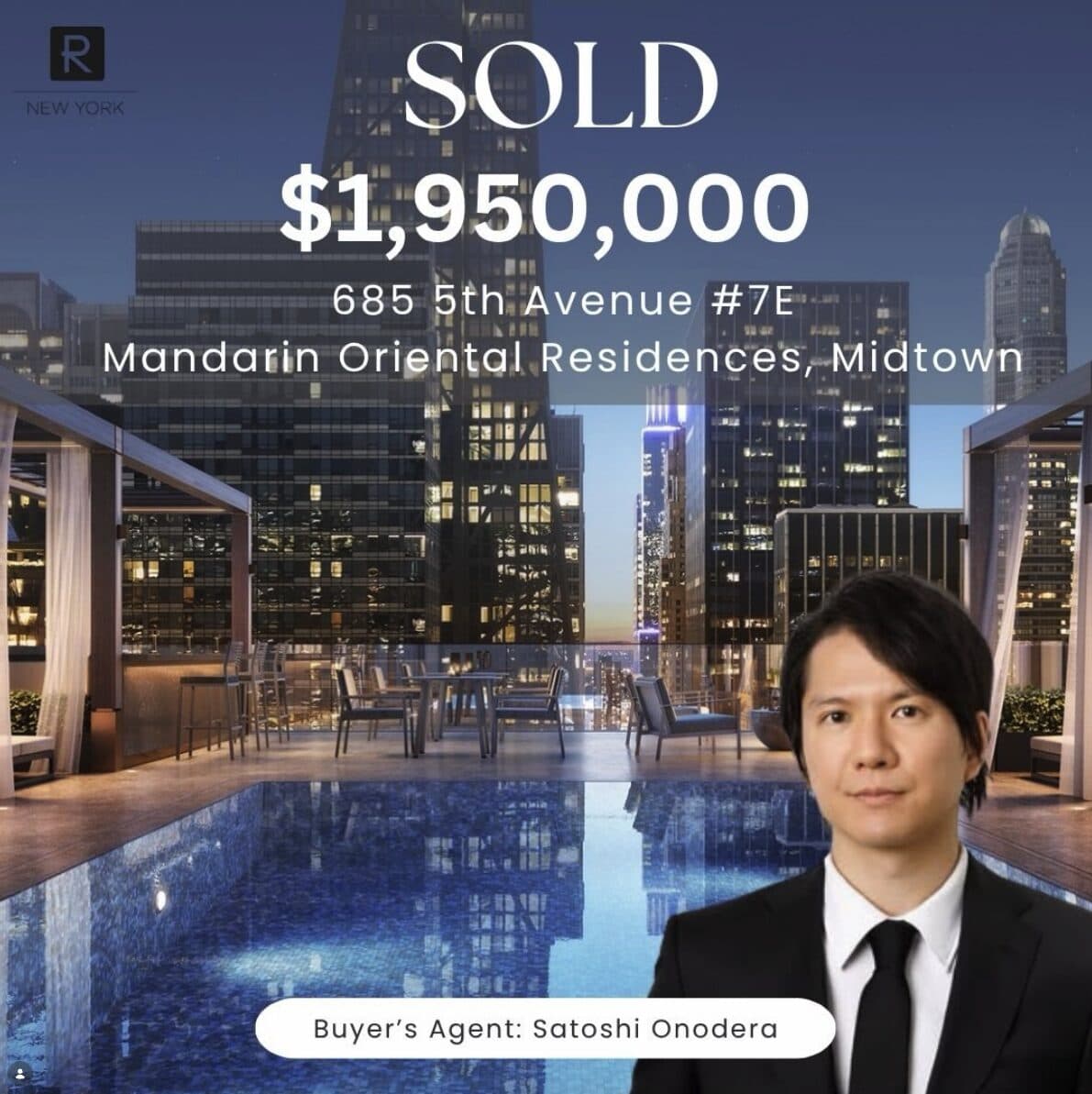
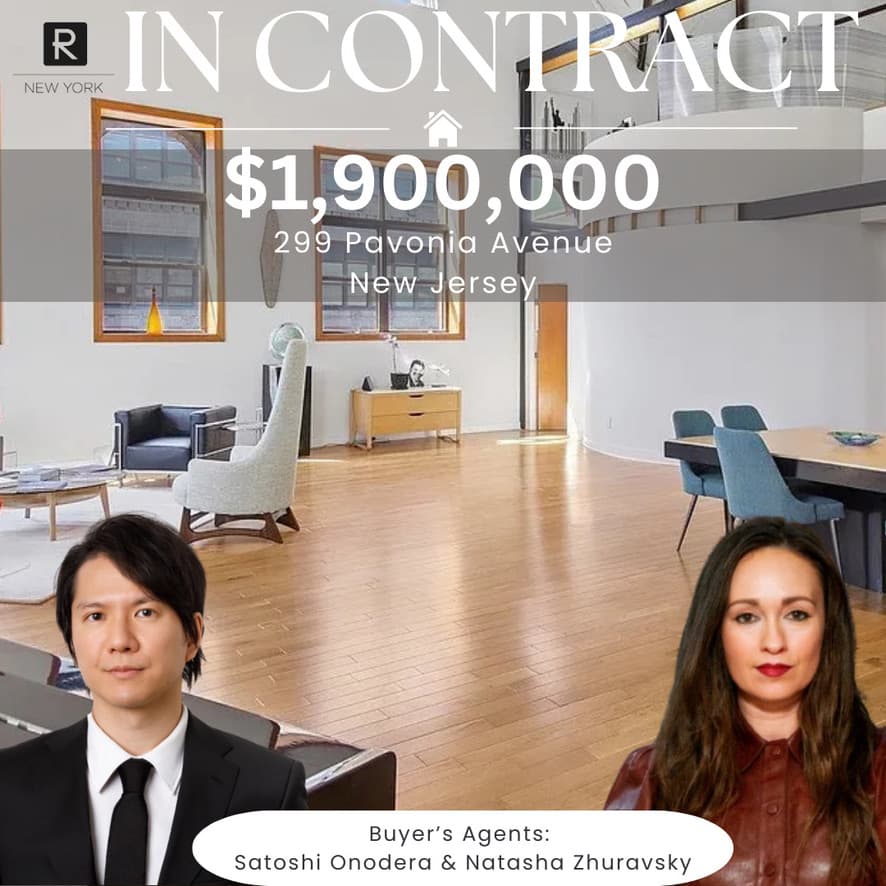
A sample of the sales, purchases and rentals we acted on in 2025 and 2026.
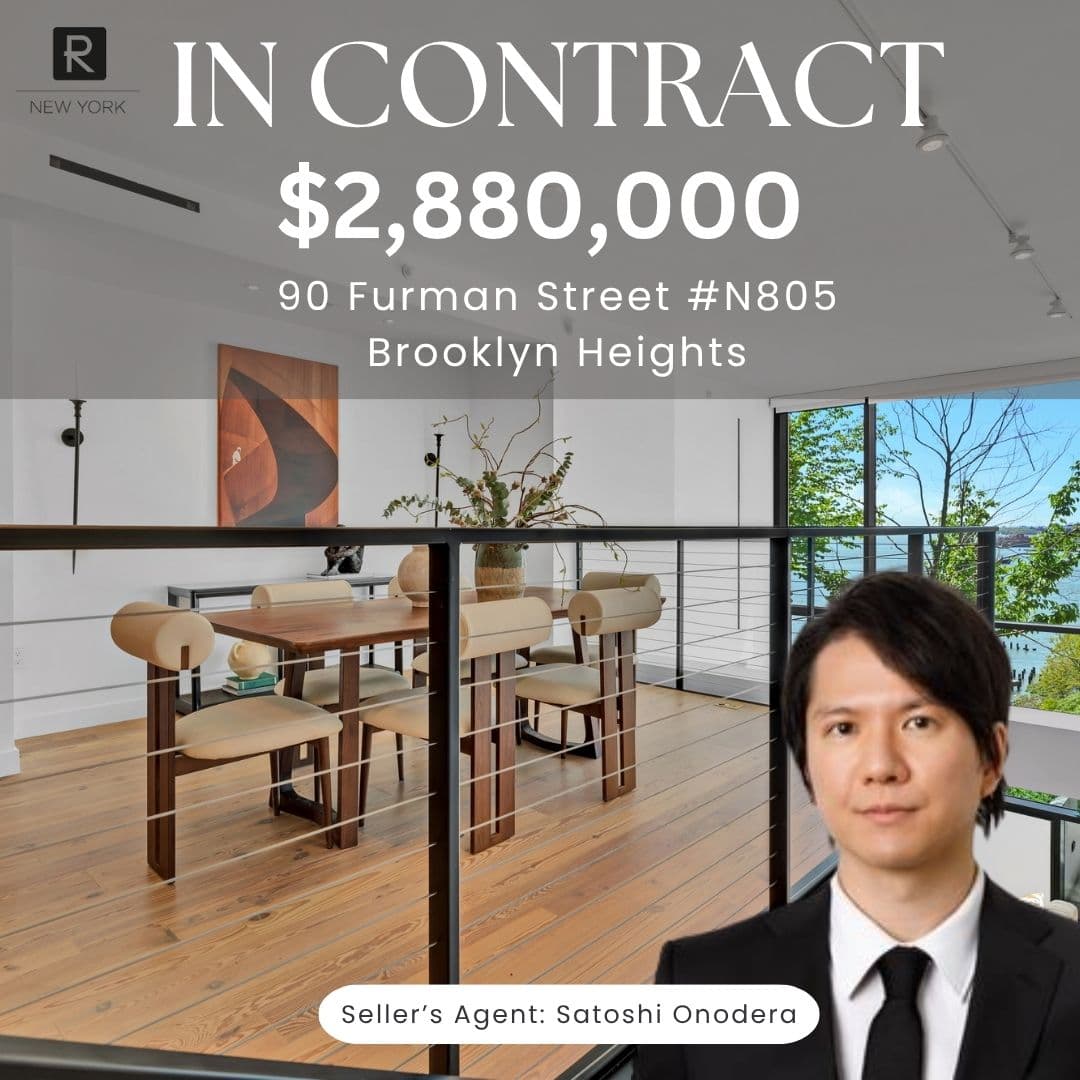
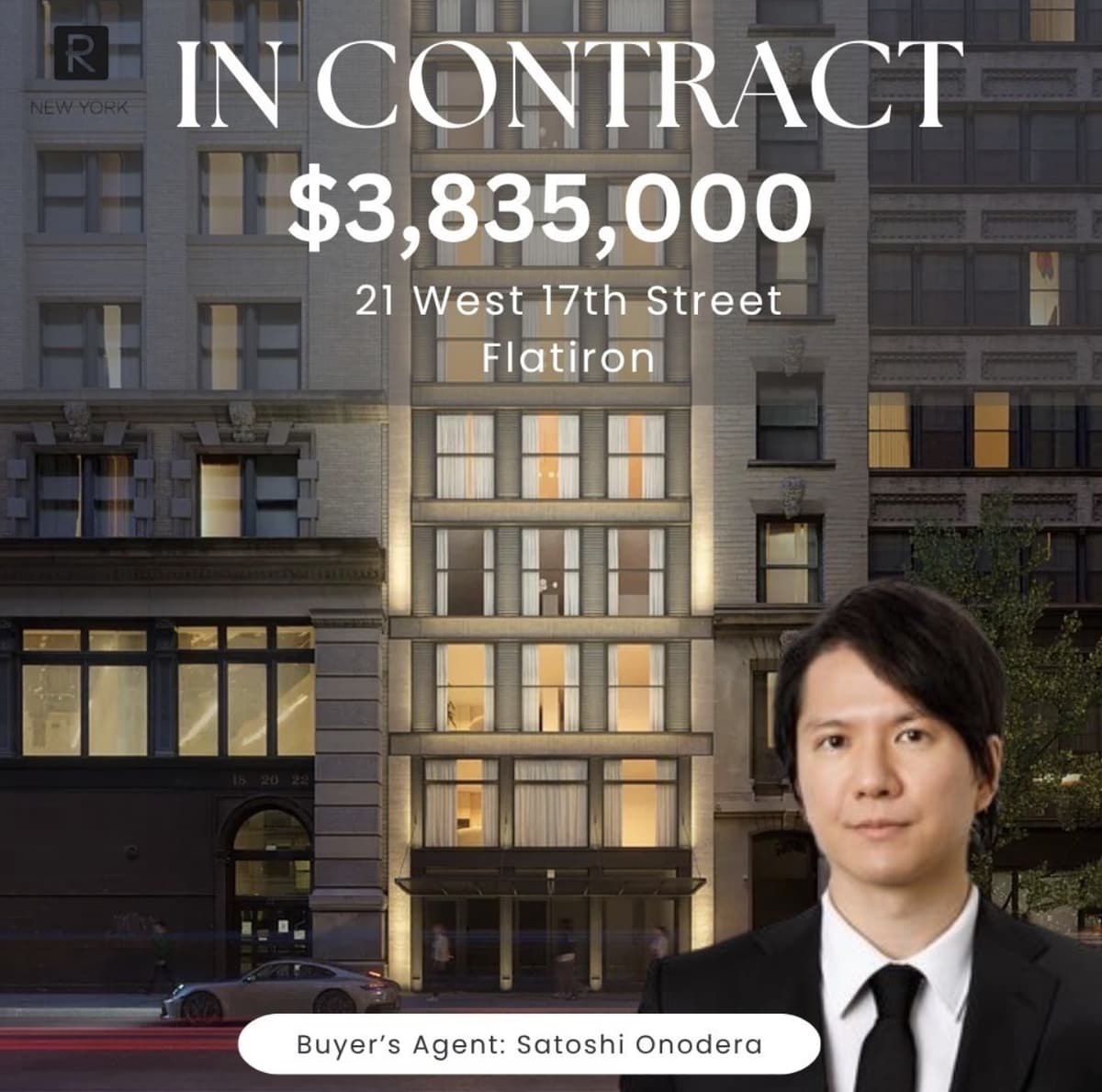
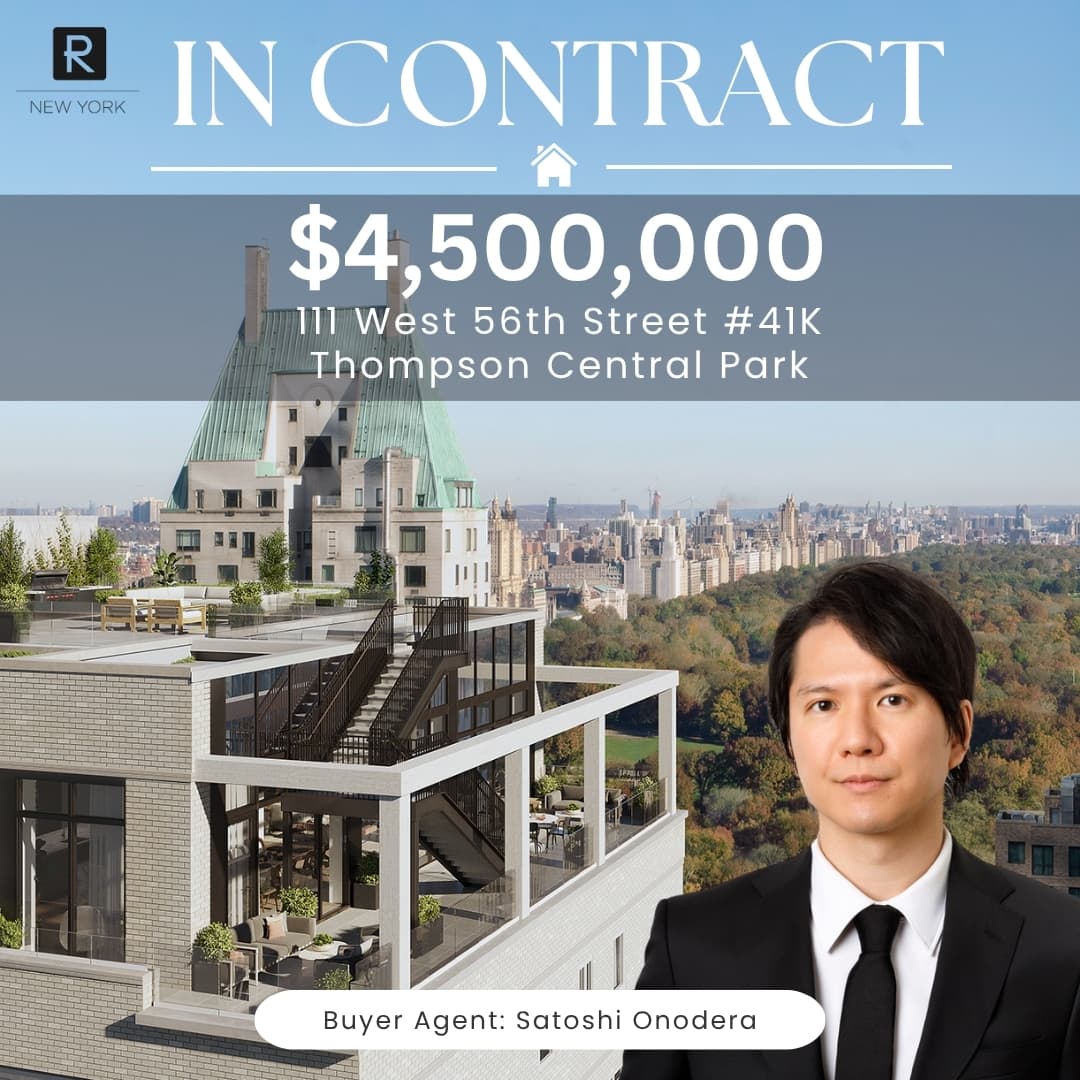
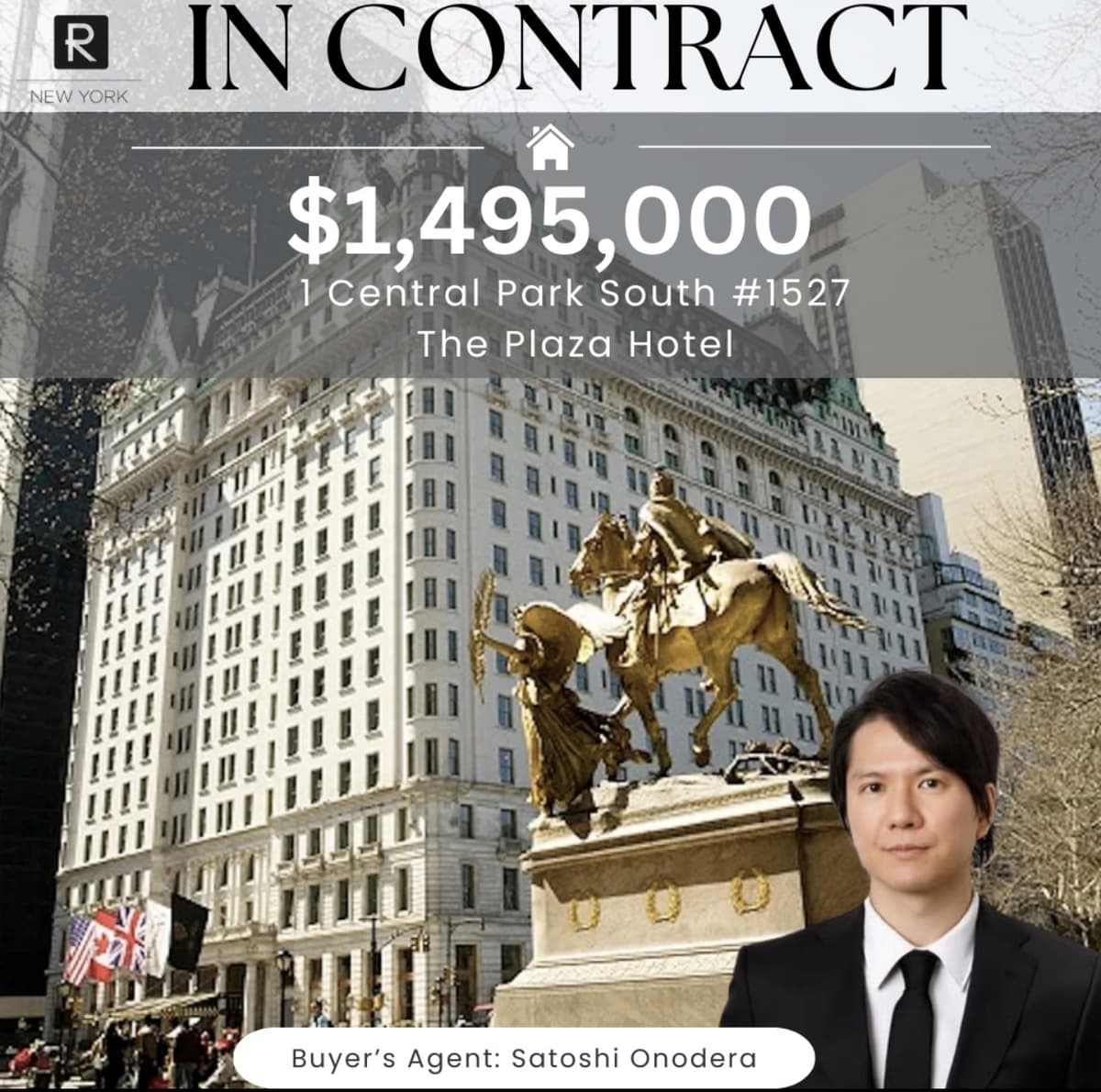
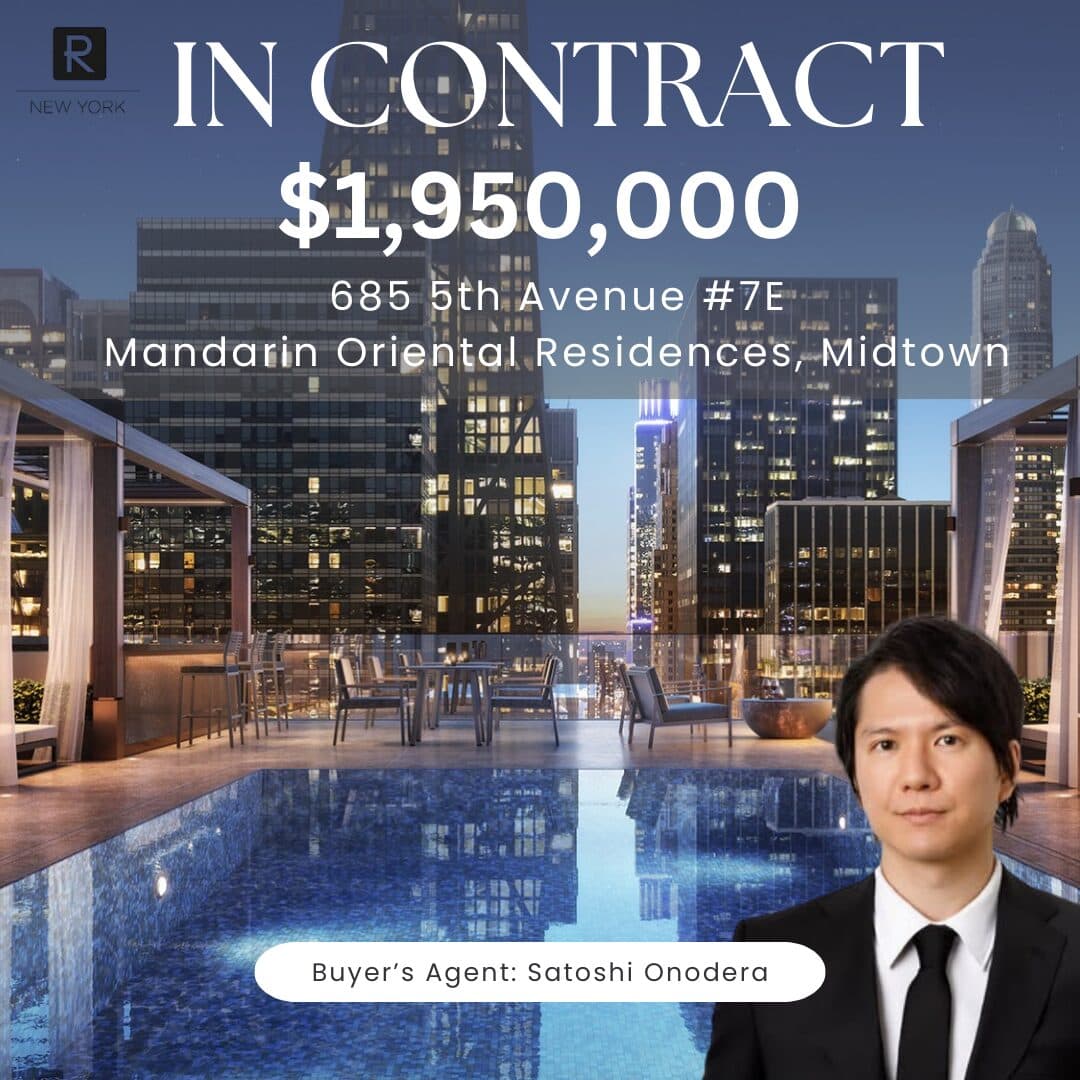
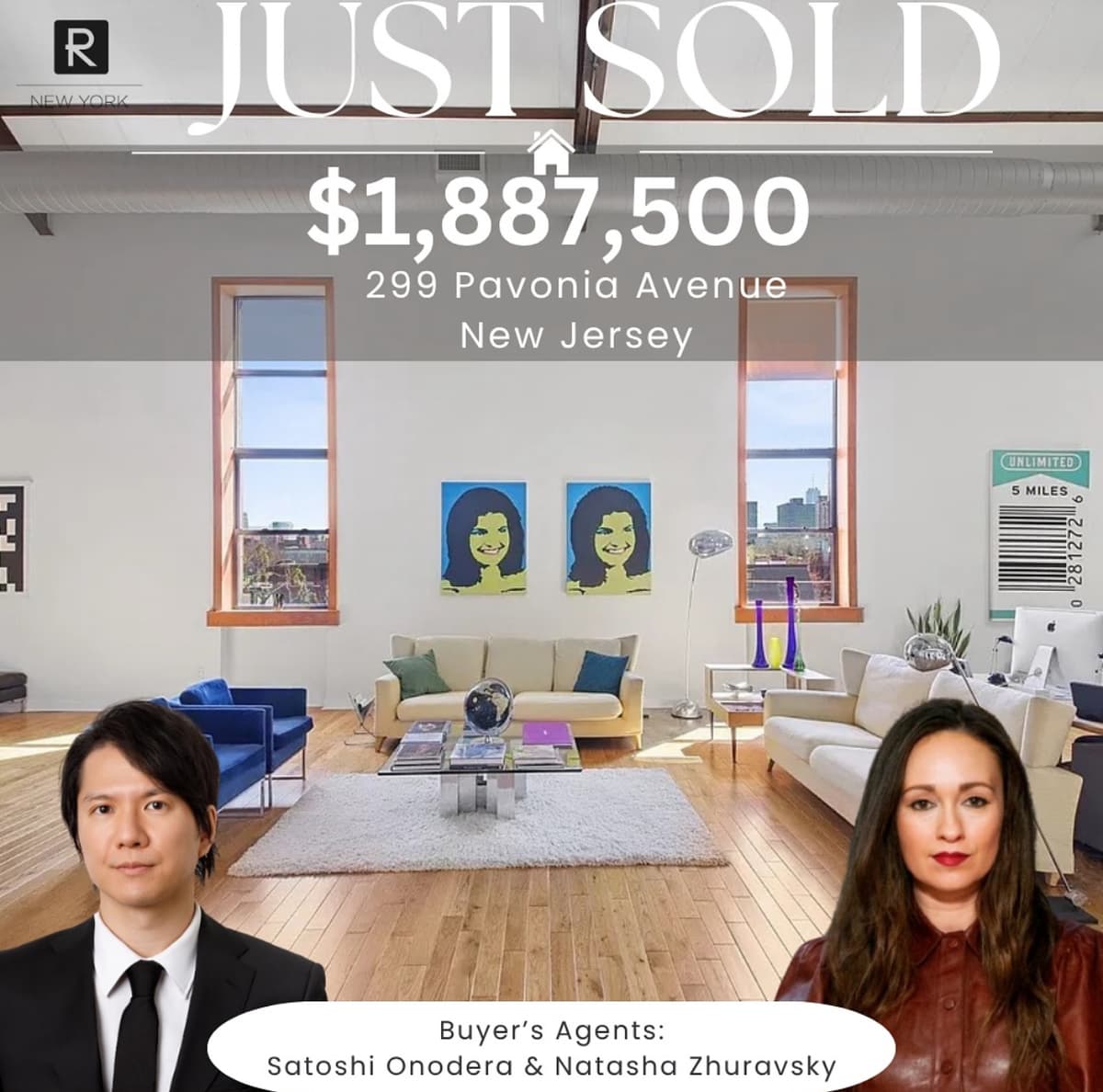
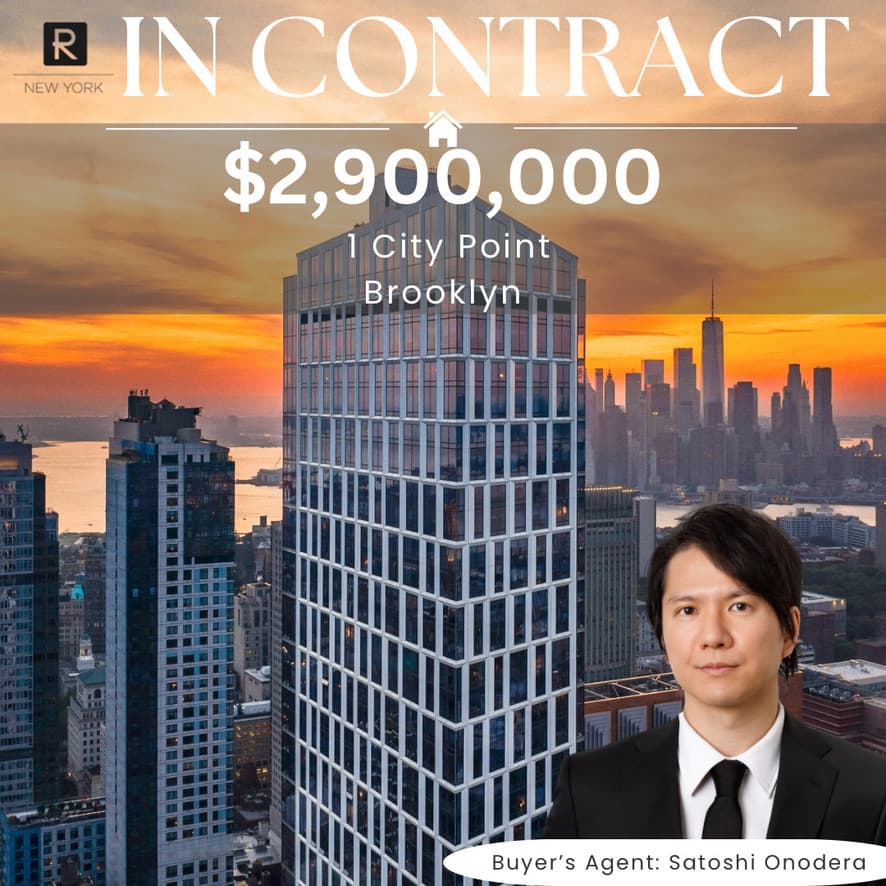
Real estate brokerage services are provided through R New York.
Important notice
The figures on this page are general information as of August 2026 and do not represent an offer, a quote, or a guarantee of any transaction terms. Reinvent NY does not provide legal, tax, or investment advice. Confirm anything material with an attorney and a CPA before you act on it. Nothing here is a solicitation to invest, and no return is promised. Real estate brokerage services are provided through R New York.