
No residency required.
A different order of operations.
The United States places no citizenship condition on property ownership. What changes for an overseas buyer is financing, building approval and the tax on exit — and the sequence in which those are settled.
Before you read on
- General information as of August 2026, not legal or tax advice. Confirm your own position with a CPA and, where relevant, an attorney.
- Property ownership confers no immigration status or benefit of any kind. The two matters are entirely separate.
- Figures are typical market practice rather than rules. Individual lenders and buildings set their own terms.
Step 1Settle the structure before you view anything
The most expensive decision in an international purchase is made before anyone looks at an apartment.
US estate tax reaches non-resident owners on US-situs assets above an exemption of $60,000, against a far larger exemption available to US persons. The vehicle holding the property is the main lever for managing that exposure, and moving a property into an entity after closing can trigger transfer taxes, disturb the mortgage and require a second set of recording costs.
An LLC provides liability separation and clean co-ownership. It does not, by itself, reliably remove estate exposure, because a single-member LLC is generally disregarded for US federal tax purposes. Settle the question with a CPA experienced in non-resident ownership, then instruct the attorney to draw the contract in that name.
Step 2Arrange the money, and the proof of it
The lender assesses home-country income, bank references and assets. Expect 25-30% down, a rate premium of roughly one to two points, and reserves of six to twelve months.
The lender ignores personal income and tests whether the rent covers the debt service. Easier to clear in high-yield markets, difficult in thin-yield coastal cities.
A cash purchase removes the appraisal and financing conditions, strengthens negotiation materially, and leaves a mortgage available against the completed property afterwards.
Every closing verifies where the money came from under anti-money-laundering obligations. Assemble the documentation at the search stage, not when it is requested.
International wires take business days, and many banks apply daily limits requiring advance arrangement for a seven-figure payment.
Confirm wire instructions by voice on a number you already had. Fraudulent instructions sent by email are the one loss neither title insurance nor escrow covers.
Step 3Screen the buildings before you fall for one
In New York this step decides which apartments are genuinely available to you, and it happens before any viewing.
| What to establish | Why it decides your search |
|---|---|
| Condominium or cooperative | Co-op boards vote on buyers; many decline non-residents as policy |
| Non-resident approval history | A candid no from a managing agent saves months |
| Entity ownership permitted | Some buildings will not accept an LLC as purchaser |
| Subletting policy | Decides whether the apartment can be let when you are away |
| Financing cap | Some co-ops permit only 50% financing regardless of your file |
| Reserve balance and assessments | The most common expensive surprise, and knowable in advance |
All six are answerable in writing before a viewing is arranged. Reluctance to answer is itself information.
This is why most international purchases in New York are condominiums. A condo board holds a right of first refusal rather than an approval vote, accepts non-resident and entity ownership as a matter of course, and permits subletting far more freely.
Step 4View, contract and close remotely
None of the remaining steps require you to be in the country. Live video walkthroughs replace attendance, a professional inspection covers the unit, powers of attorney or remote notarization handle signatures, and funds move by international wire. A financed New York purchase typically runs 60 to 90 days from accepted offer to closing, longer where a co-op board review is involved.
Where a power of attorney is executed abroad, it may require consular authentication or an apostille depending on your country. That step routinely takes two to four weeks and is the most common reason an overseas timeline slips. Have your attorney specify the form and the route at the point of engagement rather than in the final fortnight.
Step 5Understand the exit before you enter
On sale, FIRPTA generally requires 15% of the gross sale price to be withheld and remitted to the IRS at closing — not 15% of the gain. It is a payment on account rather than the final tax, and the excess is recovered by filing a US return for the year of sale. Where the expected tax is lower, a withholding certificate can be applied for in advance, but the application takes time and must precede the closing.
Two things make that process work years later: an ITIN obtained early, and clean records of the purchase price, capital improvements and any depreciation claimed. Both are trivial to maintain from the first month and painful to reconstruct at the end.
Yes. There is no citizenship or residency requirement for owning US residential real estate, and foreign owners hold the same property rights as citizens.
No. Property ownership confers no immigration benefit. Anyone with questions about status should consult a licensed attorney in that field.
Typically 25-30% for a foreign national or DSCR loan, plus closing costs of 2-5% for a resale condominium and 4-6% in new development, all in cash.
It depends on the value, your residence and your family situation. The estate exposure above the $60,000 exemption is what usually drives the analysis, and it should be settled before contract.
Wire fraud. Criminals impersonate attorneys by email and redirect closing funds. Verify every instruction by voice on a number you already had.
No. Viewings, signing and closing can all be handled remotely. Most buyers make at most one trip, timed after the shortlist and building diligence are complete.
RELATED GUIDES
Recent transactions
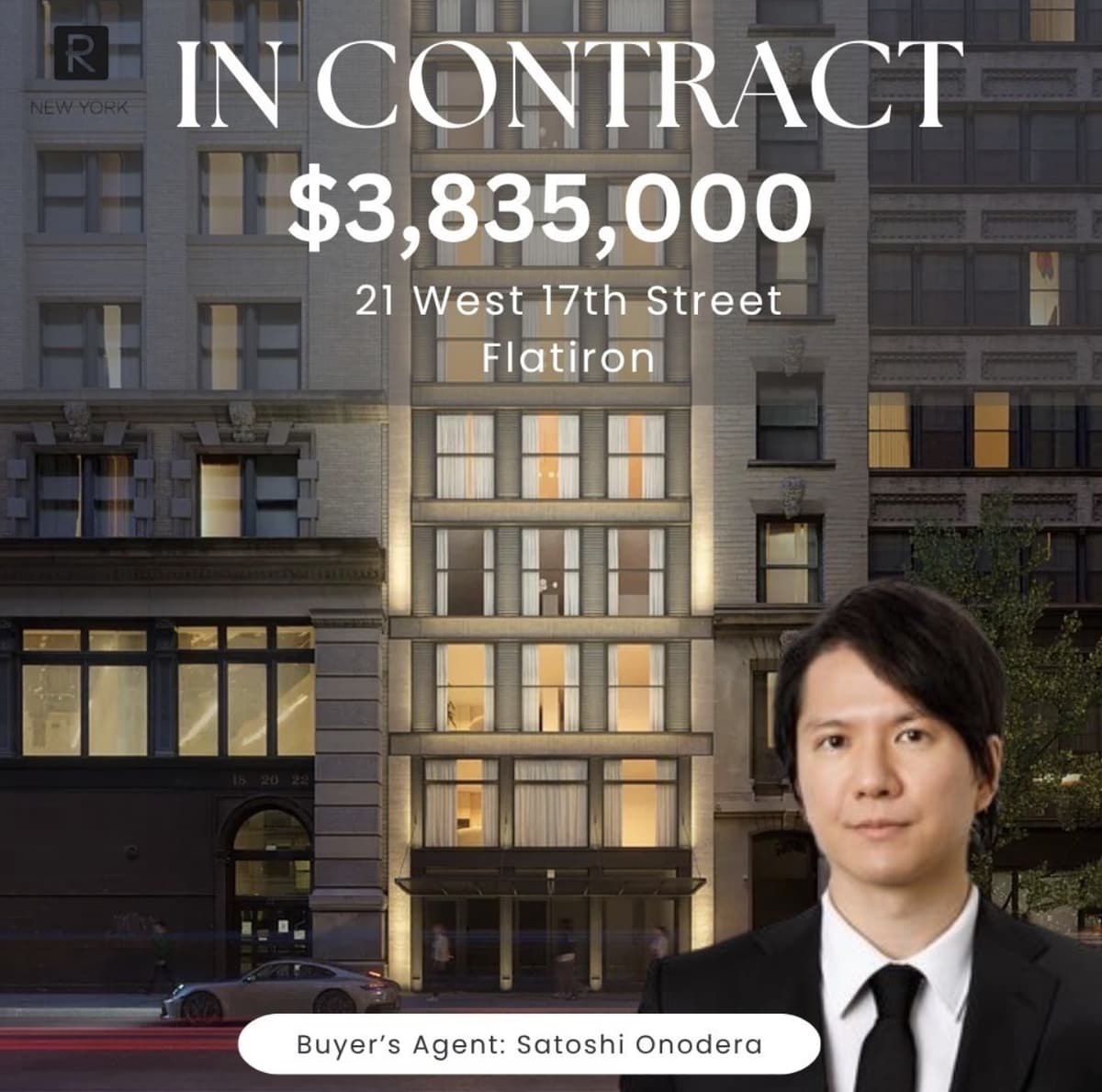
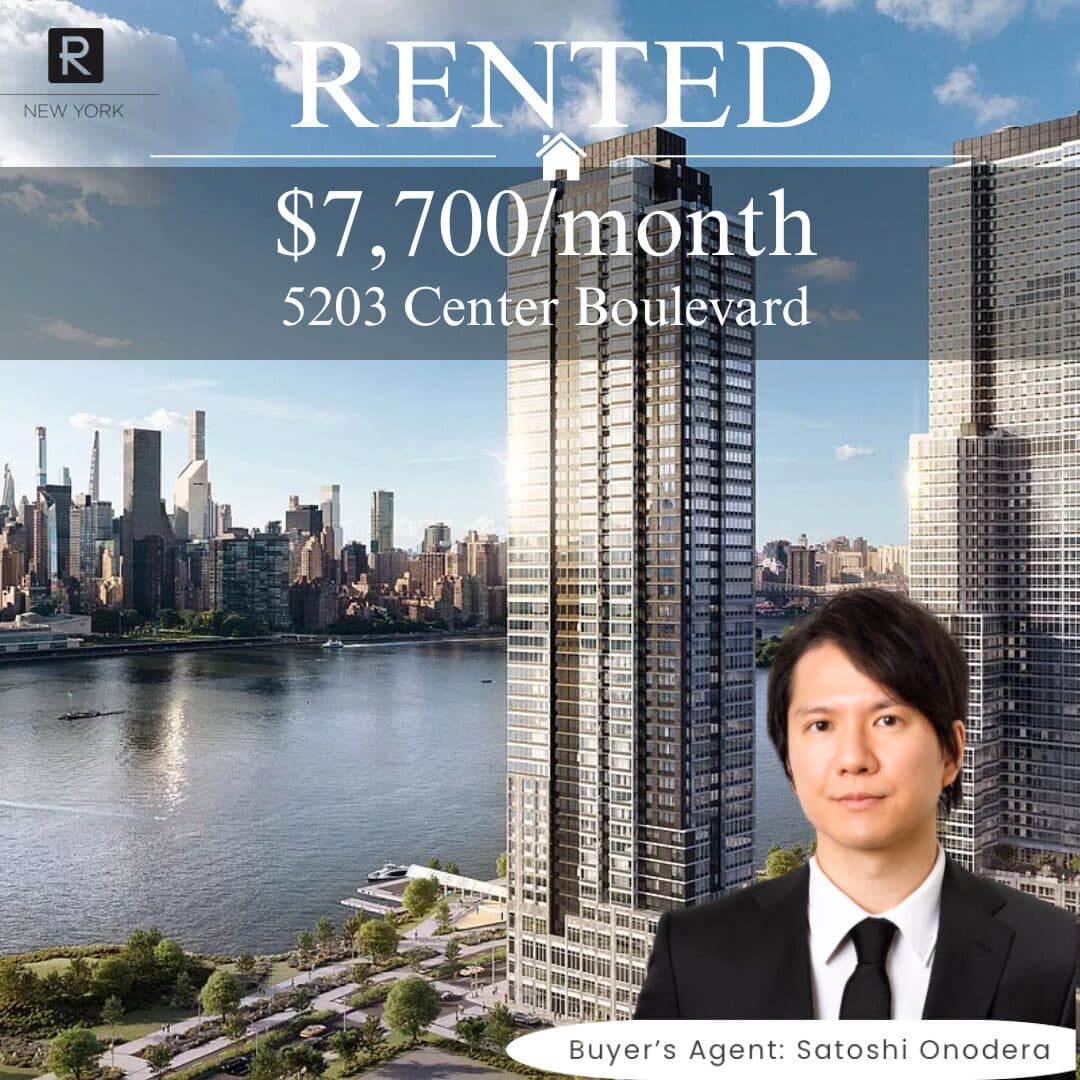
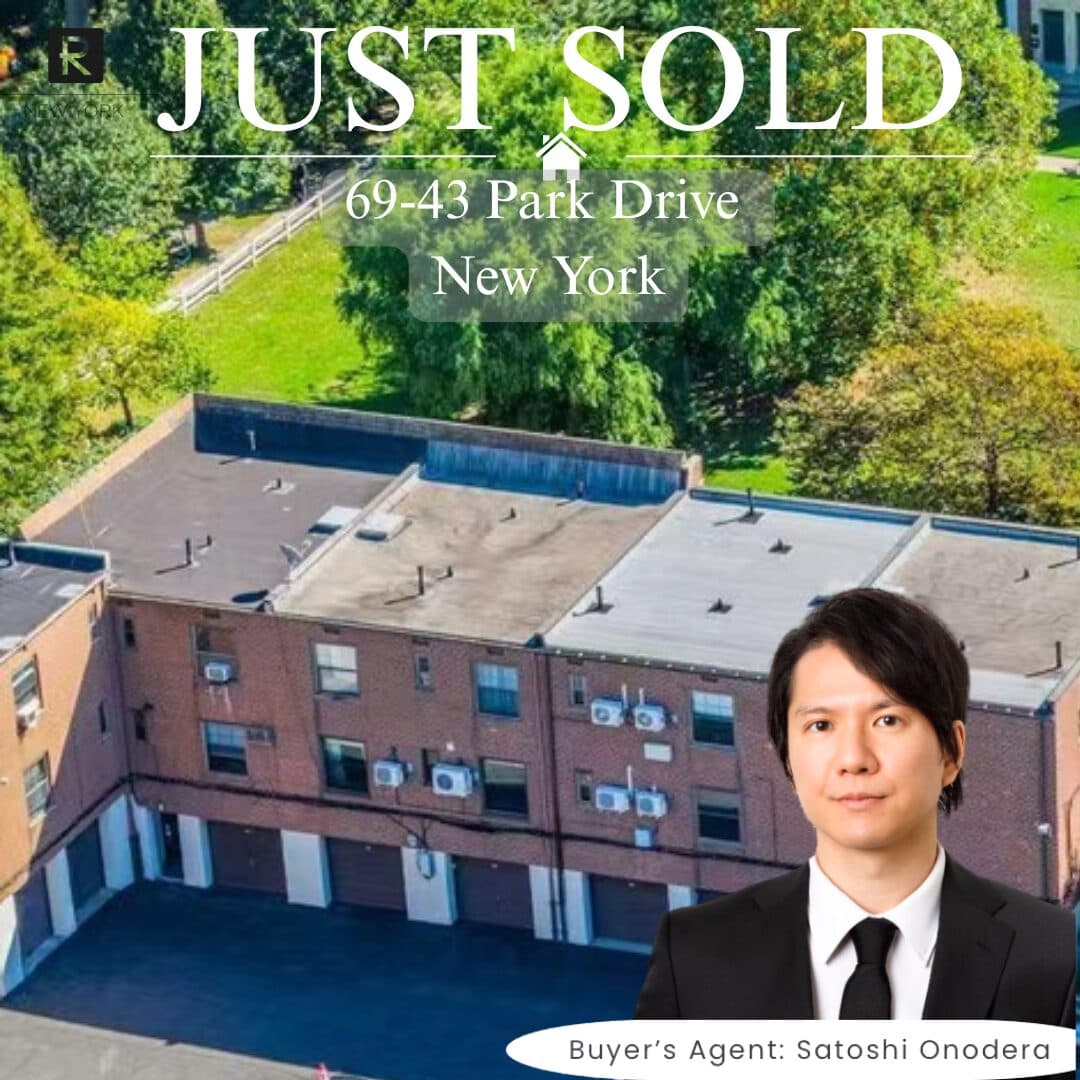
A sample of the sales, purchases and rentals we acted on in 2025 and 2026.

















Real estate brokerage services are provided through R New York.
Let’s talk first
If you are weighing a specific building or budget from abroad, send us the details and we will tell you plainly whether it works.
Important notice
The figures on this page are general information as of August 2026 and do not represent an offer, a quote, or a guarantee of any transaction terms. Reinvent NY does not provide legal, tax, or investment advice. Confirm anything material with an attorney and a CPA before you act on it. Nothing here is a solicitation to invest, and no return is promised. Real estate brokerage services are provided through R New York.