
Price is one of five things
the seller is weighing
An accepted offer in New York binds nobody until contracts are signed. Knowing that changes what you put in the offer and how fast you move afterwards.
Before you read on
- General guidance on customary practice in New York. Terms are negotiable and vary by building and by seller.
- Nothing here is legal advice. The contract itself is drafted and negotiated by attorneys on both sides.
Step 1What an offer is, and what it is not
In most of the United States an accepted offer is a signed contract. In New York it is an agreement to go and write one.
An offer here is submitted in writing — usually by email, with a financial statement attached — and acceptance is a verbal or written yes from the seller. Neither side is bound. The property stays on the market, other buyers can still be shown round, and either party can walk away without penalty until the contract has been signed by both and the deposit has been delivered.
The practical effect is that the days between acceptance and signature are the risky ones. A buyer who takes three weeks to instruct an attorney is a buyer who gets gazumped. A buyer whose attorney is already engaged and whose funds are already in a US account can often sign inside a week, and that speed is itself worth money at the negotiating table.
Step 2The five things a seller is actually weighing
It matters most, but never alone. A seller will routinely take less from a buyer who is certain than more from one who is not, particularly where a chain of their own purchase depends on the date.
All cash beats financed, and financed with a written pre-approval beats financed without one. Attach a financial statement to the offer showing liquid funds and where they sit. Foreign funds still abroad invite questions.
Closing dates are negotiable and often decisive. Sellers with a purchase of their own may need sixty days, or may need six months with a rent-back. Ask what date they want before you name yours.
In a co-op the seller is betting on a board they cannot control. A buyer with two years of post-closing liquidity is a safer bet than a higher offer that the board may reject three months from now.
A financing contingency lets you walk if the loan fails. It protects you and costs you leverage. Waiving it is a real risk — if the loan collapses the deposit is at stake.
A seller's agent will ask who your attorney is and whether you are working with a broker. An unrepresented buyer with no attorney reads as a deal that will not reach the closing table.
Step 3From offer to signed contract, day by day
| Stage | Typical time | Who acts | What can go wrong |
|---|---|---|---|
| Offer submitted with financial statement | Same day | Buyer's agent | No proof of funds, so the offer is not taken seriously |
| Acceptance, in writing | 1–3 days | Seller | Verbal only, and a second buyer appears |
| Deal sheet circulated to both attorneys | 1 day | Agents | Wrong attorney details delay everything by a week |
| Contract drafted and sent | 2–5 days | Seller's attorney | August and late December are slow months |
| Due diligence on the building | 3–7 days | Buyer's attorney | Litigation, underfunded reserves, or a flip tax nobody mentioned |
| Contract signed, 10% deposit wired | 1–2 days | Buyer | Funds still abroad and the wire takes a week |
| Countersigned by seller | 1–3 days | Seller | Until this happens you are still not in contract |
Two to three weeks from acceptance to a fully executed contract is normal. Longer than four weeks and the deal is exposed.
Step 4When there is more than one bidder
New York has no formal sealed-bid process. What usually happens is that the listing agent tells everyone there is interest and sets a deadline for best and final offers. You will rarely be told what the other bids are, and you have no way to verify what you are told.
| Lever | What it costs you | What it is worth to the seller |
|---|---|---|
| Raising the price | Directly, and it must appraise | Obvious, but the least persuasive on its own |
| Shortening the contract window | Requires an attorney on standby | High — it removes the gazumping risk they carry |
| Larger deposit than 10% | Ties up cash until closing | Moderate, and signals seriousness |
| Waiving the financing contingency | Your deposit if the loan fails | High, and only sane if you can close without the loan |
| Taking the seller's closing date | Storage, or a hotel, or a rent-back | Very high when they have their own purchase to fund |
| A short personal letter | Nothing | Occasionally decisive, occasionally ignored |
Keep letters to the facts of your situation. Anything touching on race, religion, national origin, family status or disability creates fair housing exposure for everyone involved and should never appear.
Yes, and in a slower market it is normal. What matters is the evidence behind the number — recent closed sales in the same line of the same building, days on market, and whether the price has already been cut.
No. The listing agent works for the seller and will use your offer to move other buyers. Assume anything you say will be repeated.
Ten per cent of the price is standard in New York, held in the seller's attorney's escrow account until closing. It is not a fee; it goes toward the price.
Until contracts are signed by both sides, yes, and without penalty beyond wasted legal fees. After signing, walking away usually means losing the deposit.
You are not required to have one, but since the 2024 changes to how commission is handled, buyer representation is set out in a written agreement before showings. Read what you sign, including how the fee is paid if the seller does not offer one.
Let’s talk first
Send us the listing you are considering and we will come back with the comparable sales, what we would offer, and how the contract window should be run.
RELATED GUIDES
Recent transactions
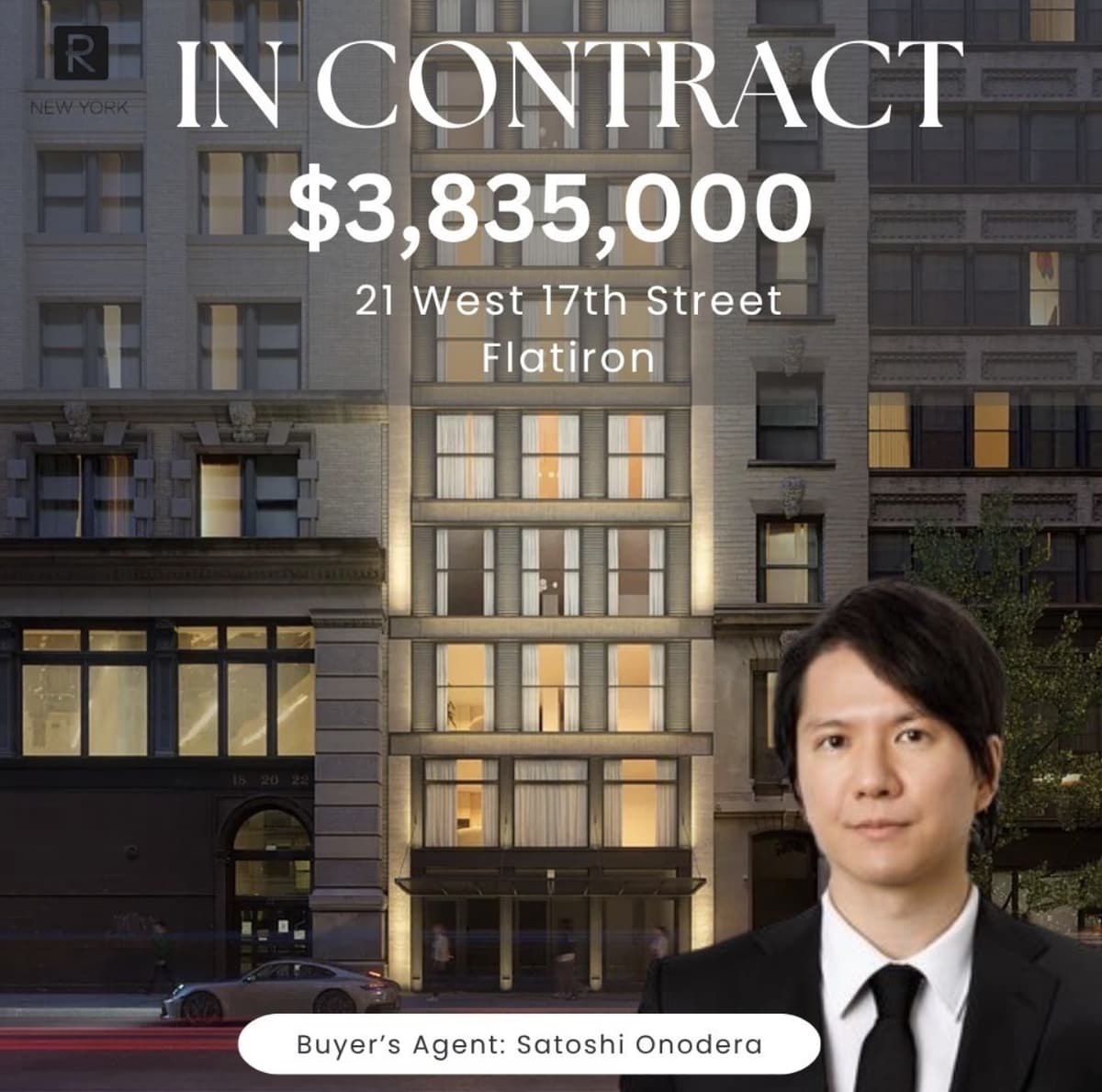
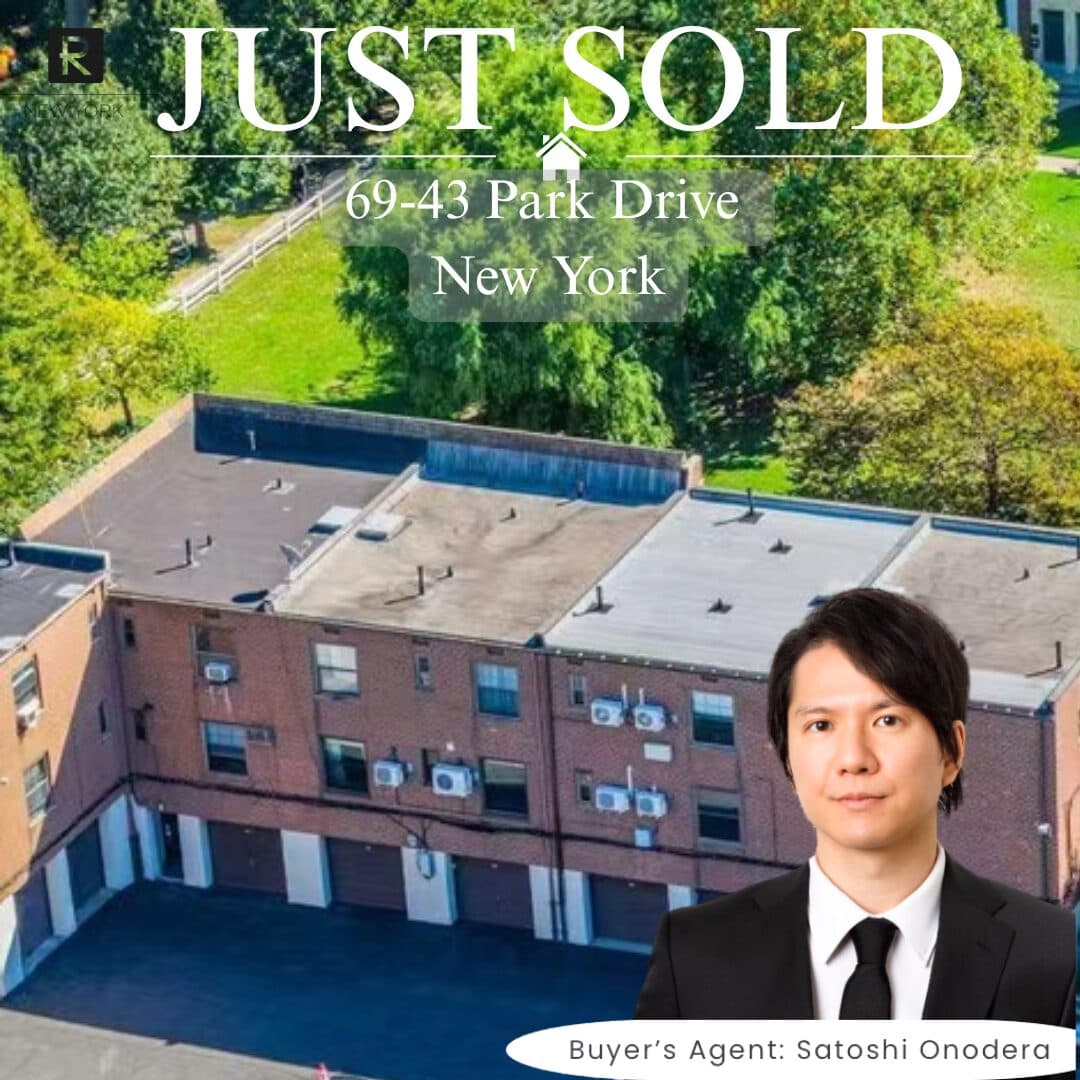
A sample of the sales, purchases and rentals we acted on in 2025 and 2026.


















Real estate brokerage services are provided through R New York.
Important notice
The figures on this page are general information as of August 2026 and do not represent an offer, a quote, or a guarantee of any transaction terms. Reinvent NY does not provide legal, tax, or investment advice. Confirm anything material with an attorney and a CPA before you act on it. Nothing here is a solicitation to invest, and no return is promised. Real estate brokerage services are provided through R New York.