
The board can say no
and need not say why
A co-op purchase has a second buyer to satisfy after the seller: a board of residents who vote in private, apply their own ratios, and give no reasons.
Before you read on
- Every co-op sets its own requirements. The figures below are common practice in Manhattan and Brooklyn, not rules.
- Boards may not discriminate on any basis protected by federal, state or city fair housing law. They may decline on financial grounds, and they need not explain themselves.
Step 1What you are actually buying
Not real property. Shares in a corporation, and a proprietary lease that lets you occupy an apartment.
Roughly three quarters of the apartments in Manhattan are co-ops. The building is owned by a corporation; you buy shares allocated to a unit and receive a lease from the corporation. Because your neighbours are shareholders in the same company, whose balance sheet your maintenance payments support, they are given the right to approve who joins them.
That right is the whole difference. It is why co-ops trade at a discount to comparable condominiums, why most of them are effectively closed to buyers who will not live in the unit, and why a purchase takes two to four months rather than six weeks.
Step 2What goes into the package
A full schedule of assets and liabilities, signed. Every number has to be supported by a document elsewhere in the package, and the totals have to agree.
Federal returns with all schedules. Foreign returns are usually accepted with a certified English translation, but the board will read them slowly.
Two to three months for every account listed. Large recent deposits will be questioned and need an explanation in writing.
A letter on letterhead confirming role, start date and salary. The self-employed provide an accountant's letter instead.
Two or three personal and two professional, addressed to the board. Generic letters are obvious and count for nothing; specific ones from people who know the building's world count for a great deal.
The commitment letter, the recognition agreement signed by your lender, and the appraisal. Not every lender will sign a recognition agreement, which is why co-op financing is arranged with a co-op lender.
Step 3The ratios boards apply
| Test | Common threshold | Stricter buildings | What it means |
|---|---|---|---|
| Down payment | 20–25% | 50%, occasionally 100% | Financing limits are set by the building, not the bank |
| Debt-to-income | 25–28% of gross | 20% | Maintenance plus loan payment against income |
| Post-closing liquidity | 12–24 months of costs | 24–36 months | Cash left after closing, the most common reason for rejection |
| Net worth | 1–2× the price | 3× | Often unwritten and applied anyway |
| Pied-à-terre use | Case by case | Prohibited | Ask before you offer, not after |
| Subletting | After 1–2 years, capped | Never | Decisive for anyone who may be posted elsewhere |
| Gifts toward the price | Often not permitted | Never | Parental help has to be structured carefully |
| Purchase by an entity or trust | Rarely permitted | Never | This is what rules co-ops out for most overseas buyers |
Ask the listing agent for the building's requirements before making an offer. They are knowable in advance and no part of this should be a surprise in month two.
Step 4The interview, and the timetable
| Stage | Typical time | Notes |
|---|---|---|
| Assemble the package | 2–4 weeks | Longer with foreign documents and translations |
| Managing agent reviews for completeness | 3–10 days | An incomplete package is returned, and the clock restarts |
| Board review | 2–4 weeks | Some boards meet monthly, which sets the pace |
| Interview | 20–45 minutes | Usually evenings, in the building; attendance is expected in person |
| Decision | 1–7 days after | Approved, declined, or approved with conditions such as extra escrow |
| Closing | 2–3 weeks after approval | Total from contract: two to four months |
The interview is not an examination of your finances — those were decided on paper before you walked in. It is a check on whether you understood what you applied for. Know the maintenance figure, know whether there is an assessment running, be clear about who will live there, and do not negotiate, ask about renovations, or mention plans to sublet. Answer what is asked, briefly, and stop.
Yes. Boards are not required to explain a decision, and most deliberately do not. They may not decline on a basis protected by fair housing law, but the absence of a stated reason makes that hard to test.
Some buildings allow it and most make it difficult — through a US income requirement, a ban on pied-à-terre use, or a refusal to accept assets held abroad. If you are buying from outside the US, condominiums are the practical market.
A transfer fee paid to the corporation on sale, commonly 1–3% of the price or a percentage of profit. It is usually the seller's cost, and it is set out in the building's documents.
The contract is normally conditioned on board approval, so the deposit is returned. You lose the legal fees, the application fees and the months.
A complete, consistent, well-ordered package does more than anything else. Most rejections are financial, and the rest are packages that gave the board a reason to doubt the paperwork.
Let’s talk first
Tell us the building you are looking at and we will find out its financial requirements and sublet policy before you make an offer.
RELATED GUIDES
Recent transactions
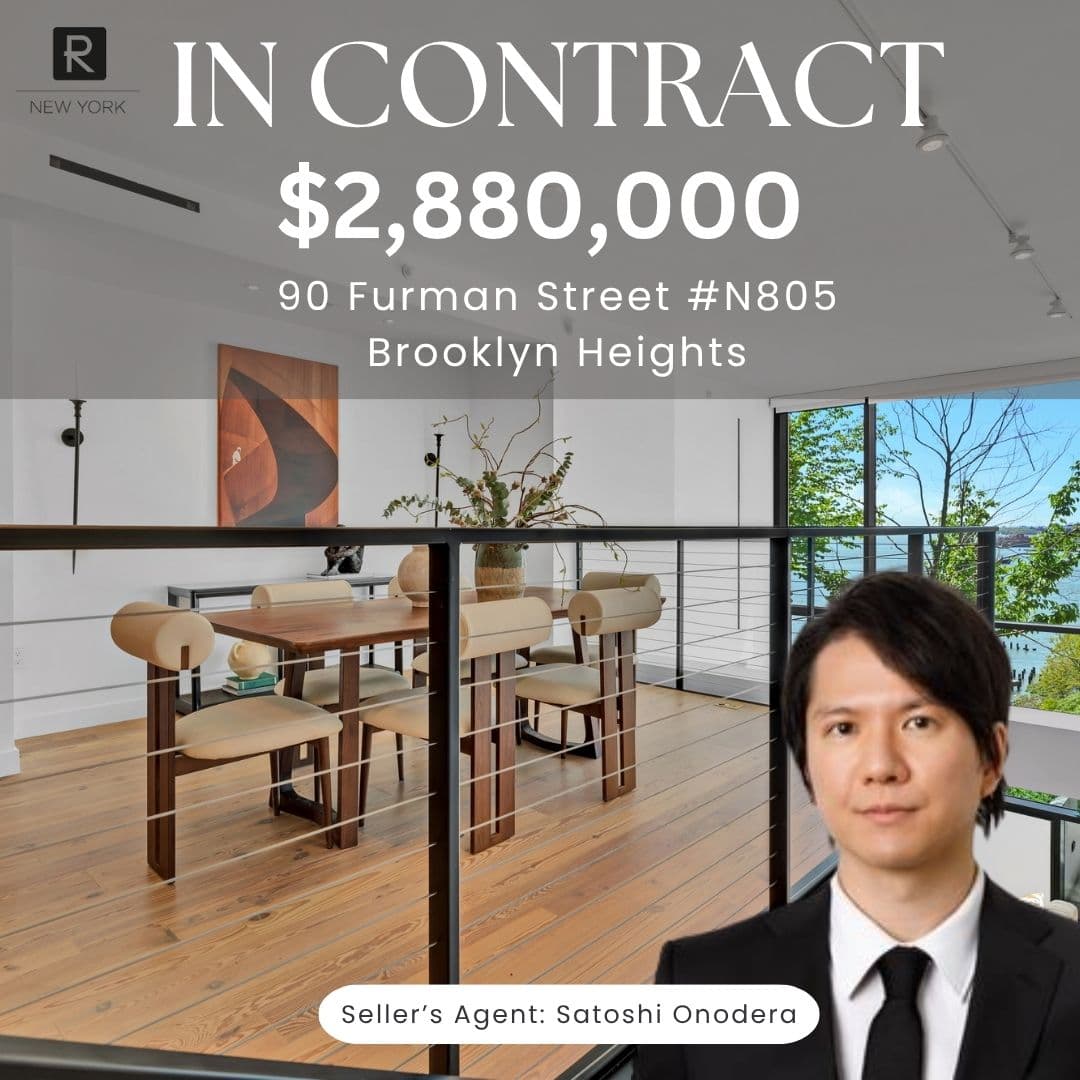
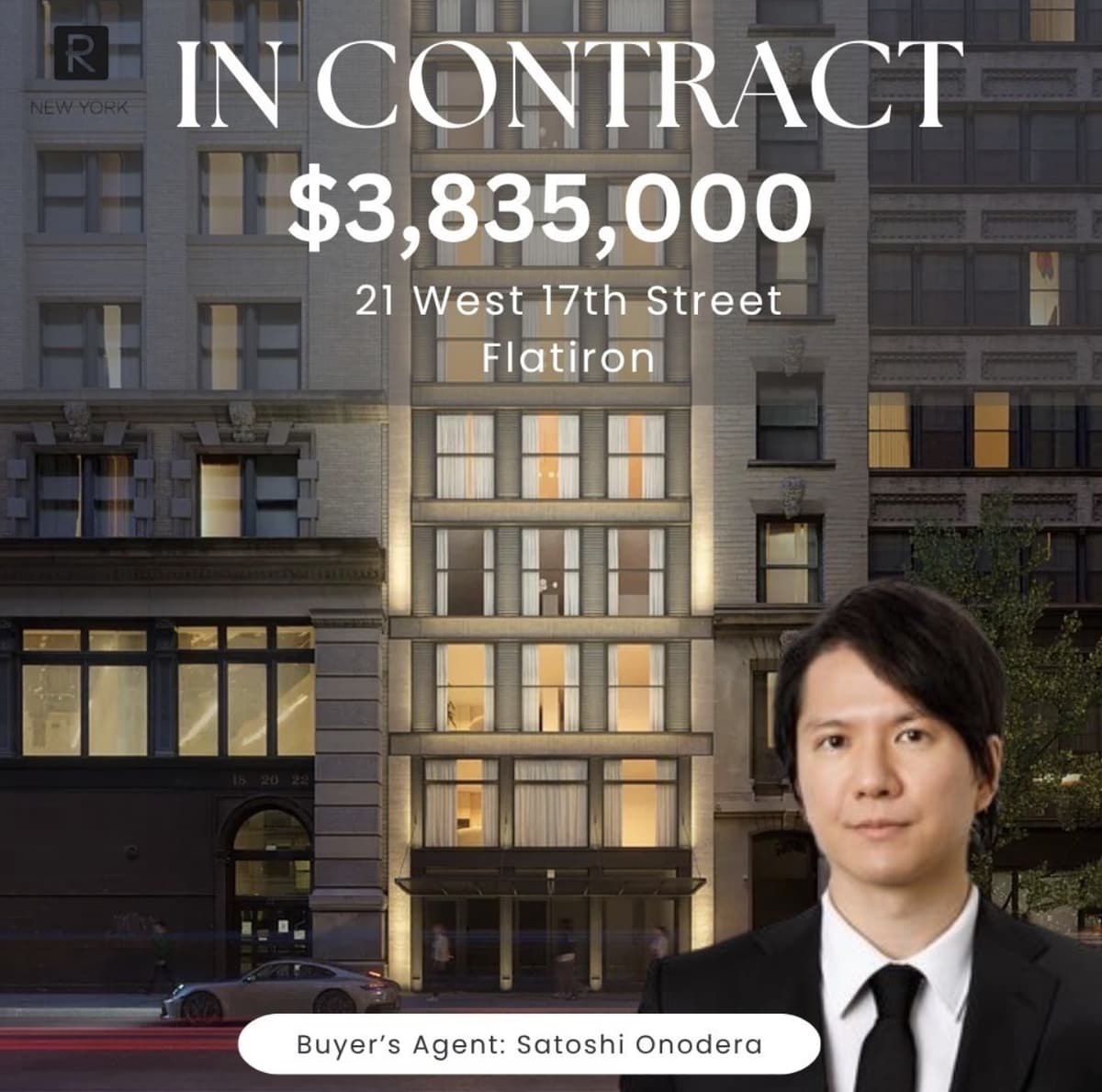
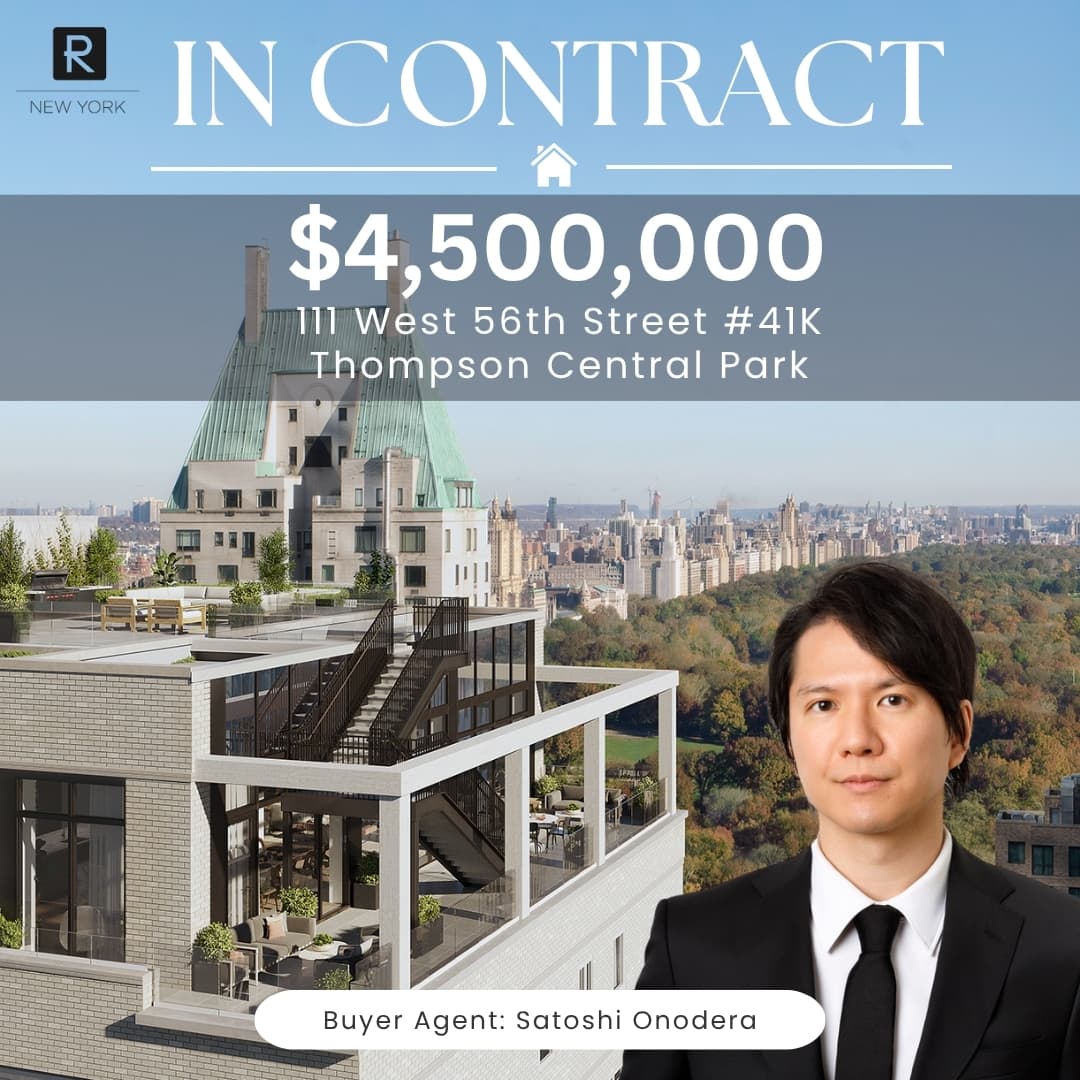
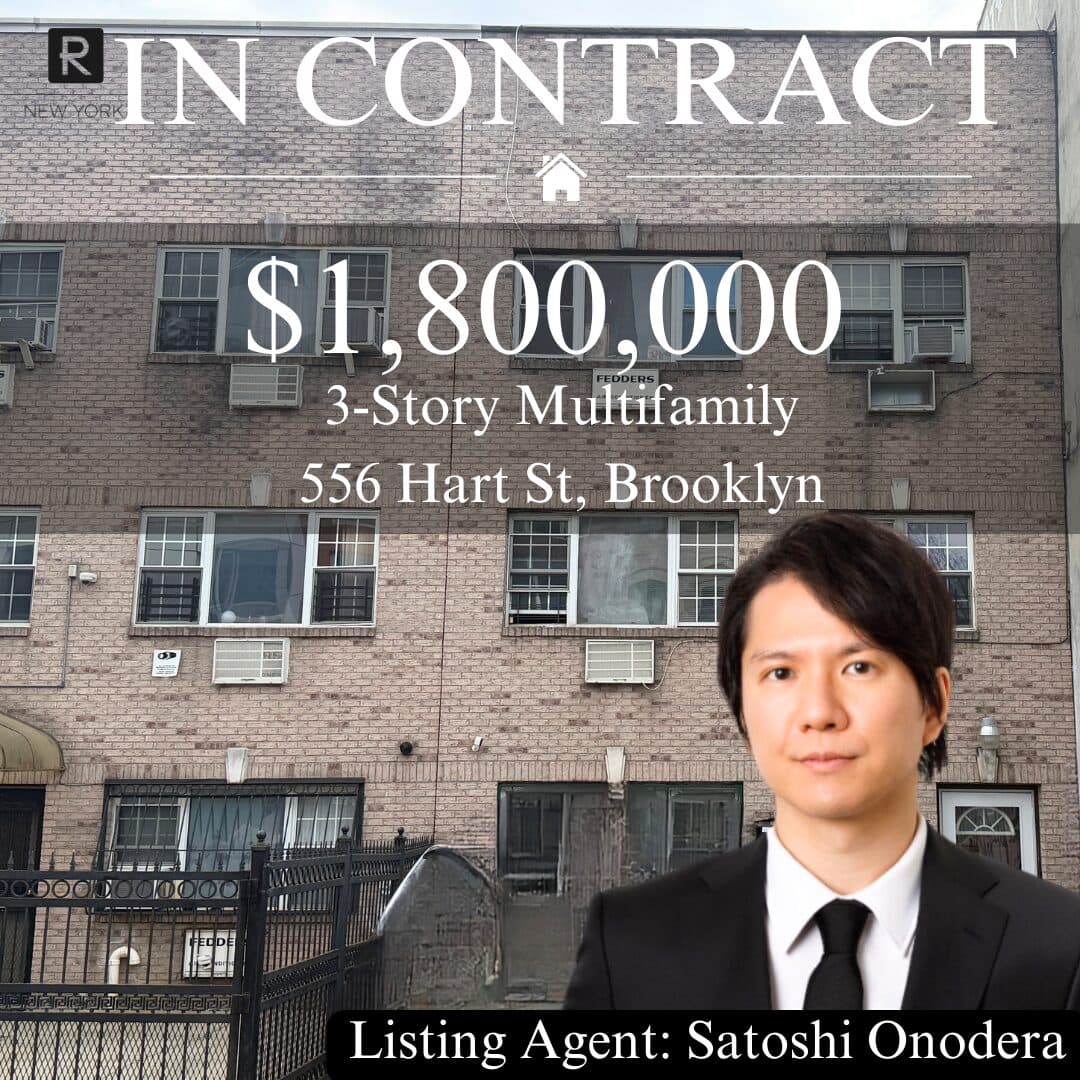
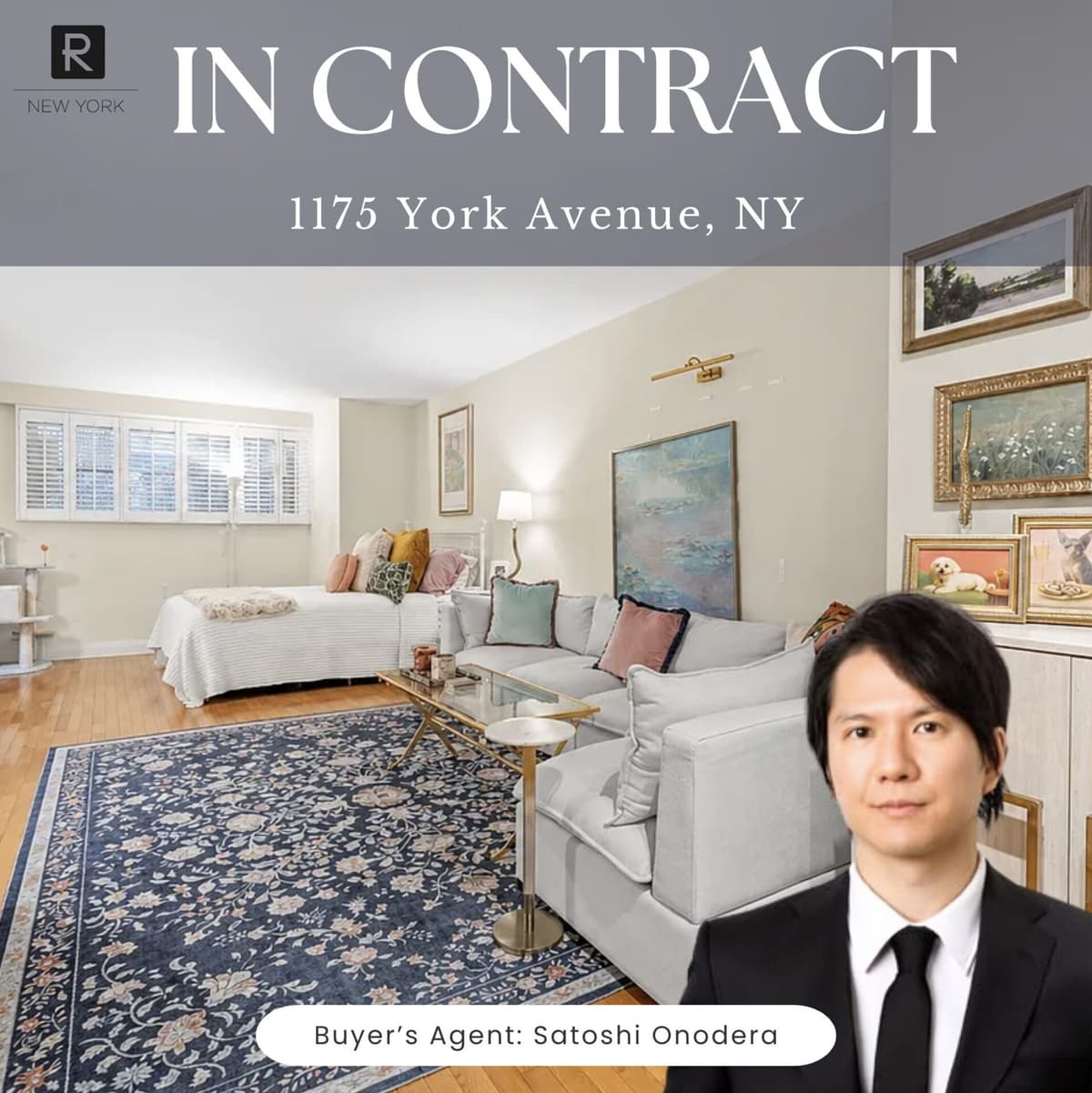
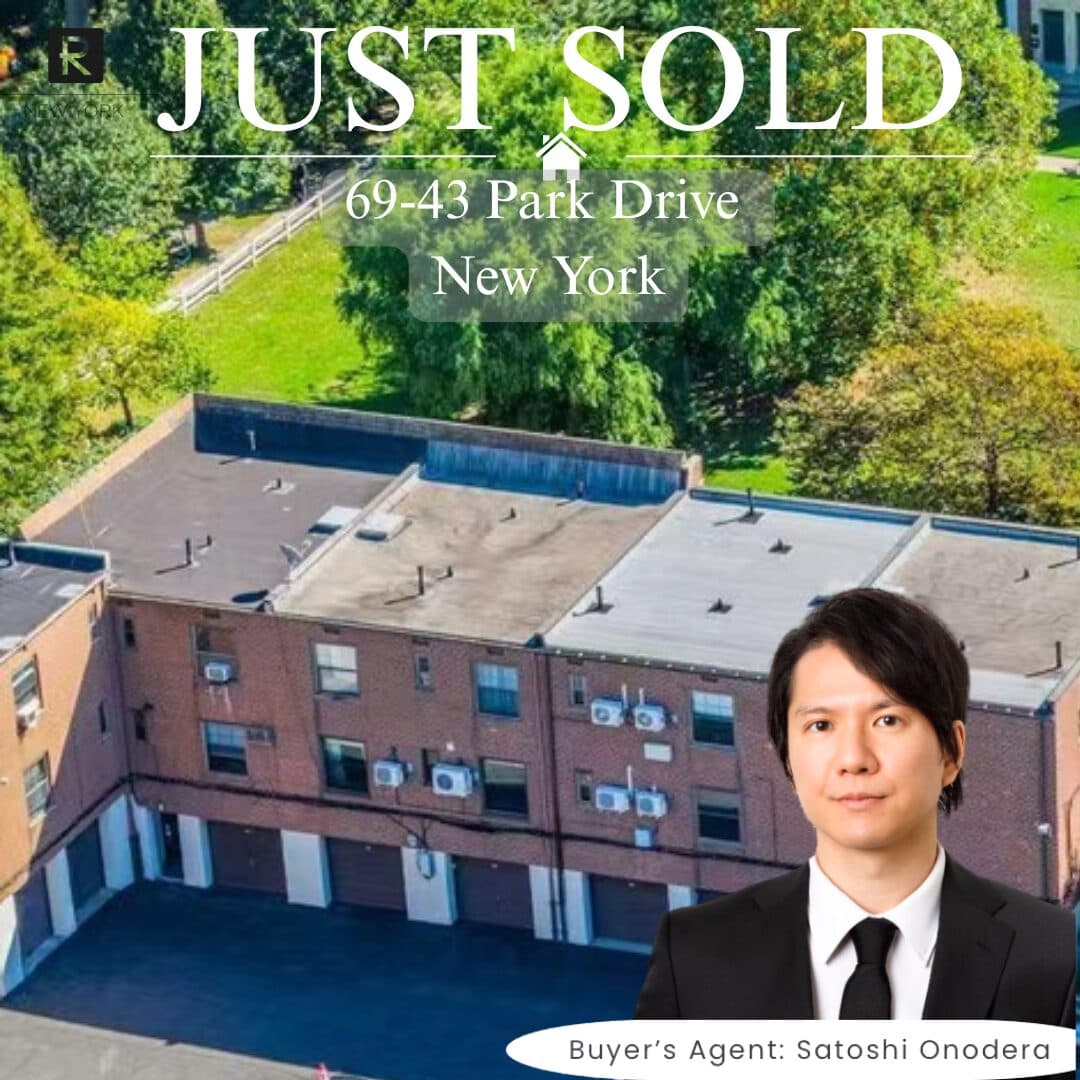
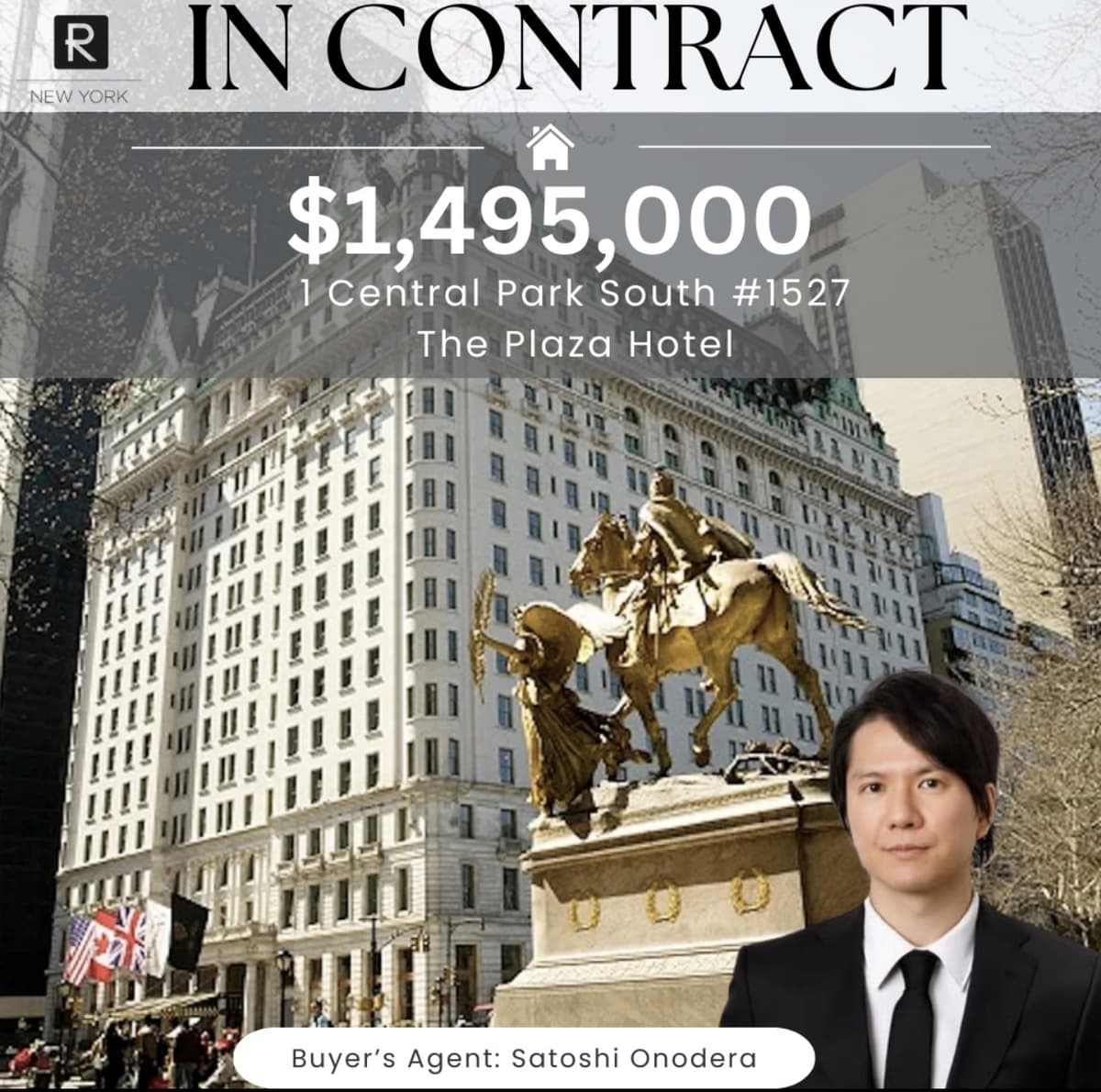
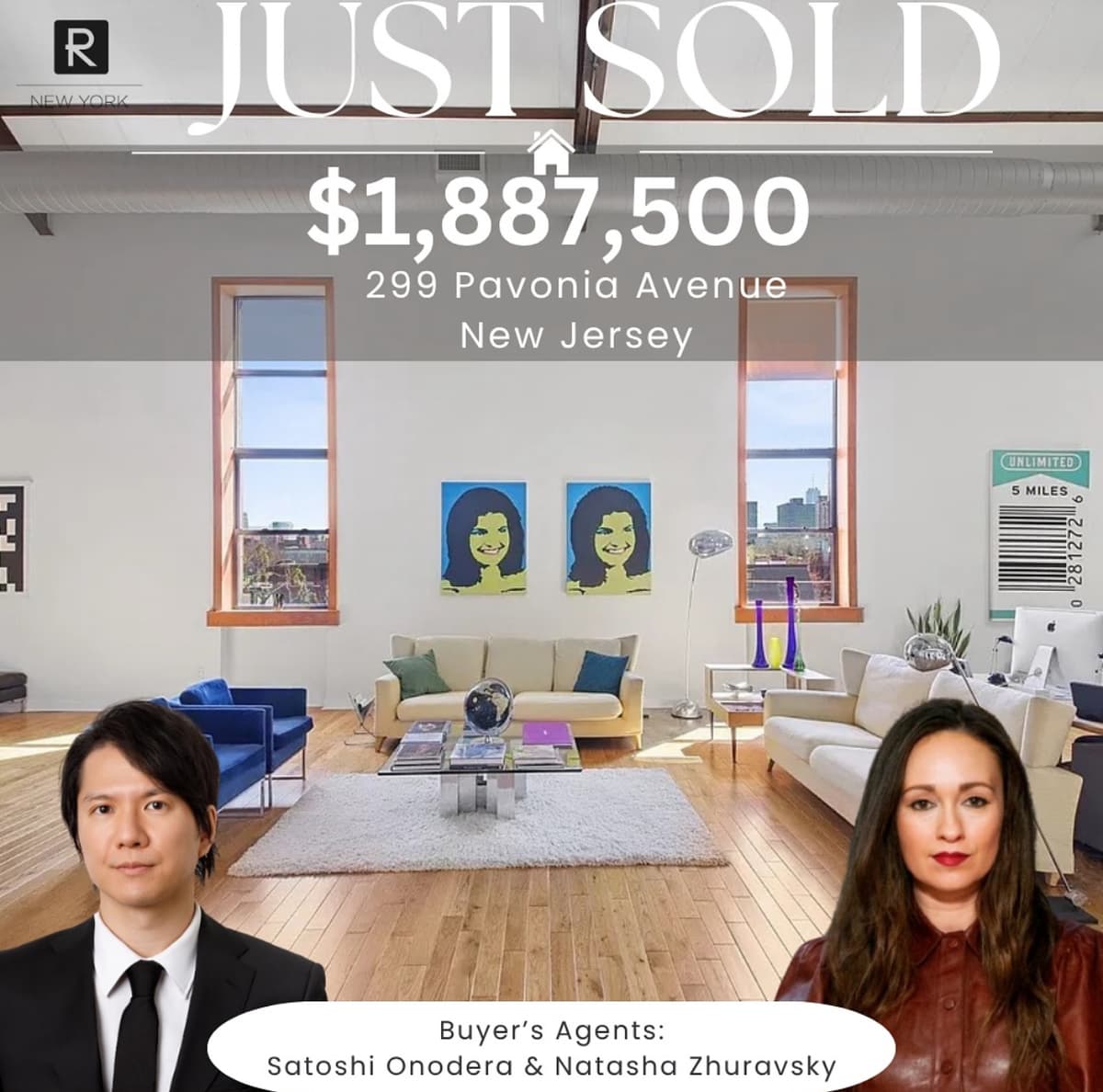
A sample of the sales, purchases and rentals we acted on in 2025 and 2026.











Real estate brokerage services are provided through R New York.
Important notice
The figures on this page are general information as of August 2026 and do not represent an offer, a quote, or a guarantee of any transaction terms. Reinvent NY does not provide legal, tax, or investment advice. Confirm anything material with an attorney and a CPA before you act on it. Nothing here is a solicitation to invest, and no return is promised. Real estate brokerage services are provided through R New York.