
What you are buying,
and who has to approve it
New York is the one US market where the majority of apartments are not owned outright. Getting this wrong costs a buyer months.
Before you read on
- General guidance on how the two structures work. Any specific building has its own rules.
- Reinvent NY works in New York real estate. Read this knowing that.
Point 1You are buying two different things
You hold a deed to the unit and an undivided share of the common areas. You can sell it, rent it out, mortgage it and leave it to whoever you like, with far fewer constraints. It is the structure most buyers arriving from outside the US expect.
The building is owned by a corporation. You buy shares in that corporation and receive a proprietary lease on your apartment. Legally you are a shareholder and a tenant, not a property owner, and the board sets the terms.
Point 2Where the difference bites
| Condominium | Co-operative | |
|---|---|---|
| Share of Manhattan stock | Roughly a quarter | Roughly three quarters |
| Price for comparable space | Higher | Often 10–40% lower |
| Buying while living abroad | Generally workable | Frequently refused |
| Board approval | Right of first refusal only | Full application, financials, interview |
| Financing limits | Set by your lender | Board may cap the loan, some require all cash |
| Renting it out | Usually permitted | Restricted or banned outright |
| Monthly charge | Common charges plus separate property tax | Maintenance, with property tax included |
| Closing costs for the buyer | Higher — mortgage recording tax, title insurance | Lower — neither applies |
| Time from offer to closing | 6–10 weeks typical | 10–16 weeks typical |
Point 3The board package
A co-op board application asks for two to three years of tax returns, bank and brokerage statements, a statement of net worth, professional and personal reference letters, and an interview. Boards routinely require liquid assets left over after closing — one to two years of maintenance and mortgage payments is a common floor — and set a maximum share of the price you may borrow.
A board may decline without giving a reason, provided the decision does not rest on a protected characteristic under fair housing law. There is no appeal. For a buyer whose income, assets and credit history sit outside the United States, assembling a package a board will accept is the part that fails, and it fails after the offer is agreed.
If you are buying from abroad, intend to let the apartment, or want a predictable timetable, the search is usually a condominium search. The price premium buys the absence of these constraints.
Point 4Two structures in between
A building held as a co-op whose ground floor is a separate commercial condominium. Residentially it behaves like a co-op, but some are run with condo-like rules on subletting. What matters is the house rules, not the label.
A unit still held by the original owner of the building. In a co-op a sponsor sale can bypass board approval, which shortens the timetable considerably. In exchange the buyer usually pays the transfer taxes the seller would normally pay.
Let’s talk first
Tell us the budget, the timing and whether you intend to let the apartment, and we will tell you which structure is realistic.
RELATED GUIDES
Recent transactions
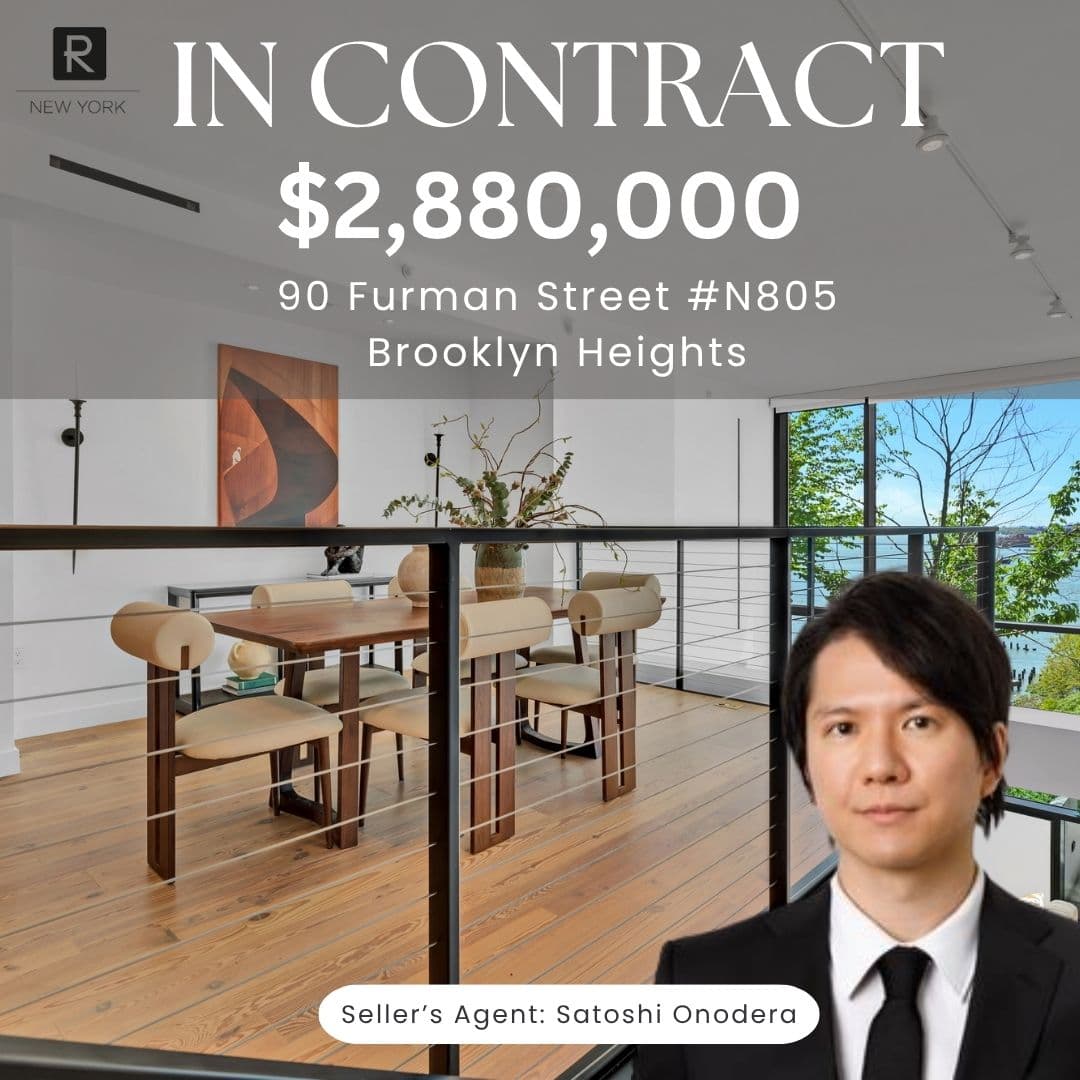
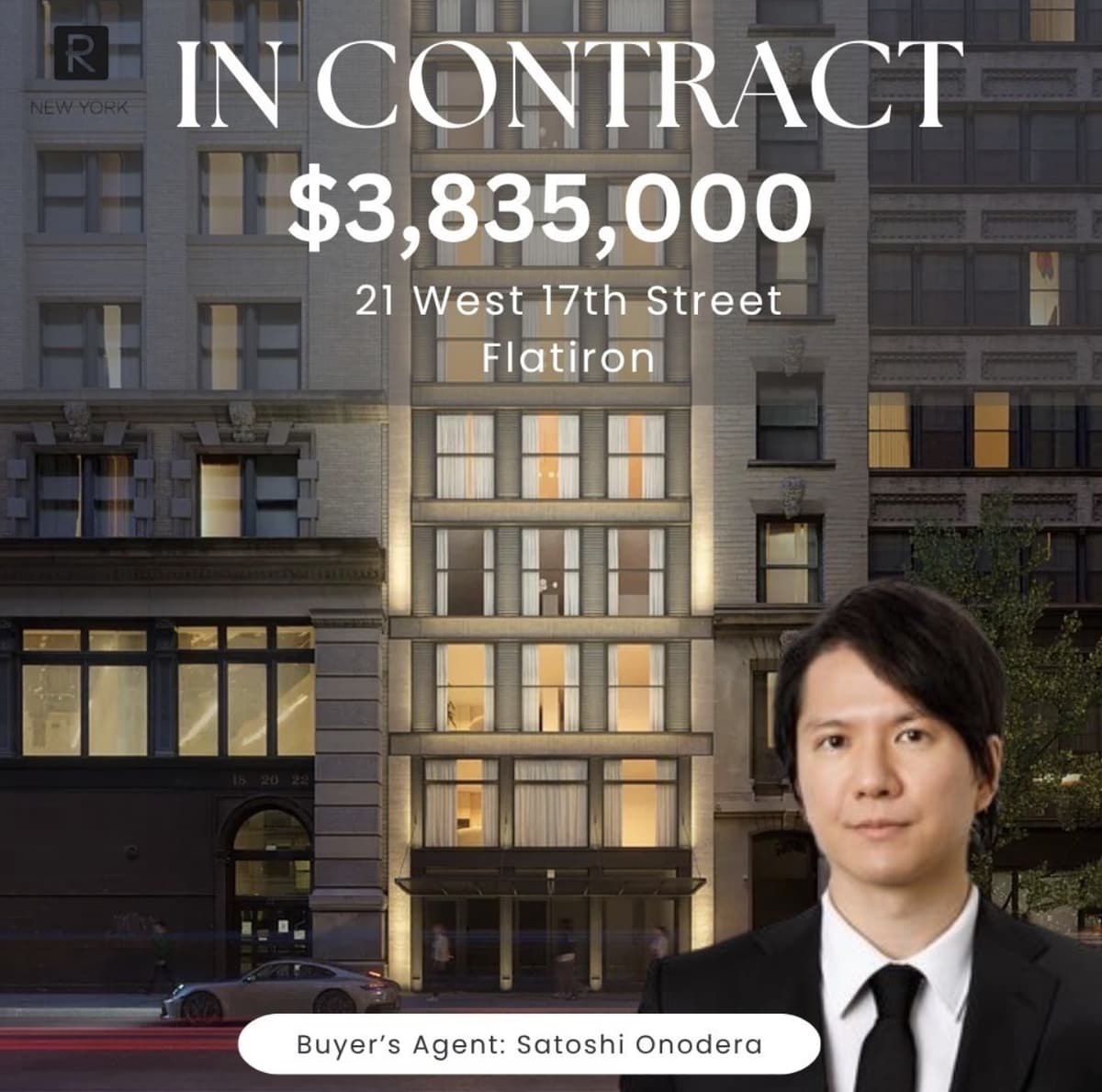
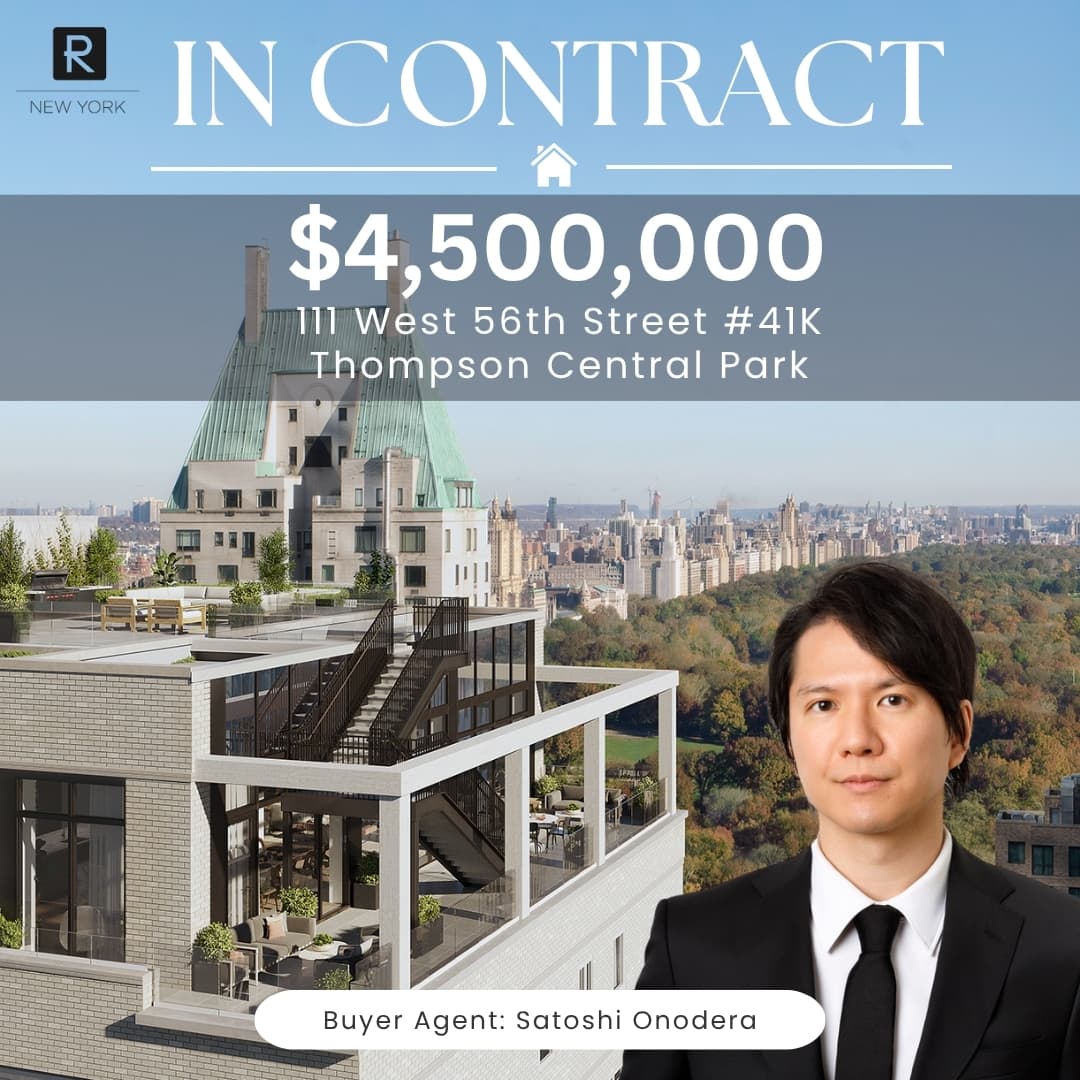
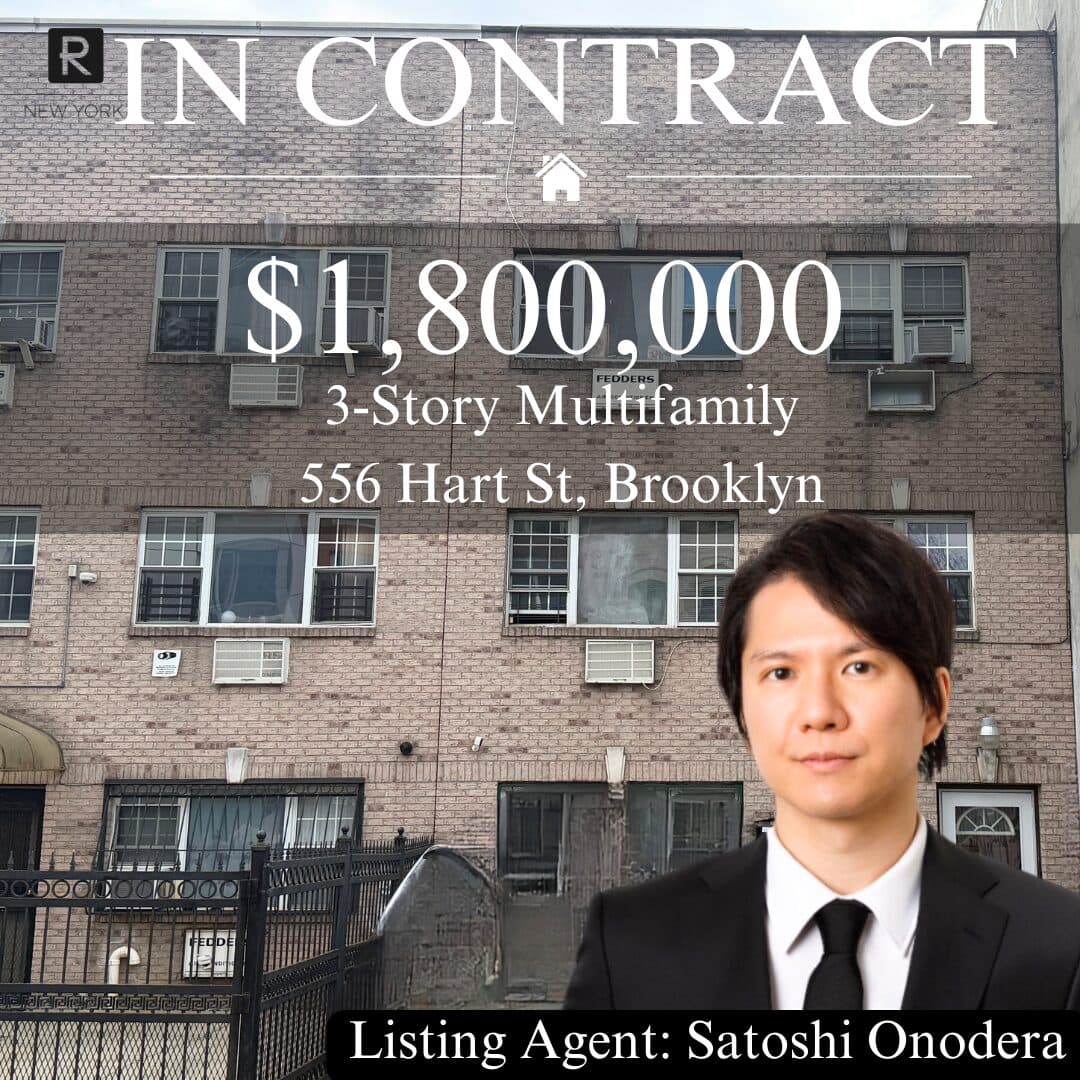
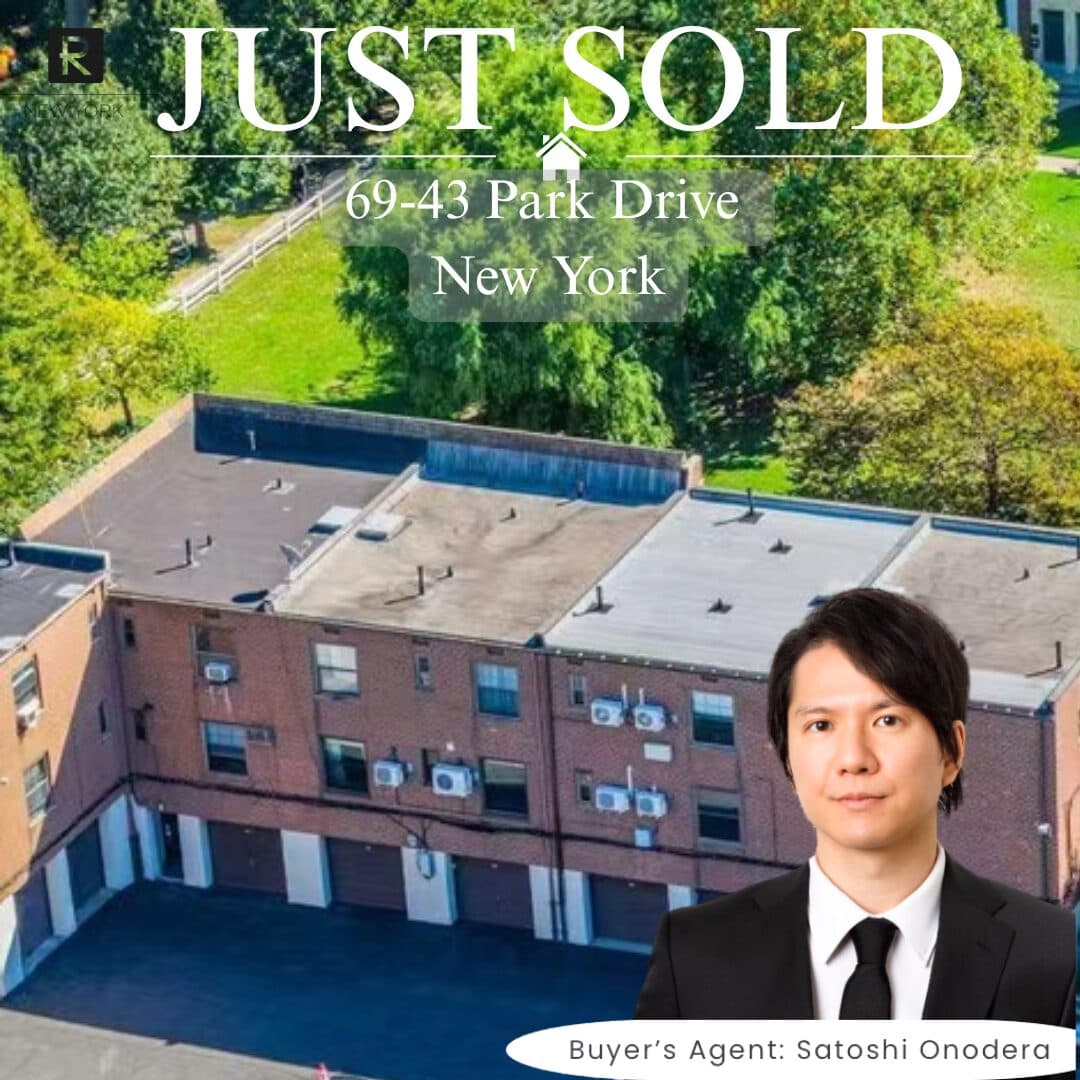
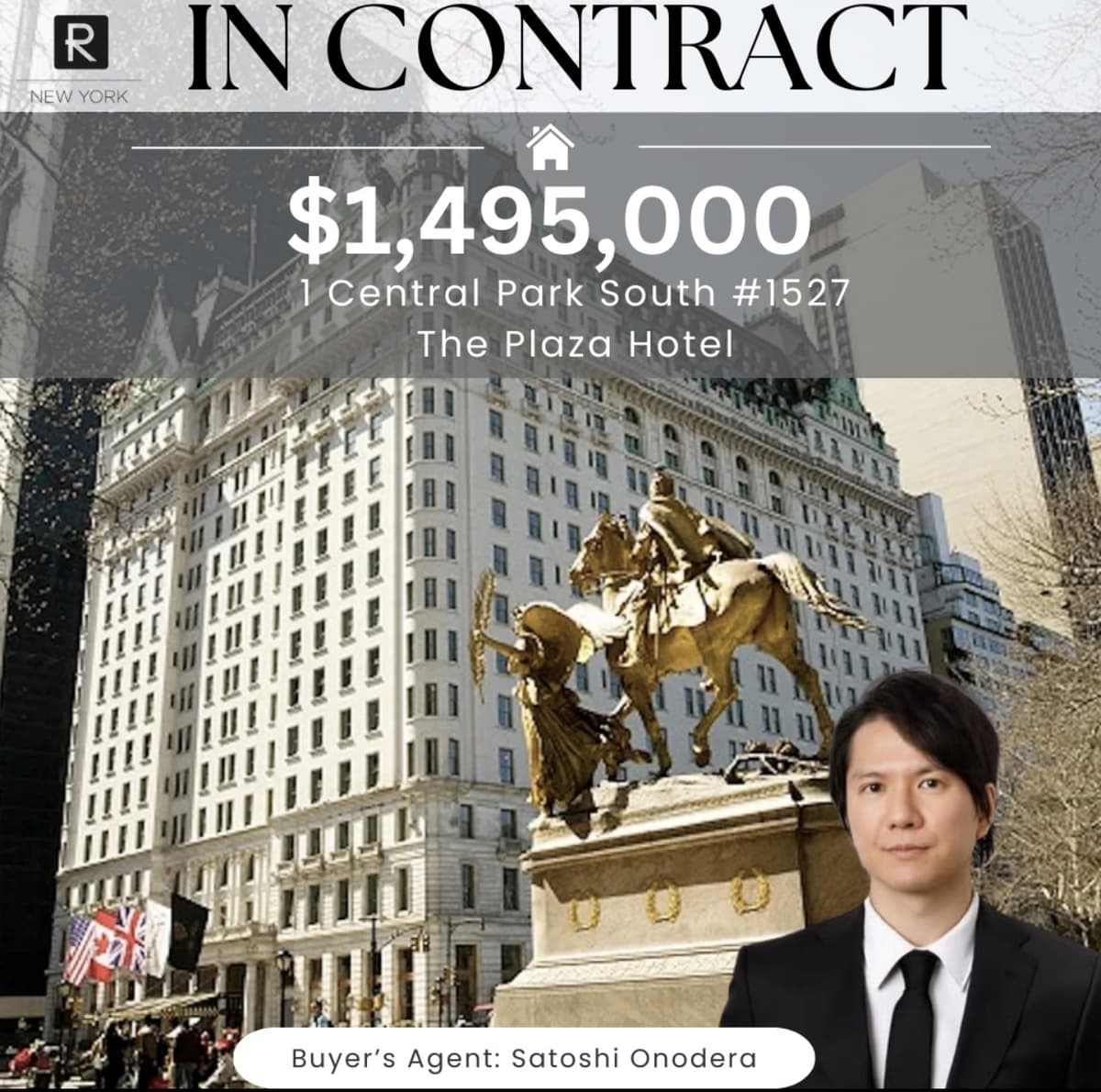
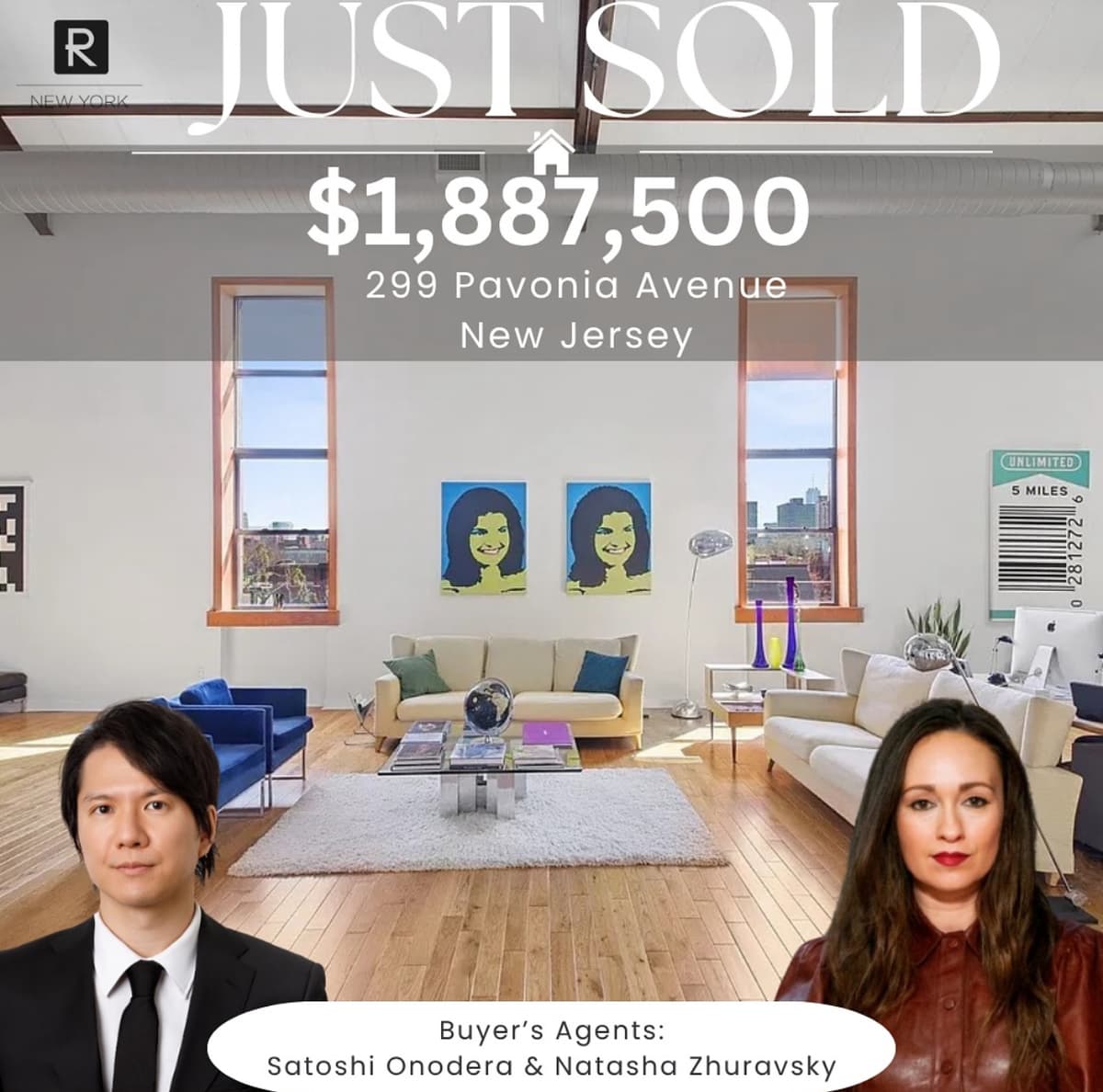
A sample of the sales, purchases and rentals we acted on in 2025 and 2026.
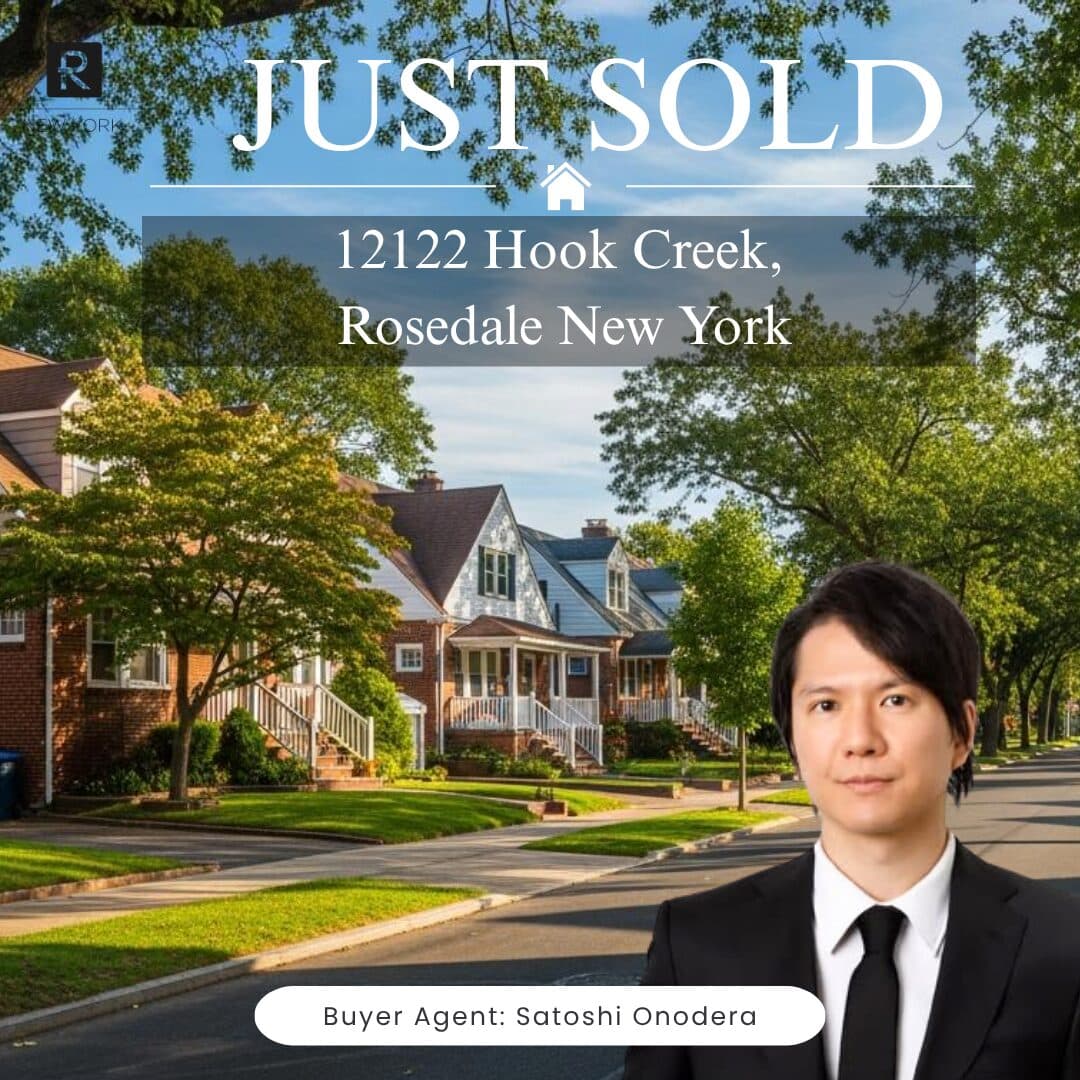
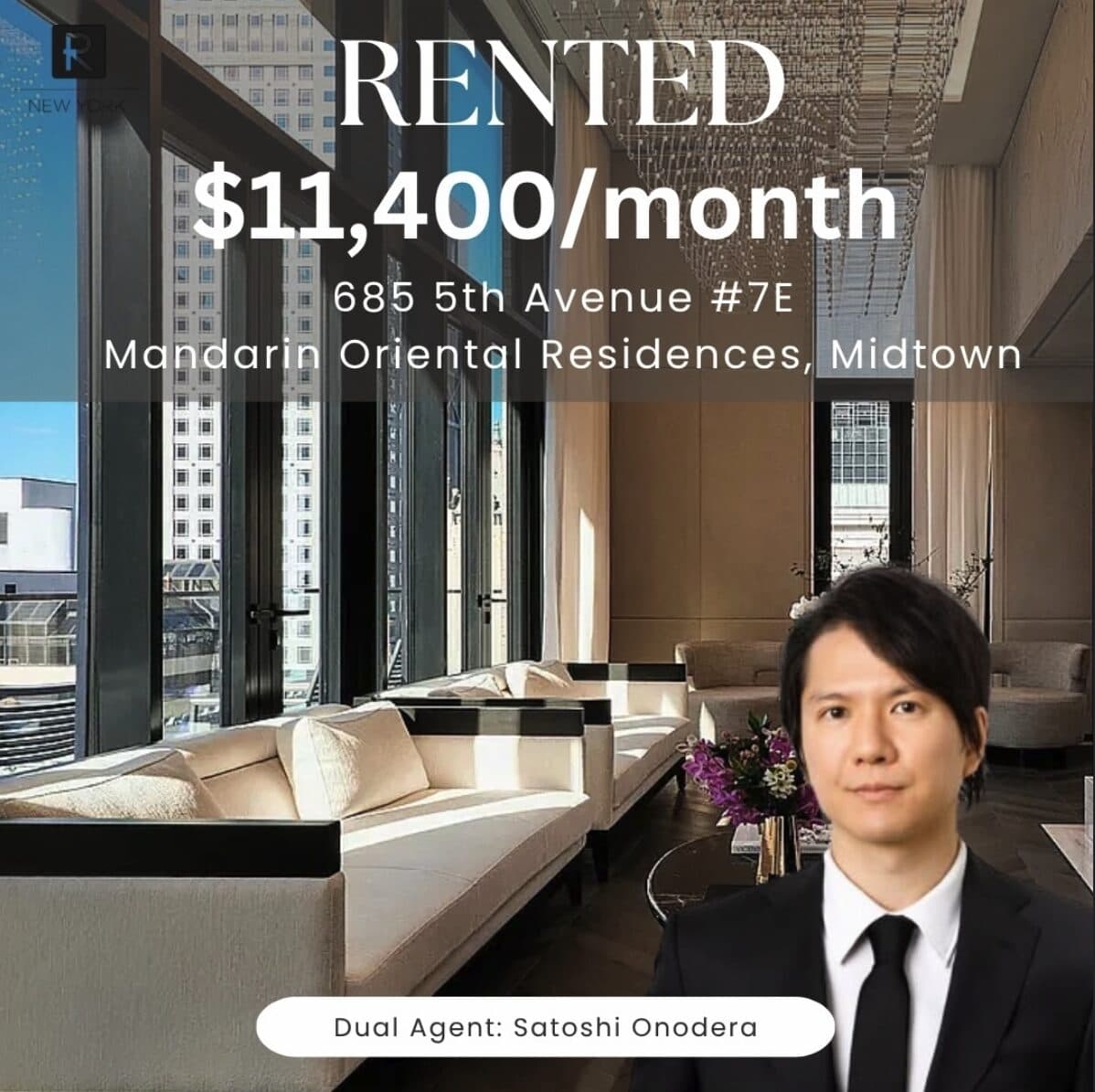

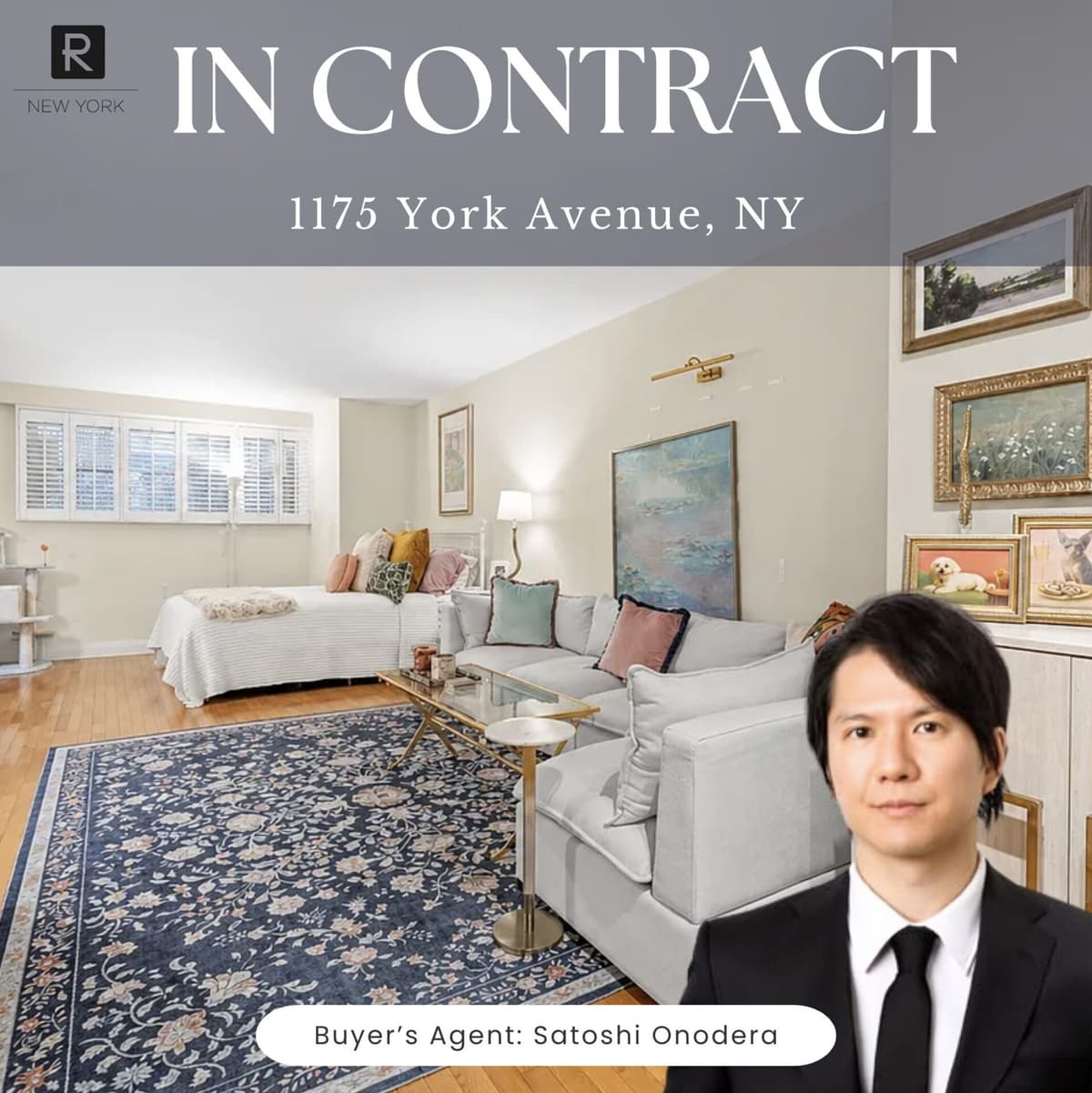
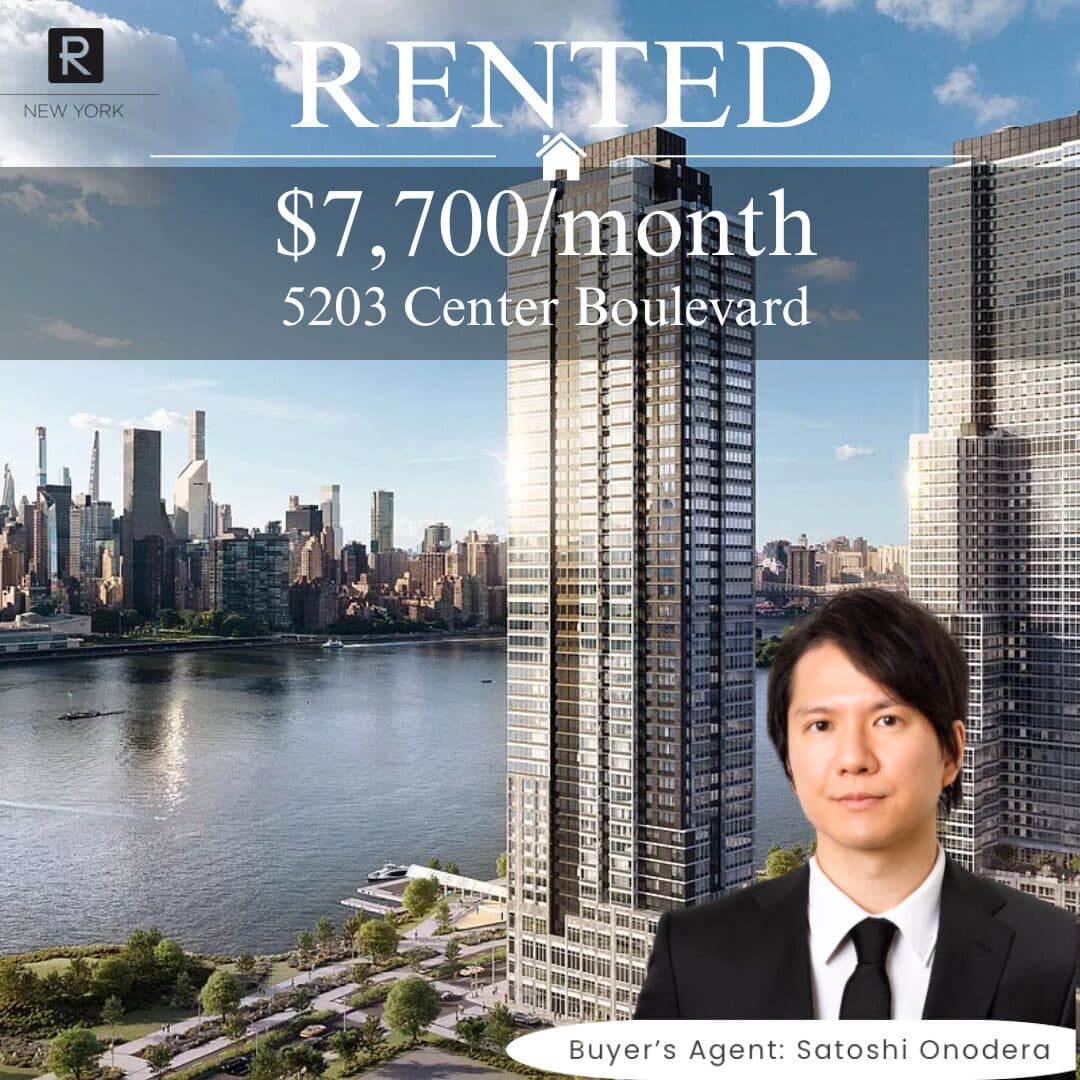








Real estate brokerage services are provided through R New York.
Important notice
The figures on this page are general information as of August 2026 and do not represent an offer, a quote, or a guarantee of any transaction terms. Reinvent NY does not provide legal, tax, or investment advice. Confirm anything material with an attorney and a CPA before you act on it. Nothing here is a solicitation to invest, and no return is promised. Real estate brokerage services are provided through R New York.