
In New York, the model
mostly does not exist
Since 2023 the city has required hosts to register, to be present during the stay, and to host no more than two guests. That combination ends the investment case.
Before you read on
- Rules differ city by city and change frequently. Verify the current position with the relevant city agency before buying on the strength of short-term income.
- This is general guidance, not legal advice. Penalties for unlawful short-term letting in New York City run into thousands of dollars per violation.
Step 1What New York City actually requires
Three conditions, applied together. Each one alone would be manageable; together they are the point.
A host must register with the Mayor's Office of Special Enforcement, and booking platforms are prohibited from processing a transaction for an unregistered listing. Enforcement runs through the platforms, which is why it worked.
For stays under thirty days the permanent occupant has to be in the dwelling during the stay. Letting an empty apartment for a week is not permitted, whoever owns it.
Two guests at a time, and they must have free access to all parts of the dwelling. Internal doors may not be locked off.
State multiple dwelling law already prohibited stays under thirty days in most apartment buildings. Local Law 18 gave the city a mechanism to enforce it.
The result is that the standard short-let investment — buy an apartment, furnish it, let it nightly — is not available in New York City. Listings that appear to do it are either unregistered and exposed, or they are thirty-day-plus stays presented as something else.
Step 2What is still permitted
| Model | Lawful in NYC | Notes |
|---|---|---|
| Nightly let of a whole empty apartment | No | The central prohibition |
| Registered host, present, up to two guests | Yes | A spare room in your own home, not an investment |
| Furnished let of thirty days or more | Yes | The practical corporate and relocation market |
| Lease of one year or more | Yes | The ordinary rental market |
| Hotel and legally designated Class B buildings | Yes | A different asset class with its own economics |
| Sublet of a co-op or condominium | Building's rules | Most co-ops prohibit it; condominiums usually permit it with notice |
Thirty days is the line that matters. A thirty-two day furnished let to a relocating executive is lawful, is well paid, and is a completely different business from nightly hosting.
Step 3The thirty-day-plus furnished market
Corporate assignments, medical rotations, film and television production, and families between homes all need a furnished apartment for one to six months and will pay a premium over an unfurnished annual rent. It is the one segment where the short-let economics partly survive the regulation.
| Consideration | Reality |
|---|---|
| Premium over annual rent | Typically 15–40%, depending on the season and the fit-out |
| Vacancy | Higher and lumpier than an annual let; underwrite 15–25% |
| Furniture and setup | $15,000–$40,000 for a well-fitted one-bedroom, replaced every few years |
| Management | 10–20% of collections rather than 8%; turnover is the work |
| Building consent | Condominium sublet rules and any minimum lease term in the by-laws |
| Tax | Occupancy taxes may apply to shorter stays; ask a CPA about your specific pattern |
Step 4Outside New York City
Other US markets take entirely different positions, and the rule is set at city or county level rather than nationally. Some require a licence and cap the number issued, some restrict short lets to a primary residence, some apply no restriction at all, and several have tightened sharply in the last three years.
| Before buying anywhere | Check |
|---|---|
| City or county ordinance | Licence requirements, caps, primary-residence rules, night limits |
| Zoning | Whether the use is permitted in that zone at all |
| HOA or condominium documents | Minimum lease terms, which frequently prohibit what the city permits |
| State and local occupancy tax | Registration and remittance obligations |
| Insurance | A standard homeowner's policy usually excludes short-term letting |
| Enforcement history | Whether the rule is enforced through platforms, which is what makes it bite |
Never underwrite a purchase on short-let income without confirming the current ordinance in writing. Rules that were permissive when the listing's revenue history was earned may not be permissive now.
Only as a registered host who is present during the stay, with no more than two guests. An empty apartment let nightly is not lawful.
Fines for unlawful short-term letting run to several thousand dollars per violation, and platforms are barred from processing bookings for unregistered listings. Buildings pursue it separately under their own rules.
Structure the lease so the term is unambiguously thirty days or longer, and have an attorney draft it. Do not rely on counting.
Yes, and it is a common arrangement for pied-à-terre owners. It also cuts the income sharply, so model it before assuming both.
Legally designated Class B buildings and hotel condominium units exist, are a different asset class, and are priced accordingly. That is the lawful route, and it is not an ordinary apartment.
Let’s talk first
Tell us what income model you have in mind and we will tell you whether the building and the city permit it before you buy.
RELATED GUIDES
Recent transactions
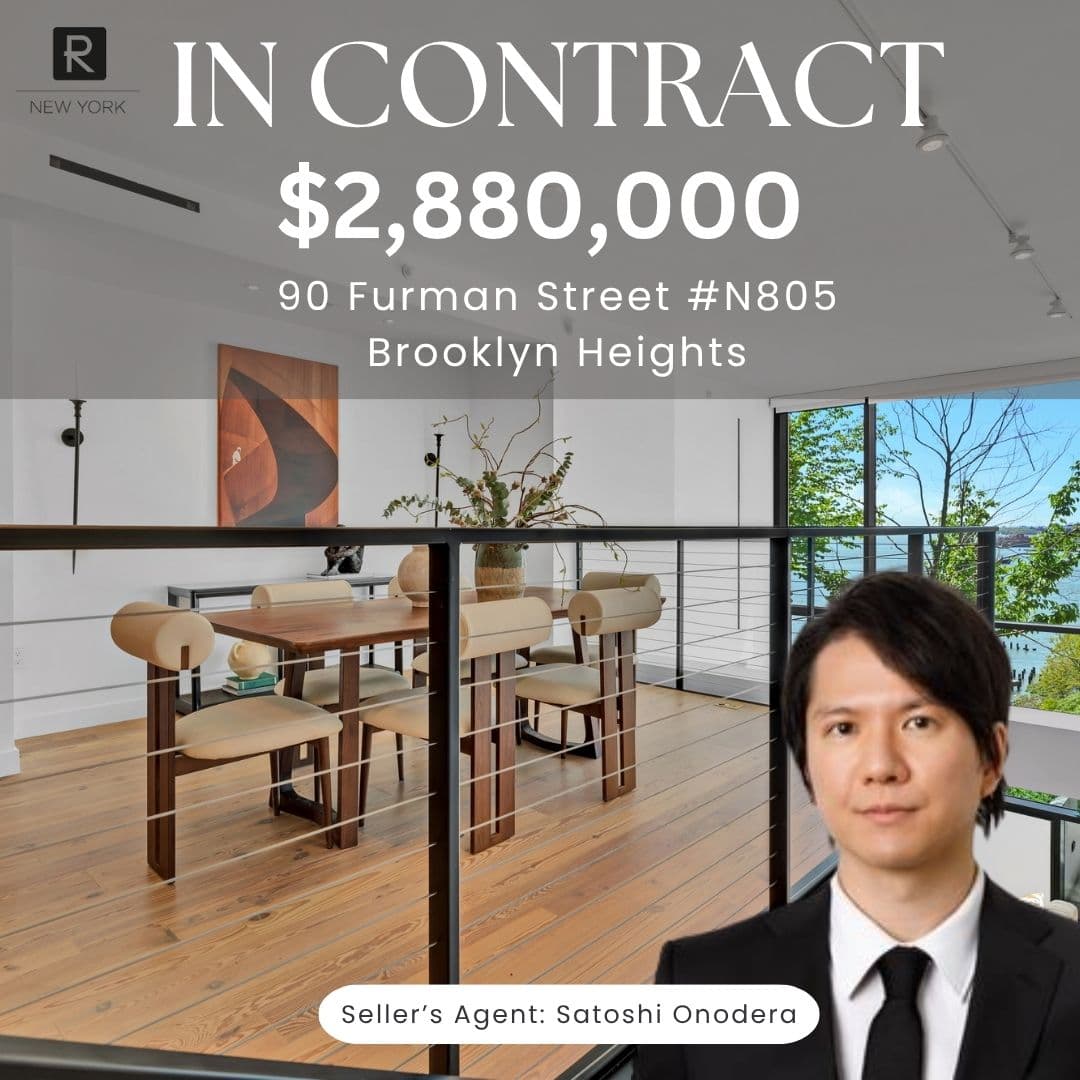
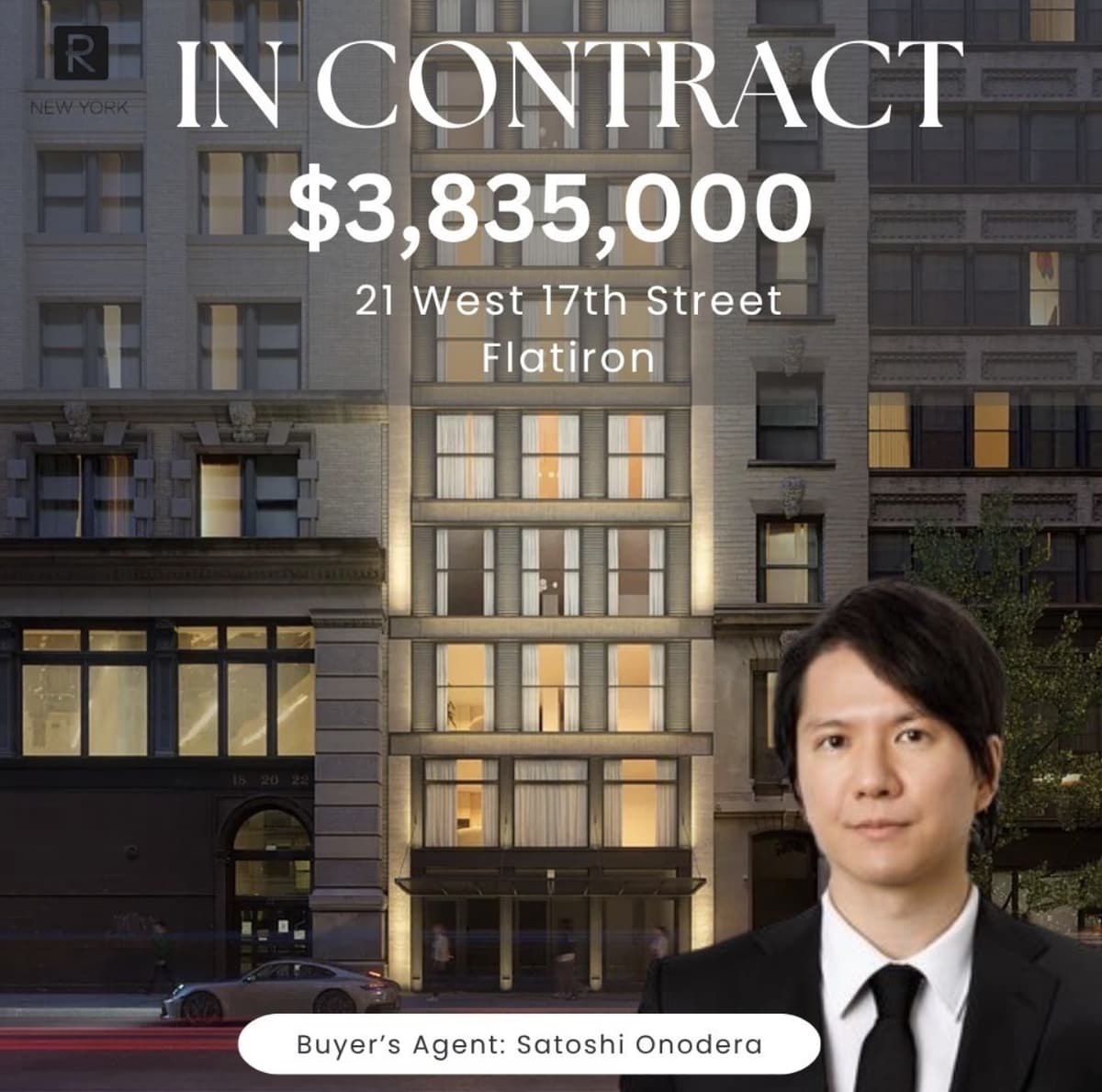
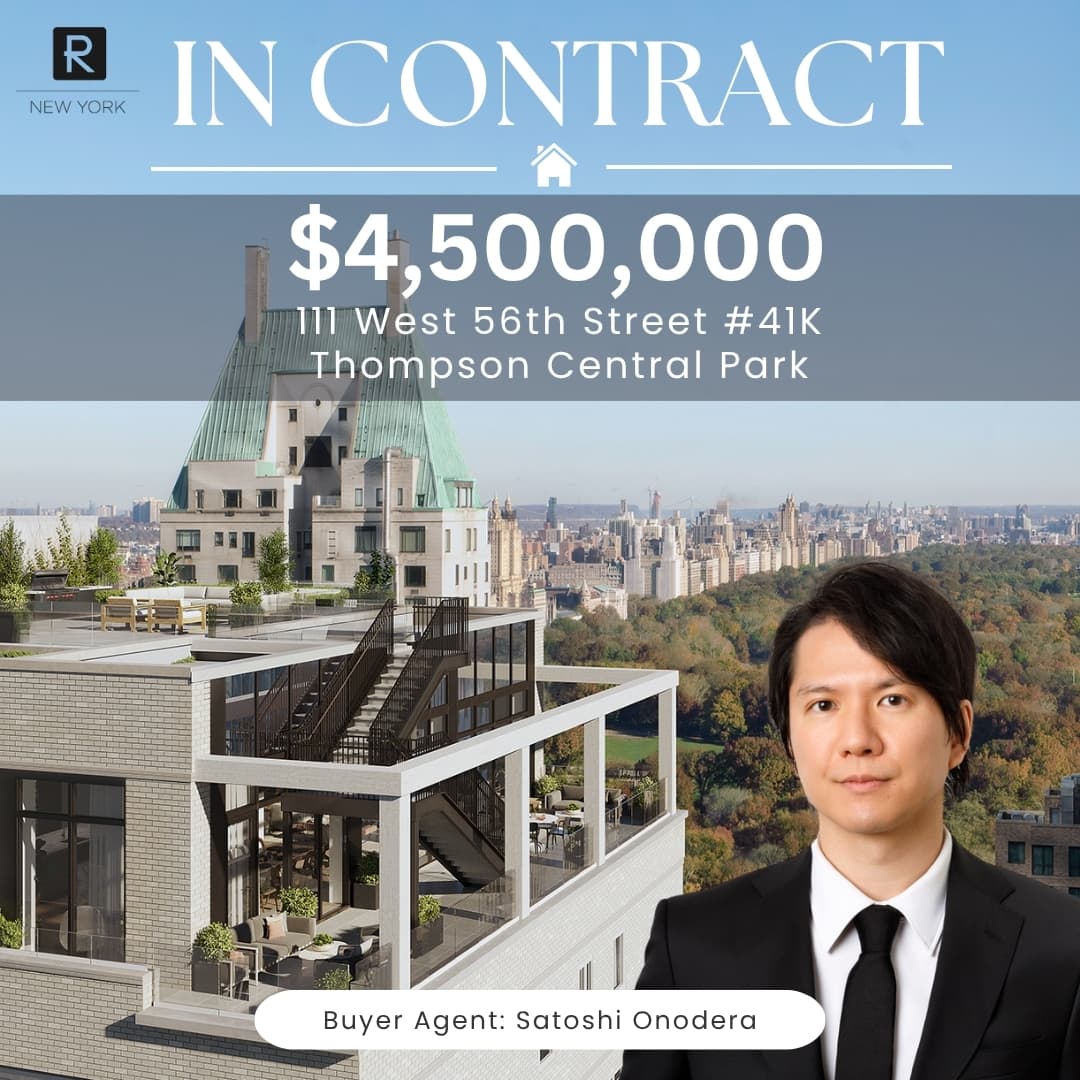
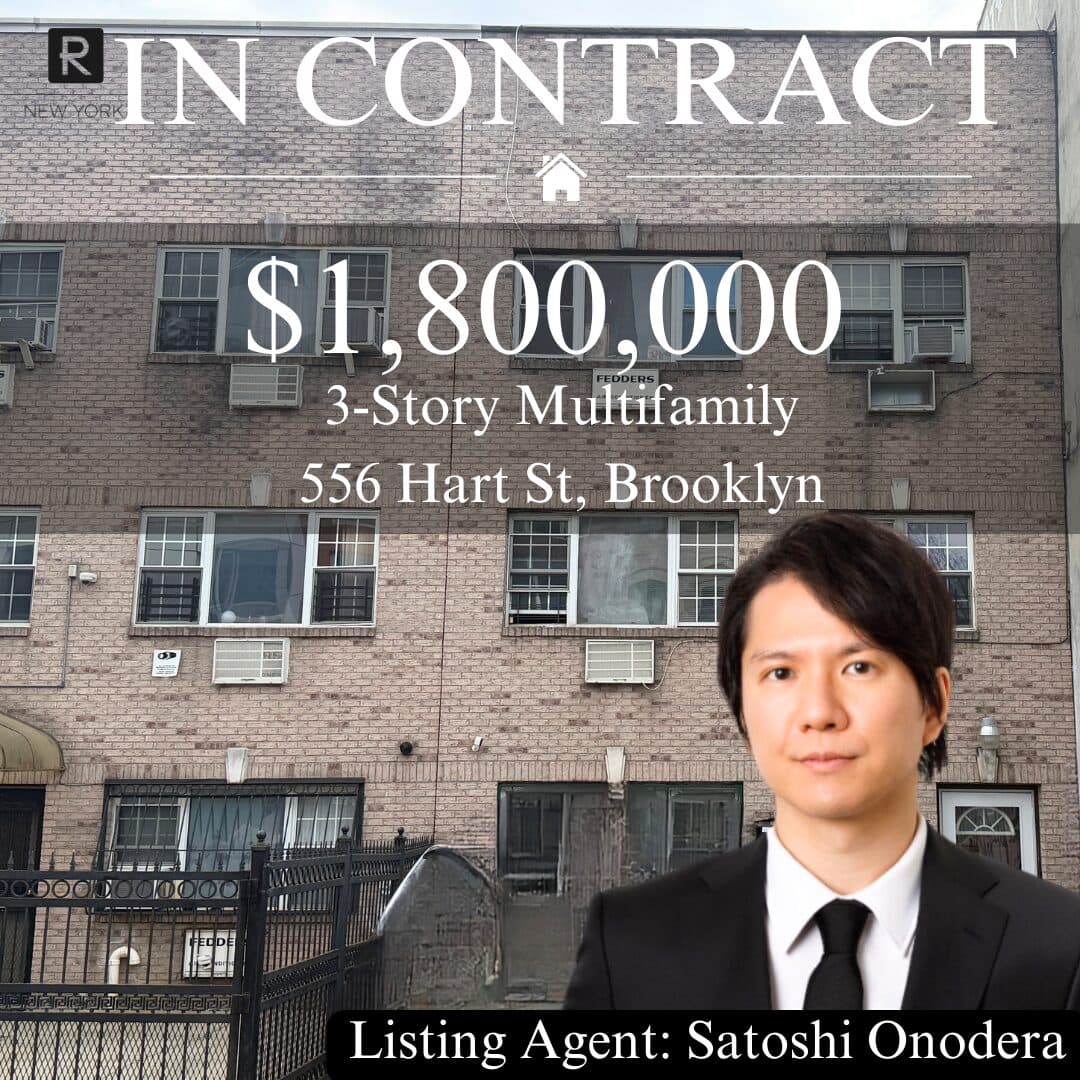
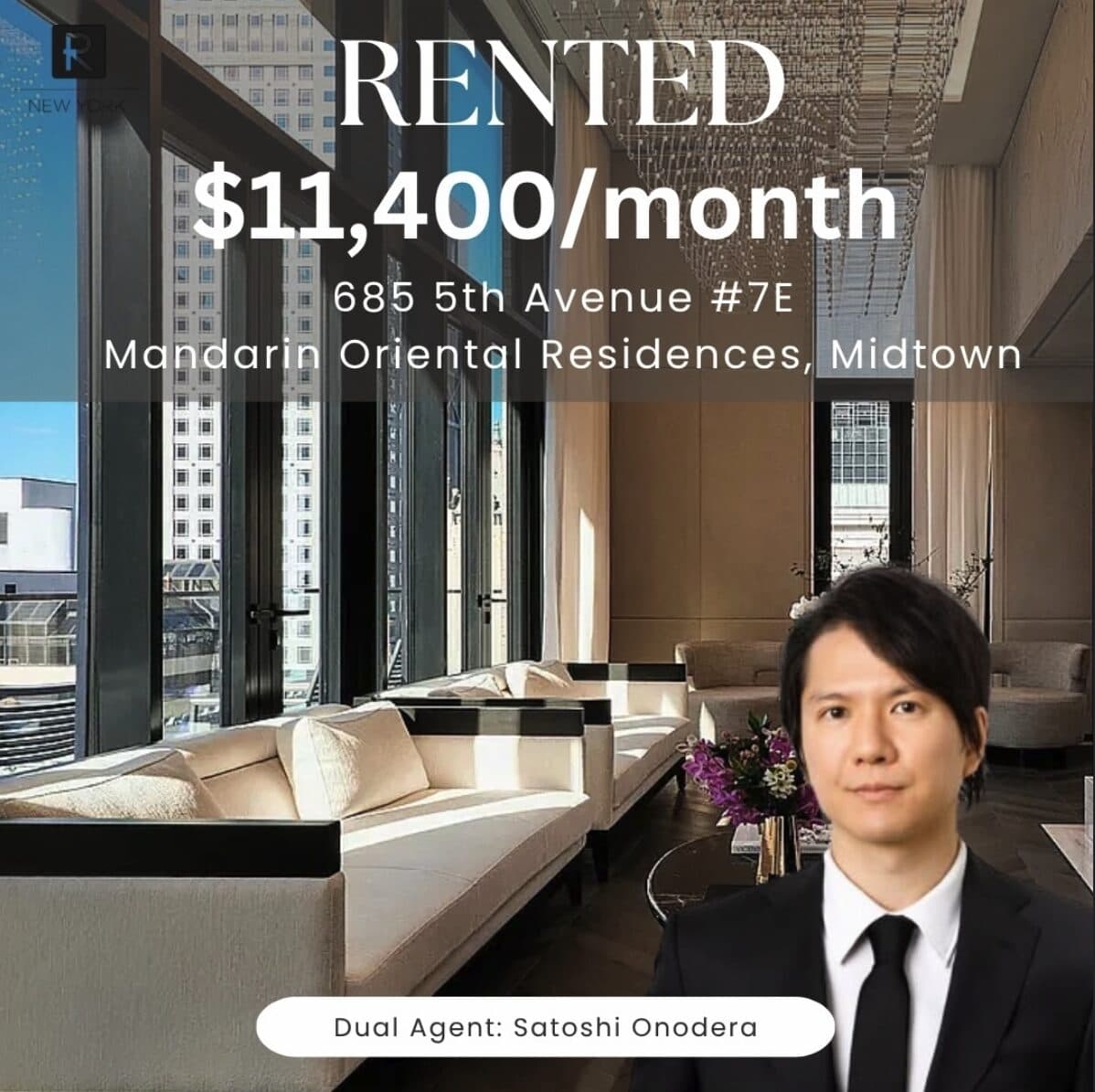
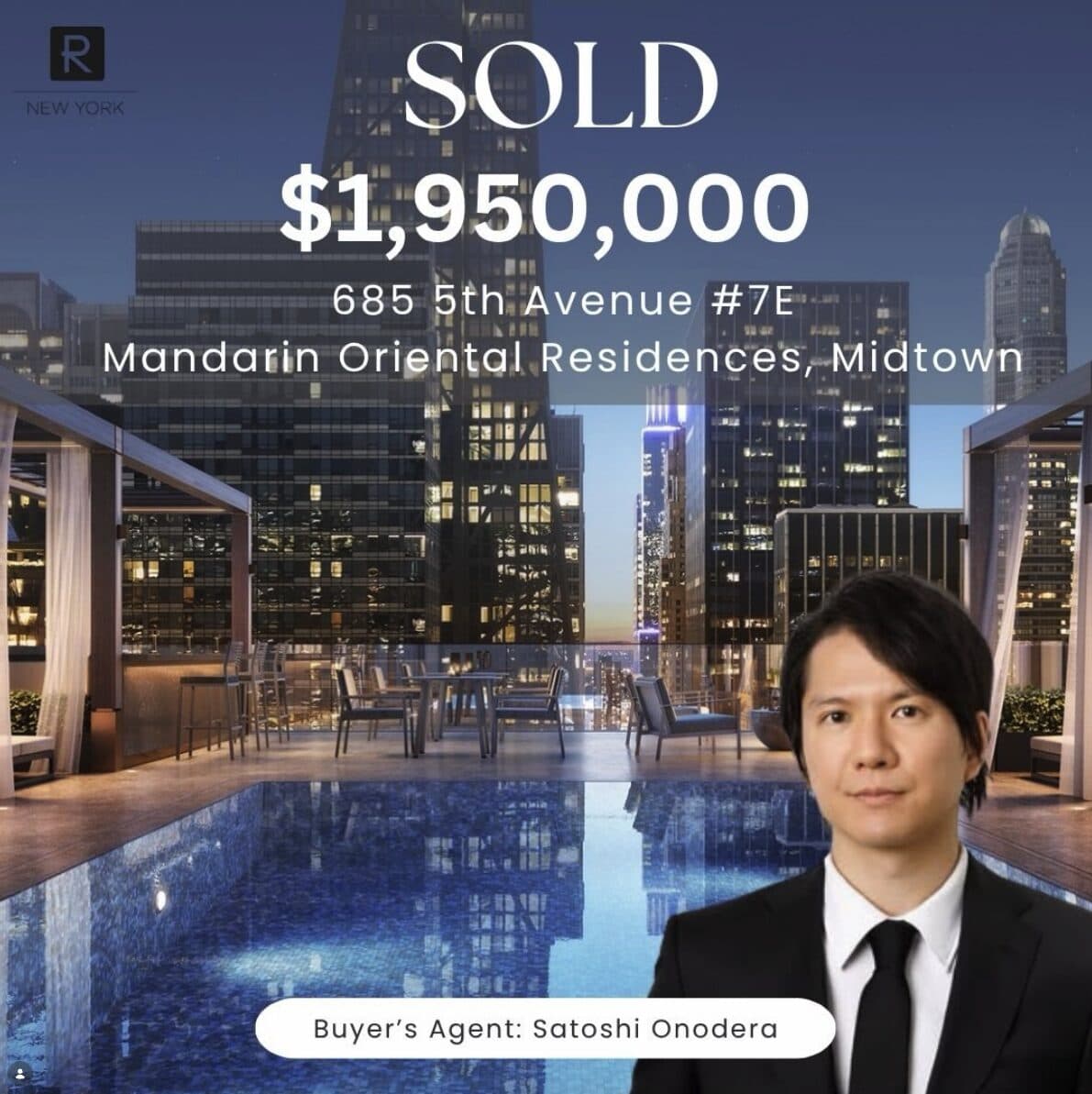
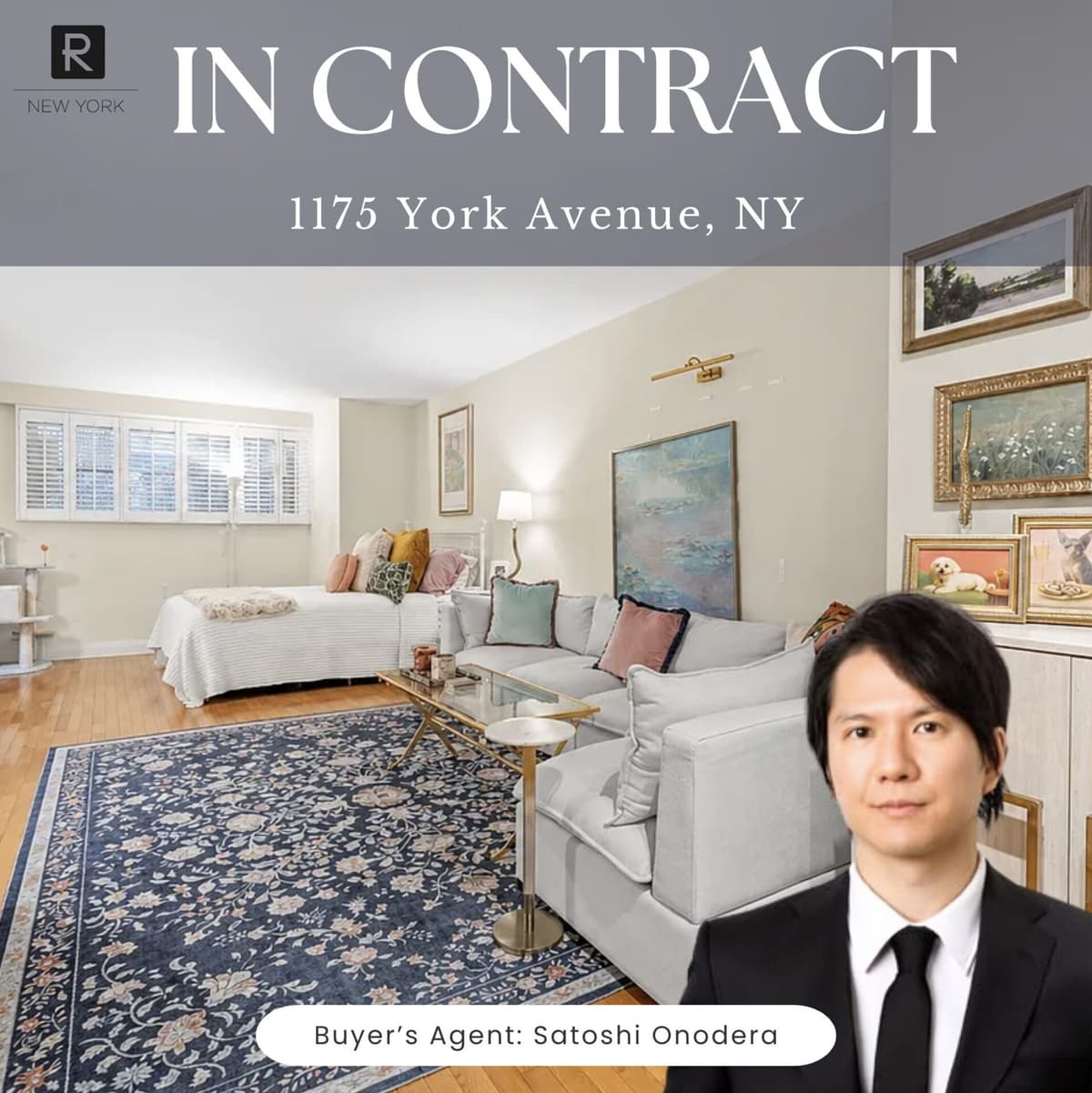
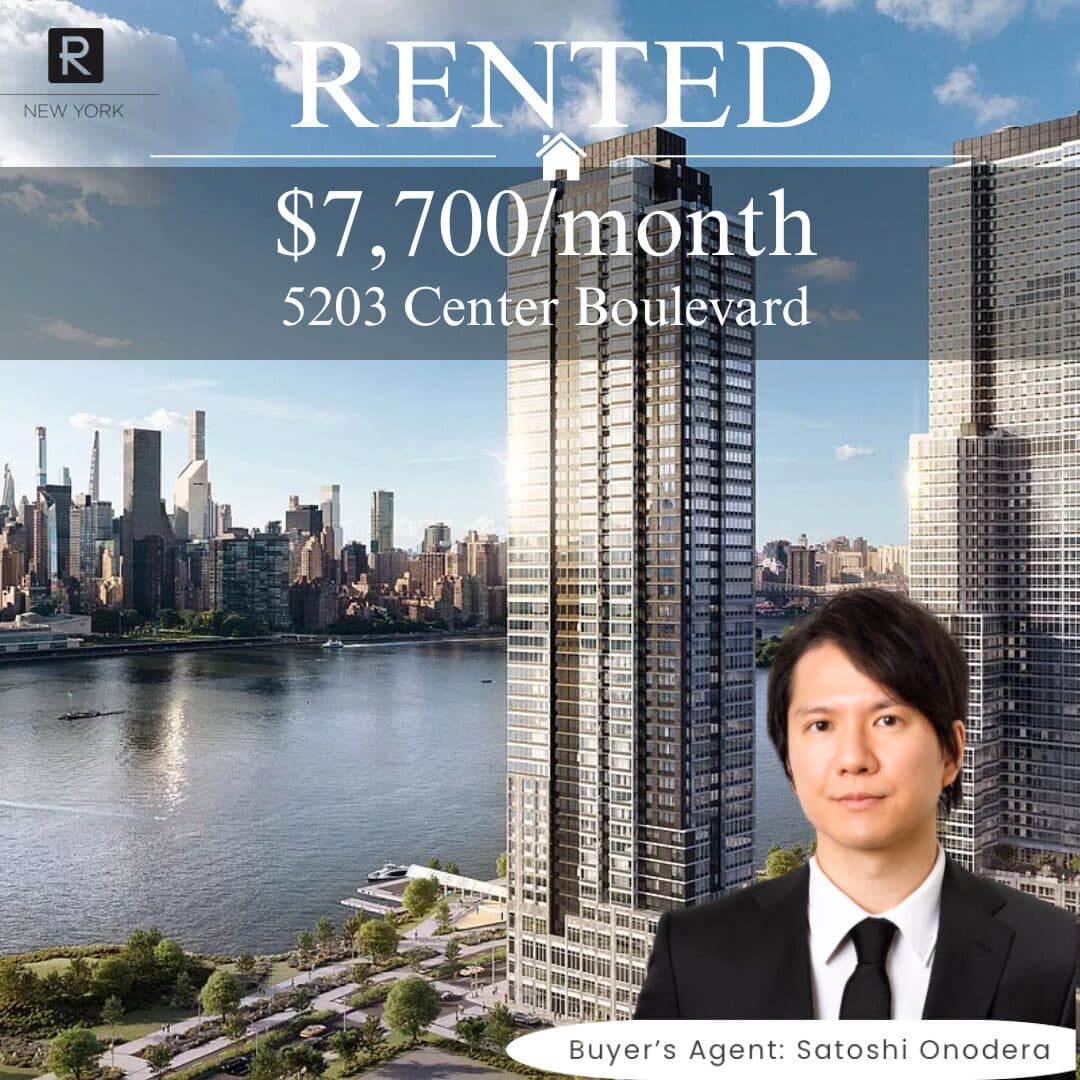
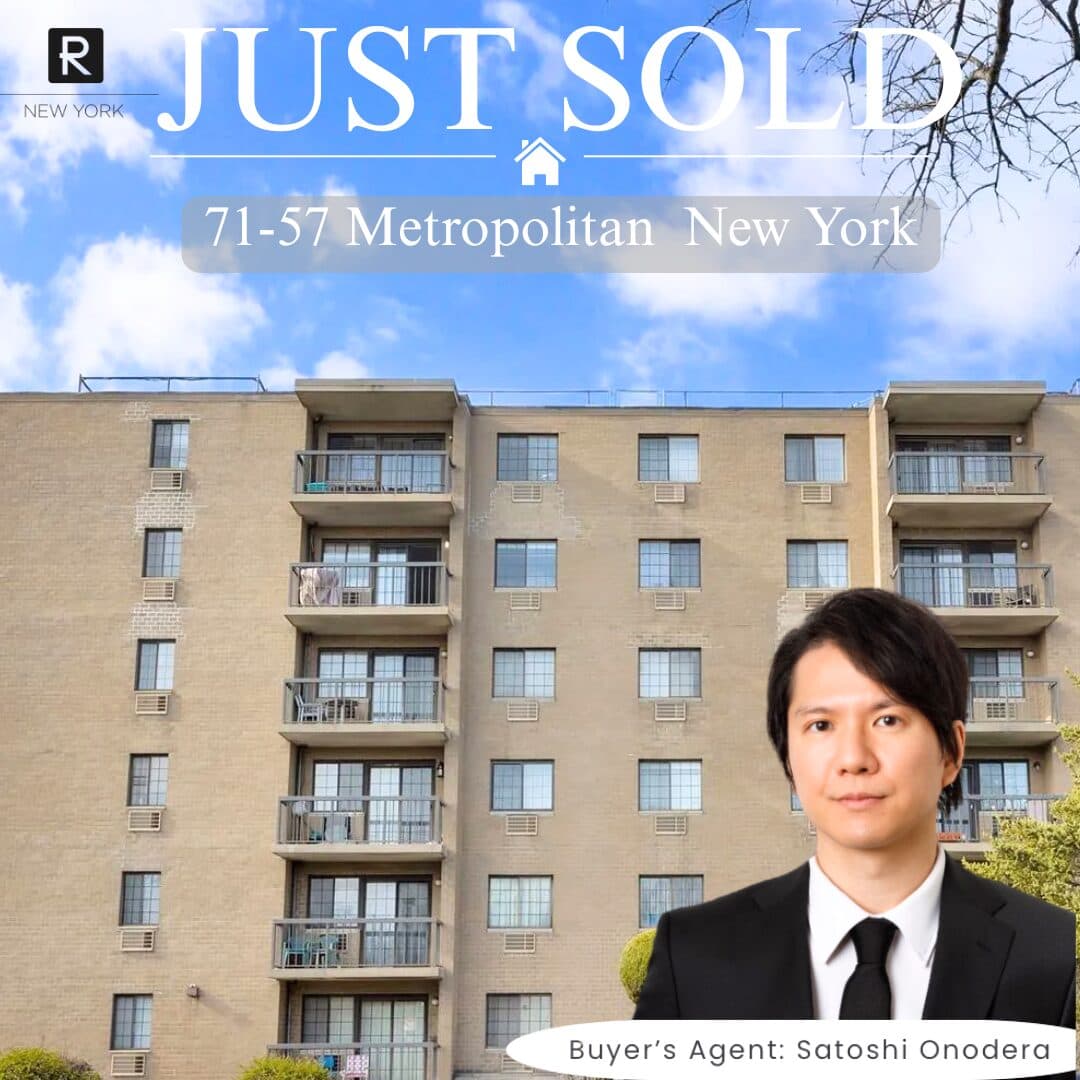
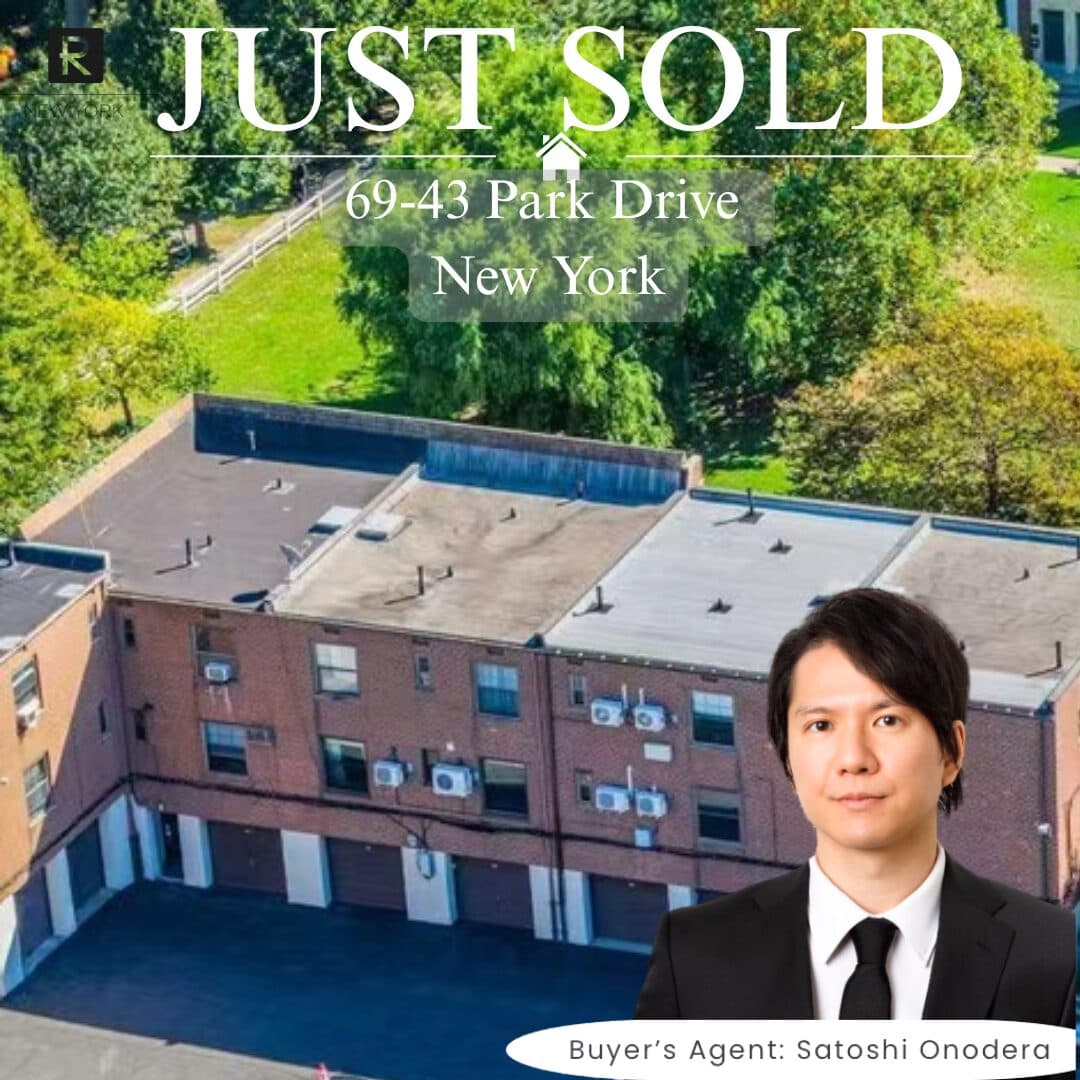
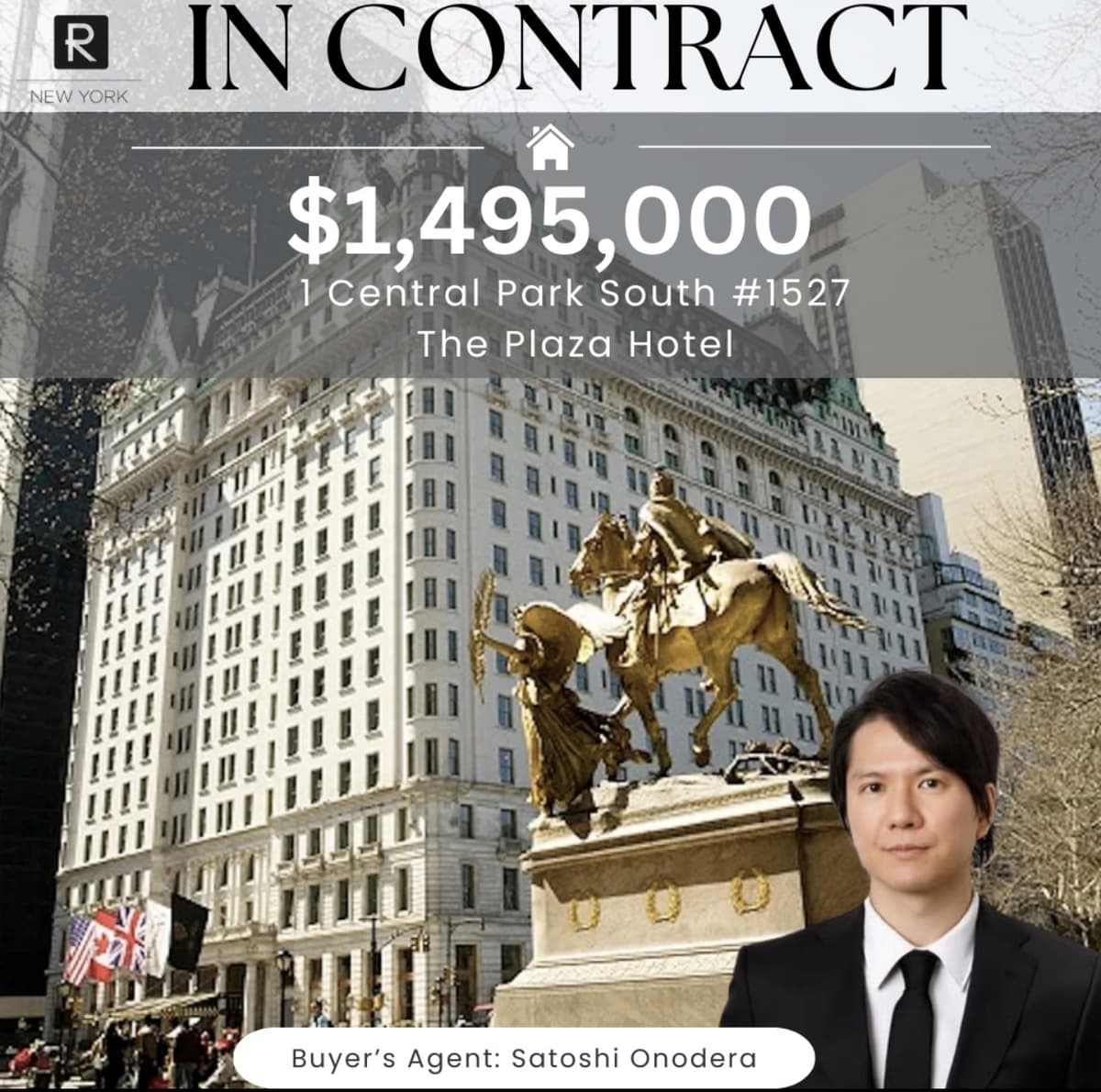
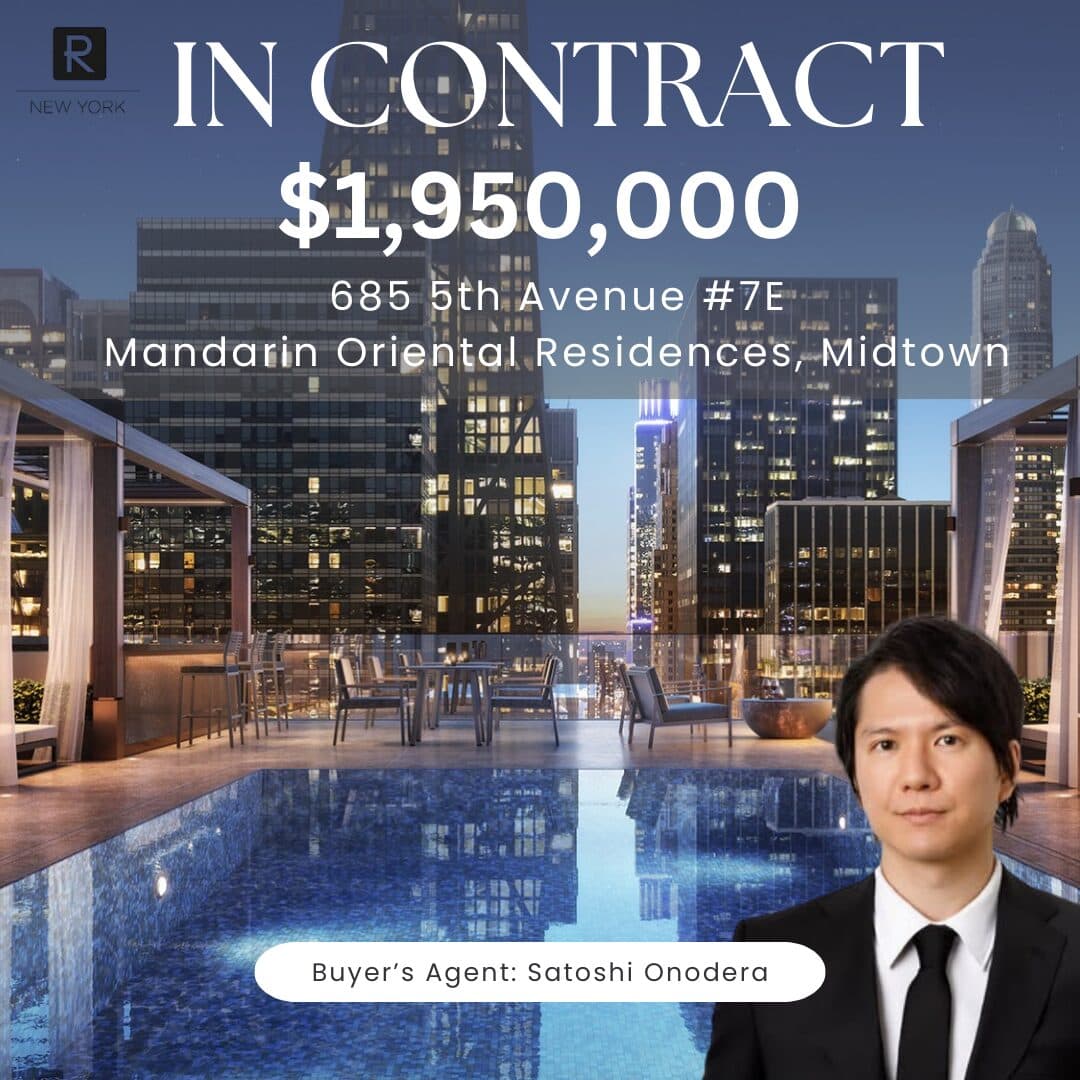
A sample of the sales, purchases and rentals we acted on in 2025 and 2026.







Real estate brokerage services are provided through R New York.
Important notice
The figures on this page are general information as of August 2026 and do not represent an offer, a quote, or a guarantee of any transaction terms. Reinvent NY does not provide legal, tax, or investment advice. Confirm anything material with an attorney and a CPA before you act on it. Nothing here is a solicitation to invest, and no return is promised. Real estate brokerage services are provided through R New York.