
Gross yield is a listing number.
Net yield is your number
The gap between the two is typically half. Here is every line that sits in between, on a real New York apartment.
Before you read on
- A worked illustration, not a forecast. Every figure changes with the building, the tax assessment and the tenancy.
- Tax treatment depends on your own position and structure. Take advice from a US CPA before relying on any after-tax number.
Step 1The four measures, and what each is for
They answer different questions, and quoting the wrong one is how deals get mispriced.
| Measure | Formula | Answers | Weakness |
|---|---|---|---|
| Gross yield | Annual rent ÷ price | Is this worth a second look | Ignores every cost; useful only for screening |
| Net yield | (Rent − operating costs) ÷ price | What the asset earns unlevered | Excludes financing, so it is not your cash return |
| Cap rate | Net operating income ÷ market value | What the market pays for this income | Only comparable within one property type and market |
| Cash-on-cash | Annual cash flow after debt ÷ cash invested | What your own money earns | Flattered by leverage and by an interest-only period |
Step 2Worked: a $900,000 condominium in Queens
| Line | Monthly | Annual | Note |
|---|---|---|---|
| Rent | $4,000 | $48,000 | Market rent, not asking rent |
| Vacancy and turnover at 5% | −$200 | −$2,400 | One month empty every eighteen months, plus letting costs |
| Common charges | −$650 | −$7,800 | Condominium; a co-op maintenance figure includes taxes |
| Real estate taxes | −$500 | −$6,000 | Verify the actual assessment, not the seller's estimate |
| Insurance | −$70 | −$840 | Landlord policy, higher than owner-occupier cover |
| Management at 8% | −$320 | −$3,840 | Essential if you are not in the country |
| Repairs and reserve | −$200 | −$2,400 | Budget 0.25–0.5% of value a year on an apartment |
| Net operating income | $2,060 | $24,720 | Net yield 2.75% on price, before financing |
| Mortgage, $540,000 at 7% over 30 years | −$1,395 | −$16,740 | 40% down |
| Cash flow after debt | $665 | $7,980 | Cash-on-cash 1.6% on $396,000 invested |
Cash invested is the 40% deposit of $360,000 plus roughly $36,000 of closing costs. Principal repayment inside the mortgage payment is not a cost — it is forced saving — but it is not cash in your pocket either.
Step 3What separates a good yield from a bad one
| Driver | Effect on net yield | What to check before offering |
|---|---|---|
| Common charges per square foot | The largest single variable in NYC | Compare against nearby buildings; high staffing never falls |
| Tax abatement running out | Can halve the net yield in one year | Ask for the schedule and model the unabated figure |
| Assessment increase after sale | Rises with a recorded sale price in many jurisdictions | Do not use the seller's current tax bill as your own |
| Special assessments | One-off, occasionally five figures | Read two years of board minutes and the reserve balance |
| Rent regulation | Caps the upside permanently | Establish the regulatory status in writing before contract |
| Sublet policy | Determines whether you can let at all | Condominium yes, most co-ops no |
Step 4Where the yields actually are
Prime Manhattan does not produce income; it produces a store of value with a long history of capital appreciation and a deep resale market. Buyers who need cash flow buy in the outer boroughs, in small multifamily buildings, or in other US metros altogether, and accept the management burden that comes with it.
| Type | Indicative gross | Indicative net | The trade |
|---|---|---|---|
| Prime Manhattan condominium | 3–4% | 1.5–2.5% | Liquidity and capital preservation |
| Outer-borough condominium | 5–6% | 2.5–3.5% | Better income, thinner resale market |
| Two- to four-family house | 6–8% | 3.5–5% | You are the landlord of a building, not an apartment |
| Small apartment building | 6–9% | 4–6% | Commercial financing, real management |
| Sun Belt single-family | 6–8% | 4–5% | Higher property taxes and insurance, remote management |
Indicative for 2026. Compare any of these against the yield on Treasuries at the time before concluding a number is good.
Because it is rent divided by price, with none of the costs deducted. Every one of the lines above is real and recurring.
It raises the return when the property yields more than the loan costs and destroys it when it does not. At current rates, most New York apartments cost more to finance than they yield, so leverage is a bet on appreciation, not on income.
Include it anyway. Self-management is unpaid labour, and if you are living abroad it is not realistic in the first place. A yield that only works because you do the work for free is not a yield.
Depreciation reduces the taxable income rather than the cash cost, so it improves the after-tax return without appearing in the lines above. It is also recaptured on sale.
That depends on what else you could hold. Compare against Treasuries plus a premium for the illiquidity, the management and the concentration in one building.
Let’s talk first
Send us a listing and we will return the full set of numbers on it — actual taxes, actual common charges, and what it nets after everything.
RELATED GUIDES
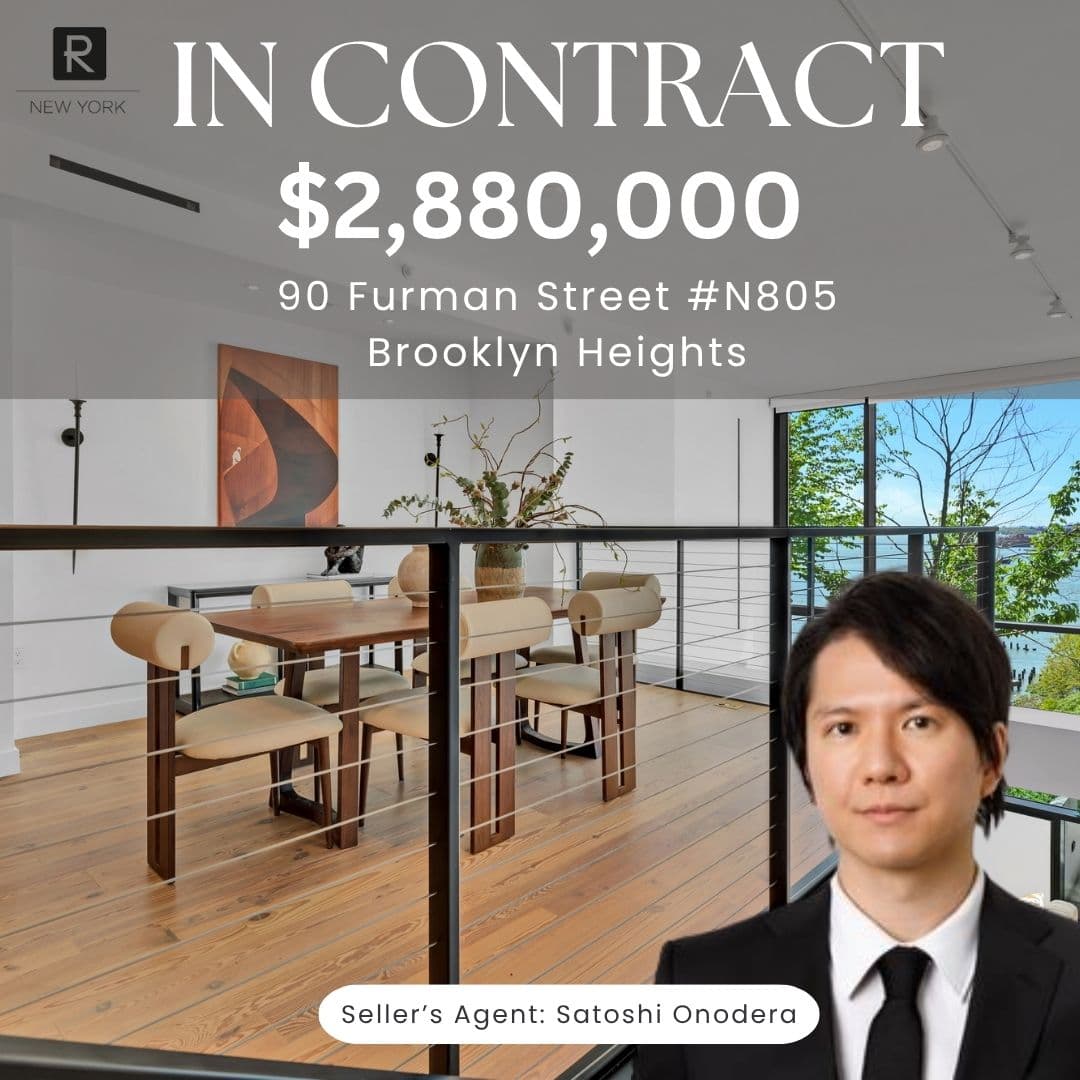
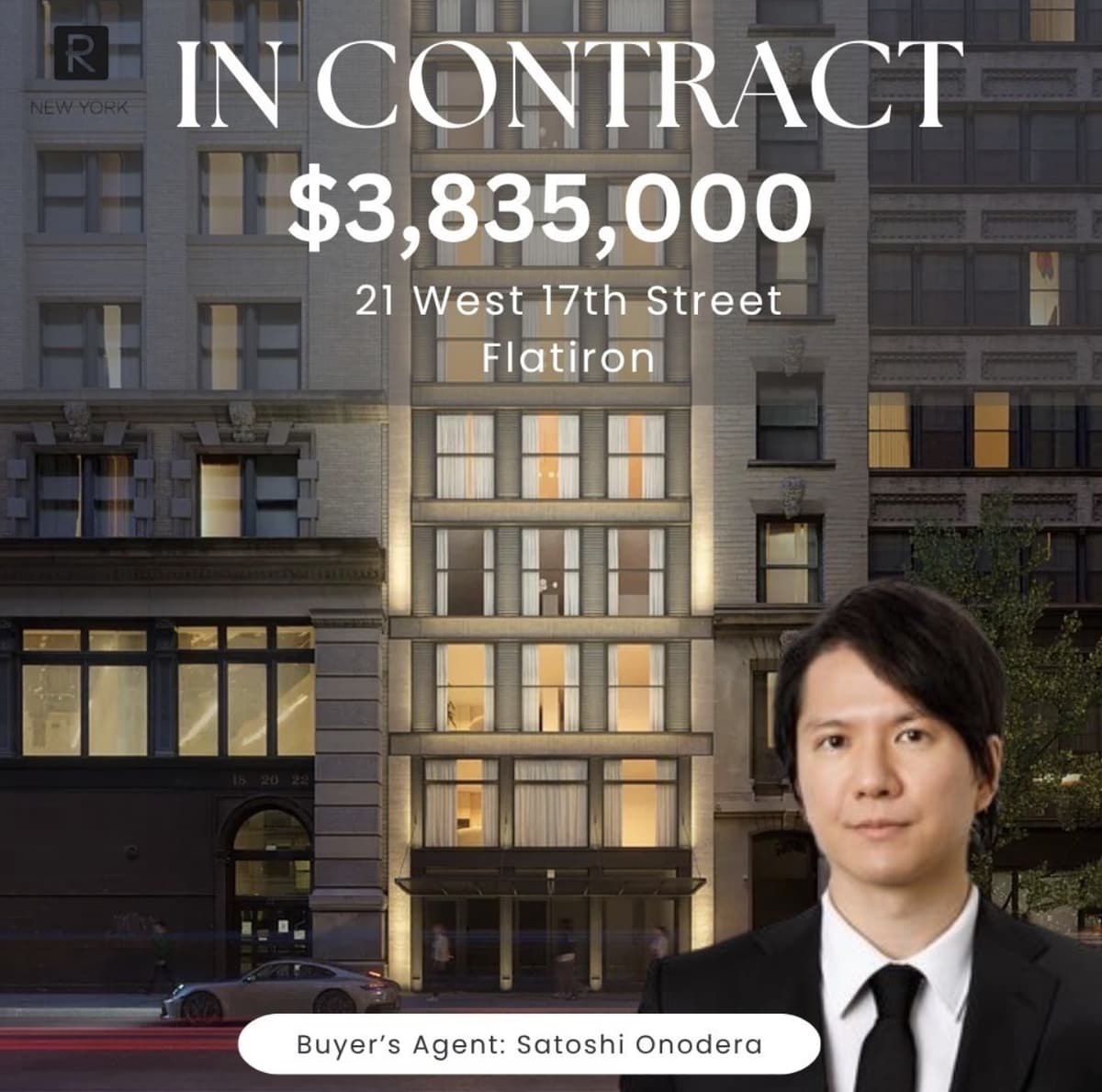
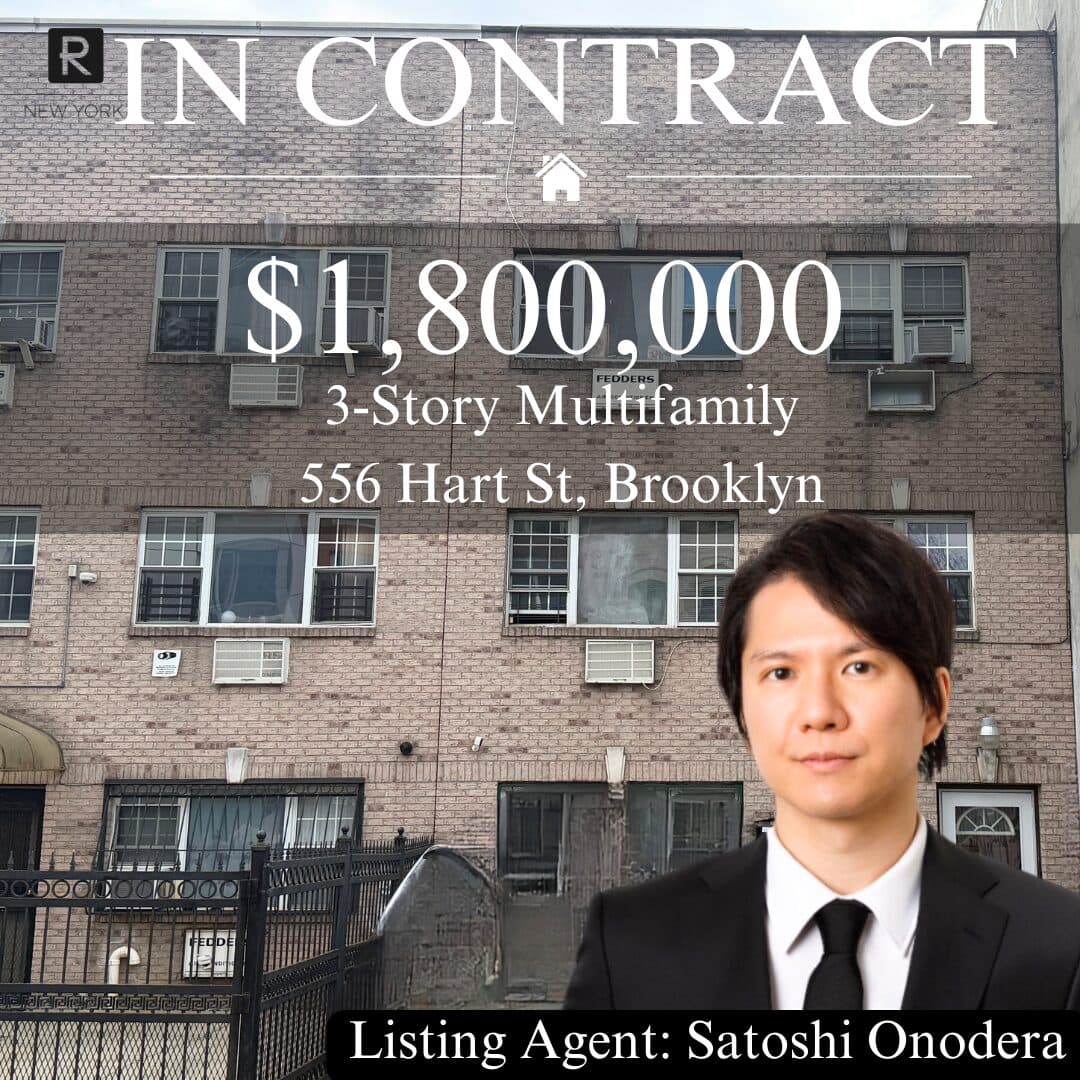
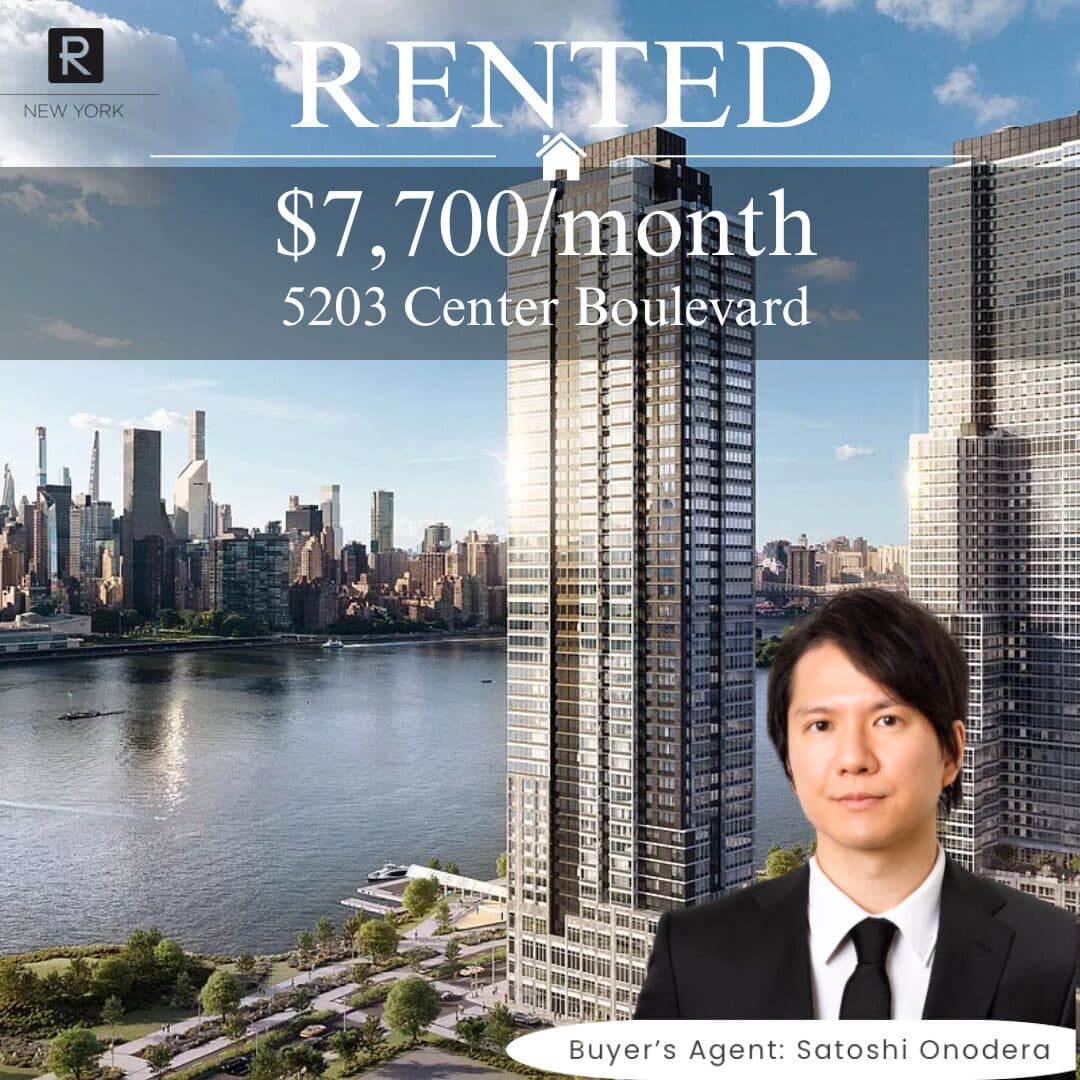
Recent transactions
A sample of the sales, purchases and rentals we acted on in 2025 and 2026.














Real estate brokerage services are provided through R New York.
Important notice
The figures on this page are general information as of August 2026 and do not represent an offer, a quote, or a guarantee of any transaction terms. Reinvent NY does not provide legal, tax, or investment advice. Confirm anything material with an attorney and a CPA before you act on it. Nothing here is a solicitation to invest, and no return is promised. Real estate brokerage services are provided through R New York.