
At five units the loan changes,
and so does everything else
Two to four units is still a house to a lender. Five and above is a business, valued on its income and financed on the building's numbers rather than yours.
Before you read on
- General guidance. Rent regulation status, certificates of occupancy and open violations are property-specific and must be verified before contract.
- Nothing here is legal or tax advice. Small multifamily in New York carries real regulatory exposure and warrants a specialist attorney.
Step 1The line at five units
It is the most consequential threshold in US property, and it is not about size.
| 2–4 units | 5+ units | |
|---|---|---|
| Loan type | Residential | Commercial |
| Underwritten on | Your income and credit | The building's net operating income |
| Deposit | 20–25%, less if owner-occupied | 25–35% |
| Term | 30-year fixed available | 5–10 year fixed, 25–30 year amortisation, balloon at the end |
| Rate | Close to home loan pricing | Higher, plus a debt service coverage test |
| Valuation method | Comparable sales | Income capitalised at a market cap rate |
| Effect of raising rent | Modest, on refinance | Direct — it changes the value of the asset |
Debt service coverage of 1.20–1.25× is a standard commercial requirement: net operating income must exceed the loan payment by that margin. It is the test that decides how much you can borrow, not your salary.
The practical consequence is that a five-unit building is bought with a business plan. Because value is income divided by a cap rate, an extra $12,000 of annual net income at a 5.5% cap rate adds roughly $218,000 of value. That mechanism does not exist in a condominium, and it is the whole reason investors move up to this asset class.
Step 2Reading a rent roll
The gap between what tenants pay now and what the units would let for today. It is the headline opportunity in most listings and is only real where the leases can actually be reset.
A building where every lease runs another twenty months is a building with no near-term upside. Map the expiries before you price the opportunity.
Ask for twelve months of actual bank deposits, not the schedule the seller typed. Arrears and concessions do not appear on a rent roll.
A rent-stabilised unit cannot simply be re-let at market. In New York this single item determines whether the loss to lease is an opportunity or a fiction.
Step 3What the operating statement leaves out
| Line | Seller's statement | Underwrite at | Why |
|---|---|---|---|
| Vacancy | Often 0% | 5–8% | Turnover, letting time, and the odd bad month |
| Management | Often absent | 5–8% of collections | Because you are not doing it yourself from abroad |
| Repairs and maintenance | Understated | $800–$1,500 per unit a year | Older buildings run higher |
| Capital reserve | Usually absent | $250–$500 per unit a year | Roof, boiler, façade — not if but when |
| Property taxes | Current bill | Reassessed value | A recorded sale often resets the assessment |
| Insurance | Current premium | Quote it yourself | Premiums have moved sharply; the seller's rate is not yours |
| Water and sewer | Sometimes omitted | Actual bills | In New York these follow the building, and arrears become yours |
| Legal and eviction | Absent | A line for it | Housing court timelines are long and the cost is real |
Rebuild the statement from source documents — tax bills, insurance declarations, utility invoices and twelve months of bank statements. Underwriting the seller's spreadsheet is the most common way investors overpay.
Step 4Three checks before you go under contract
| Check | Where it comes from | What kills a deal |
|---|---|---|
| Certificate of occupancy | Department of Buildings | A three-family certificate on a building operating as four; the fourth unit is illegal and unlendable |
| Open violations and permits | City records | Unresolved work orders, emergency repair charges, and stop-work orders |
| Rent registration history | State housing agency | Units registered as stabilised that the seller presented as free market |
| Boiler, roof and façade | Specialist inspection | Six-figure items disguised as deferred maintenance |
| Tenant files | Seller | Missing leases, unrefunded deposits, side agreements |
| Insurance quote | Your own broker | A building the market will only insure at a punitive rate |
It is the most accessible entry point in New York: residential financing, an owner-occupier deposit if you live in one unit, and a tenant covering part of the loan. It is also a real landlord's job.
Yes. Commercial lenders will finance foreign national borrowers, usually at 50–60% loan to value with reserves, and the building is normally held through a US entity.
It caps what you can charge and gives the tenant renewal rights. A stabilised building is valued on its regulated income and is not a value-add play, whatever the marketing says.
By what comparable buildings in the same submarket have actually traded at, not by a national average. Ask for the trades behind any cap rate quoted to you.
Commercial loans commonly amortise over 25–30 years but mature in five to ten, leaving a lump sum to refinance. Plan the exit or the refinance from the day you sign.
Let’s talk first
Send us a rent roll and an operating statement and we will rebuild them from source documents and tell you what the building is really worth.
RELATED GUIDES
Recent transactions
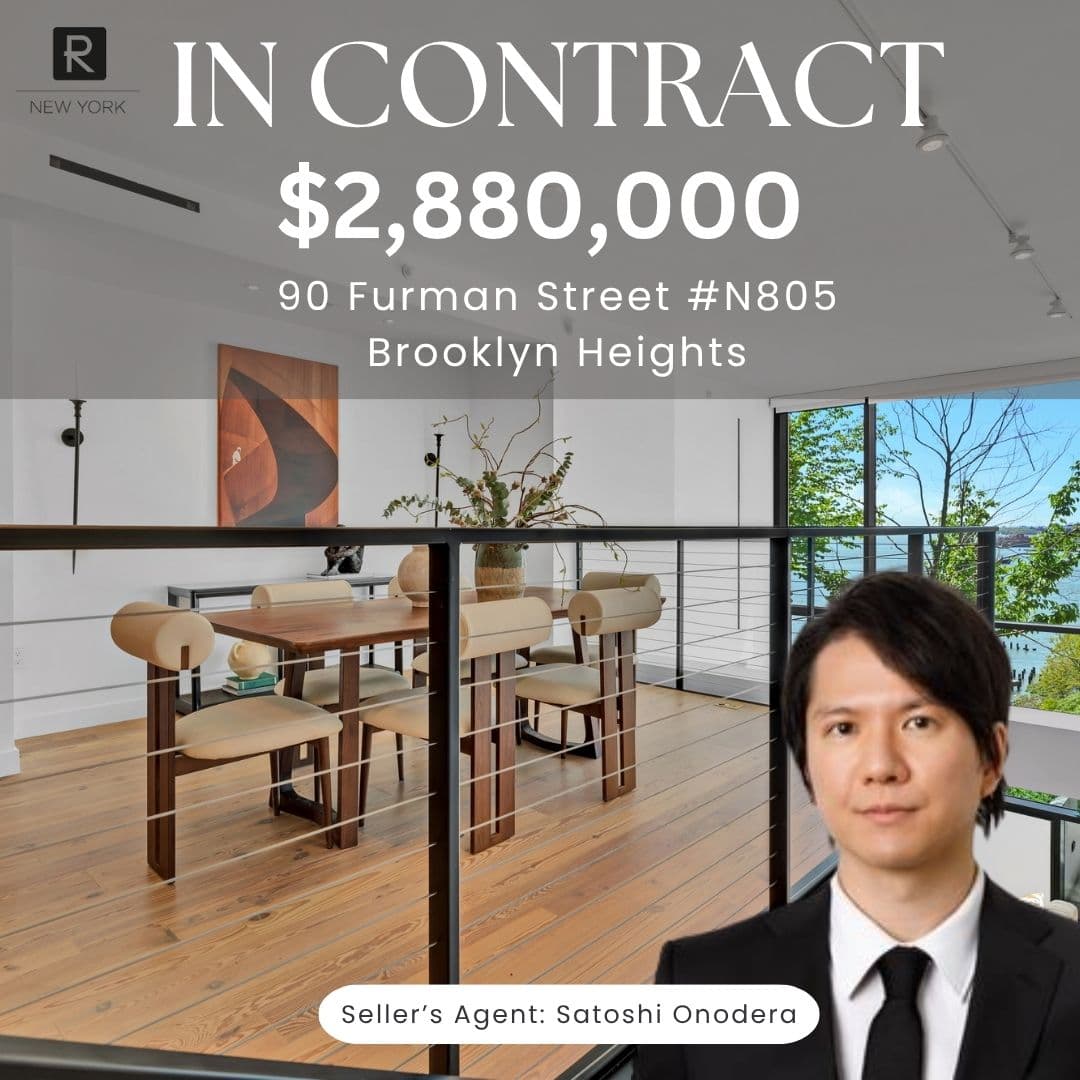
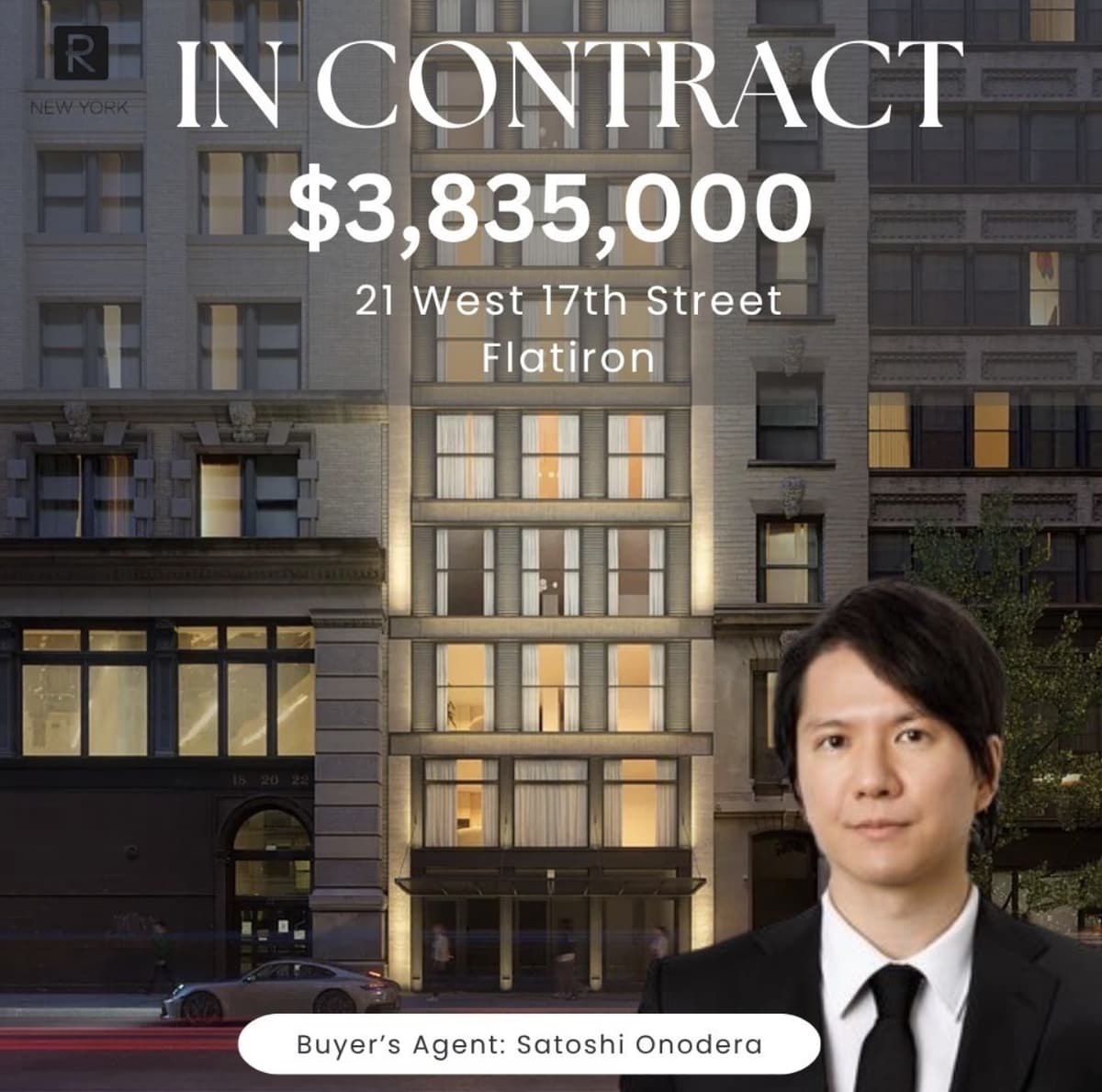
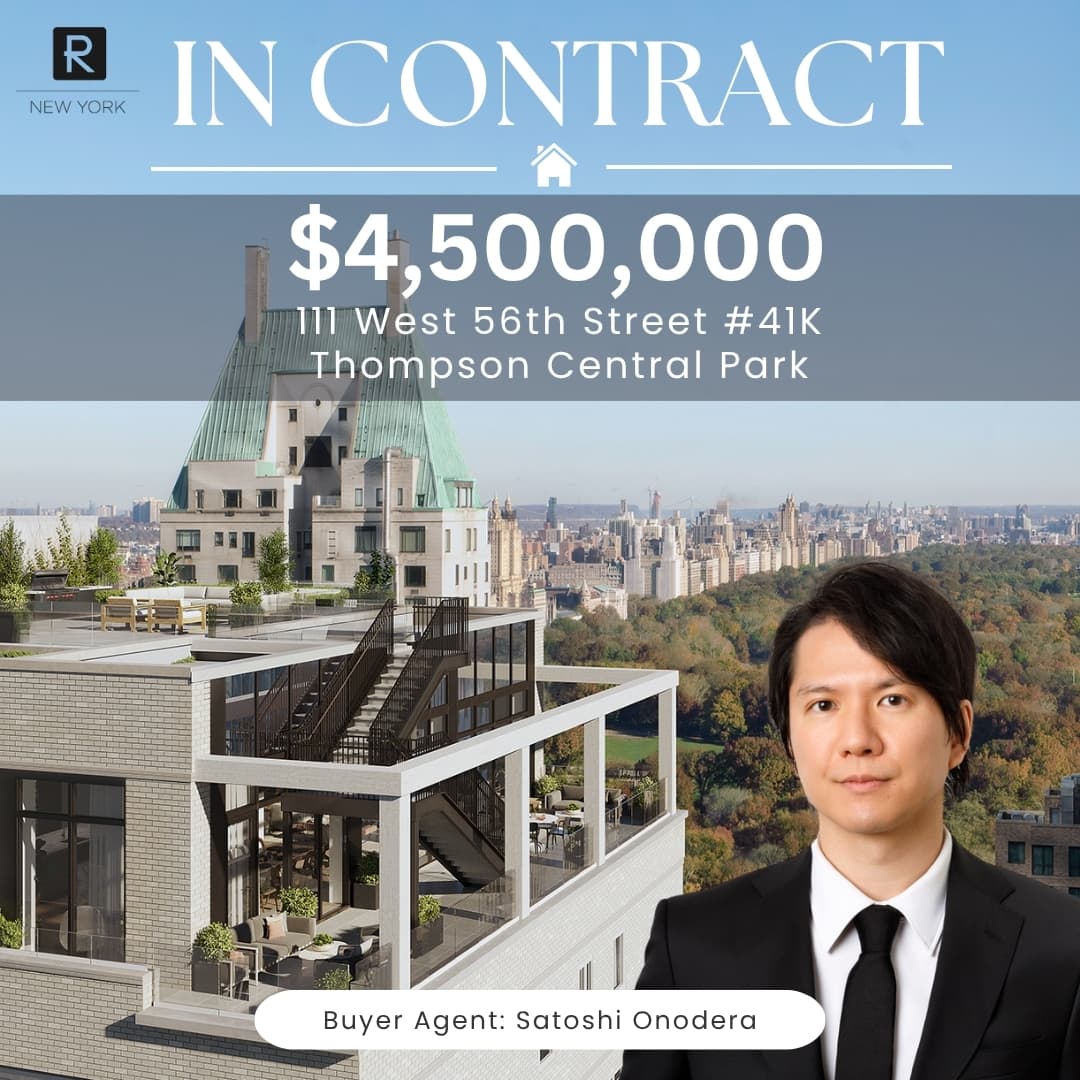
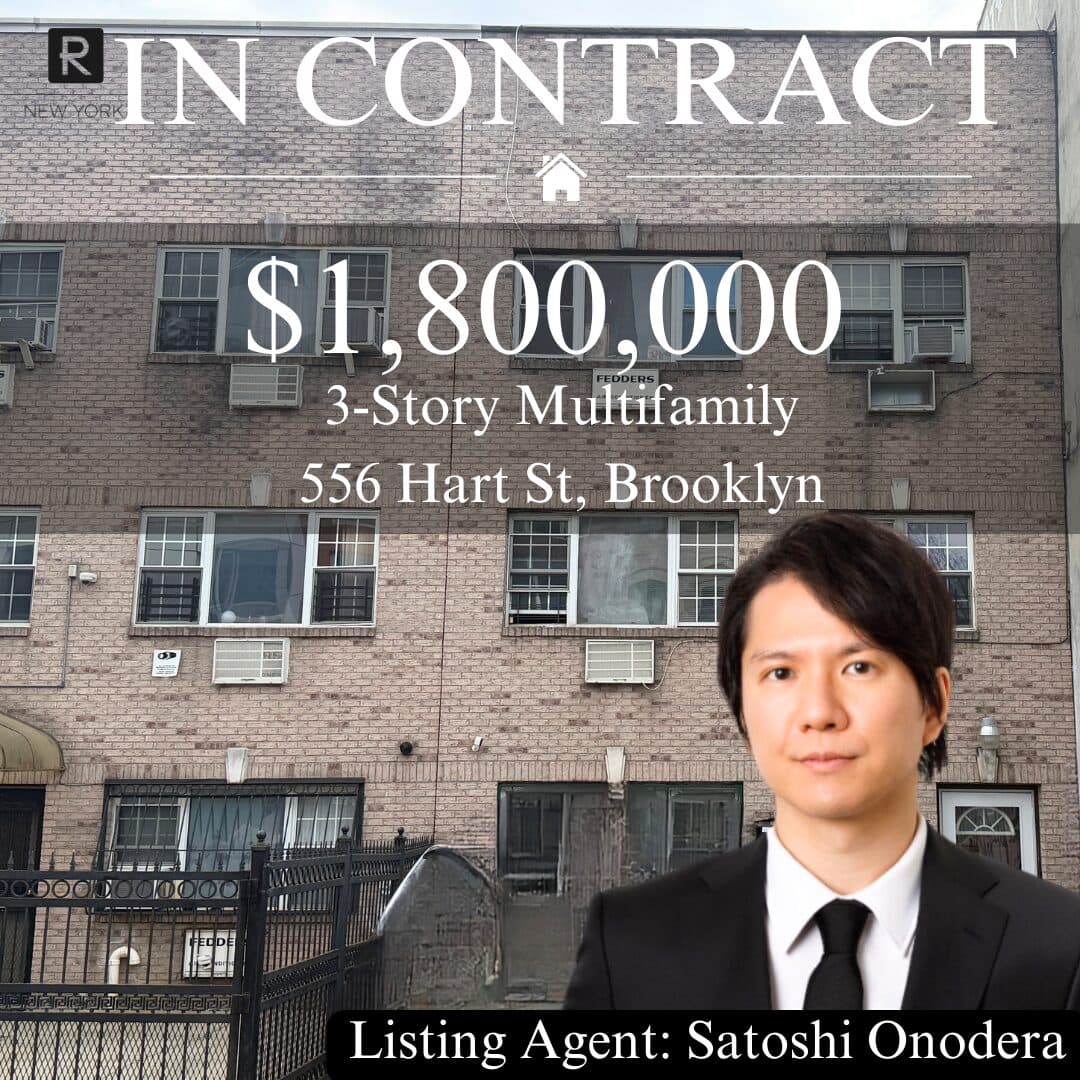
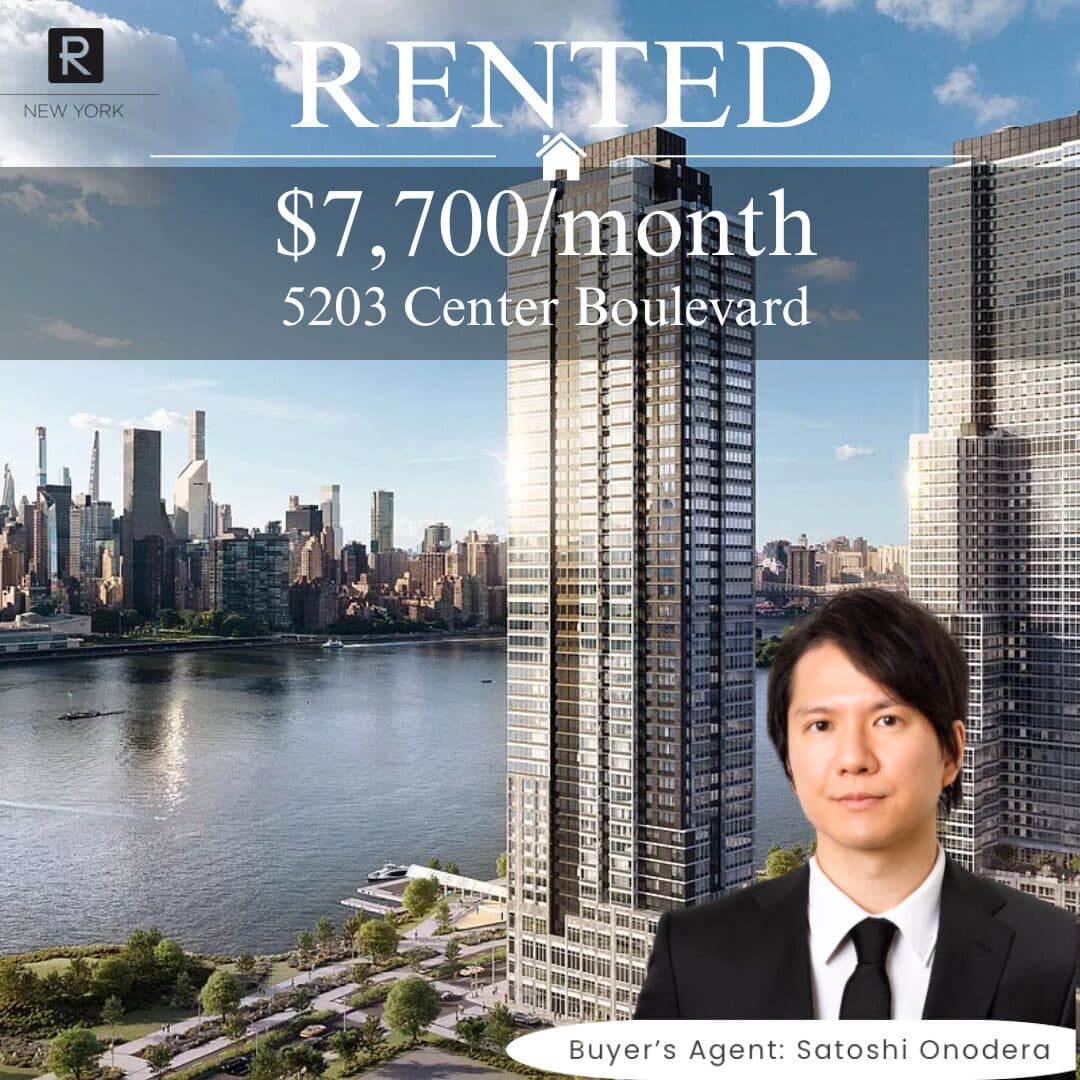
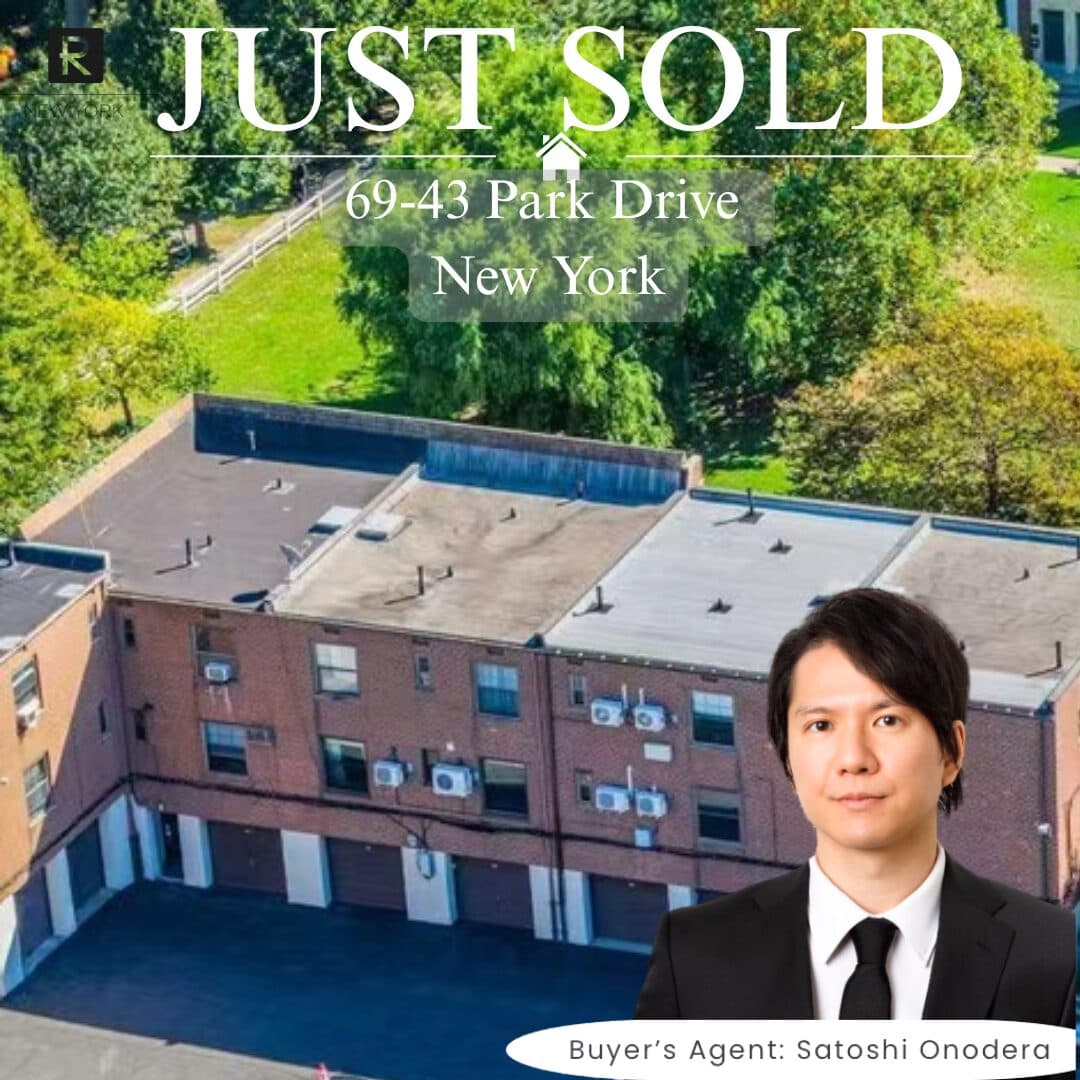
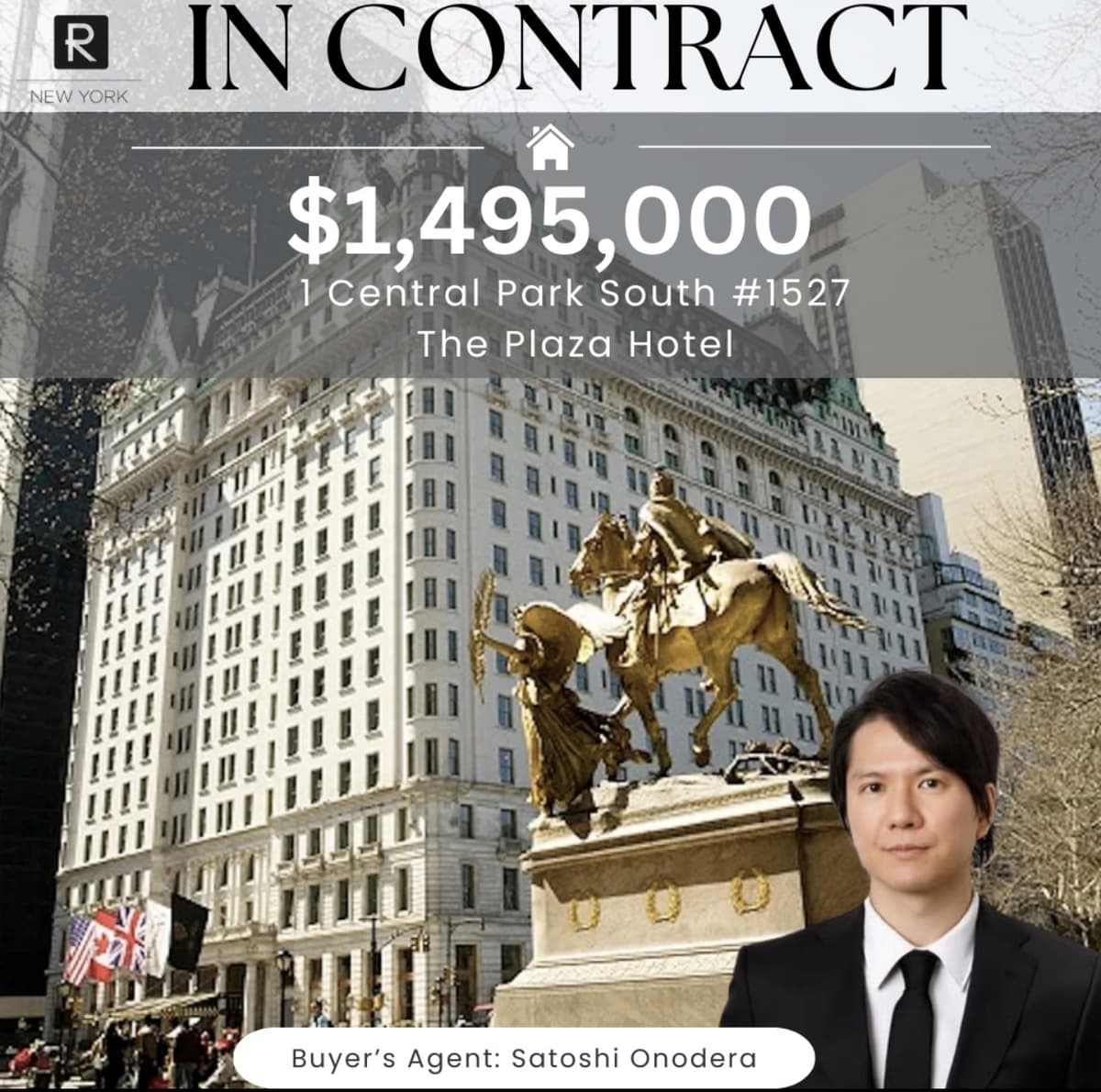
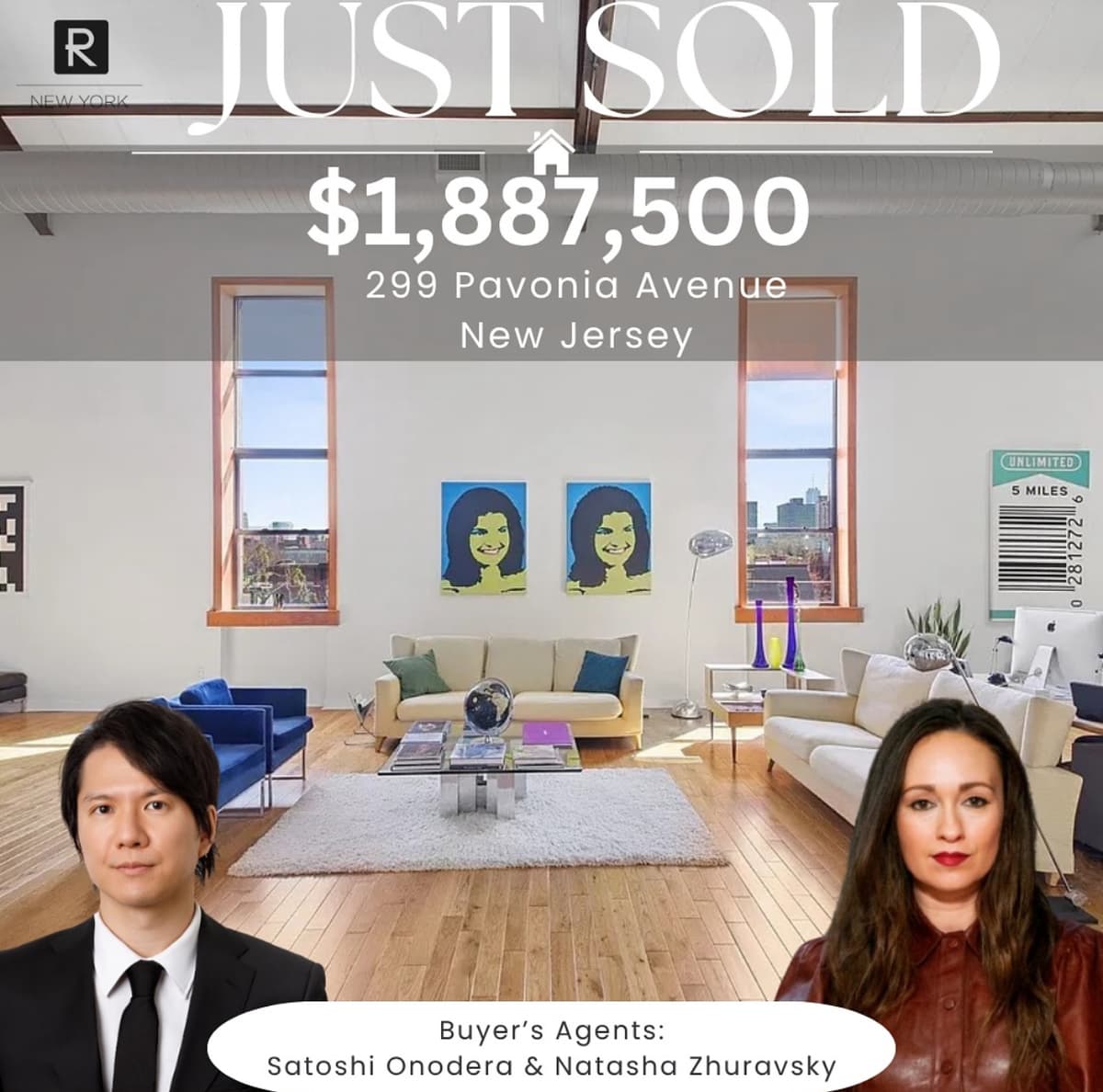
A sample of the sales, purchases and rentals we acted on in 2025 and 2026.












Real estate brokerage services are provided through R New York.
Important notice
The figures on this page are general information as of August 2026 and do not represent an offer, a quote, or a guarantee of any transaction terms. Reinvent NY does not provide legal, tax, or investment advice. Confirm anything material with an attorney and a CPA before you act on it. Nothing here is a solicitation to invest, and no return is promised. Real estate brokerage services are provided through R New York.