
Someone has to be in the city
when the pipe bursts
Remote ownership works when three things are arranged before the first tenant moves in: a manager, a tax agent, and a plan for who signs what.
Before you read on
- Indicative fees for the New York area in 2026. Rates differ by property type and by how much work the building already does.
- Withholding and filing obligations are summarised at a high level. A US CPA should confirm your position before the first rent is collected.
Step 1What management costs, and what the fee excludes
The headline percentage is the smaller half of the bill in most years.
| Charge | Typical | What it covers | Note |
|---|---|---|---|
| Management fee | 6–10% of collected rent | Rent collection, tenant contact, coordinating repairs, statements | Charged on collected rent, not scheduled rent — check which |
| Letting fee | 50–100% of one month | Marketing, viewings, screening, lease preparation | Recurs at every turnover; the real cost of a short tenancy |
| Renewal fee | $150–$500 or a part month | Negotiating and papering a renewal | Cheaper than a new let, which is why renewals matter |
| Repair mark-up | 0–15% of contractor invoices | Coordination | Ask directly; it is where a cheap fee becomes expensive |
| Set-up fee | $200–$500 | Onboarding, inspection, file creation | One-off |
| Vacancy fee | $0–$100 a month | Checks on an empty unit | Not always charged |
Compare offers on the total cost of one full cycle — a letting, twelve months of management, and one renewal — rather than on the percentage. A 6% manager with a full month's letting fee and a 15% repair mark-up costs more than an 8% manager without them.
Step 2What a good manager actually does
Income verification, credit and background checks, prior landlord references, applied consistently to every applicant. A bad tenant costs more than every fee in this table combined, and inconsistent screening creates fair housing exposure.
Automatic payment, a written escalation path, and someone who starts the process on day five rather than day forty. New York housing court is slow; time lost early is never recovered.
A vetted contractor list, an authority limit you set — typically $300–$500 without asking — and photographs with every invoice. Ask how emergency calls are handled at 2am.
Smoke and carbon monoxide certification, window guards where required, lead paint notices, annual filings and building registrations. Missing these produces fines and, worse, a defence for a tenant who stops paying.
An owner statement with income, expenses, invoices attached, and a year-end package your accountant can file from. Ask to see a sample before signing.
Someone the managing agent, the superintendent and the tenant can reach in the same time zone. Most of what goes wrong remotely is a communication failure rather than a building failure.
Step 3The management agreement
| Clause | Ask for | Why |
|---|---|---|
| Term and termination | 30–60 days without cause | A twelve-month lock with a poor manager is a long year |
| Repair authority limit | A stated dollar figure | Otherwise you either approve every washer or approve nothing |
| Where rent is held | A segregated trust account | Your money should not sit in the manager's operating account |
| Payment date to you | A fixed day each month | Cash flow you can plan around |
| Mark-ups and affiliates | Disclosed in writing | In-house maintenance arms are common and not always cheaper |
| Insurance | Their liability cover, and you named on the policy | Confirm it rather than assume it |
| Records on exit | All leases, deposits and files transferred | The handover is where owners discover what was never done |
Step 4The withholding rule non-resident owners miss
Rent paid to a non-resident owner is, by default, subject to US withholding tax at 30% of the gross rent, with no deduction for common charges, taxes, insurance or the mortgage. On a property that nets very little, withholding on gross rent can exceed the entire cash flow.
The alternative is an election to treat the rental as income effectively connected with a US trade or business, which is taxed on the net figure after expenses and depreciation at ordinary rates. It requires a US taxpayer identification number and a return each year, and it is normally far better. Make the election before the first rent is collected — fixing it retrospectively is possible but tedious, and the manager will withhold in the meantime.
| Position | Taxed on | Requires |
|---|---|---|
| Default | 30% of gross rent, withheld at source | Nothing — it happens automatically |
| Net election | Net income after expenses and depreciation | ITIN or EIN, an election statement, an annual return |
| Held through a US entity | At the entity level, depending on structure | Formation, filings, and advice before purchase |
Also plan for FIRPTA on the eventual sale, where 15% of the gross price is withheld regardless of the gain. It is a separate rule and it surprises owners at exactly the wrong moment.
For a single condominium with a long lease and a doorman building, some owners do. For anything with a boiler, a stoop or more than one tenant, the time difference alone makes it impractical.
On a portfolio, yes. On one apartment, rarely — and the letting fee and mark-ups are where the real negotiation is anyway.
In New York it must sit in a separate account and, for buildings of six units or more, in an interest-bearing account with interest to the tenant. Confirm which account it is in and get the details.
A formal notice, then housing court. Timelines run to months. This is the reason to screen properly and to hold a reserve rather than to spend the cash flow.
Yes, in practice. Managers pay owners into a US account, and it is where the tax and insurance are paid from.
Let’s talk first
Tell us where the property is and we will introduce managers who work that building type, and set out what the tax election requires.
RELATED GUIDES
Recent transactions
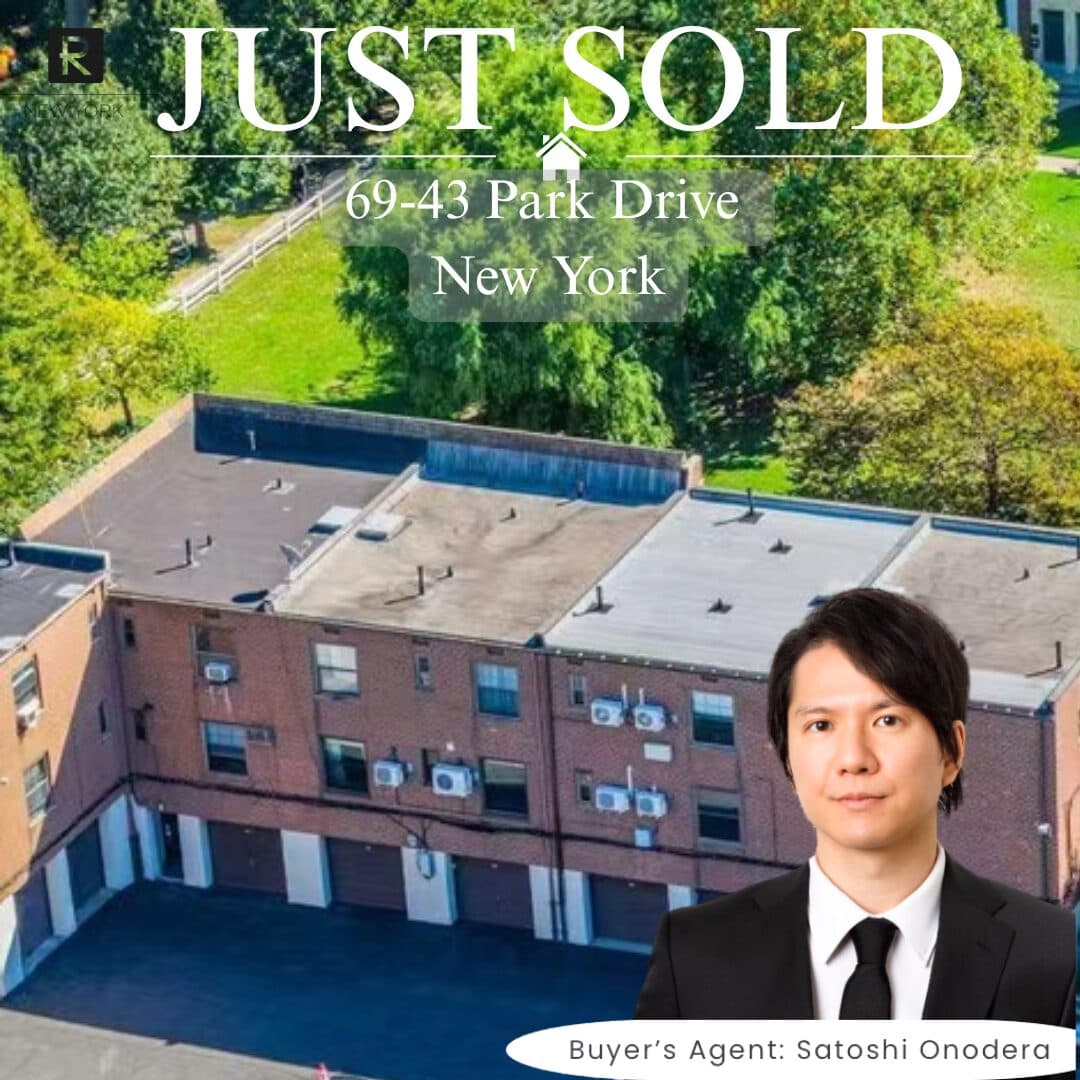
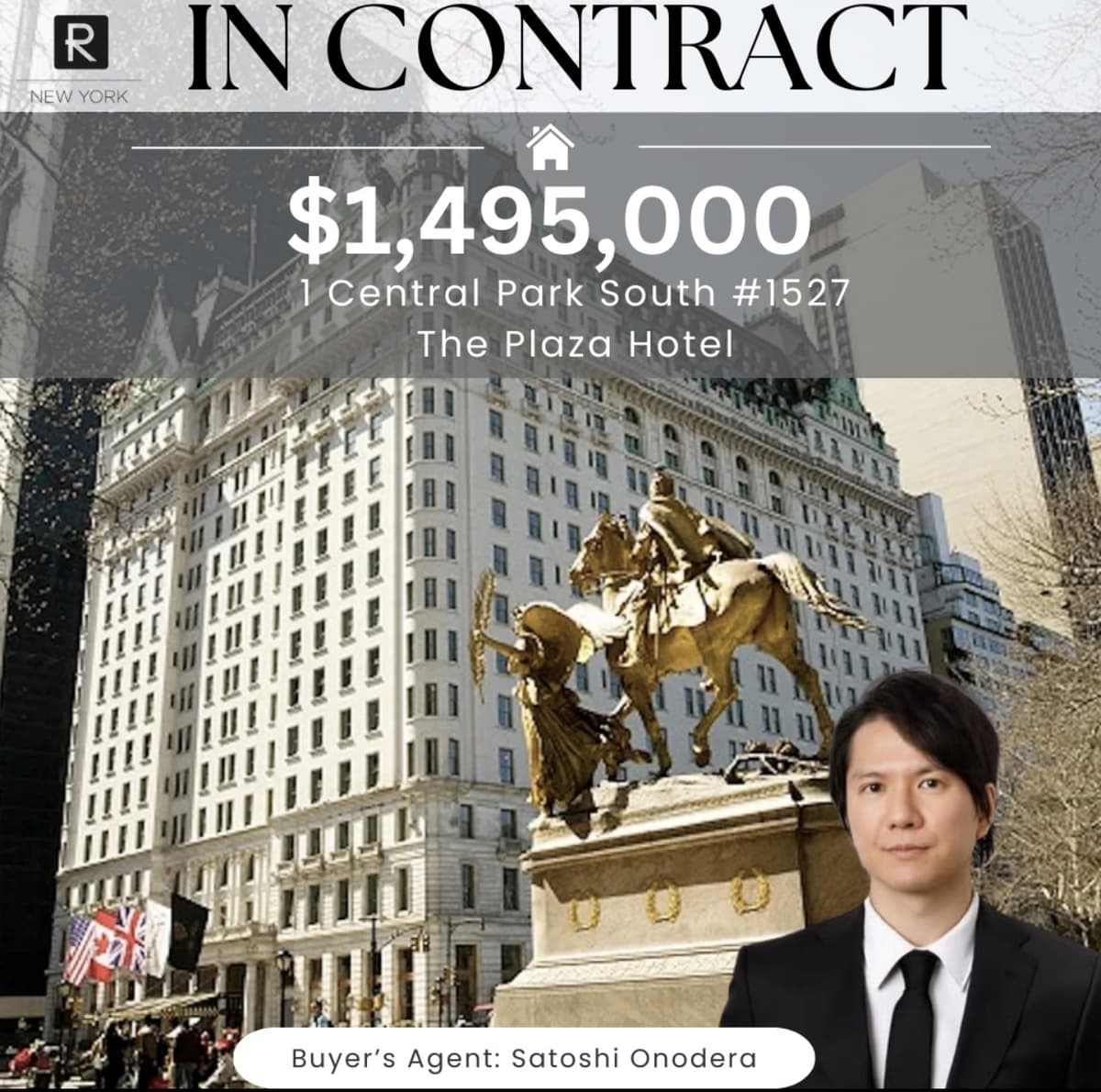
A sample of the sales, purchases and rentals we acted on in 2025 and 2026.

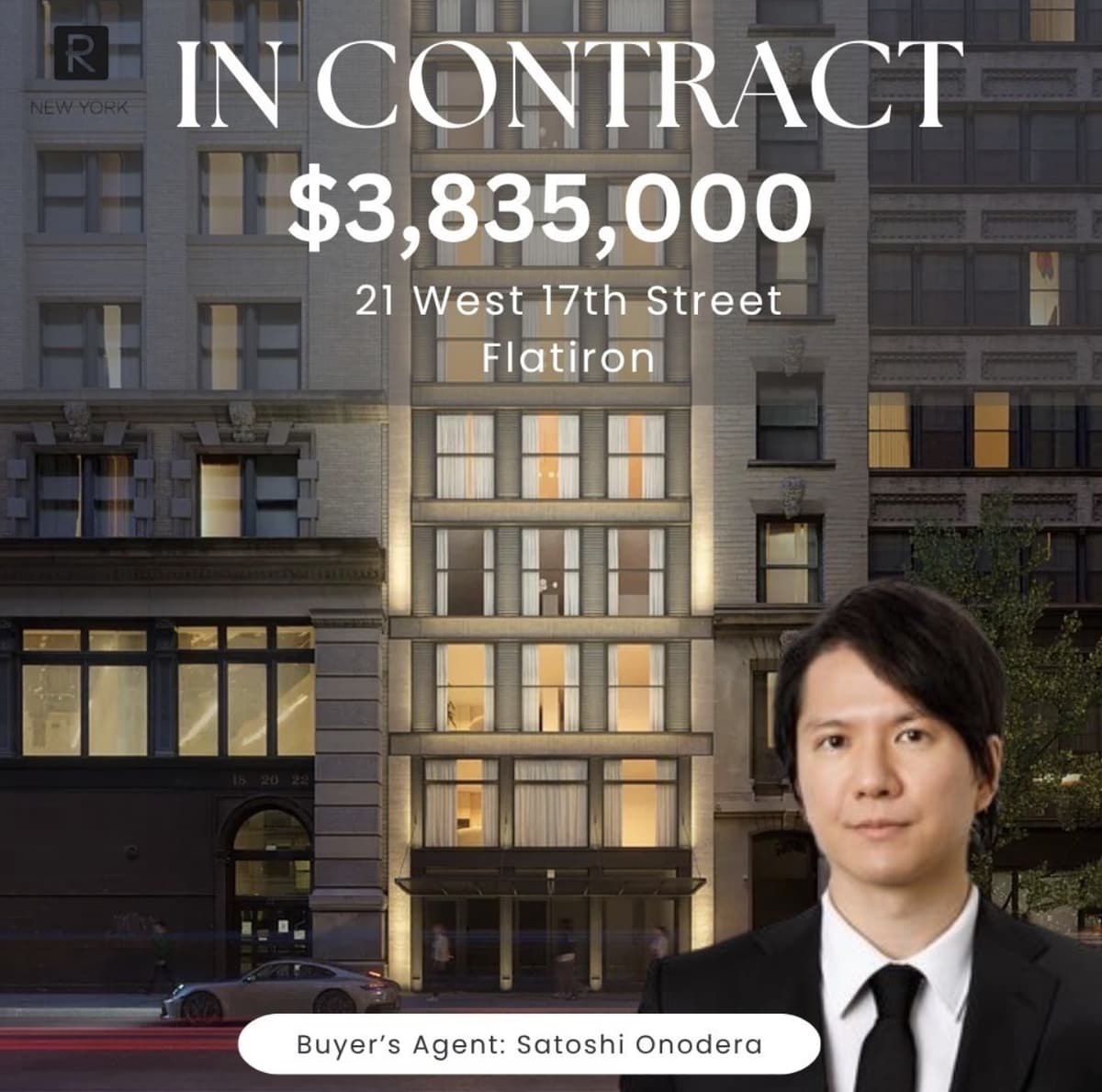

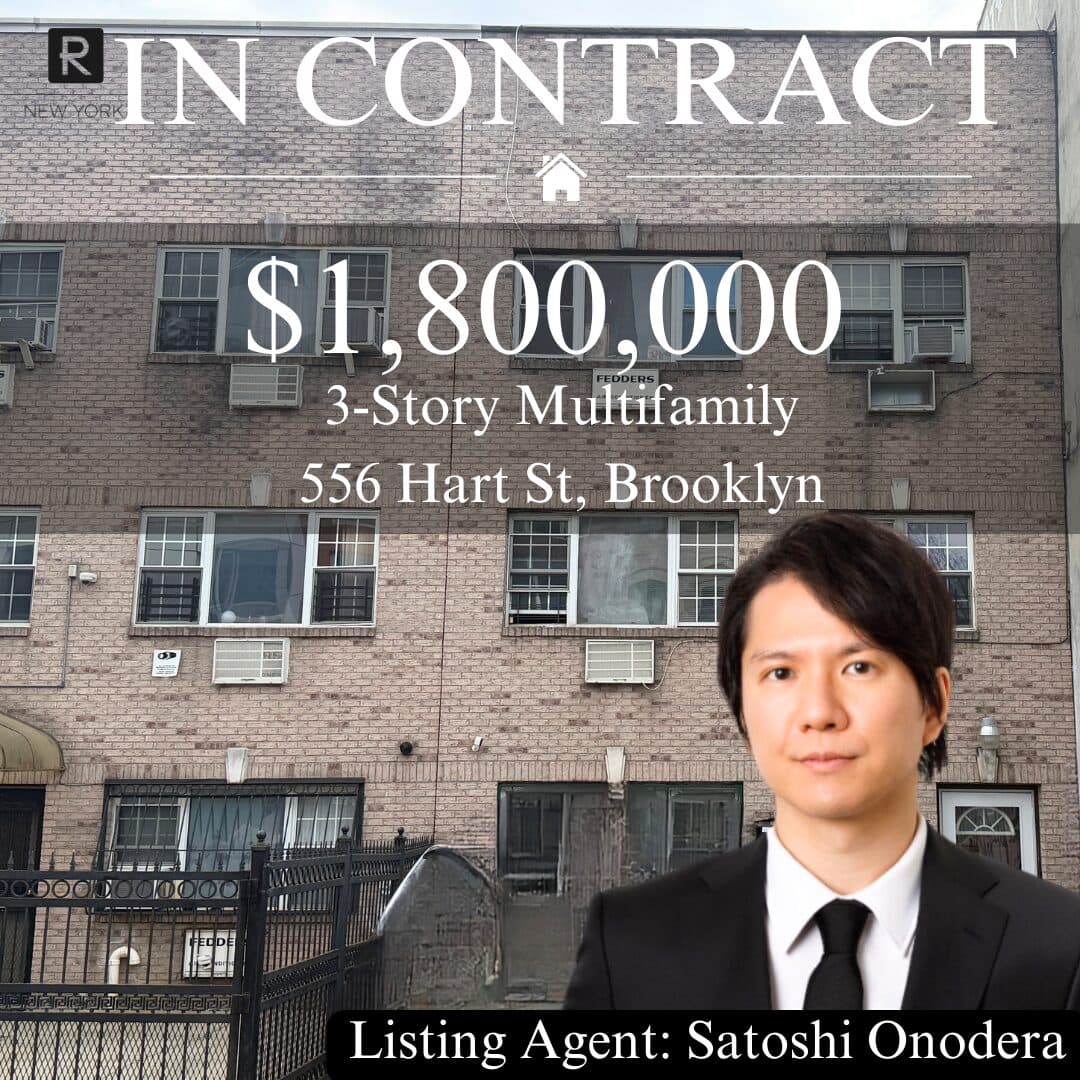



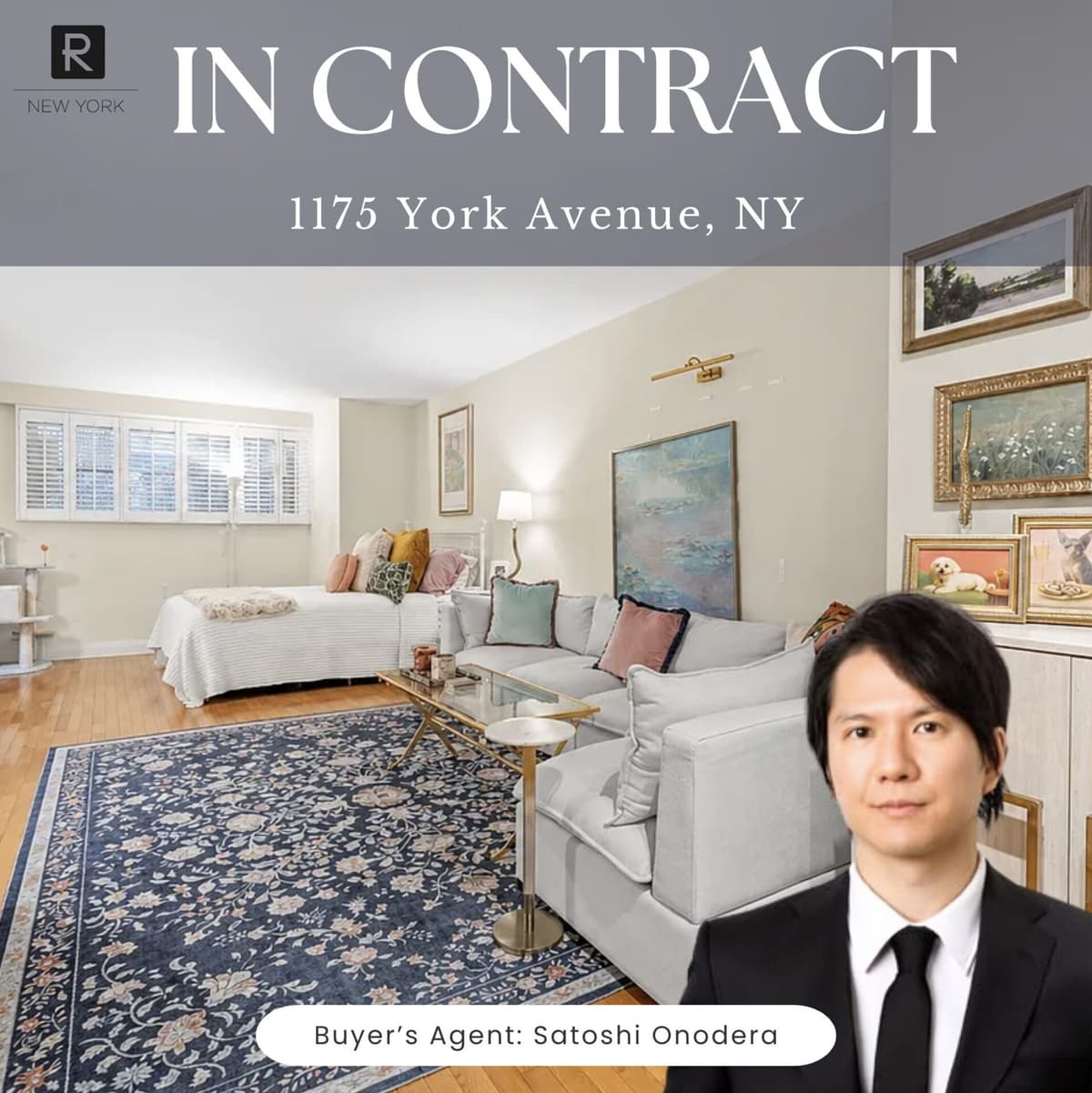
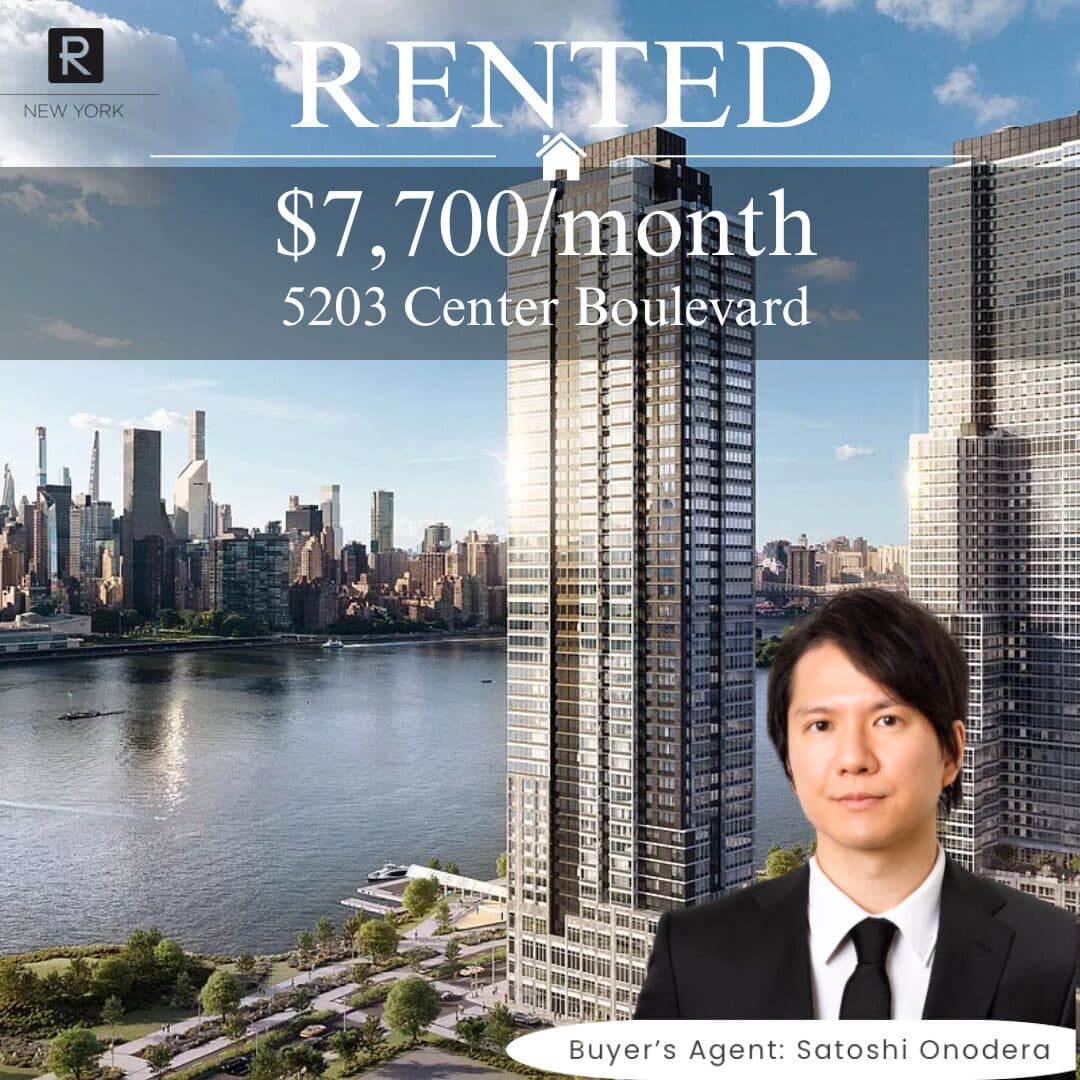









Real estate brokerage services are provided through R New York.
Important notice
The figures on this page are general information as of August 2026 and do not represent an offer, a quote, or a guarantee of any transaction terms. Reinvent NY does not provide legal, tax, or investment advice. Confirm anything material with an attorney and a CPA before you act on it. Nothing here is a solicitation to invest, and no return is promised. Real estate brokerage services are provided through R New York.