
The contract is written
by the seller, for the seller
A sponsor sale runs on the developer's own contract and their own offering plan. Almost nothing in it is negotiable, which makes reading it properly the entire job.
Before you read on
- General guidance on New York practice. The offering plan for a specific building governs that building and overrides anything here.
- Tax abatement programmes change. Confirm the programme, the remaining term and the schedule for the specific unit before relying on any figure.
Step 1What a sponsor sale is
A purchase from the developer of a new or newly converted building, rather than from an individual owner.
New York requires a developer to file an offering plan with the Attorney General before selling. It is a long document — budget, building specification, unit-by-unit common interest, the projected first-year common charges and taxes — and it is the only statement of the deal that carries legal weight. Marketing material does not.
Amendments are filed as the project progresses, and they are where the news lives: a revised budget, a delayed first closing, a change in the amenity programme. Ask for every amendment, not just the plan.
Step 2The costs the buyer picks up
| Line | Resale purchase | Sponsor purchase | On a $2m unit |
|---|---|---|---|
| NYC real property transfer tax | Seller | Usually the buyer | About $28,500 |
| NYS transfer tax | Seller | Usually the buyer | About $8,000 |
| Sponsor's attorney fee | Not applicable | Buyer, $3,000–$5,000 | $3,000–$5,000 |
| Working capital contribution | Not applicable | Buyer, 1–2 months of common charges | $2,000–$5,000 |
| Resident manager's apartment contribution | Not applicable | Sometimes charged | Varies |
| Mansion tax | Buyer | Buyer | 1% at $2m |
Indicative for New York City in 2026. Shifting the transfer taxes to the buyer is customary in sponsor sales and is occasionally negotiable in a slow market — it is the single largest item to try.
The effect is that closing costs on a sponsor purchase commonly run to 4–5% of the price against 2–3% on a resale. Compare a new development against a resale on the total cash required at closing, not on the price per square foot.
Step 3What to read in the offering plan
Common charges and real estate taxes are projections made by the sponsor. Under-projection is common, and the correction arrives as your first increase. Compare the per-square-foot figure with completed buildings nearby.
421-a for older projects, 485-x for those starting after mid-2024. Confirm the term, the phase-out schedule and what the unabated tax will be. A tax that triples in year eleven changes the investment case.
Sponsors reserve the right to move the closing date, often repeatedly. Read what happens to your deposit, whether interest accrues to you, and at what point you may cancel.
Ten per cent at contract is standard, with a second ten per cent sometimes due at a construction milestone. Deposits sit in an escrow account controlled by the sponsor's attorney.
The plan permits substitution of 'equal or better' materials. That phrase does a great deal of work, and appliances and finishes routinely change between the model unit and yours.
Defects noted at the pre-closing walk-through are the only ones the sponsor is obliged to correct. Bring an inspector, take photographs, and get the list signed.
Step 4What a new building is worth paying for, and what it is not
| Feature | Real value | Caveat |
|---|---|---|
| Tax abatement in place | High while it runs | Model the unabated figure before you buy, not after |
| Condominium rather than co-op | High for a non-resident | Almost all new construction is condominium; sublet freedom is the point |
| Warranty on the building | Moderate | Housing Merchant warranty is limited in scope and time; it is not a repair fund |
| Amenity floors | Low to moderate | Staff and maintenance recur in the common charges for the life of the building |
| Sponsor concessions | High in a slow market | Paid transfer taxes or common charges are worth more than a headline discount |
| Being the first owner | Low | New buildings settle, and the first two years are when defects surface |
On price, sometimes, and less than on a resale — a sponsor protects the headline number because it sets the value of every unsold unit. Concessions are the realistic ask: transfer taxes, a period of common charges, an upgrade package.
You are buying from a plan and a model. Deposits are escrowed, closing dates move, and the offering plan sets out your cancellation rights. Read those clauses before signing rather than when the date slips.
For anyone who may rent the unit out, live abroad, or hold through an entity, yes, and by a wide margin. For an owner-occupier paying cash, a co-op is often materially cheaper for the same apartment.
Treat it as a floor. Ask for the figure at comparable completed buildings on a per-square-foot basis and budget to that instead.
The successor to 421-a for projects beginning after June 2024, providing a period of reduced real estate taxes in exchange for affordability and wage conditions. Terms differ by project size, so confirm the schedule for your building.
Let’s talk first
Send us the building and we will read the offering plan and its amendments, price the closing costs properly, and tell you what is negotiable.
RELATED GUIDES
Recent transactions
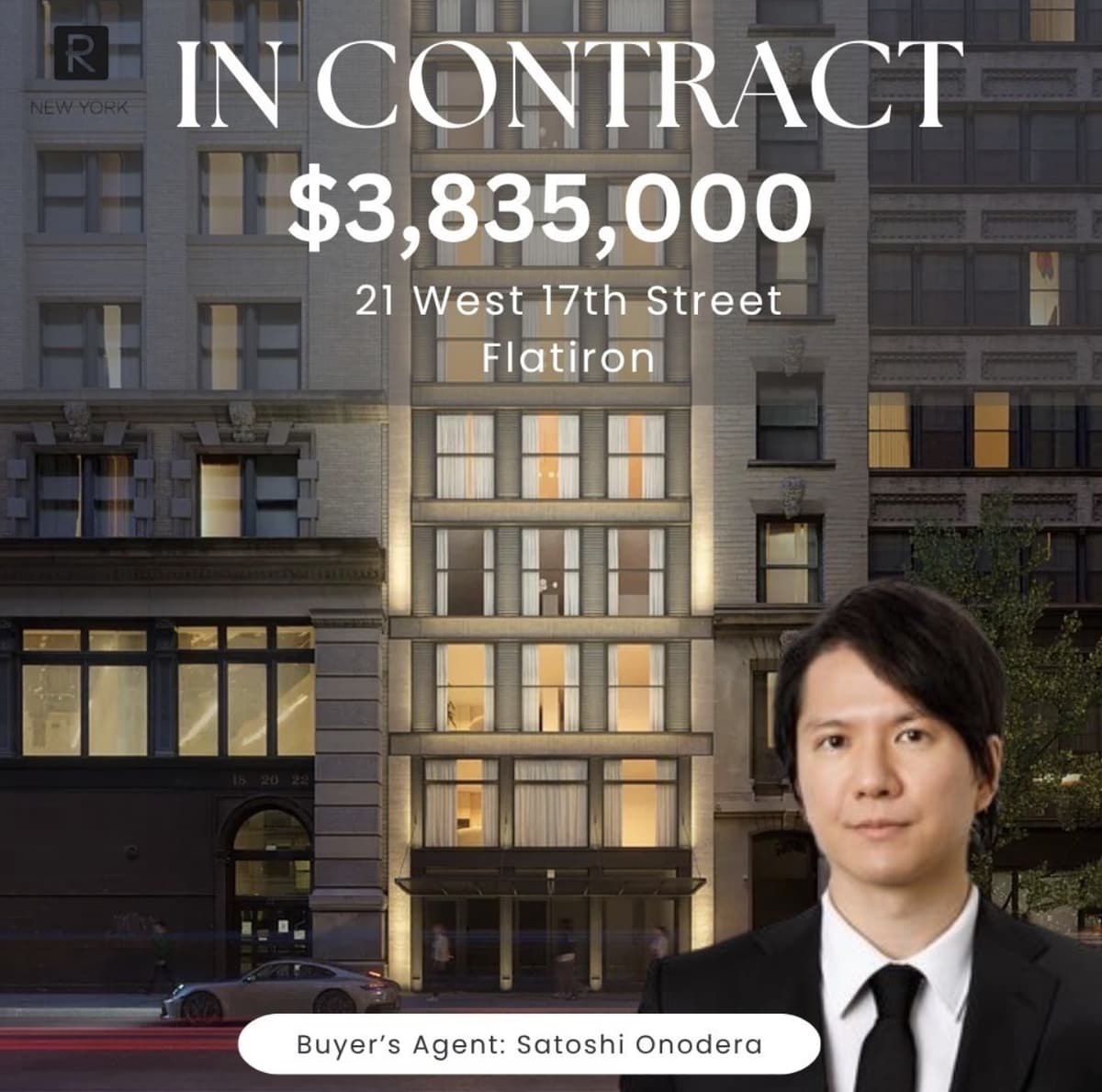
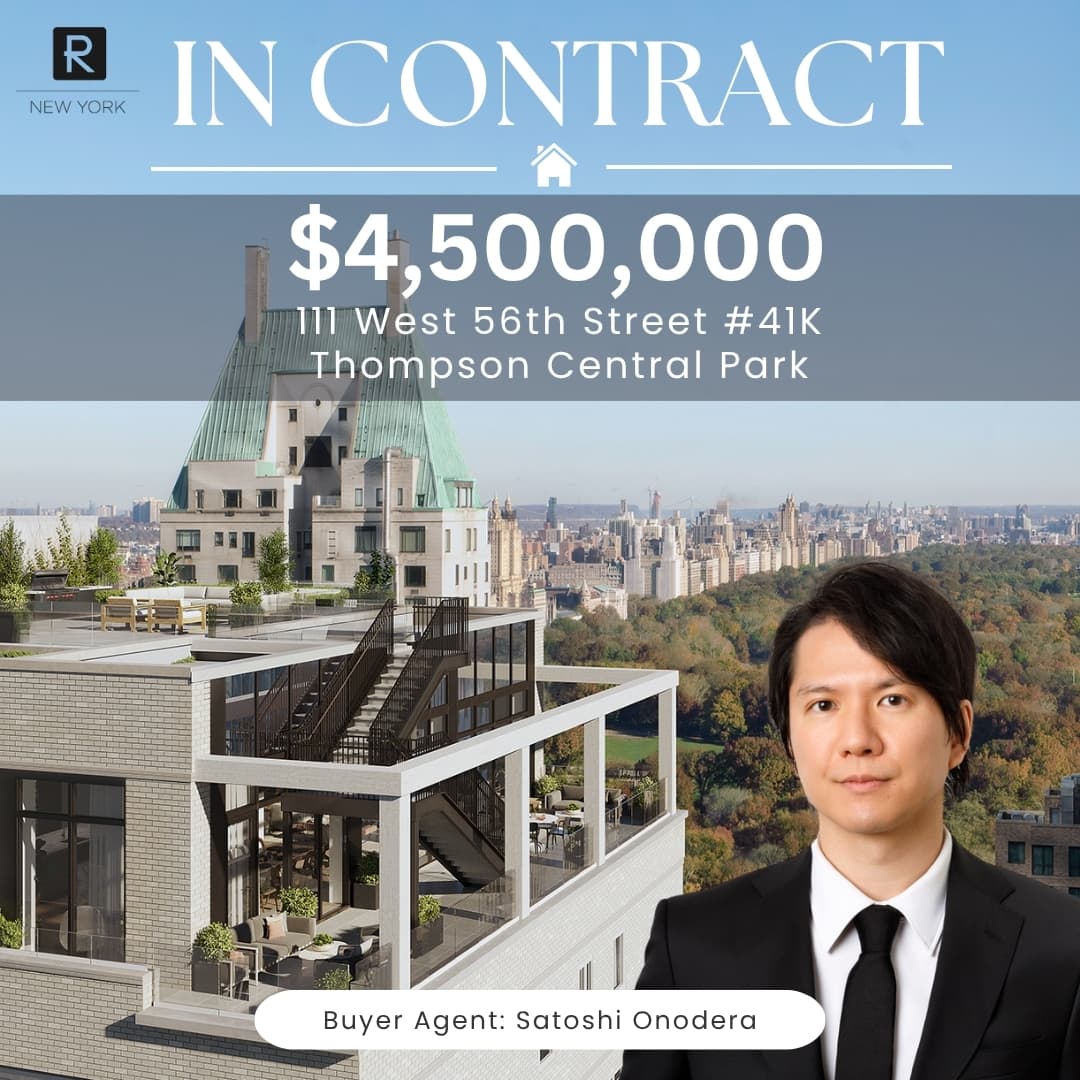
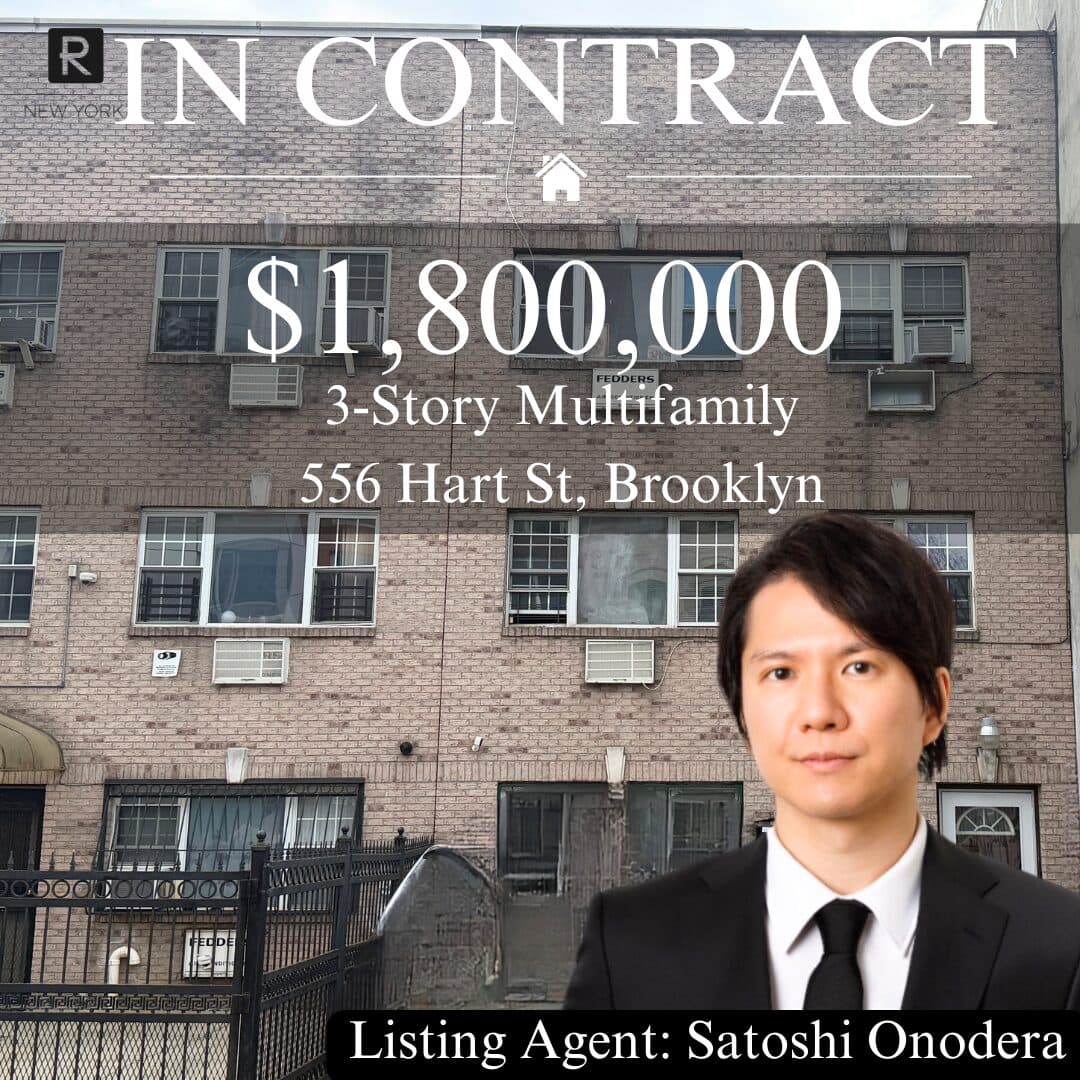
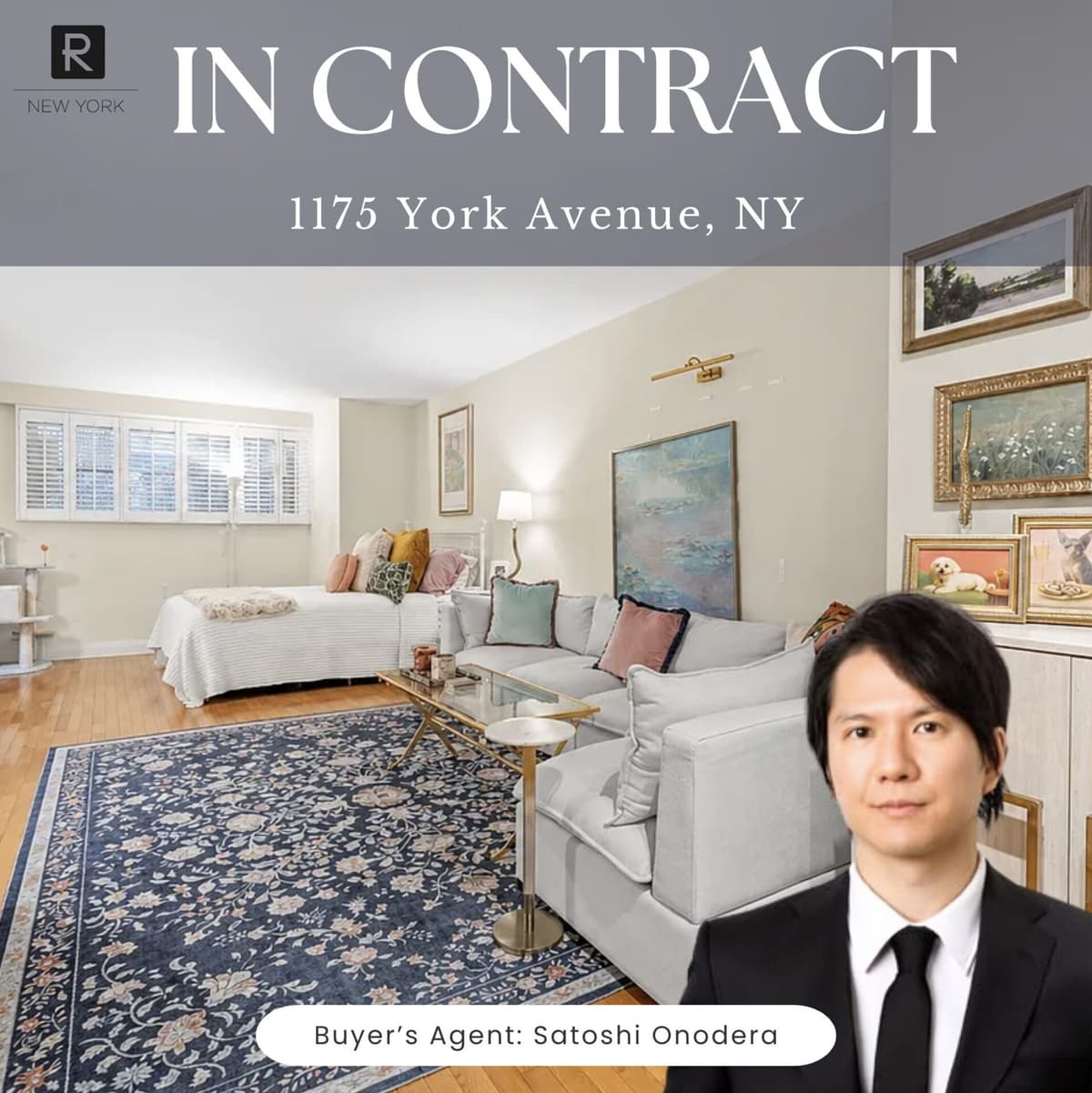
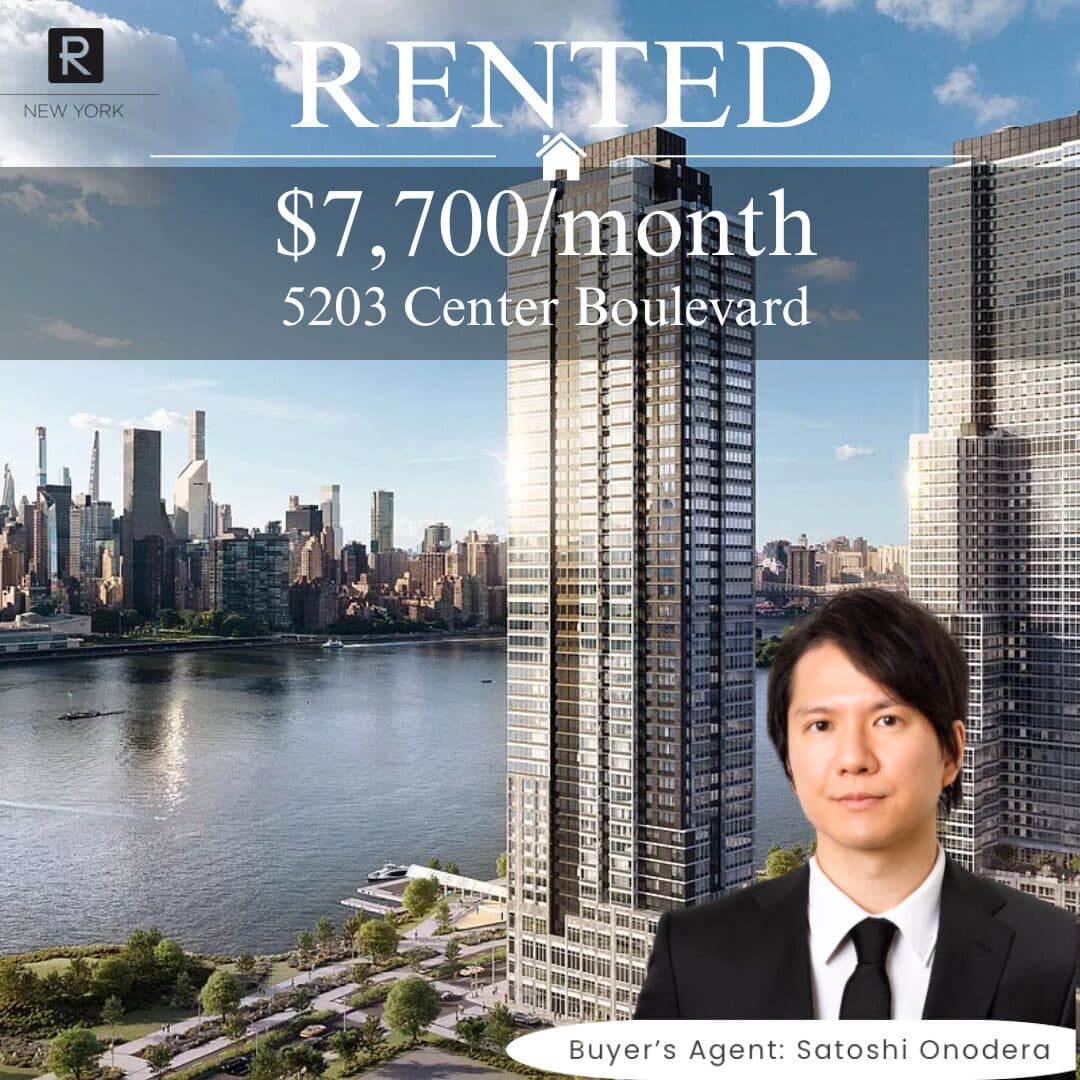
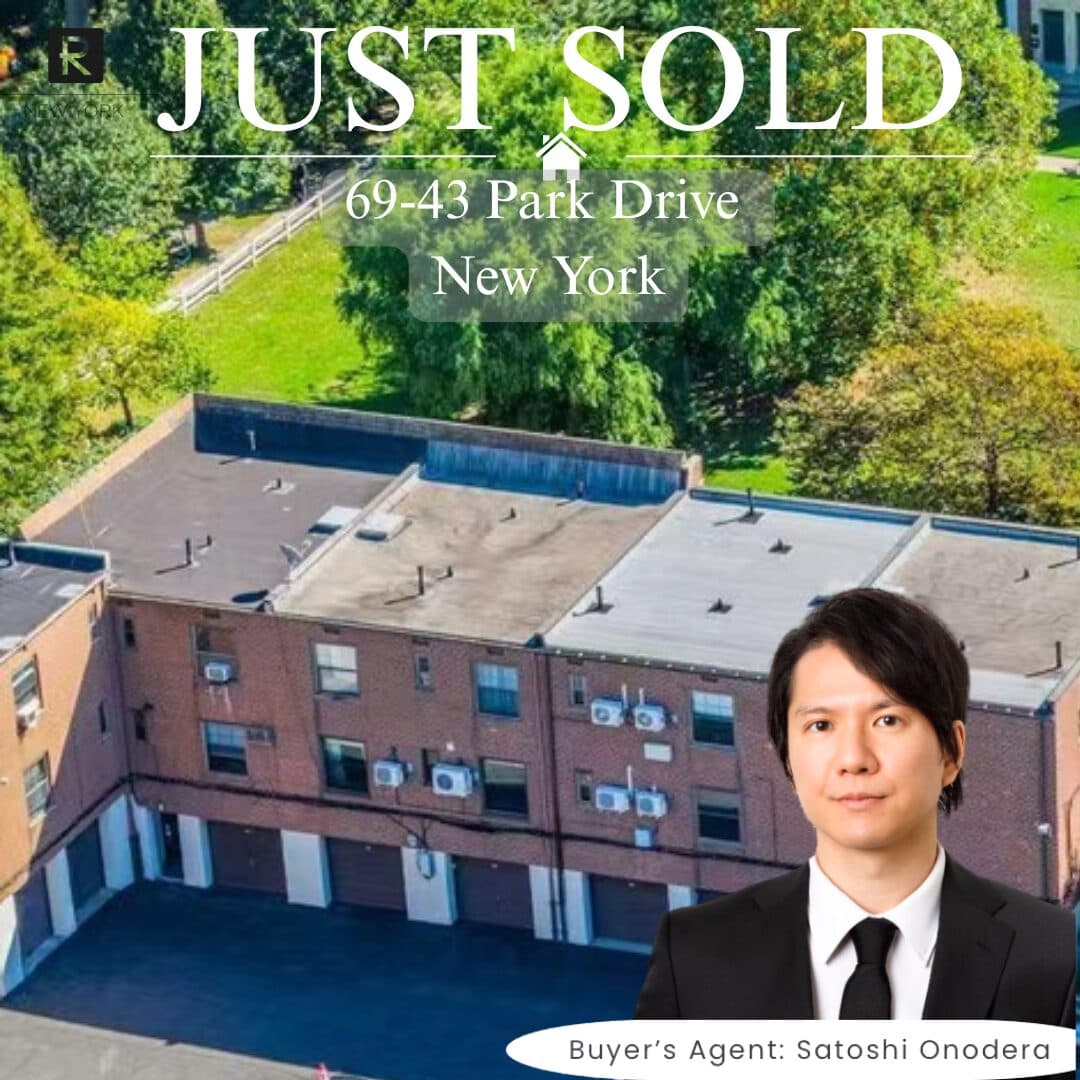
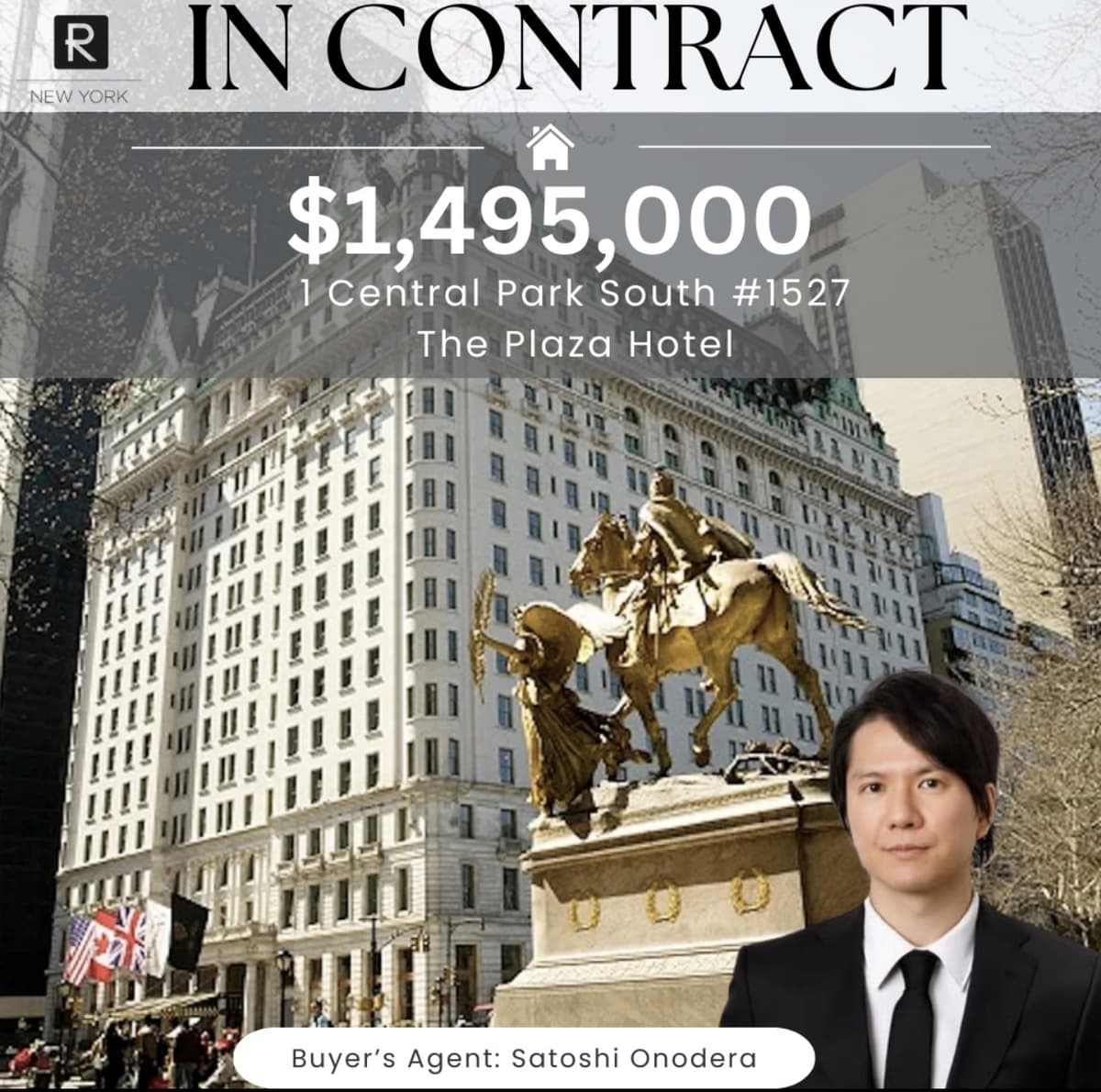
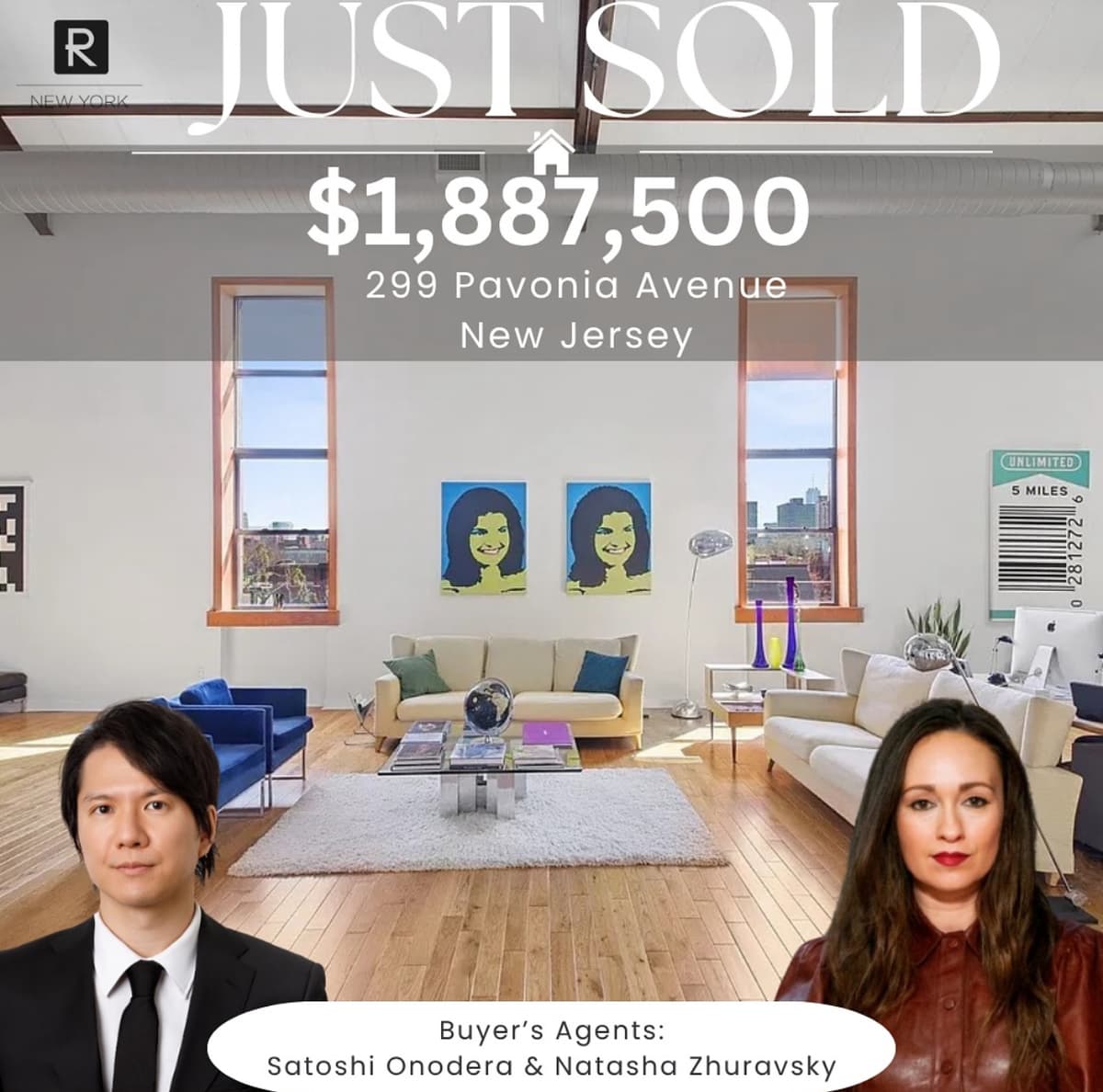
A sample of the sales, purchases and rentals we acted on in 2025 and 2026.












Real estate brokerage services are provided through R New York.
Important notice
The figures on this page are general information as of August 2026 and do not represent an offer, a quote, or a guarantee of any transaction terms. Reinvent NY does not provide legal, tax, or investment advice. Confirm anything material with an attorney and a CPA before you act on it. Nothing here is a solicitation to invest, and no return is promised. Real estate brokerage services are provided through R New York.