
The rent is the part
you already understood
What separates a good tenancy from an expensive one sits in six clauses, most of them near the back and none of them discussed at the viewing.
Before you read on
- General guidance on residential leases in New York. Rent-stabilised apartments carry a separate body of rules and are not covered here.
- Not legal advice. A lease is a binding contract and an attorney should review anything you do not follow.
Step 1Six clauses that decide the cost
Read these before the rent figure. They are where the surprises are.
Most free-market leases run twelve months with no cap on the renewal increase. Ask for a two-year lease or a stated renewal cap at the outset — after you have moved in you have no leverage at all.
Standard leases have no break clause. If you leave early you remain liable for the rent, subject to the landlord's duty to re-let. Negotiate an early-termination option in writing if a posting may move you.
Usually requires written consent. Some buildings prohibit short-term letting outright, and New York City law heavily restricts stays under thirty days regardless of what the lease says.
A guarantee often survives renewals and increases automatically. If a parent or employer is guaranteeing, cap the guarantee to the initial term in writing.
Appliances, plumbing and heating are typically the landlord's; damage beyond ordinary wear is yours. Photograph everything on the day you take possession.
Some leases renew automatically absent notice, and holdover rent can be set at 150% or more of the previous rent. Diarise the notice date the day you sign.
Step 2What the lease will require of you
| Requirement | Typical form | Cost | Note |
|---|---|---|---|
| Renter's insurance | $100,000–$300,000 liability | $150–$400 a year | Commonly required; the landlord's policy does not cover your possessions |
| Notice before leaving | 30–90 days | Rent if missed | Ninety days is common in doorman buildings and easily overlooked |
| Move-in and move-out scheduling | Weekday hours only | Deposit $500–$1,000 | Book the lift with the building weeks ahead |
| Pets | Written consent, sometimes a fee | Varies | Assistance animals are treated separately under fair housing law |
| Alterations | Written consent | Restoration at your cost | Includes wall mounts and light fittings in many buildings |
| Utilities in your name | Within days of move-in | Deposits without a credit file | Electricity and gas are usually the tenant's |
Step 3Getting the deposit back
In New York a landlord must return the deposit, less lawful deductions, within fourteen days of the tenancy ending and provide an itemised statement of anything withheld. You are entitled to be present at a walk-through before you leave and to be told what would be deducted, so that you can put it right yourself.
| Step | When | Why it matters |
|---|---|---|
| Photograph and video everything | Day of move-in | The only evidence of the condition you received |
| Report defects in writing | First week | An email creates the record; a phone call does not |
| Request a pre-move-out inspection | 2–4 weeks before leaving | You are entitled to one, and to a chance to remedy |
| Clean and repair to that list | Final week | Cheaper than the landlord's contractor rates |
| Provide a forwarding address in writing | On departure | The itemised statement and cheque have to go somewhere |
Ordinary wear and tear may not be deducted. Repainting after a normal tenancy is generally not a lawful deduction; holes in the wall and a damaged floor are.
Step 4Corporate leases and diplomatic clauses
Where an employer is the tenant, the lease is between the landlord and the company and the employee is named as the occupant. It is the easiest approval to obtain and the hardest to change afterwards, because any amendment goes through two legal departments.
If a posting could be cut short, ask for a termination right tied to the transfer — often called a diplomatic or relocation clause — with sixty or ninety days’ notice and a defined penalty, usually one or two months. Landlords grant it more often than tenants expect, and never once the lease has been signed.
The rent, sometimes; the term, the renewal cap and a termination right, more often. Everything has to be agreed before signature and written into the lease or a rider — verbal assurances from a leasing agent bind nobody.
You remain liable for the remaining rent, though the landlord must make reasonable efforts to re-let. In practice a negotiated exit of one to two months' rent is common; get any agreement in writing before you hand back the keys.
With reasonable notice for repairs and showings, and in an emergency without. The notice standard should be stated in the lease.
Ask, and verify. Stabilised tenants have renewal rights and capped increases. You can request the rent history for the unit from the state agency that administers the programme.
Most leases require it, and it is inexpensive. It covers your possessions and, more importantly, liability if water from your apartment damages the one below.
Let’s talk first
Send us the lease before you sign it and we will flag the renewal, termination and guarantor clauses and tell you what is worth asking to change.
RELATED GUIDES
Recent transactions
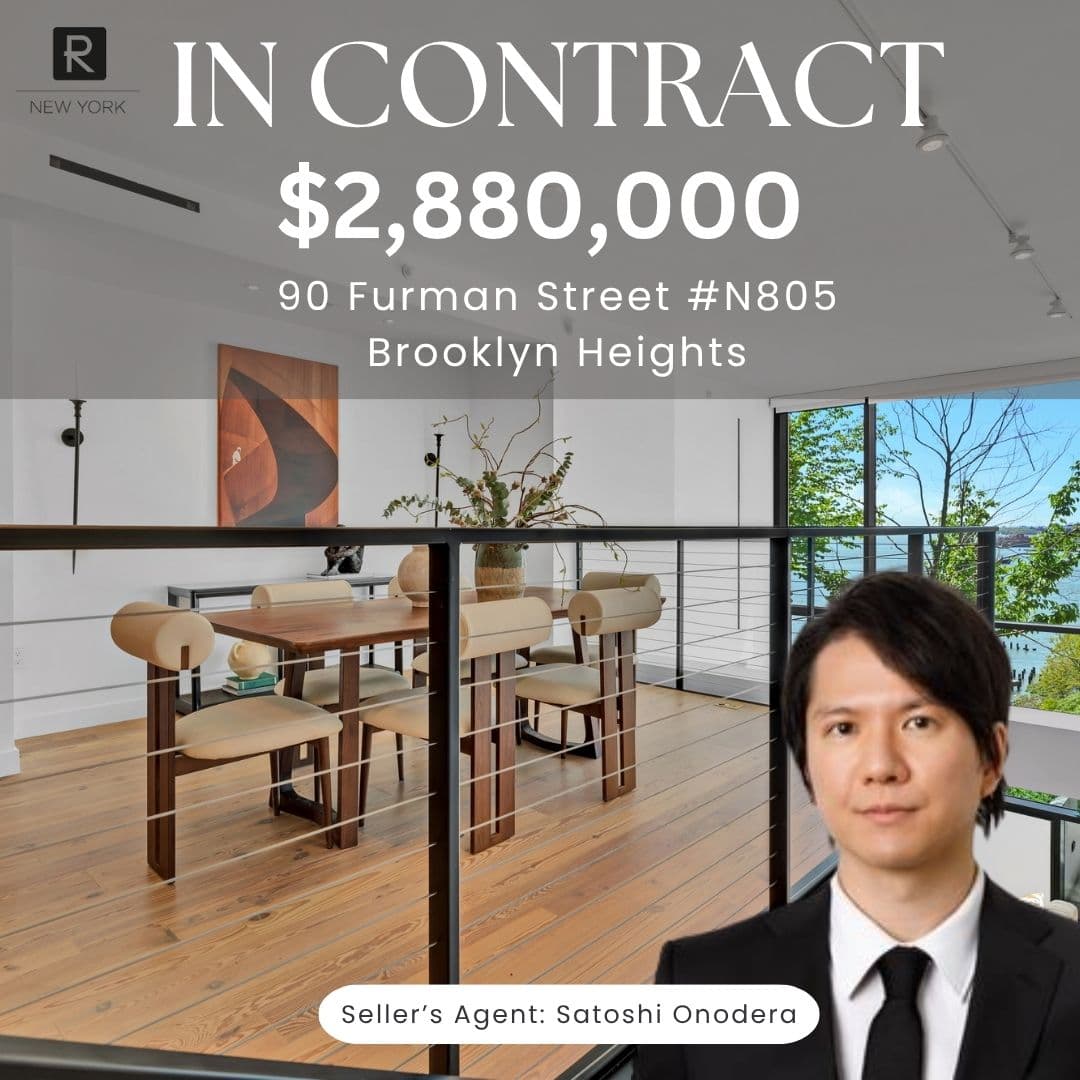
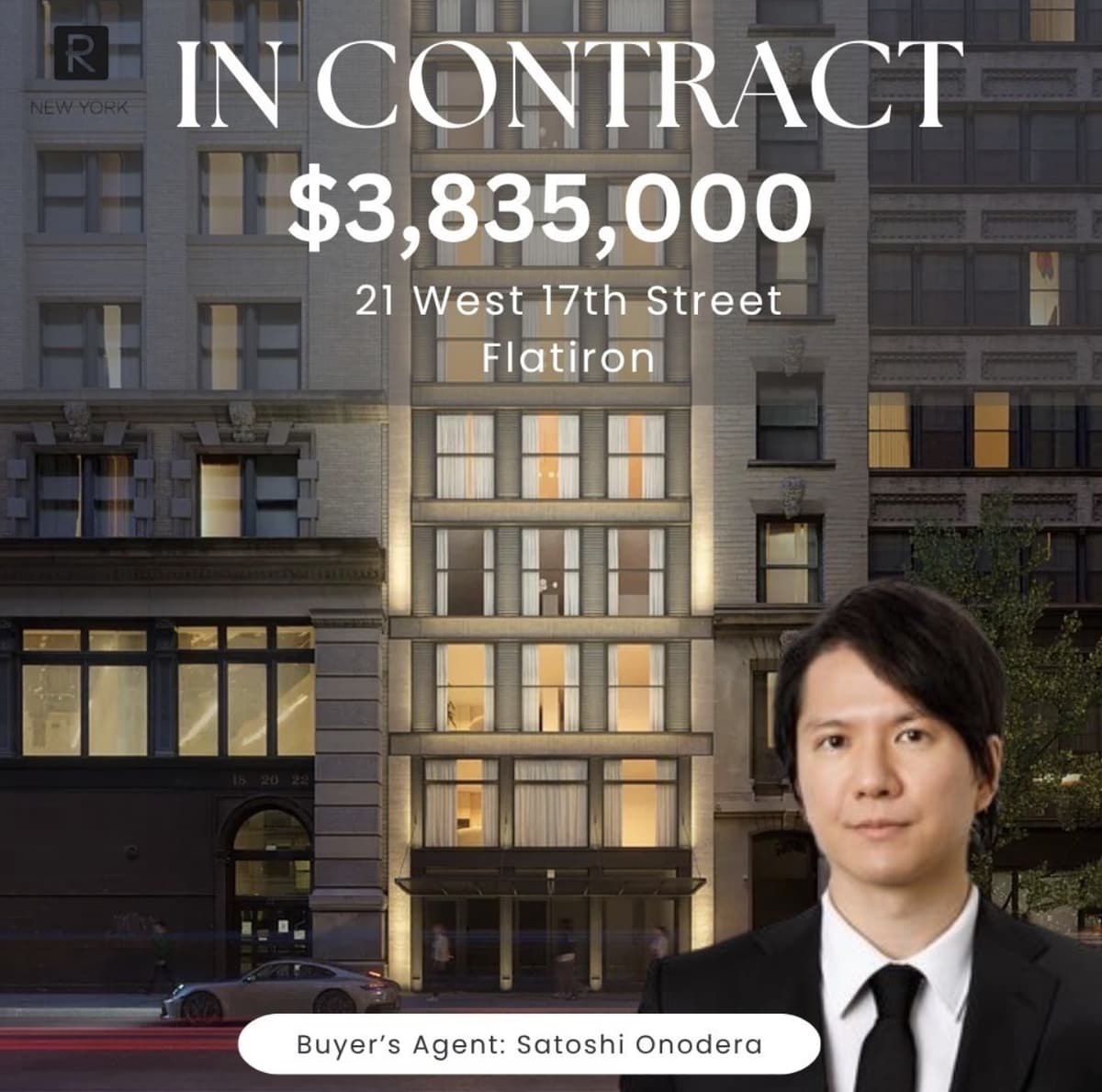
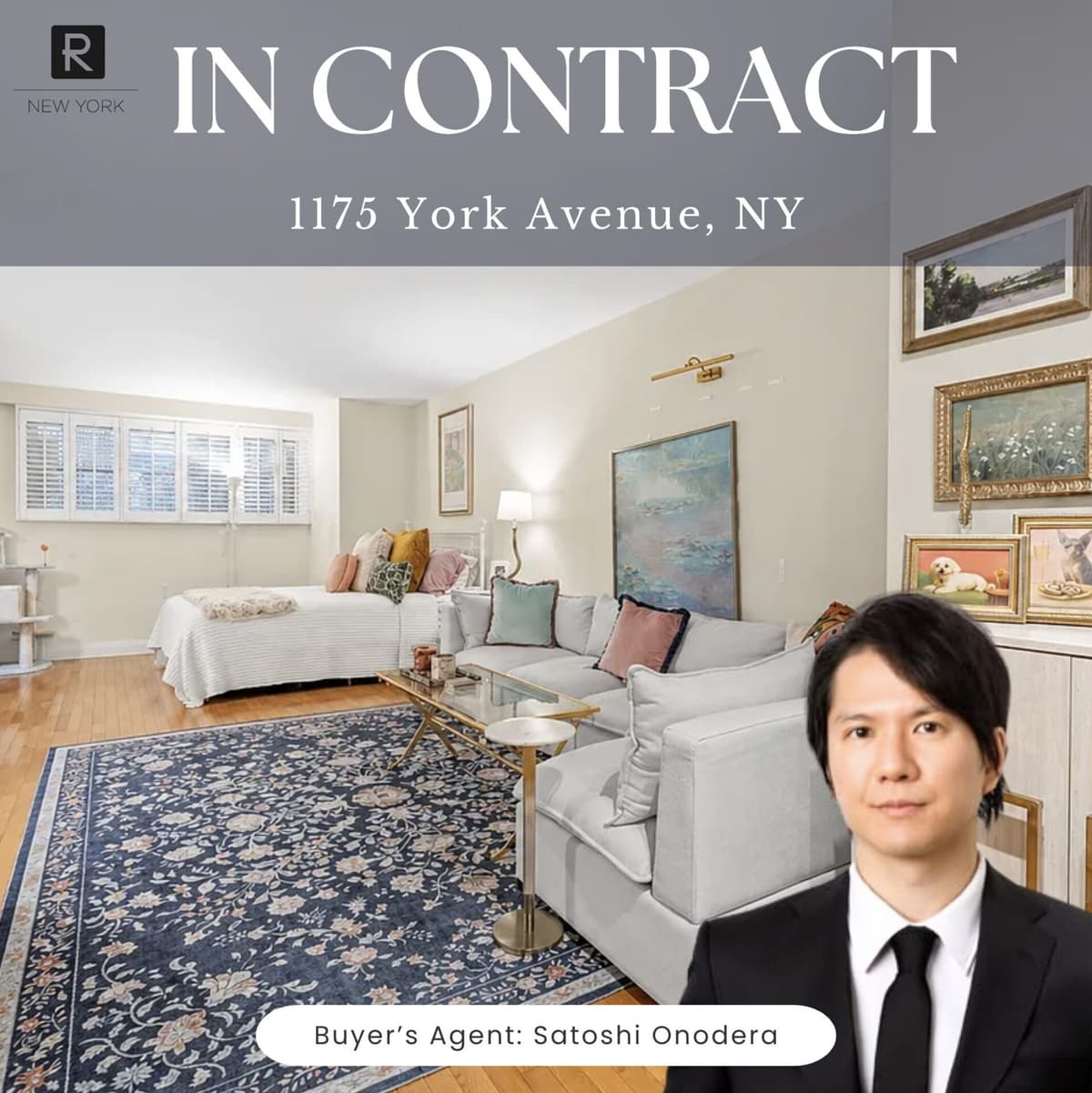
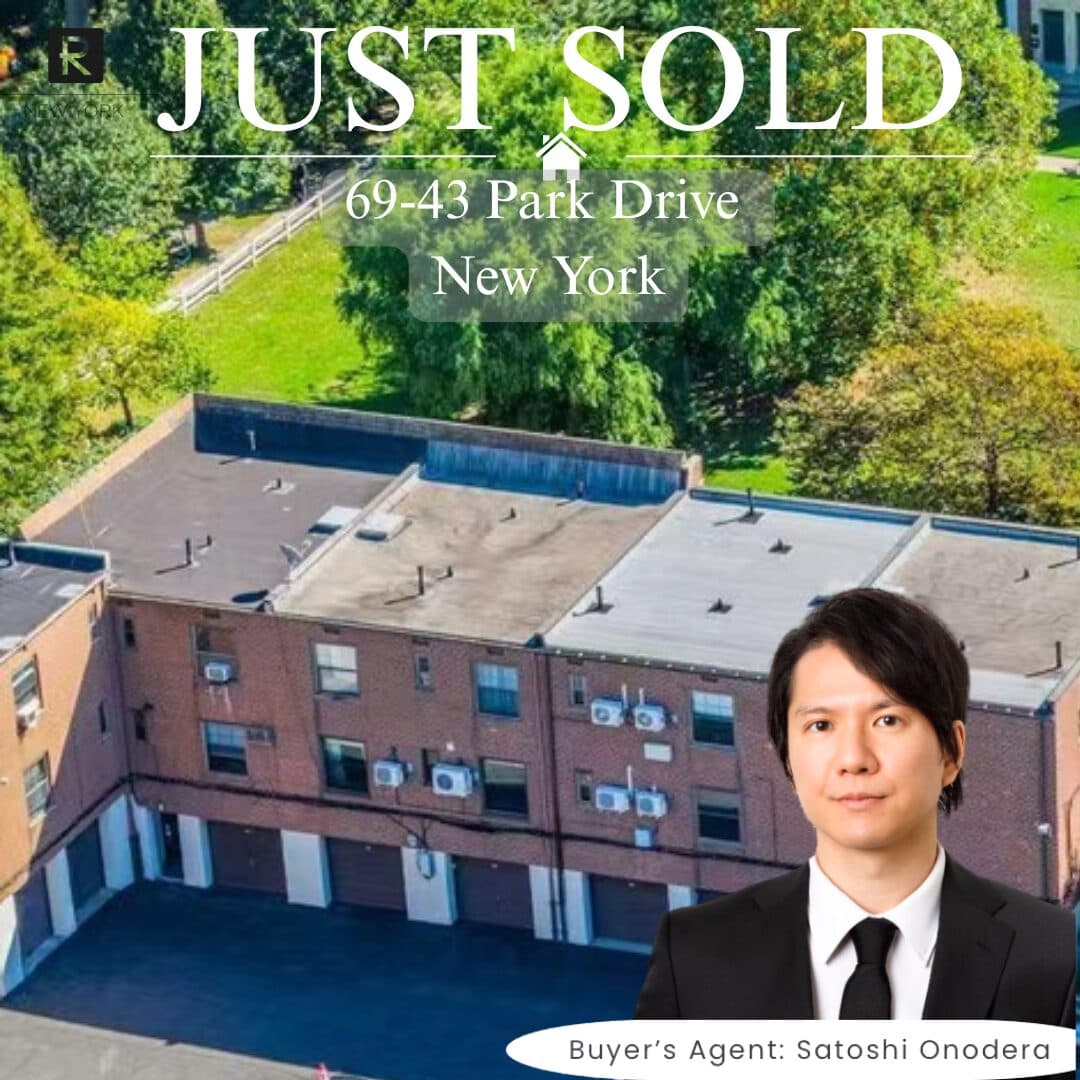
A sample of the sales, purchases and rentals we acted on in 2025 and 2026.











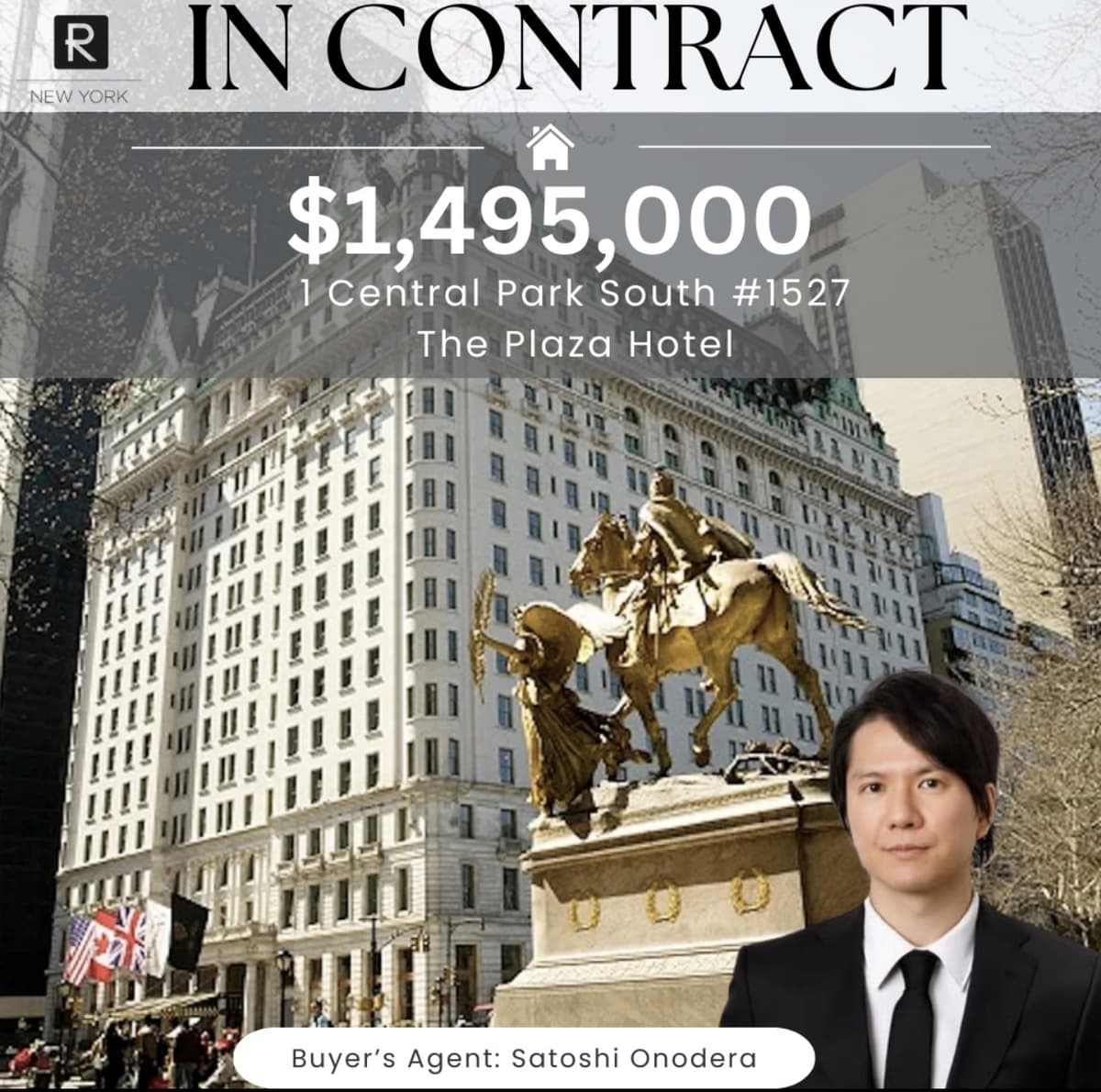




Real estate brokerage services are provided through R New York.
Important notice
The figures on this page are general information as of August 2026 and do not represent an offer, a quote, or a guarantee of any transaction terms. Reinvent NY does not provide legal, tax, or investment advice. Confirm anything material with an attorney and a CPA before you act on it. Nothing here is a solicitation to invest, and no return is promised. Real estate brokerage services are provided through R New York.