
Thirty years, fixed,
and repayable at any time
The standard American mortgage is unusual by world standards: a rate fixed for three decades that you may repay early without penalty. Understanding why explains most of the rest.
Before you read on
- General guidance. Rates, programmes and underwriting standards change constantly and differ by lender.
- Non-resident and foreign national borrowers are underwritten separately. That is covered in the foreign national mortgage guide.
Step 1Why the 30-year fixed exists
It is a product of the American secondary mortgage market, and nothing like it is standard in Japan, the UK or most of Europe.
Most US home loans are sold on after closing and packaged into securities, which lets a lender write a thirty-year fixed rate without carrying that risk on its own balance sheet for thirty years. It also means the rate you are quoted follows the bond market rather than the central bank's policy rate directly. Mortgage rates move with the ten-year Treasury yield and the spread over it.
Two consequences matter to a borrower. There is normally no prepayment penalty on an owner-occupied loan, so you may overpay or refinance when rates fall. And because rates are fixed for the full term, a mortgage taken in a high-rate year is a problem you can solve later, whereas a price paid is permanent.
Step 2What makes up the payment
The loan itself, amortised so that the payment is level for the whole term. Early payments are mostly interest; the crossover on a 30-year loan at current rates comes around year eighteen.
Lenders usually collect a twelfth of the annual bill each month and pay it for you. This is why the monthly payment changes without the rate changing — the assessment moved.
Homeowner's, and flood cover where the property sits in a designated flood zone. Also collected monthly and paid on your behalf.
Private mortgage insurance protects the lender, not you, and is charged until the loan falls to around 78–80% of value. Twenty per cent down avoids it entirely.
Quoted monthly payments in listings almost always show principal and interest only. Add taxes, insurance and, for an apartment, the common charges or maintenance before comparing anything to your rent.
Step 3Points, rates and the true cost
| Option on a $800,000 loan | Rate | Cost at closing | Monthly | Break-even |
|---|---|---|---|---|
| No points | 7.00% | $0 | $5,322 | — |
| 1 point | 6.75% | $8,000 | $5,189 | 60 months |
| 2 points | 6.50% | $16,000 | $5,057 | 60 months |
| Lender credit | 7.375% | −$8,000 toward costs | $5,525 | Reverse: costs less now, more each month |
Illustrative only; the rate improvement per point varies daily. The question is always the same — how long will you hold the loan? Points bought and then refinanced away two years later are money burned.
Compare offers on the Loan Estimate, a standardised three-page form every US lender must provide within three business days of application. Page two itemises every fee and page three shows the APR and the total paid over five years. It exists precisely so that quotes can be compared line by line, and few borrowers use it that way.
Step 4Application to closing
| Stage | Time | What it is | Watch for |
|---|---|---|---|
| Pre-qualification | Minutes | An opinion based on what you said | Carries almost no weight with sellers |
| Pre-approval | 2–5 days | Underwritten against documents | This is what accompanies an offer |
| Application and rate lock | At contract | Locks the rate for 30–90 days | An expired lock at closing is expensive |
| Appraisal | 1–3 weeks | Lender's valuation | A low appraisal reopens the price or needs more cash |
| Underwriting | 2–4 weeks | Verification of everything | Do not change jobs, open credit or move large sums |
| Clear to close | 3–7 days before | Final conditions satisfied | Closing Disclosure must be issued 3 days ahead |
| Closing | Day | Signing and funding | Bring cleared funds; wire fraud is a real risk — verify instructions by phone |
Six to eight weeks from contract to closing is normal for a financed purchase in New York. Co-ops add board approval on top and run to two to four months.
Twenty per cent avoids mortgage insurance and is the practical standard. Lower-deposit programmes exist for owner-occupiers, and co-op buildings frequently require twenty-five per cent or more regardless of what the lender will accept.
On most owner-occupied loans yes, without penalty. Some investor and non-resident programmes carry prepayment penalties in the first few years — read the note before signing.
Roughly 740 and above gets the best pricing; below 680 the rate rises materially. With no US credit file at all, you are underwritten under a foreign national programme instead.
Yes, between lenders rather than within one. Get three Loan Estimates on the same day — rates move daily, so quotes from different weeks are not comparable.
An adjustable rate mortgage, fixed for an initial period of five, seven or ten years and floating afterwards. It can be right for a known short hold and is a poor fit for anyone who might keep the property indefinitely.
Let’s talk first
Tell us the price, the deposit and whether you have US income, and we will introduce you to lenders who write your profile.
RELATED GUIDES
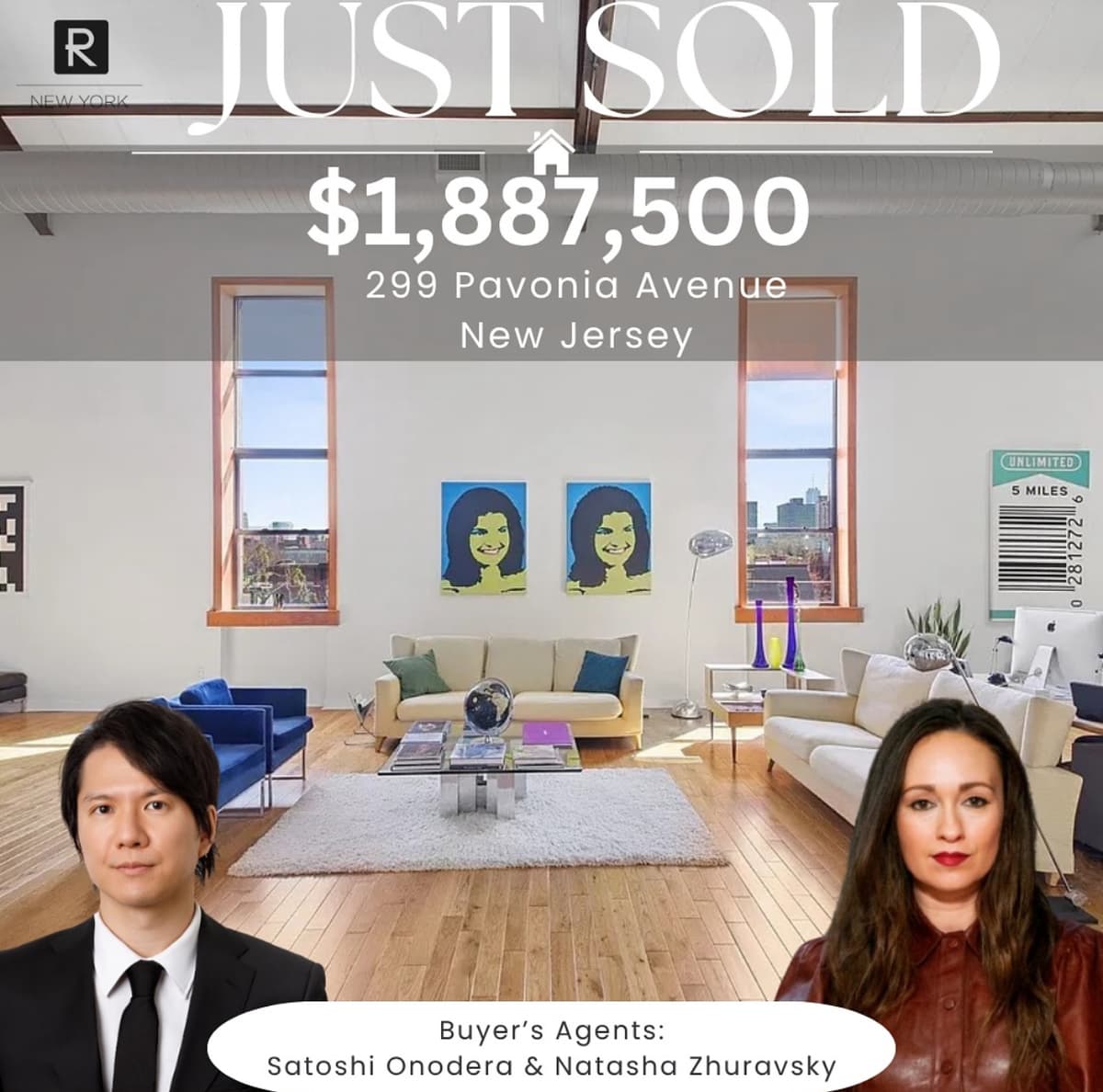
Recent transactions
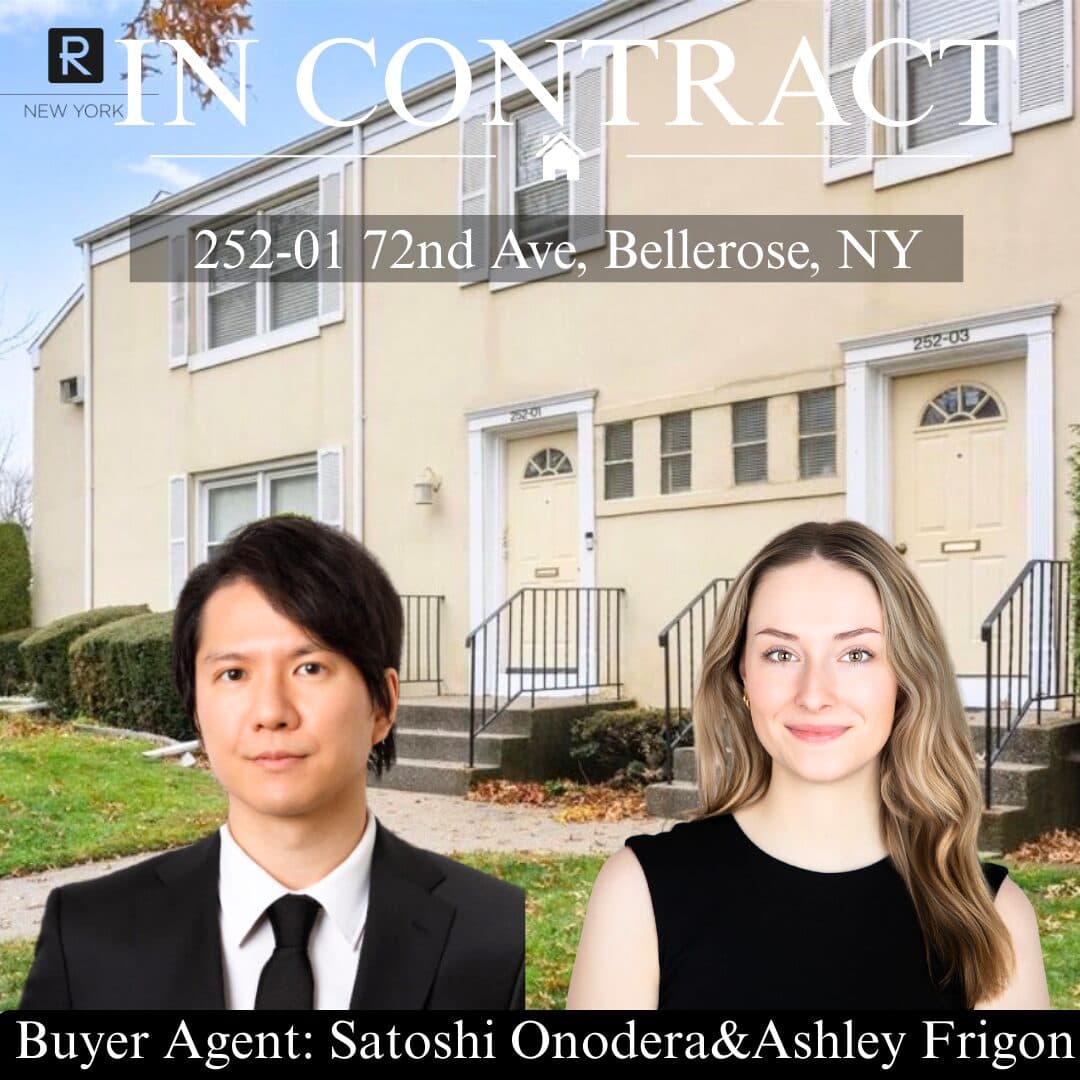
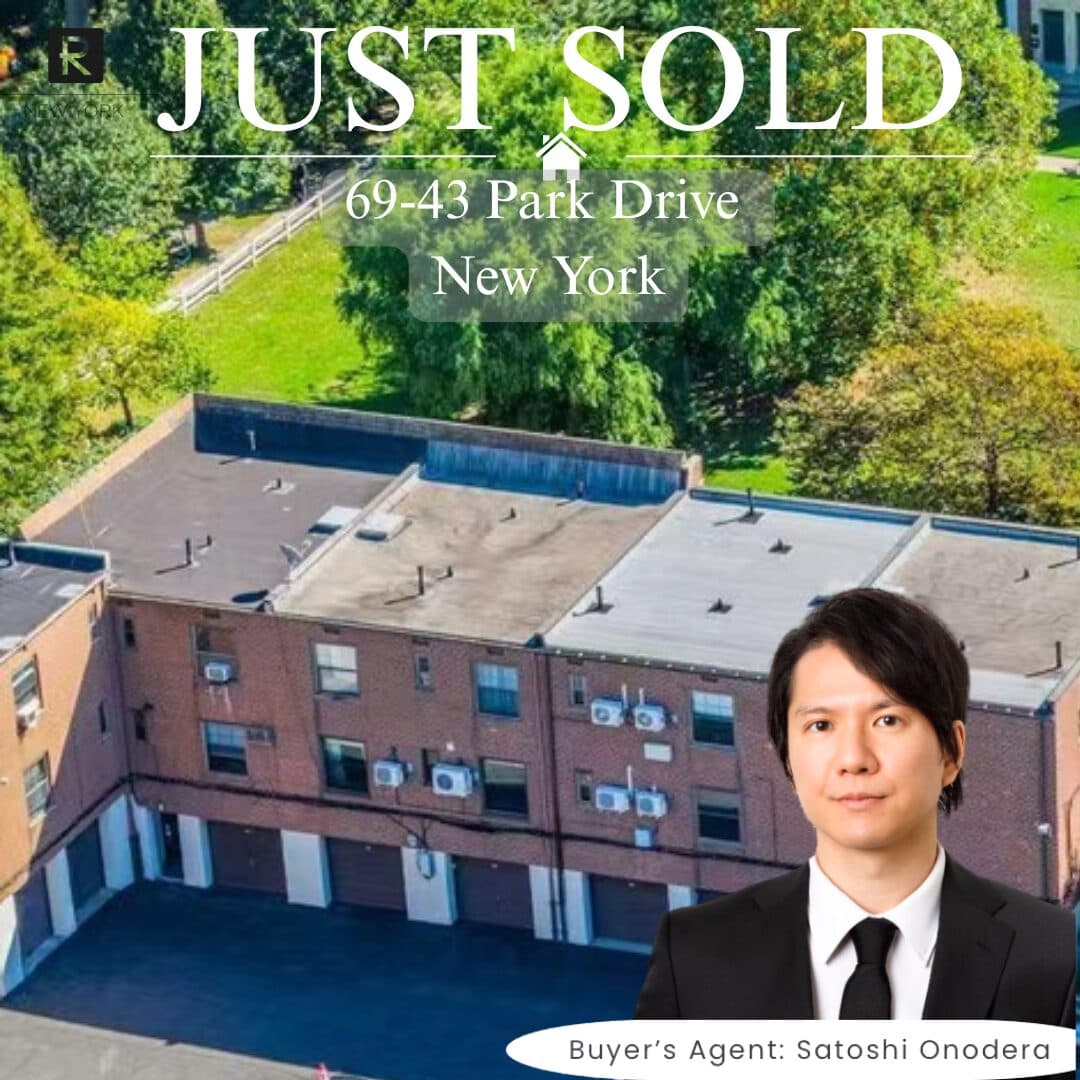
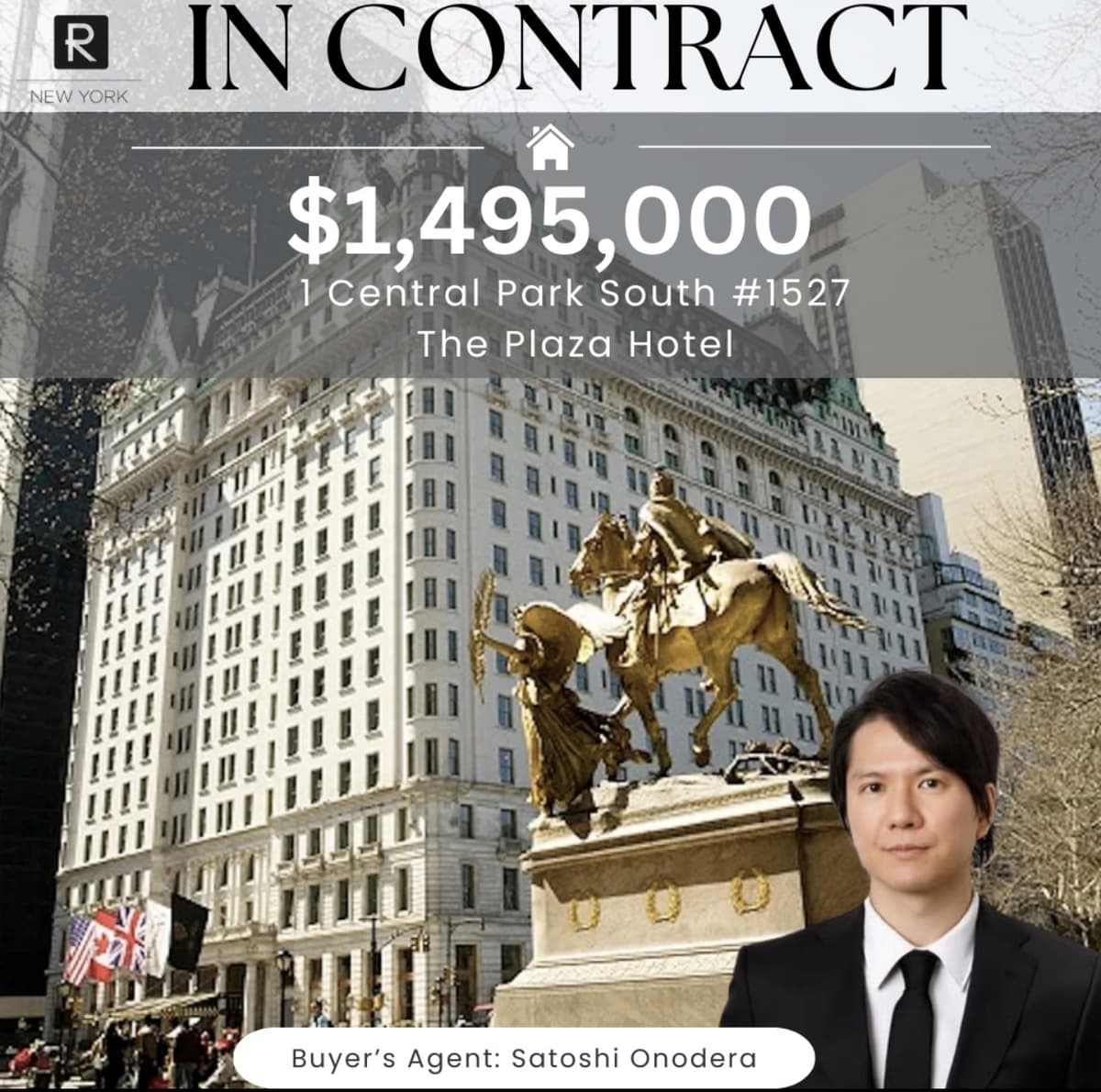
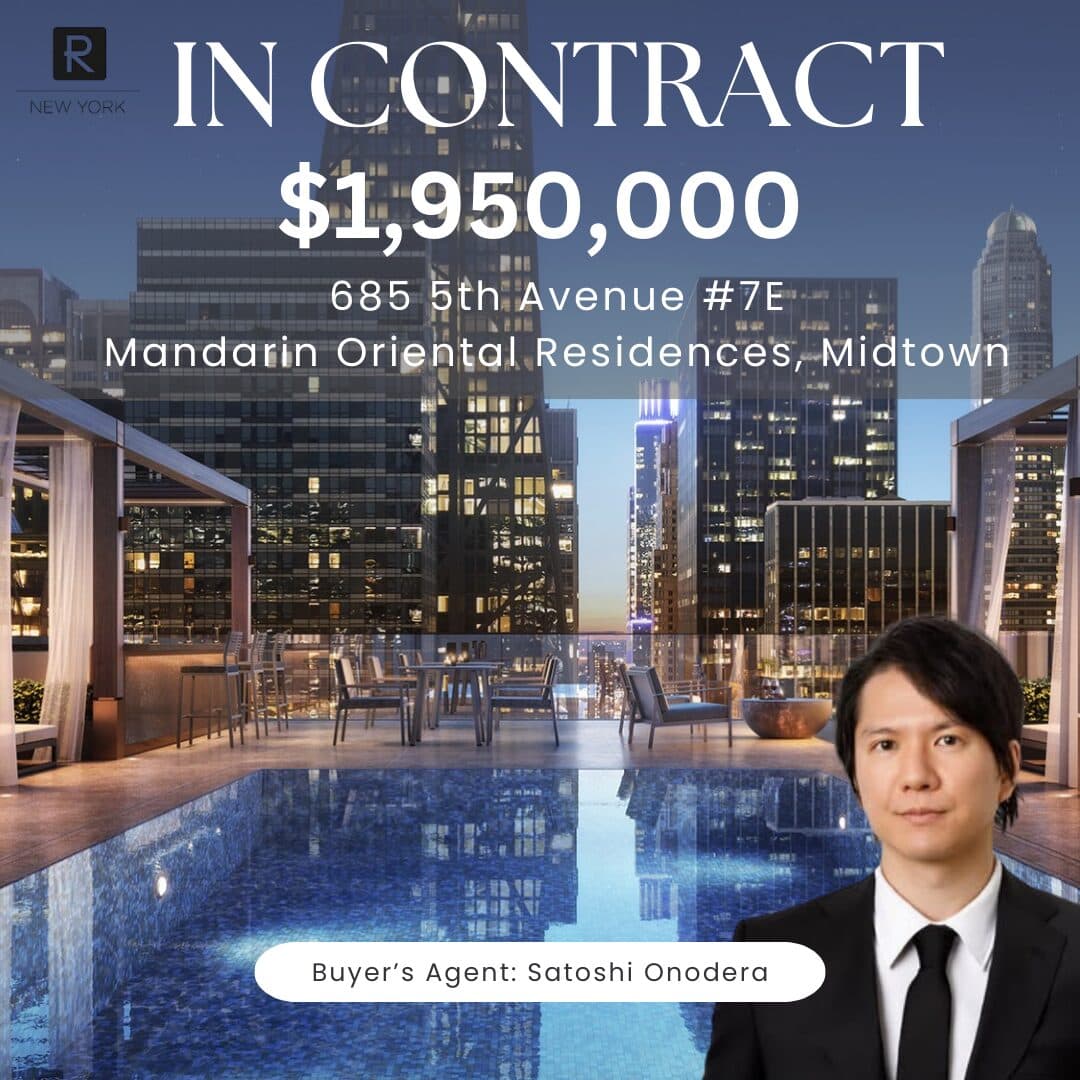
A sample of the sales, purchases and rentals we acted on in 2025 and 2026.
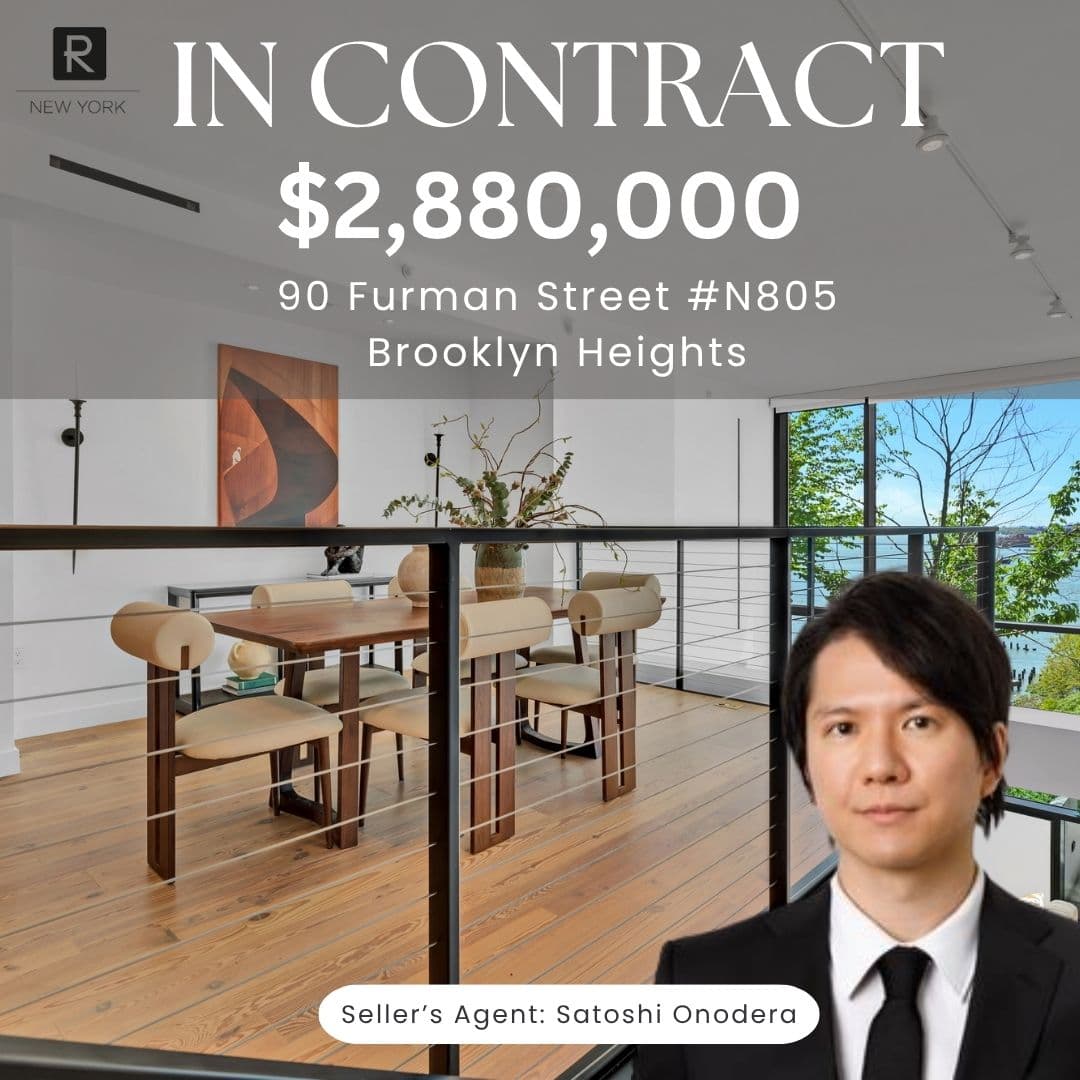
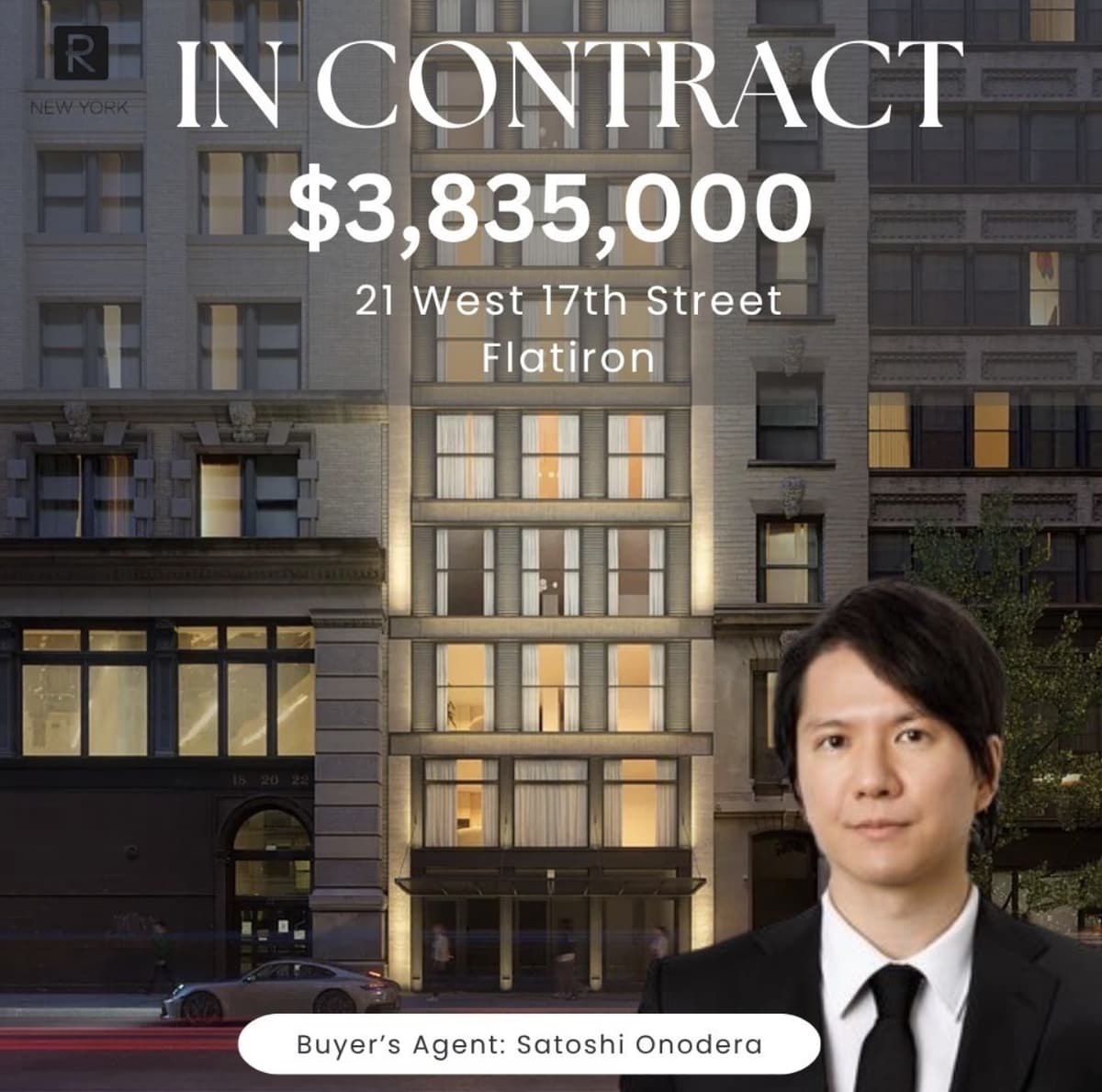

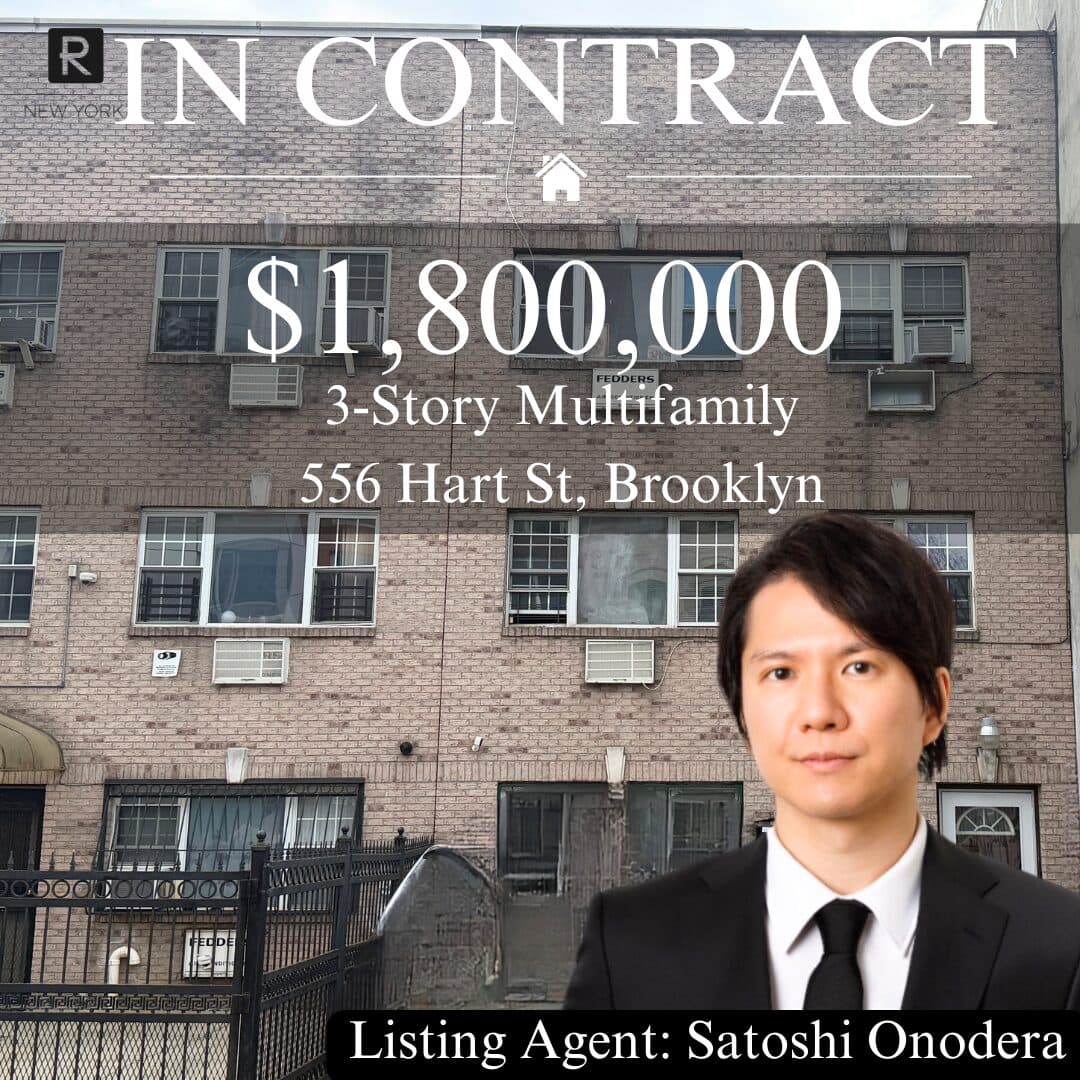



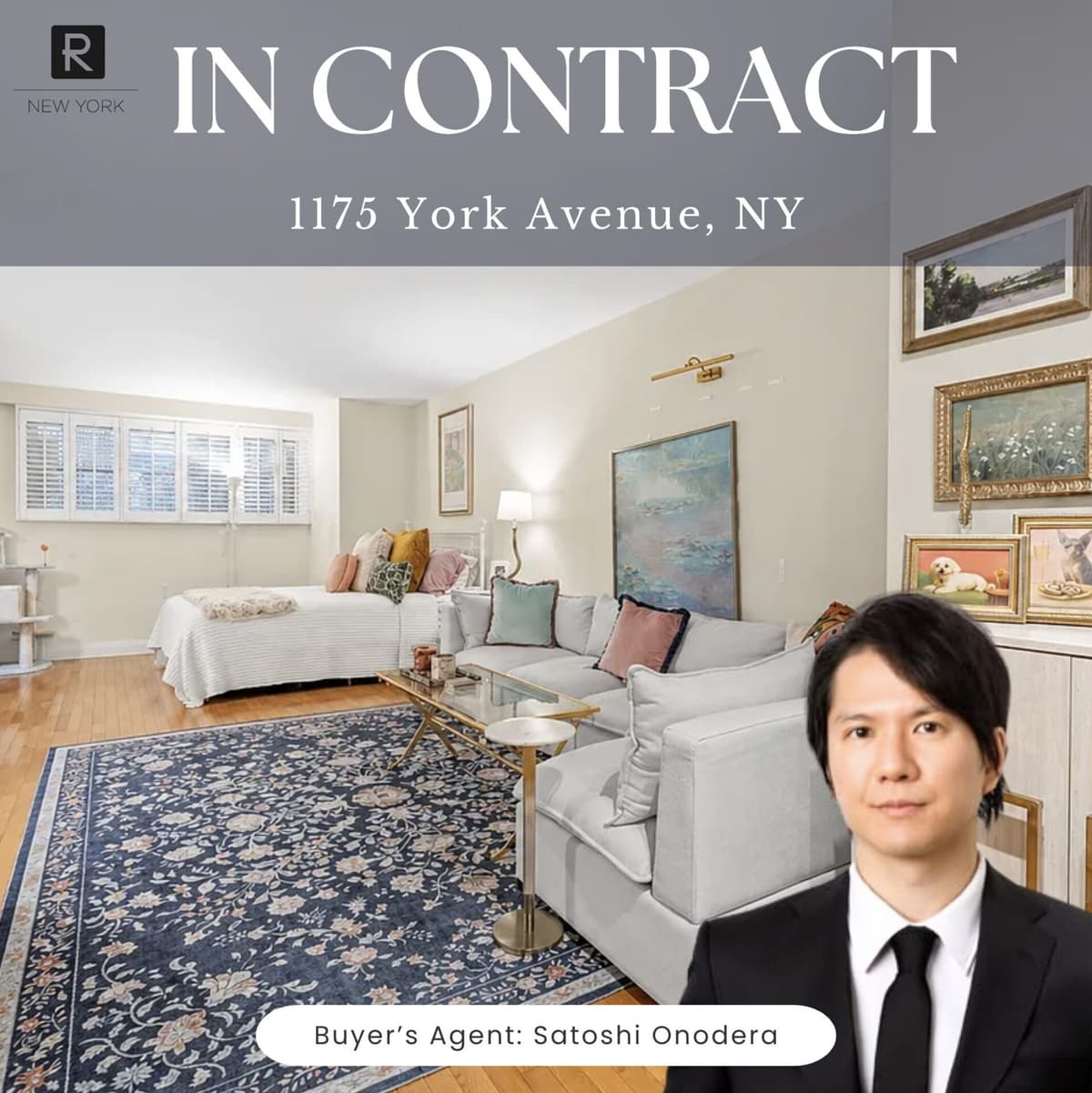







Real estate brokerage services are provided through R New York.
Important notice
The figures on this page are general information as of August 2026 and do not represent an offer, a quote, or a guarantee of any transaction terms. Reinvent NY does not provide legal, tax, or investment advice. Confirm anything material with an attorney and a CPA before you act on it. Nothing here is a solicitation to invest, and no return is promised. Real estate brokerage services are provided through R New York.