
Flood is never included,
and the gap is yours
The building insures the building. Your walls, your floors, your liability and anything caused by water from outside are separate questions with separate answers.
Before you read on
- General guidance. Cover, exclusions and premiums are set by the policy and the insurer, and vary enormously by state and by building.
- Read the declarations page and the exclusions of any policy you are offered. This guide tells you what to look for, not what you have.
Step 1Which policy you need
It follows from what you own and whether you live there.
| You own | Policy | Covers | Typical annual cost |
|---|---|---|---|
| Condominium, you live there | HO-6 | Interior finishes, contents, liability, loss assessment | $400–$1,200 |
| Condominium, let out | Landlord (DP-3) or HO-6 with landlord endorsement | As above, plus loss of rent; not the tenant's possessions | $600–$1,800 |
| Co-op, you live there | HO-6 equivalent | Interior, contents, liability; the corporation insures the structure | $400–$1,200 |
| House, you live there | HO-3 | Structure, contents, liability, additional living expense | $1,500–$6,000 |
| House or small building, let out | Landlord policy | Structure, liability, loss of rent | $2,000–$8,000 |
| Renting | Renter's (HO-4) | Your possessions and your liability | $150–$400 |
Ranges are broad because geography now dominates pricing. Coastal Florida, parts of Texas and California wildfire zones sit far above these figures, and in some areas the standard market has withdrawn entirely.
Step 2What the building's master policy does not do
A 'bare walls' master policy covers the structure to the unfinished surface — your kitchen, floors and bathroom fittings are yours to insure. An 'all-in' policy covers original fixtures. The difference is tens of thousands of dollars and it is written in the building's documents.
When the building claims, the deductible is shared among owners as an assessment. Loss assessment cover, often $50,000 or more, is what pays your share. It is cheap and routinely set too low.
The most common apartment claim in New York is water from one unit reaching the units below. The master policy will not defend you; your own liability cover will.
Never covered by the building. Value them honestly, and schedule jewellery, art and instruments separately where they exceed the standard sub-limits.
Step 3Flood, and why it is separate
Standard US property policies exclude flood. Cover comes either through the federal National Flood Insurance Program or from private insurers, and it is required by lenders where the property sits in a designated special flood hazard area. FEMA publishes the flood maps and they are public — check the address before you offer, not after.
| Point | Detail |
|---|---|
| What counts as flood | Rising water from outside — storm surge, river overflow, heavy rain accumulating on the ground. A burst pipe is not flood and is covered by the ordinary policy. |
| Federal programme limits | Building and contents cover are capped, which is why higher-value properties add private excess cover. |
| Waiting period | New federal policies typically take 30 days to take effect. Buying one as a storm approaches does not work. |
| Basements | Cover for finished basements and their contents is severely limited under the federal programme. |
| Zone changes | Maps are redrawn. A property outside a zone today may be inside one at the next revision, and the premium follows. |
| Elevation certificate | For older properties in a flood zone, it can materially reduce the premium. Ask the seller whether one exists. |
Step 4Getting the cover right
| Check | Why |
|---|---|
| Replacement cost, not actual cash value | Actual cash value deducts depreciation and leaves you short at exactly the wrong moment |
| Loss assessment limit | Set it against the building's master deductible, which the managing agent will tell you |
| Loss of rent cover | For a let property, this is what pays the mortgage while the unit is uninhabitable |
| Liability limit, and an umbrella policy | $300,000 is a common default and is low. Umbrella cover of $1–2m costs a few hundred dollars a year |
| Water backup endorsement | Sewer and drain backup is commonly excluded and commonly needed |
| Vacancy clause | Most policies restrict cover once a property has been empty for 30–60 days. Tell your insurer between tenancies |
| The named insured | If the property is held in an LLC, the LLC must be the named insured or a claim can fail |
Get the quote before you go under contract, not in the closing week. In some states the premium is now large enough to change whether the purchase makes sense, and a property the market will not insure is a property that is hard to sell later.
A lender will require it and will not close without proof. Buildings usually require it of unit owners as well. Paying cash and skipping it is legal and unwise.
Reinsurance costs, construction costs and losses in coastal and wildfire regions. The effect is regional: New York apartments have seen modest increases while parts of Florida, Louisiana and California have seen multiples.
Yes. You will need a US mailing address, the property details and, for a let property, the lease. A US broker arranges it in days.
It protects them and gives you a route to recover where the tenant is at fault. It does not cover your building or your liability, and it should be required in the lease.
Most states operate a residual market or FAIR plan providing limited, expensive cover. If a property only qualifies for that, treat it as a material fact about the asset.
Let’s talk first
Send us the address and we will have cover quoted before you go under contract, including the flood position from the published maps.
RELATED GUIDES
Recent transactions
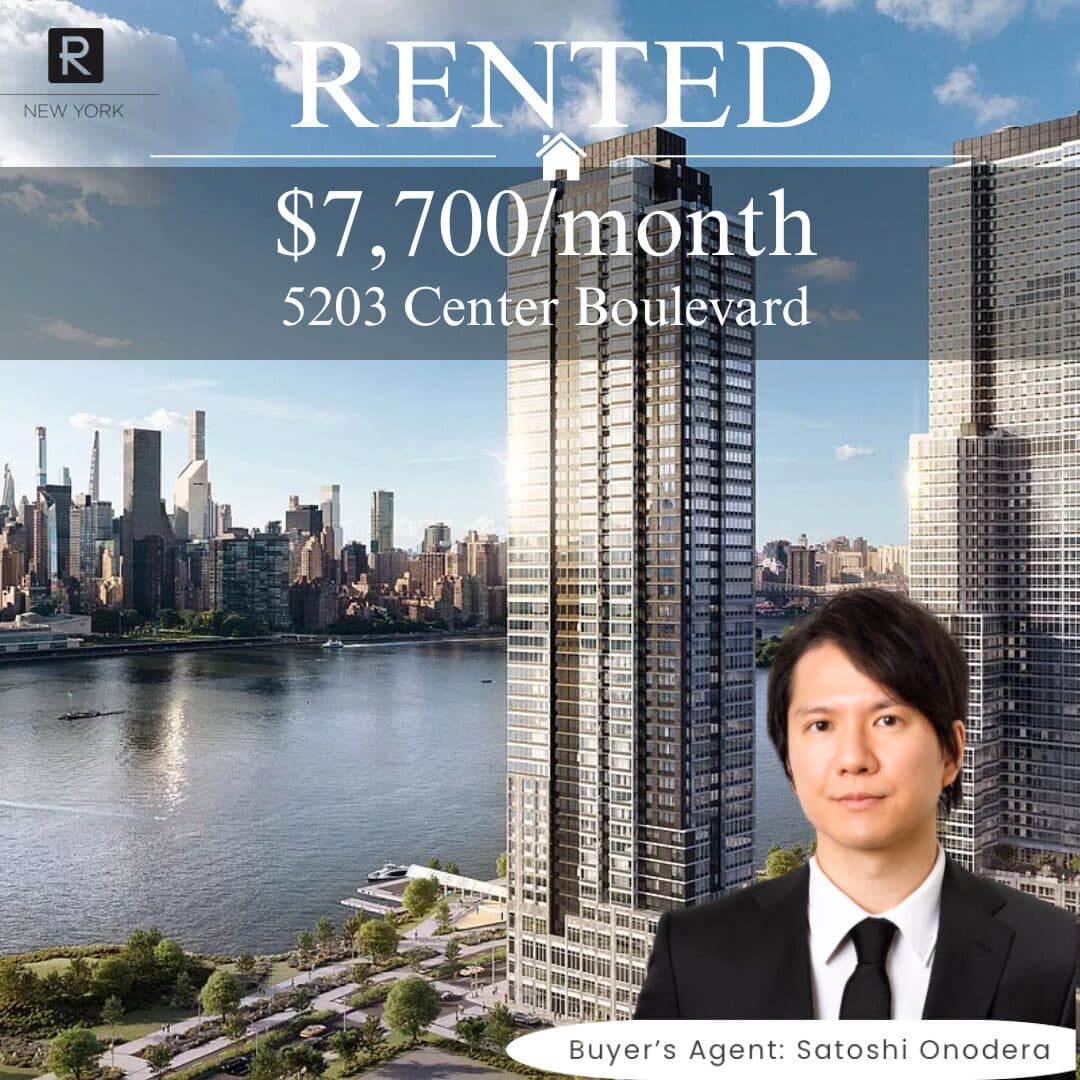
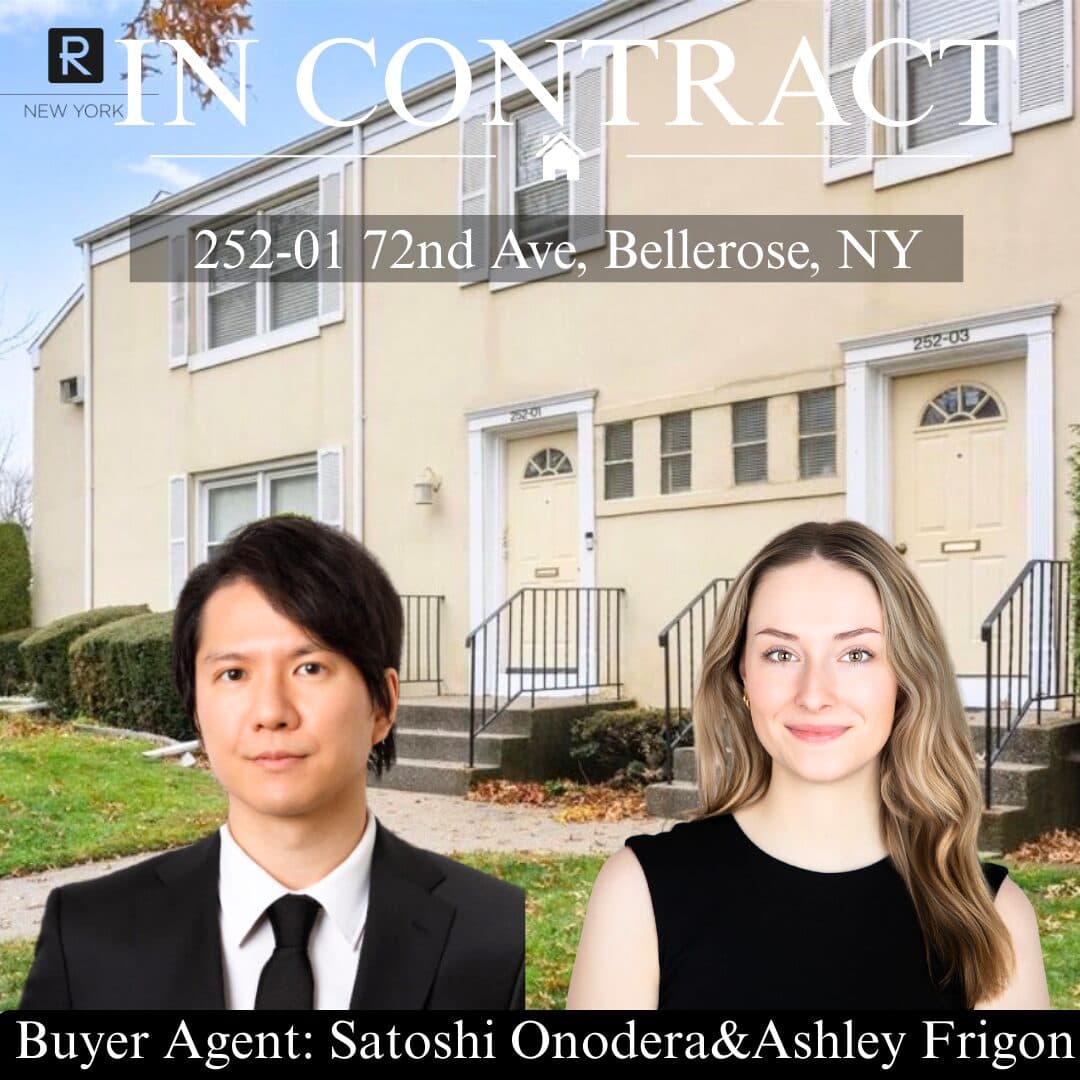
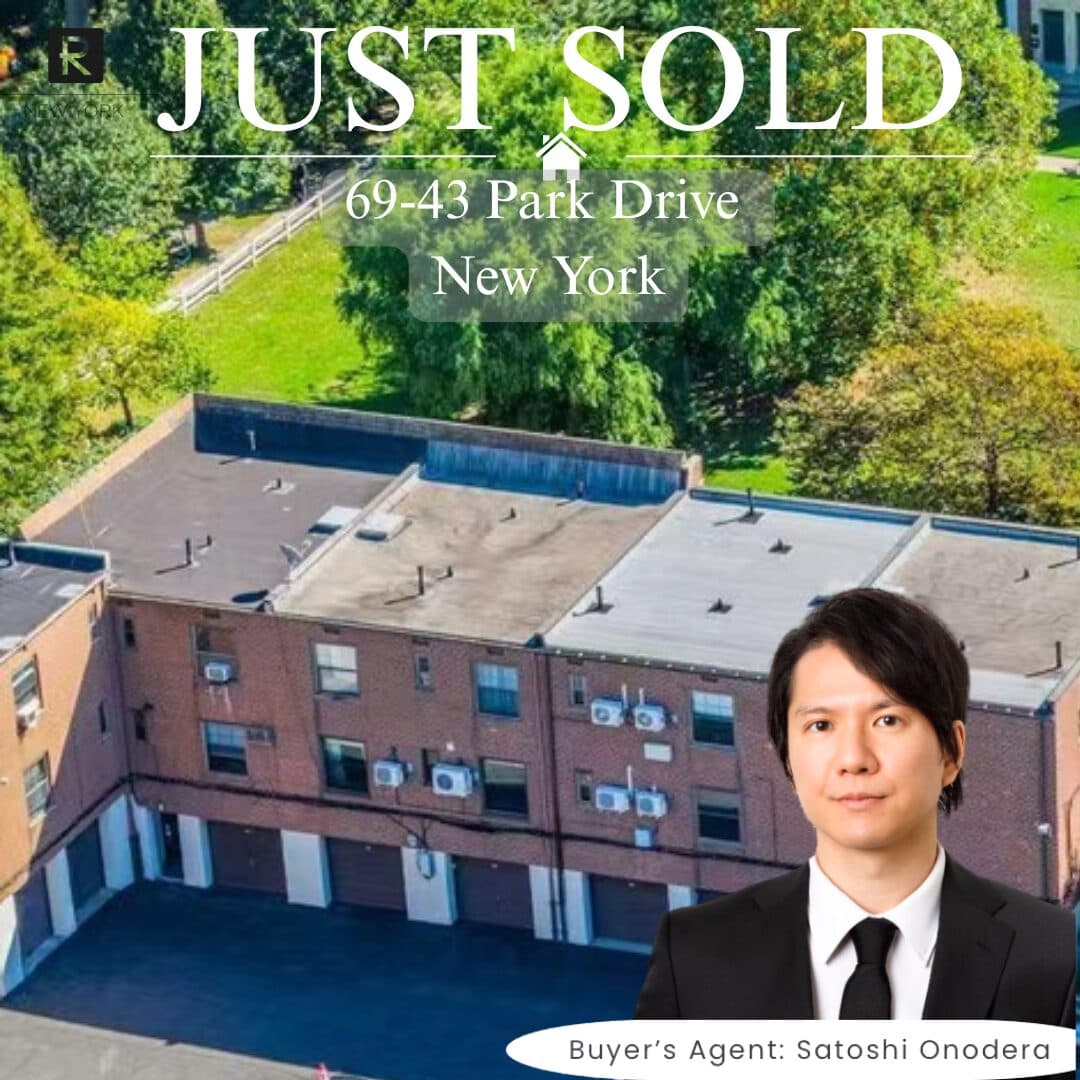
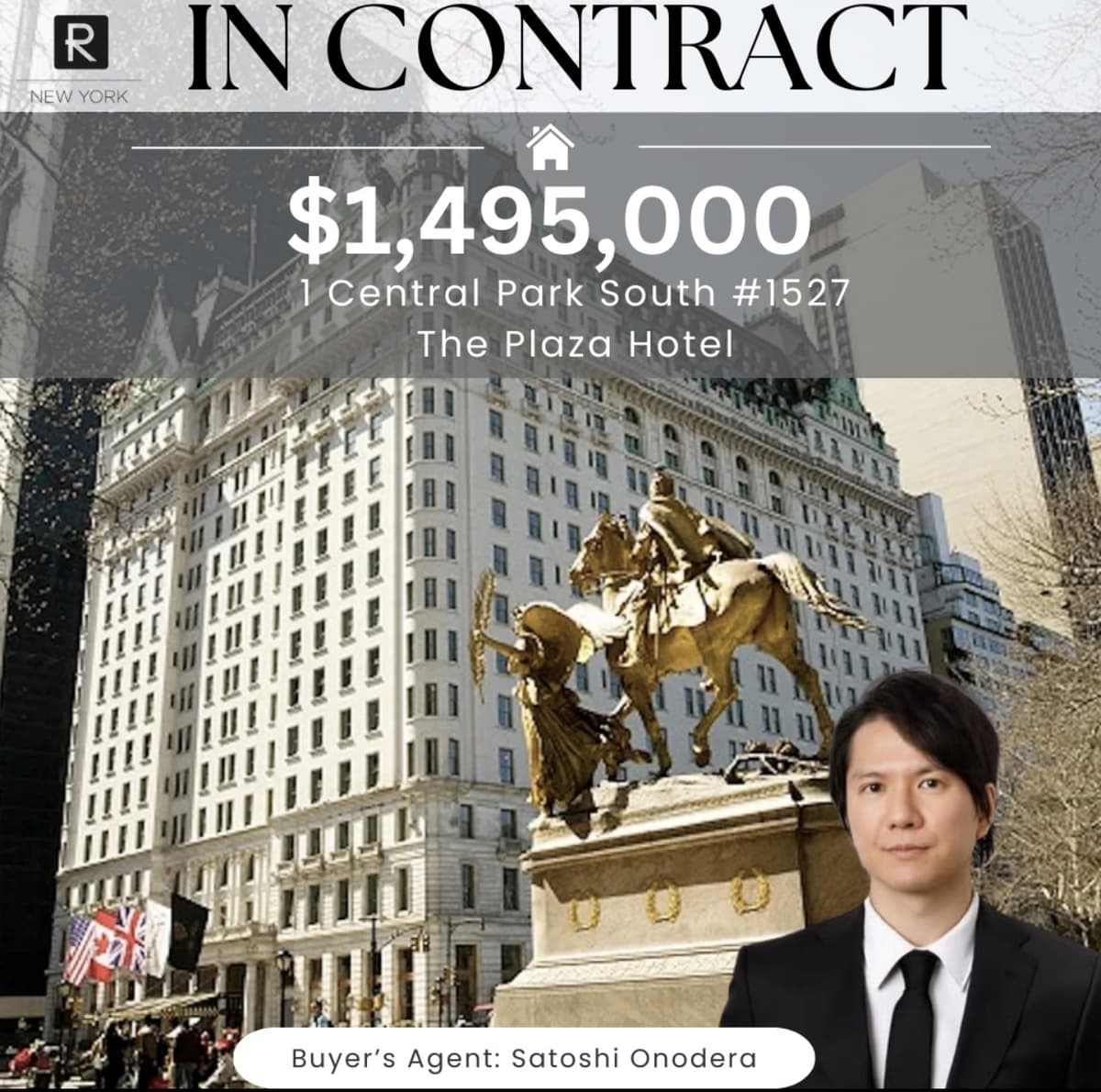
A sample of the sales, purchases and rentals we acted on in 2025 and 2026.
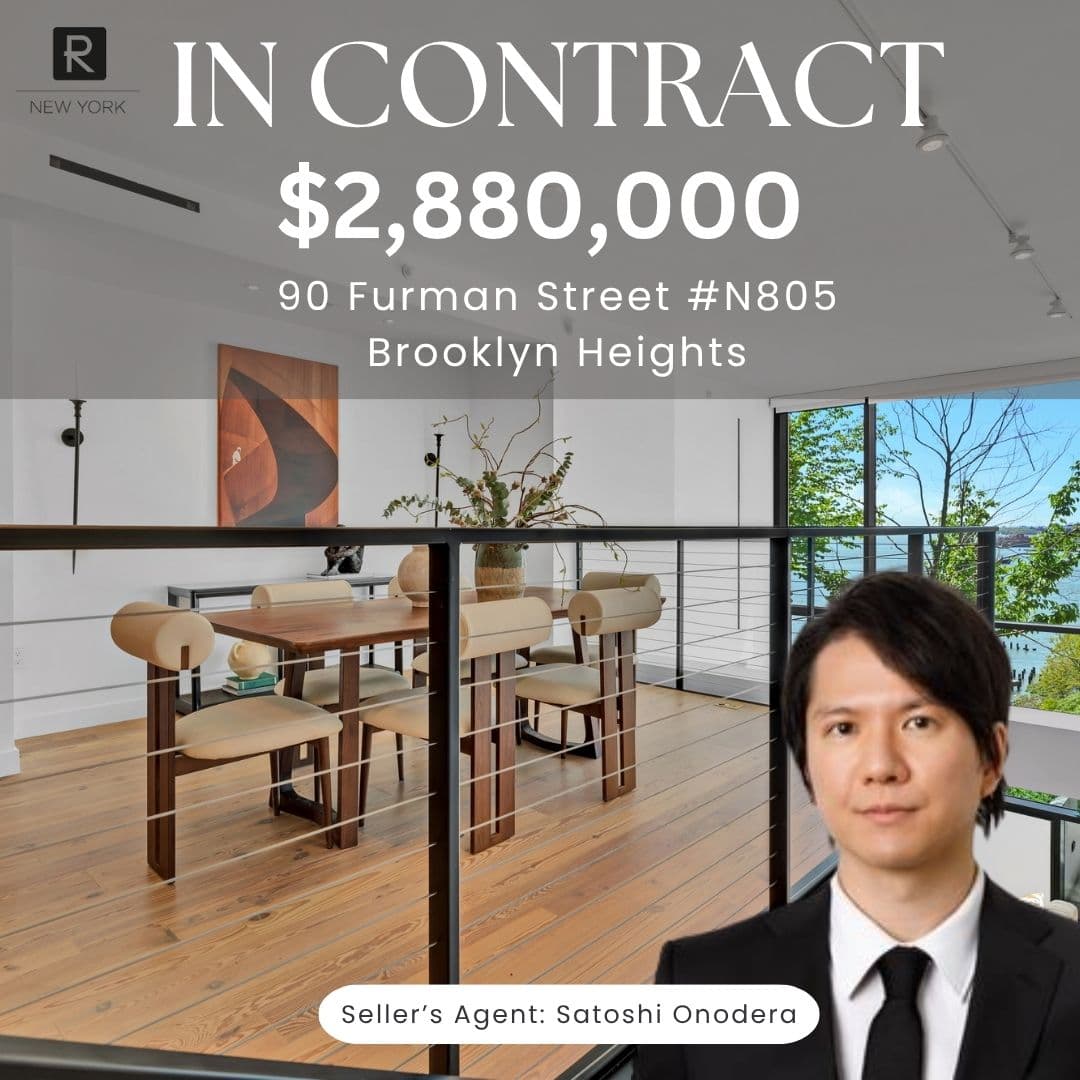
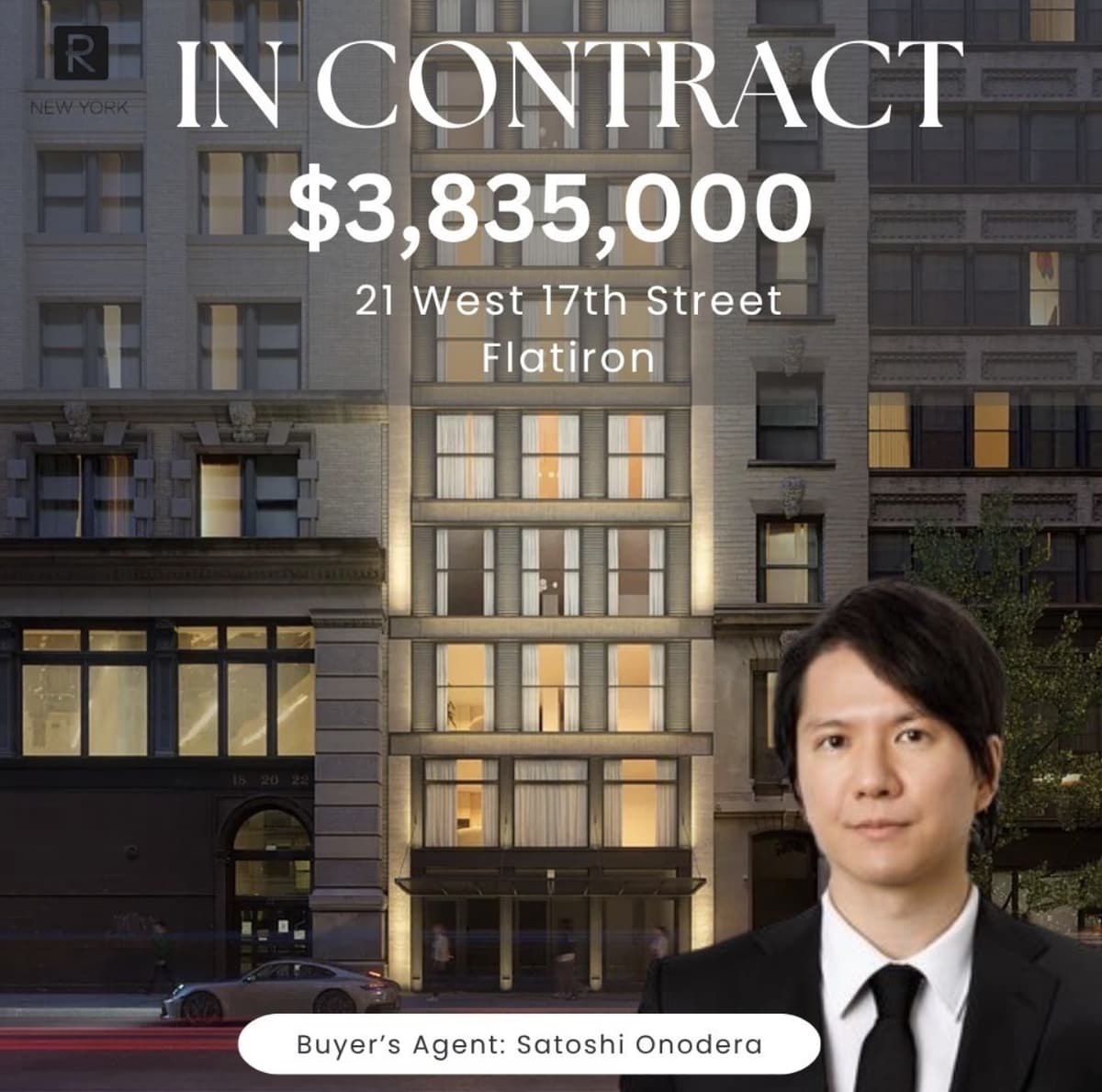

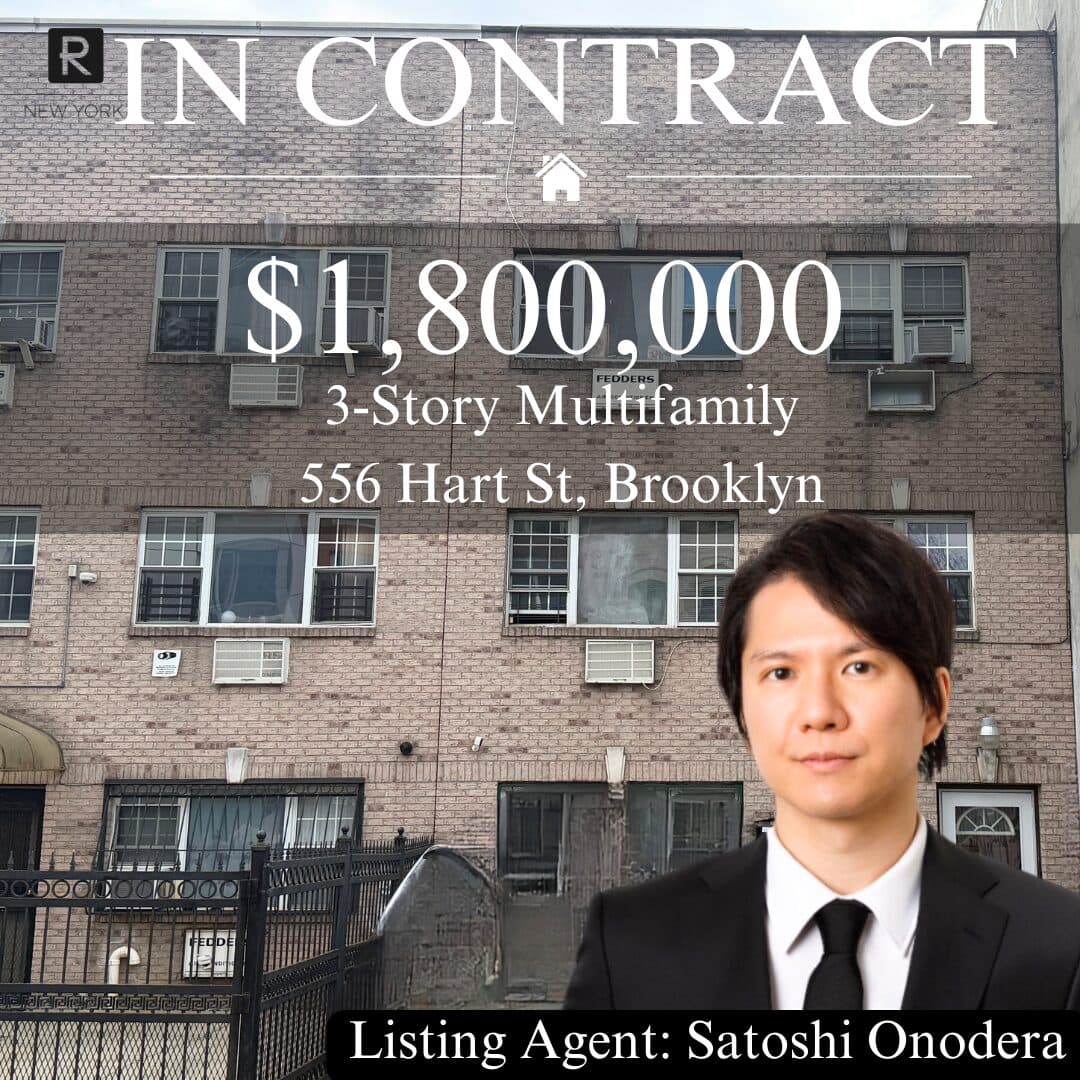



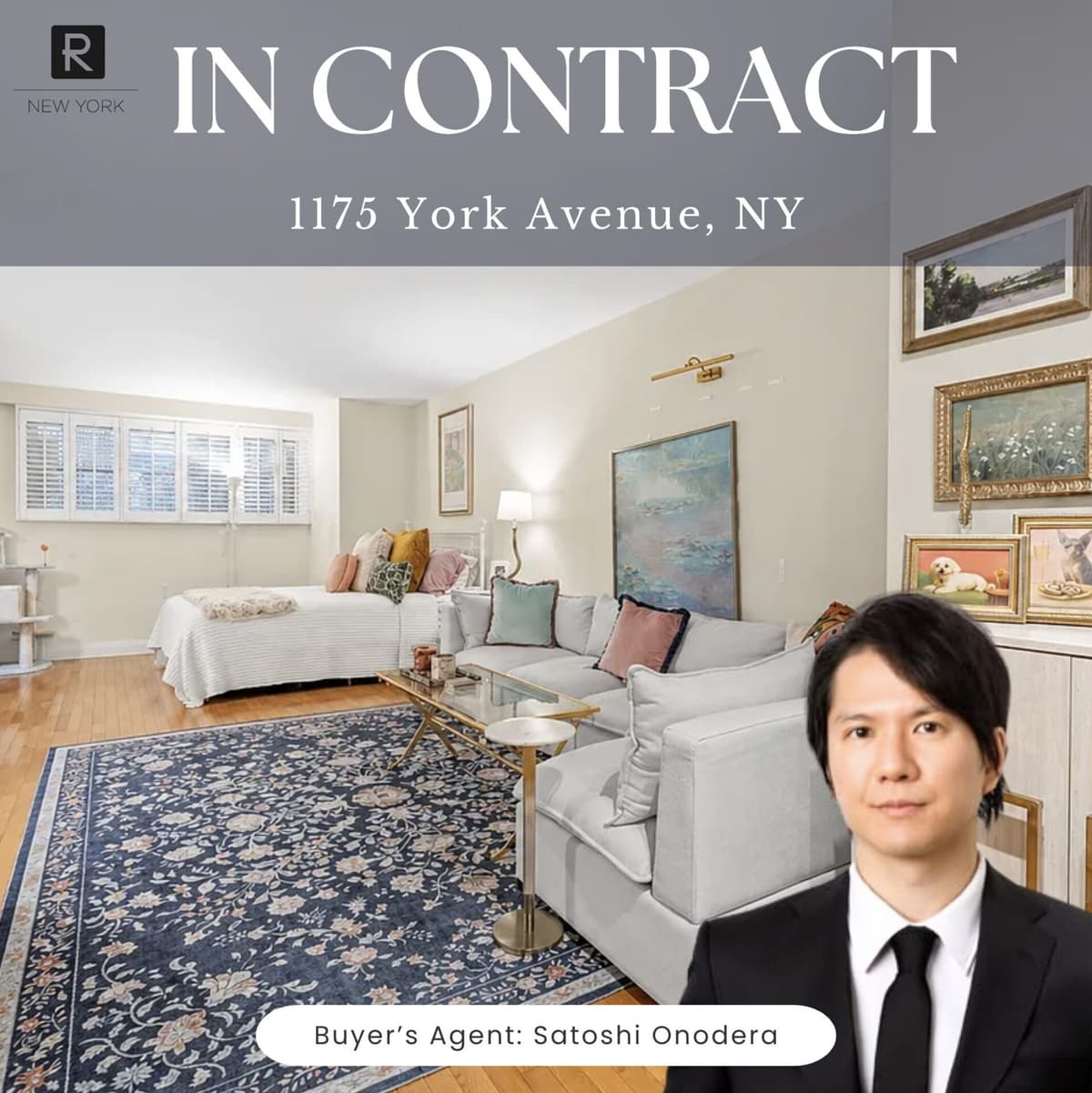





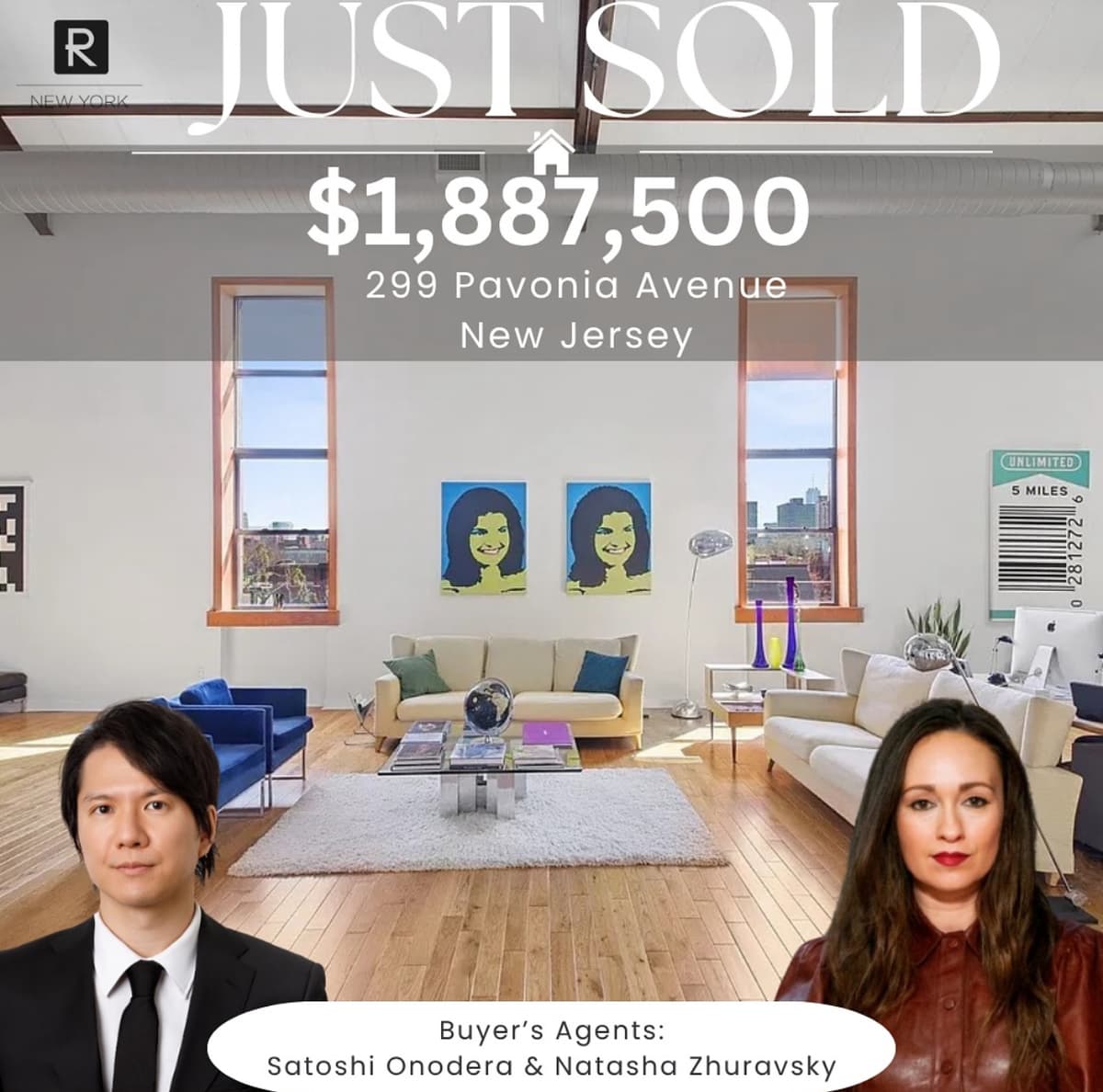

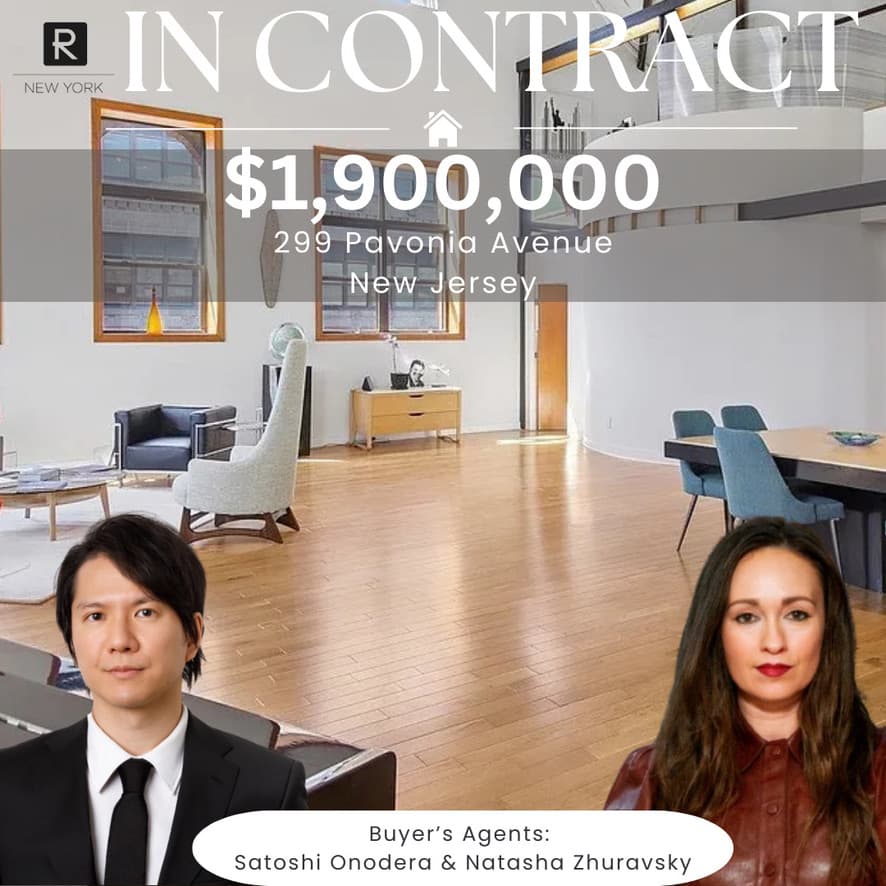
Real estate brokerage services are provided through R New York.
Important notice
The figures on this page are general information as of August 2026 and do not represent an offer, a quote, or a guarantee of any transaction terms. Reinvent NY does not provide legal, tax, or investment advice. Confirm anything material with an attorney and a CPA before you act on it. Nothing here is a solicitation to invest, and no return is promised. Real estate brokerage services are provided through R New York.