Upper West Side NYC Real Estate Guide 2026
What Upper West Side Actually Is — Boundaries, Character, How It Got Here
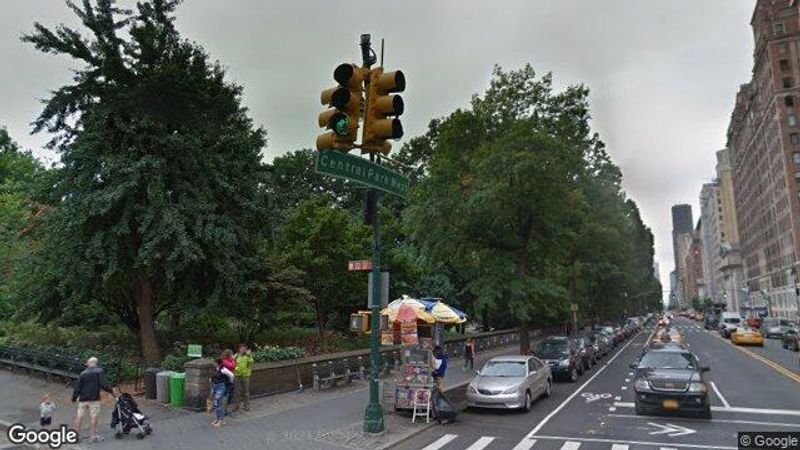
The Upper West Side runs roughly from West 59th Street at Central Park South up to West 110th Street, bounded by Central Park to the east and Riverside Park and the Hudson River to the west. Our team in New York treats Broadway and Central Park West as its twin spines, with Columbus and Amsterdam Avenues filling the residential middle blocks.
It developed in the late 19th century as a genteel alternative to Fifth Avenue, filling in after the Ninth Avenue Elevated and later the subway made it accessible. Institutions like Lincoln Center, the American Museum of Natural History, and Columbia University nearby cemented its identity as a cultured, family-oriented, intellectually inclined district rather than a flashy one.
Today it remains defined by prewar apartment blocks, tree-lined side streets, and a strong sense of continuity — many buyers here are replacing an apartment they already know from decades of family history. It skews toward professionals, academics, and long-term residents rather than short-stay international investors, which shapes pricing and inventory turnover.
The Housing Stock — Specific Buildings, Architects, Eras, Unit Types
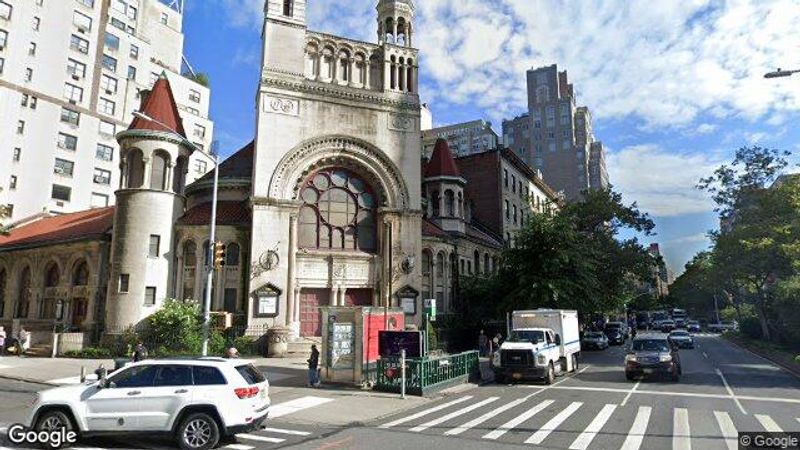
The neighborhood's signature is the prewar apartment house, epitomized by twin-towered landmarks like the Dakota (1 West 72nd Street, Henry Hardenbergh, 1884) and The San Remo and The Eldorado on Central Park West, both by Emery Roth. These buildings offer grand layouts, high ceilings, and co-op ownership structures that often require board approval and financial vetting.
Further west and north, blocks along West End Avenue and Riverside Drive hold sturdy Beaux-Arts and neo-Renaissance co-ops from the 1900s–1920s, many with prewar details but smaller floor plans than the Central Park West giants. Newer full-service condominiums, such as 15 Central Park West and One Riverside Park, offer amenities, flexible ownership, and easier closings for overseas buyers.
Unit types range widely: classic six and seven-room co-ops with staff quarters, studio and one-bedroom rentals in postwar towers along Broadway, and townhouses on the landmarked blocks around West 76th–78th Streets. Renovation condition varies enormously by building age, so our licensed brokerage network typically walks clients through several vintages before narrowing a target.
Prices and Rents — Concrete Numbers
Pricing on the Upper West Side sits below Fifth Avenue and Central Park South but above much of the Upper East Side's outer blocks. Co-op prices per square foot generally run lower than condo equivalents due to financing restrictions and board processes, while condo premiums reflect newer construction and amenity packages along Riverside Boulevard and West End Avenue.
Rental demand stays strong year-round, driven by proximity to Lincoln Center, Columbia, and the park. Studios and one-bedrooms in postwar buildings move quickly, while larger prewar rentals are scarcer and command a premium. All figures below are approximate and subject to market conditions in 2026.
| Unit Type | Purchase Price (Co-op) | Purchase Price (Condo) | Monthly Rent |
|---|---|---|---|
| Studio | $375,000–$550,000 | $550,000–$750,000 | $2,800–$3,600 |
| 1-Bedroom | $650,000–$950,000 | $900,000–$1.3M | $3,800–$5,200 |
| 2-Bedroom | $1.1M–$1.8M | $1.6M–$2.6M | $5,800–$8,500 |
| 3-Bedroom | $1.9M–$3.2M | $2.8M–$5M | $8,500–$13,000 |
| Classic 7+ (CPW prewar) | $3.5M–$8M+ | N/A (rare) | $14,000+ |
Approximate Upper West Side prices and rents, 2026 (subject to market conditions)
Central Park West and Riverside Drive frontage carry the strongest premiums, while blocks between Amsterdam and Columbus Avenues offer relative value for comparable square footage. Buyers focused on long-term appreciation should note that landmark prewar co-ops have historically held value more steadily than newer condo towers further from the park.
Daily Life and Transit
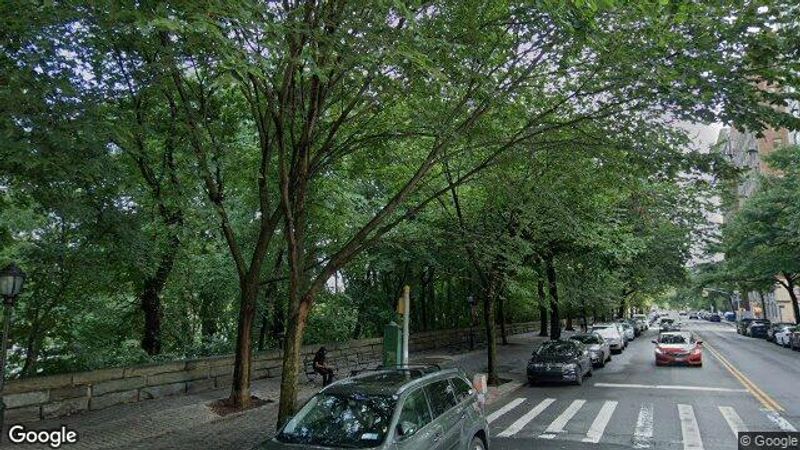
Transit access is excellent: the 1, 2, and 3 lines run beneath Broadway, while the A, B, C, and D lines serve Central Park West and 59th Street–Columbus Circle. Commutes to Midtown typically run 10–15 minutes, and to Wall Street 25–35 minutes, making the neighborhood practical for professionals working downtown or in Midtown.
Daily life centers on Broadway's grocers, including Zabar's and Fairway's original location, plus Riverside Park and Central Park for recreation. Families gravitate toward the neighborhood for its concentration of well-regarded schools and cultural institutions, though public school zoning varies significantly block by block and should be verified before any purchase decision.
| Category | Detail | Approx. Time/Distance |
|---|---|---|
| Subway lines | 1, 2, 3, A, B, C, D | Multiple stations every 4–8 blocks |
| Midtown commute | Via 1/2/3 or A/B/C/D | 10–15 minutes |
| Downtown commute | Via 2/3 express | 25–35 minutes |
| Parks | Central Park, Riverside Park | Both within 5–10 min walk |
| Groceries | Zabar's, Fairway, Trader Joe's | Concentrated on Broadway |
Upper West Side transit and lifestyle snapshot
Weekend life revolves around farmers markets at West 77th Street, jogging paths along the Hudson River, and family outings to the American Museum of Natural History. The neighborhood's grid-based simplicity and dense retail corridor along Broadway and Columbus Avenue make daily errands efficient without needing a car.
Final Thoughts
The Upper West Side suits buyers and renters who value cultural infrastructure, park access on two sides, and a settled residential atmosphere over nightlife density or waterfront glamour. It particularly appeals to families, academics, and professionals seeking a long-term base with strong transit connectivity to both Midtown and downtown Manhattan.
It is less suited to buyers wanting turnkey, amenity-heavy towers or a nightlife-driven social scene; those clients often fare better downtown or in parts of Midtown. Co-op board scrutiny can also be a friction point for buyers unfamiliar with New York's ownership structures, so early guidance matters.
Our team in New York generally recommends the Upper West Side to clients prioritizing stability, schools, and park proximity over flash. For those clients, our licensed brokerage network can identify the right building vintage and ownership structure well before any offer is drafted.
Reinvent NY provides business consulting, operational support, and coordination services. Real estate services are provided through licensed professionals and applicable brokerage relationships. This article is for informational purposes only and does not constitute legal or investment advice.
Nearby neighbourhoods: Washington Heights, West Village, Yorkville. All Manhattan guides are indexed under New York neighbourhood guides.

Satoshi Onodera
Founder & CEO, Reinvent NY Inc.
Founded Reinvent NY in 2024. Providing relocation support from all over the world to America.
Ready to Get Started?
Our team in New York is ready to help with your visa, real estate, or relocation needs.
Schedule a ConsultationFrequently Asked Questions
What are the boundaries of the Upper West Side?
Generally West 59th Street to West 110th Street, bounded by Central Park to the east and Riverside Park/the Hudson River to the west. Broadway and Central Park West serve as the neighborhood's main north-south corridors.
Are most Upper West Side apartments co-ops or condos?
The majority are pre-war co-ops, especially in landmark buildings along Central Park West and Riverside Drive. Condominiums are more common in newer construction, particularly along West End Avenue and Riverside Boulevard.
Which subway lines serve the Upper West Side?
The 1, 2, and 3 trains run under Broadway, while the A, B, C, and D trains run along Central Park West and through 59th Street–Columbus Circle. Coverage is dense across the entire neighborhood.
How do Upper West Side prices compare to the Upper East Side?
Prices are broadly comparable, with the Upper West Side often slightly more accessible outside prime Central Park West addresses. Both neighborhoods sit below Fifth Avenue and Central Park South pricing tiers.
Is the Upper West Side good for families?
Yes, it is one of Manhattan's most family-oriented neighborhoods, with proximity to Central Park, Riverside Park, and a concentration of schools and cultural institutions like the American Museum of Natural History.
Can overseas buyers purchase co-ops on the Upper West Side?
Yes, though co-op boards require financial disclosure and interviews, which can be more involved for overseas buyers. Condominiums generally offer a simpler closing process, which our licensed brokerage network can help navigate.
What is the rental market like on the Upper West Side?
Rental demand is consistently strong, particularly for one- and two-bedroom units near Lincoln Center and Columbia University. Studios in postwar buildings lease quickly, while larger prewar rentals are comparatively scarce.
Real Estate Guides & Data
More guides
- US Real Estate Investing: Yields, Taxes and How to Buy
- Walk-Up vs Doorman Buildings: The Service Premium
- 1031 Exchanging Into NYC: Trading Up to Manhattan
- Assessed vs Market Value: Why the City's Number Differs
- Co-op to Condo Conversion: Why Buildings Rarely Switch
- Buying a US Property Without Flying In
Related Articles
Financial District Manhattan Real Estate Guide 2026
A concrete 2026 guide to Financial District real estate: buildings, prices, rents, transit, and who this Manhattan neighborhood suits best.
Lower East Side NYC Real Estate Guide 2026
An expert 2026 guide to buying and renting in Lower East Side, Manhattan — housing stock, prices, transit, and lifestyle for overseas buyers.
Upper East Side NYC Real Estate Guide 2026
Our 2026 guide to Upper East Side Manhattan real estate covers buildings, prices, rents, transit, and schools for international buyers and renters.
Hudson Yards NYC Real Estate Guide 2026
Our 2026 guide to buying and renting in Hudson Yards, Manhattan: buildings, prices, transit, and who this neighborhood really suits.