Upper East Side NYC Real Estate Guide 2026
What Upper East Side Actually Is
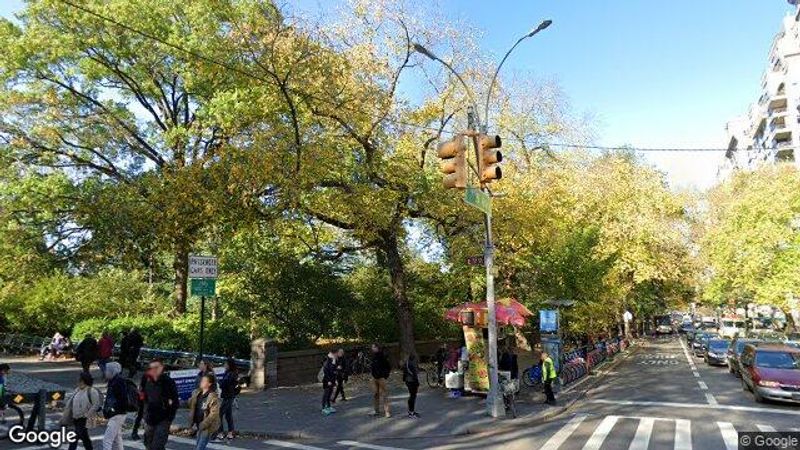
The Upper East Side runs roughly from 59th Street to 96th Street, bounded by the East River and Central Park. Our team in New York treats it as three micro-markets: the Gold Coast near Fifth and Park Avenues, the quieter blocks toward Lexington and Third, and Yorkville to the east. Each has a distinct price tier and social character despite shared postal geography.
Historically this was farmland and country estates until the elevated railway and later the subway pulled wealthy Manhattanites north in the late 1800s. Museum Mile, Fifth Avenue mansions, and Carnegie Hill's rowhouses date from this Gilded Age push. Old money settled first around Central Park, while Yorkville developed as a working-class German and Hungarian enclave that gentrified steadily after the 1970s.
Today the neighborhood balances old-guard co-op boards with newer glass towers along York and East End Avenues. Our team in New York finds it appeals to clients seeking prestige and permanence over trend-driven neighborhoods like the West Village. It remains residential, low-key at street level, and organized around institutions — hospitals, private schools, and museums — rather than nightlife.
The Housing Stock
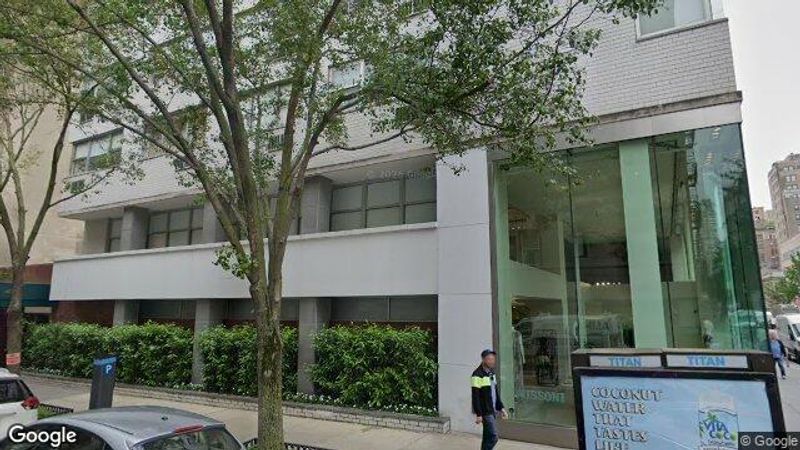
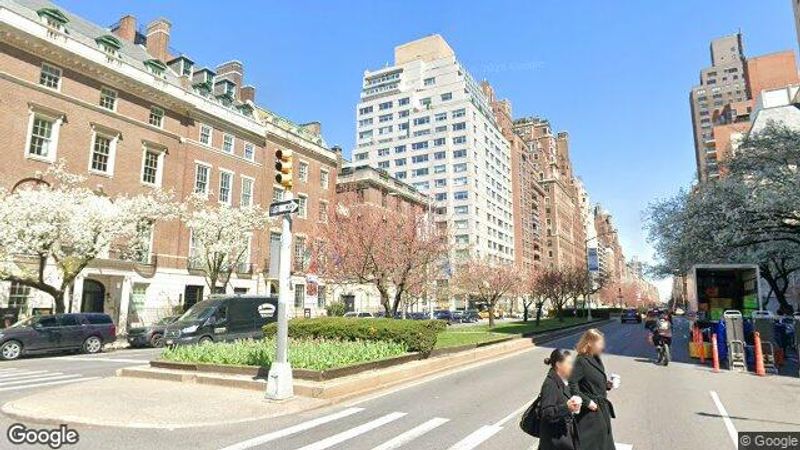
Prewar co-op buildings dominate the Gold Coast, particularly along Fifth Avenue, Park Avenue, and East 70s–80s cross streets. Landmark addresses include 740 Park Avenue, 834 Fifth Avenue, and 1 Gracie Square, many designed by Rosario Candela or Emery Roth in the 1920s and 1930s. These buildings favor prewar layouts: formal entry galleries, staff quarters, and high ceilings, with boards known for strict financial vetting.
Condominiums cluster more toward Yorkville and the far East Side, where developers had room to build. 15 Central Park West-style towers don't exist here, but newer projects like 200 East 79th Street and The Charles at 1355 First Avenue offer full-service amenities, doormen, and modern floor plans without co-op board scrutiny — a meaningful advantage for overseas buyers unfamiliar with New York's cooperative system.
Unit types range from studios in postwar rentals along Second and Third Avenue to sprawling prewar six- and seven-room apartments with wood-burning fireplaces near the park. Townhouses survive on side streets like East 73rd and East 94th, often converted to single-family use after decades as multi-unit rentals. Renovation quality varies enormously, so our licensed brokerage network typically arranges inspections before any offer.
Prices and Rents
Pricing on the Upper East Side varies sharply by proximity to Central Park and building vintage. As of 2026, prewar co-op resales near Fifth Avenue command premiums, while Yorkville condos and postwar rentals offer relative value. These figures are approximate and subject to market conditions, and our team in New York always verifies current comparables before advising clients on offers.
Maintenance and common charges matter as much as purchase price in co-ops, sometimes adding $3,000–$8,000 monthly for larger prewar units. Renters should note that broker fees and application requirements for luxury rentals can be more rigorous than in other US cities, often requiring proof of income at 40 times monthly rent or substantial guarantor arrangements.
| Unit Type | Purchase Price (USD) | Monthly Rent (USD) | Typical Location |
|---|---|---|---|
| Studio condo/rental | $450,000 – $750,000 | $2,800 – $3,800 | Yorkville, East 80s–90s |
| 1-bedroom co-op/condo | $700,000 – $1.4M | $3,800 – $5,500 | Lexington/Third Ave corridor |
| 2-bedroom prewar co-op | $1.5M – $3.2M | $6,500 – $9,500 | Park/Madison Ave, 70s–80s |
| 3-4 bedroom prewar | $3.5M – $9M+ | $12,000 – $22,000 | Fifth Avenue, Carnegie Hill |
| Townhouse (full) | $6M – $20M+ | $25,000+ | East 60s–90s side streets |
Approximate Upper East Side prices and rents, 2026 (subject to market conditions)
Negotiating room exists in co-ops that have sat on the market, particularly units needing renovation, while newer condo development is priced more firmly. Our team in New York generally sees the tightest inventory — and least negotiating leverage — for move-in-ready two-bedrooms under $2.5M, since this remains the most competitive segment among both local and international buyers.
Daily Life and Transit
The 4, 5, and 6 trains run beneath Lexington Avenue, historically the neighborhood's only subway spine, though the newer Q train on Second Avenue has eased crowding east of Third Avenue since its extension to 96th Street. Crosstown buses (M79, M86, M96) connect to the West Side, and commutes to Midtown or Wall Street typically run 15–30 minutes depending on origin point.
Grocery options range from Whole Foods on East 87th Street to gourmet specialists like Agata & Valentina on First Avenue. Central Park anchors the western edge, while Carl Schurz Park along the East River offers quieter riverside space. Families gravitate toward the neighborhood for private schools including Brearley, Chapin, Spence, and Dalton, several within walking distance of each other.
| Feature | Detail | Approx. Commute/Distance |
|---|---|---|
| Subway lines | 4, 5, 6, Q | Lexington Ave & Second Ave corridors |
| Midtown commute | 6 or Q train to 42nd St | 15–20 minutes |
| Downtown/Wall St commute | 4 or 5 express train | 25–35 minutes |
| Major park | Central Park, Carl Schurz Park | 0–10 minute walk |
| Grocery anchors | Whole Foods, Agata & Valentina, Eli's Market | 5–10 minute walk |
Transit and lifestyle snapshot, Upper East Side, 2026
Daily rhythm here skews orderly: dog walkers and school drop-offs dominate mornings, museum crowds gather around Museum Mile on weekends. Traffic along Park and Fifth Avenues is manageable outside rush hour, and East River Ferry access near East 90th Street adds a scenic if slower commuting alternative. Overall the neighborhood rewards residents who value routine over spontaneity.
New Condominiums on the Eastern Avenues
For most of the last century this was co-op country, and cooperatives control who buys. The Second Avenue subway's first phase, opened in 2017, changed the development math on the eastern blocks, and what has been built since is condominium stock rather than cooperative.
That matters more to an overseas buyer than the architecture does. New development shifts the New York State and City transfer taxes onto the buyer in most offering plans, and some buildings carry a tax abatement that lowers the monthly for a defined period before stepping up. Both terms sit in the offering plan.
The neighborhood is not one market. Fifth and Park hold the pre-war cooperatives and trade on address. Second and Third carry the new condominium stock and trade on light, layout and building systems. Yorkville, east of Third above 79th, is where the subway made the largest difference to daily life.
Where an Overseas Buyer Has the Advantage
In a cooperative, a buyer whose income and assets sit outside the United States is often declined regardless of the strength of the file, and boards are not required to give a reason. A condominium board holds only a right of first refusal, which is almost never exercised.
Purchase in the name of a trust or a limited liability company is generally permitted in a condominium and generally blocked in a cooperative. For a buyer planning to hold through an entity, that single fact decides the building type before any apartment is seen.
New development sales are run by the sponsor's own broker, who represents the seller. Buyer representation is a separate role, and it is the one we perform.
Final Thoughts
The Upper East Side suits buyers and renters prioritizing stability, institutional prestige, and proximity to Central Park over nightlife or architectural novelty. Families drawn to the private school corridor, collectors near Museum Mile, and professionals wanting a dignified, established address all find strong fits here. Our team in New York regularly places international clients in prewar co-ops precisely for this pedigree.
It is less suited to buyers seeking downtown energy, loft-style architecture, or late-night dining density — SoHo or the West Village serve those preferences better. Co-op board approval processes can also frustrate clients unfamiliar with New York's system, requiring patience, documentation, and often liquidity requirements that some overseas buyers find unexpectedly demanding.
For those comfortable with tradition and willing to navigate board scrutiny, the neighborhood offers durable value and a genuinely residential feel rare in Manhattan. Our team in New York, working through our licensed brokerage network, typically advises a site visit before committing, since block-by-block character shifts meaningfully between Fifth Avenue's grandeur and Yorkville's more modest, walkable streets.
Reinvent NY provides business consulting, operational support, and coordination services. Real estate services are provided through licensed professionals and applicable brokerage relationships. This article is for informational purposes only and does not constitute legal or investment advice.
Nearby neighbourhoods: Upper West Side, Washington Heights, West Village. All Manhattan guides are indexed under New York neighbourhood guides.

Satoshi Onodera
Founder & CEO, Reinvent NY Inc.
Founded Reinvent NY in 2024. Providing relocation support from all over the world to America.
Ready to Get Started?
Our team in New York is ready to help with your visa, real estate, or relocation needs.
Schedule a ConsultationFrequently Asked Questions
Is the Upper East Side a good investment for international buyers?
Yes, particularly prewar co-ops near Central Park, which have historically held value well. However, co-op boards scrutinize buyers closely, so our team in New York recommends preparing documentation early and working through our licensed brokerage network.
What is the difference between Yorkville and the Gold Coast?
Yorkville, east toward the river, offers more affordable condos and rentals with a younger, less formal feel. The Gold Coast near Fifth and Park Avenues features grand prewar co-ops, higher prices, and a more traditional, established resident profile.
Are co-op board approvals difficult for foreign buyers?
Boards require detailed financial disclosure, reference letters, and interviews, which can feel intrusive to overseas buyers. Approval isn't guaranteed even with full cash offers. Condominiums generally offer an easier path since they lack this discretionary board review process.
Which subway lines serve the Upper East Side best?
The 4, 5, and 6 trains run along Lexington Avenue, while the Q train serves Second Avenue up to 96th Street. Together they provide reliable access to Midtown and downtown Manhattan within 15–35 minutes depending on destination.
What are typical maintenance fees in Upper East Side co-ops?
Monthly maintenance often ranges from $1,500 for smaller units to $8,000 or more for large prewar apartments, covering staff, heating, and building upkeep. These figures are approximate and vary significantly by building age and amenities.
Is the Upper East Side family-friendly?
Very much so. The neighborhood hosts numerous elite private schools including Brearley, Chapin, and Spence, plus easy access to Central Park and Carl Schurz Park. Many buildings also cater specifically to families with larger prewar layouts.
How do Upper East Side prices compare to other Manhattan neighborhoods?
Prices sit below Tribeca and parts of the West Village but above much of Harlem or the Lower East Side. Prewar prestige buildings near Central Park can rival or exceed downtown pricing, while Yorkville remains comparatively accessible.
Real Estate Guides & Data
More guides
- Commercial vs Residential: Two Investment Grammars
- Cost Segregation: Accelerating US Property Depreciation
- Divorce and NY Real Estate: Dividing the Apartment
- Exit Planning Five Years Out: Selling Starts Early
- Furnished and Corporate Rentals: The 30-Day-Plus Market
- How to Hold US Property: Personal, LLC or Corporation
Related Articles
Lower East Side NYC Real Estate Guide 2026
An expert 2026 guide to buying and renting in Lower East Side, Manhattan — housing stock, prices, transit, and lifestyle for overseas buyers.
Upper West Side NYC Real Estate Guide 2026
Our 2026 guide to Upper West Side real estate: boundaries, building stock, prices, transit, and schools for overseas buyers and renters.
Hudson Yards NYC Real Estate Guide 2026
Our 2026 guide to buying and renting in Hudson Yards, Manhattan: buildings, prices, transit, and who this neighborhood really suits.
Hell's Kitchen Real Estate Guide 2026
A local advisor's guide to buying and renting in Hell's Kitchen, Manhattan — boundaries, buildings, 2026 prices, transit, and who the neighborhood suits.