Hudson Yards NYC Real Estate Guide 2026
What Hudson Yards Actually Is
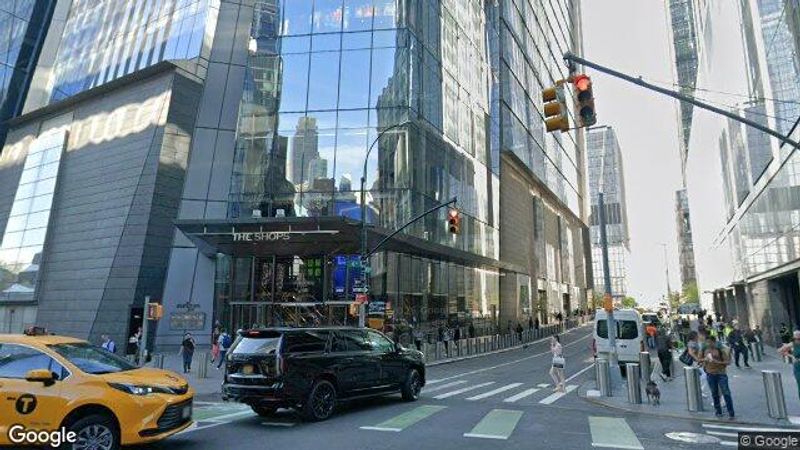
Hudson Yards sits on Manhattan's Far West Side, roughly bounded by 30th to 34th Streets, 8th Avenue, and the Hudson River. Built largely over active rail yards owned by the MTA, it is the largest private real estate development in U.S. history. Our team in New York treats it as its own micro-district, distinct from neighboring Chelsea and Midtown West, both architecturally and socially.
The neighborhood emerged from a public-private megaproject launched in the 2010s, anchored by Related Companies and Oxford Properties. Construction of the eastern platform finished around 2019, delivering office towers, retail, and residential buildings almost simultaneously. This compressed timeline gave Hudson Yards a uniform, master-planned character rare in Manhattan, where most neighborhoods evolved organically over a century or more.
Character here is corporate-luxury: glass towers, wide plazas, and the sculptural Vessel landmark punctuate a district built for global finance and tech tenants as much as residents. It reads more like Singapore's Marina Bay than the West Village. Clients seeking prewar charm or brownstone streets should look elsewhere; those wanting turnkey newness find it unmatched in Manhattan.
The Housing Stock
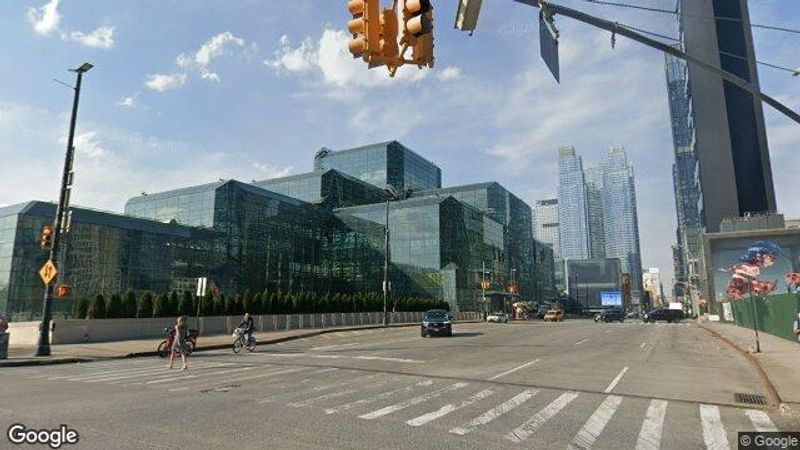
Residential Hudson Yards is almost entirely new-construction condominiums, concentrated in a handful of towers. 15 Hudson Yards, designed by Diller Scofidio + Renfro with Rockwell Group, offers studios through five-bedroom units and remains the district's flagship residential address, prized for river and skyline views over the High Line's northern terminus.
35 Hudson Yards, a David Childs (SOM) design, combines condominiums above the Equinox Hotel with full-floor and half-floor layouts favored by buyers wanting privacy and hotel-style services. Nearby, rental stock is smaller but present at buildings such as 50 Hudson Yards's residential components and select towers along 10th and 11th Avenues, which offer one- and two-bedroom rentals with amenity packages.
Unit types skew toward one- and two-bedrooms, though penthouse and duplex inventory exists for buyers wanting scale. Floor-to-ceiling glass, private climate control, and dedicated elevator banks are standard. There is essentially no prewar or walk-up stock; buyers wanting loft conversions or older architecture should consider Chelsea or the Garment District immediately to the east instead.
Prices and Rents
Pricing in Hudson Yards reflects its ultra-luxury positioning. Condominium pricing per square foot regularly exceeds that of comparable Midtown or Chelsea product, driven by amenity depth, views, and newness. All figures below are approximate, subject to market conditions, and should be confirmed with our licensed brokerage network before any offer is prepared.
Rental demand is driven by corporate relocations and finance-sector tenants working nearby at firms headquartered in the district. Studios and one-bedrooms move quickly given limited rental supply relative to condo inventory, while larger units see longer marketing periods due to a thinner pool of qualified tenants at that price point.
| Unit Type | Sale Price (approx.) | Price per Sq Ft (approx.) | Monthly Rent (approx.) |
|---|---|---|---|
| Studio | $900K – $1.3M | $2,000 – $2,400 | $4,200 – $5,200 |
| 1-Bedroom | $1.4M – $2.2M | $2,100 – $2,600 | $5,500 – $7,000 |
| 2-Bedroom | $2.5M – $4.5M | $2,300 – $2,900 | $8,500 – $12,000 |
| 3-Bedroom | $4.8M – $8M+ | $2,600 – $3,300 | $14,000 – $20,000 |
| Penthouse/Duplex | $10M – $30M+ | $3,000 – $4,500 | N/A |
Hudson Yards approximate sale and rental prices, 2026 (subject to market conditions)
Compared with Tribeca or Billionaires' Row, Hudson Yards offers newer construction at a modest discount per square foot, though carrying costs — common charges and real estate taxes — can be higher due to extensive shared amenities. Buyers should budget accordingly rather than comparing sticker price alone across neighborhoods.
Daily Life and Transit
Transit access centers on the 7 train's 34th Street–Hudson Yards station, the line's westernmost extension, offering direct service to Times Square, Grand Central, and Flushing. The A, C, E trains at 34th Street–Penn Station and 8th Avenue are a short walk east, and Penn Station itself provides regional and commuter rail connections.
Daily life revolves around The Shops at Hudson Yards for groceries and retail, plus a Whole Foods a short walk south in Chelsea. Green space comes primarily from the High Line, which threads along the district's eastern edge, and Hudson River Park along the waterfront, offering running paths and river views absent from most Manhattan neighborhoods.
| Destination | Subway Line(s) | Approx. Commute Time | Notes |
|---|---|---|---|
| Times Square | 7 train | 5–8 minutes | Direct, no transfer |
| Grand Central | 7 train | 10–12 minutes | Direct, no transfer |
| Wall Street / FiDi | A/C, transfer | 25–30 minutes | One transfer typical |
| Penn Station (LIRR/NJ Transit) | Walk or A/C/E | 8–10 minute walk | Regional rail access |
| JFK Airport | 7 to E, or LIRR | 50–60 minutes | Via AirTrain connection |
Hudson Yards transit and commute times (approximate)
Schooling options are limited within the immediate district, as it is largely non-residential in its planning DNA; families typically look to schools in Chelsea, Midtown, or private institutions citywide. Hudson Yards suits professionals and couples more than school-age families, given the scarcity of playgrounds and public elementary schools directly on-site.
Final Thoughts
Hudson Yards suits buyers who want new construction, hotel-grade amenities, and proximity to corporate Manhattan without negotiating older building quirks. It particularly appeals to finance and tech executives who value doorman service, climate-controlled interiors, and direct transit to Midtown and Grand Central without daily reliance on taxis or ride-hailing.
It is less suited to buyers drawn to Manhattan's historic character — brownstones, prewar detail, tree-lined blocks — or to families prioritizing public schools and neighborhood parks within a five-minute walk. Those buyers are typically better served in Chelsea, the Upper West Side, or Brooklyn Heights, where our team also maintains active listings.
Our team in New York generally recommends Hudson Yards to clients treating the purchase as a pied-à-terre or corporate-adjacent primary residence rather than a long-term family home. For that buyer profile, few Manhattan districts offer comparable newness, amenity density, and transit convenience in a single, tightly managed footprint.
Reinvent NY provides business consulting, operational support, and coordination services. Real estate services are provided through licensed professionals and applicable brokerage relationships. This article is for informational purposes only and does not constitute legal or investment advice.
Nearby neighbourhoods: Inwood, Kips Bay, Lincoln Square. All Manhattan guides are indexed under New York neighbourhood guides.
Related reading: hudson yards far west.

Satoshi Onodera
Founder & CEO, Reinvent NY Inc.
Founded Reinvent NY in 2024. Providing relocation support from all over the world to America.
Ready to Get Started?
Our team in New York is ready to help with your visa, real estate, or relocation needs.
Schedule a ConsultationFrequently Asked Questions
Is Hudson Yards a good investment for foreign buyers?
It can be, particularly for pied-à-terre or rental-income strategies given strong corporate rental demand. Our licensed brokerage network can model returns against comparable Midtown and Chelsea inventory before you commit capital.
What subway lines serve Hudson Yards?
The 7 train stops directly at 34th Street–Hudson Yards. The A, C, and E trains are reachable via a short walk to 34th Street–Penn Station or 8th Avenue, adding broader citywide connectivity.
Are there prewar or older buildings in Hudson Yards?
No. The residential district is almost entirely post-2015 new construction. Buyers wanting prewar character, moldings, or converted lofts should consider adjacent Chelsea or the Garment District instead.
How do Hudson Yards prices compare to Chelsea?
Hudson Yards typically runs comparable to slightly below Chelsea's newest luxury towers on a per-square-foot basis, though common charges and taxes can run higher given extensive shared amenity space.
Is Hudson Yards family-friendly?
It's better suited to professionals and couples. Public elementary schools and playgrounds directly within the district are limited, so families often look to Chelsea or Midtown alternatives nearby.
What is the Vessel and does it affect property values?
The Vessel is a sculptural landmark at the heart of the district. It anchors foot traffic and retail vibrancy but has limited direct impact on individual unit pricing compared to floor level and river views.
Can I rent out a Hudson Yards condominium easily?
Yes, rental demand is steady given nearby corporate employers, though building-specific rental policies vary. Confirm subletting rules with our licensed brokerage network before purchase if rental income is a priority.
Real Estate Guides & Data
More guides
- US Property Insurance: The Line That Breaks a Rental Model
- Reading Building Financials: The Numbers Behind the Lobby
- Rent Stabilization for Buyers: What Regulation Means
- Schools and School Zoning in New York
- Selling a Tenanted Property: Occupied vs Vacant Exits
- Studios and One-Beds: The Investor's Entry Units
Related Articles
Upper West Side NYC Real Estate Guide 2026
Our 2026 guide to Upper West Side real estate: boundaries, building stock, prices, transit, and schools for overseas buyers and renters.
Upper East Side NYC Real Estate Guide 2026
Our 2026 guide to Upper East Side Manhattan real estate covers buildings, prices, rents, transit, and schools for international buyers and renters.
Hell's Kitchen Real Estate Guide 2026
A local advisor's guide to buying and renting in Hell's Kitchen, Manhattan — boundaries, buildings, 2026 prices, transit, and who the neighborhood suits.
Midtown West Manhattan Real Estate Guide 2026
Our 2026 guide to Midtown West: buildings, prices, rents, transit and daily life for international buyers considering Manhattan's Theater District corridor.