Inwood Manhattan Real Estate Guide 2026
What Inwood Actually Is — Boundaries, Character, and How It Got Here
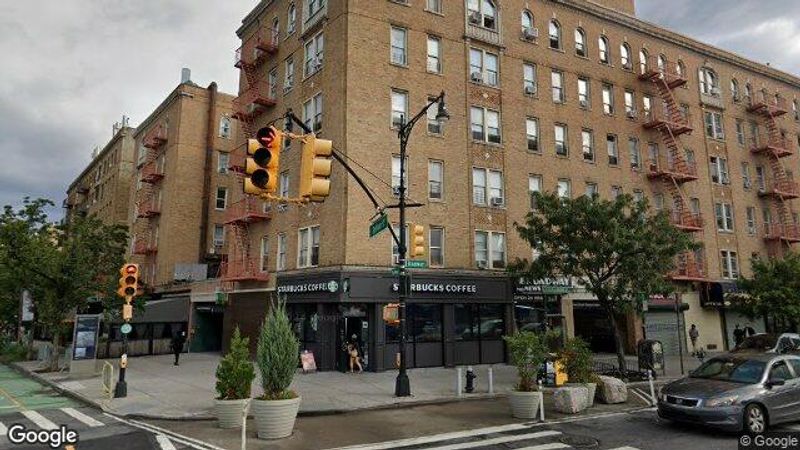
Inwood occupies the northern tip of Manhattan, bounded by Dyckman Street to the south, the Harlem River to the east, the Hudson River to the west, and Spuyten Duyvil Creek to the north. Our team in New York considers it the last genuinely affordable Manhattan neighborhood with subway access, a fact that has driven steady investor interest since the mid-2010s.
The area developed later than most of Manhattan, with its housing stock rising largely between the 1910s and 1940s as the subway extended uptown. Historically a working- and middle-class enclave, Inwood has long been home to a large Dominican community, giving Dyckman Street its dense concentration of Latin American restaurants, bakeries, and social clubs that define daily street life.
Rezoning approved in 2018 accelerated new development along the waterfront and near the Harlem River, bringing taller residential towers into a neighborhood historically defined by six-story prewar buildings. This shift has created a two-tier market: legacy prewar co-ops priced well below Manhattan averages, alongside newer rental and condo product commanding premium pricing for the area.
The Housing Stock — Buildings, Eras, and Unit Types
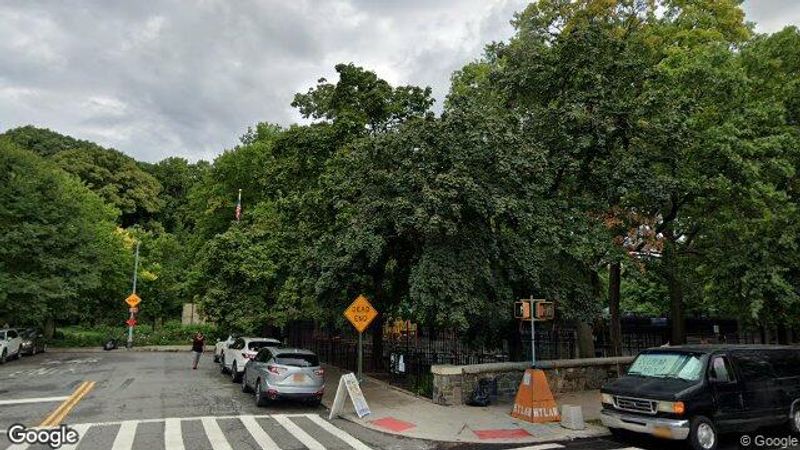
Inwood's housing base is dominated by prewar elevator and walk-up buildings, typically six stories, built between 1915 and 1939 along streets like Seaman Avenue, Payson Avenue, and Cabrini Boulevard's northern reaches. Layouts favor generous prewar proportions — sunken living rooms, formal dining alcoves, and high ceilings — that are increasingly rare and costly further downtown.
Notable prewar co-op buildings include Park Terrace Gardens, a Tudor-style complex facing Isham Park and Inwood Hill Park, and the Grinnell, a landmarked 1911 building on Broadway near 157th known for its oversized units and artistic residents. These buildings favor co-op ownership structures, which typically require board approval and carry maintenance fees rather than separate tax bills.
New construction has concentrated along Sherman Creek and near the Harlem River, adding rental towers with amenity packages — gyms, roof decks, package rooms — uncommon in the neighborhood's older stock. Buyers should note that most Inwood transactions remain co-op purchases rather than condos, which limits financing flexibility but keeps entry prices meaningfully lower than comparable Manhattan submarkets.
Prices and Rents — What Things Actually Cost
Inwood remains one of Manhattan's most accessible entry points for both renters and buyers. As of early 2026, approximate figures show one-bedroom co-ops trading in a range that would be difficult to find south of 155th Street, while rental inventory skews toward larger layouts suited to families and shares.
Pricing is sensitive to building type, proximity to parks, and elevator access — prewar walk-ups near Broadway sit at the lower end, while renovated units near Inwood Hill Park or newer river-facing rentals command a premium. All figures below are approximate and subject to market conditions, based on active and recently closed listings tracked by our licensed brokerage network.
| Unit Type | Inwood (Buy) | Inwood (Rent/mo) | Washington Heights (Buy) | Harlem (Buy) |
|---|---|---|---|---|
| Studio | $180K–$260K | $1,750–$2,300 | $220K–$300K | $280K–$380K |
| 1-Bedroom | $260K–$400K | $2,100–$2,800 | $320K–$450K | $400K–$550K |
| 2-Bedroom | $400K–$600K | $2,700–$3,600 | $500K–$700K | $600K–$850K |
| 3-Bedroom | $550K–$800K | $3,300–$4,500 | $700K–$950K | $850K–$1.2M |
Approximate Inwood Pricing vs. Nearby Manhattan Submarkets (2026)
For overseas buyers, the value proposition is straightforward: Inwood offers prewar co-op ownership at roughly half the per-square-foot cost of Harlem or Washington Heights, with meaningfully lower cost than any neighborhood south of 96th Street. Rental yields for investment-minded buyers also compare favorably given consistently high occupancy from long-term local tenants.
Daily Life and Transit — Subway, Groceries, Schools, and Parks
Inwood is served by the A train at 207th Street, 200th Street (Dyckman Street), and 190th Street, and by the 1 train at 207th, 215th, and 225th Streets. Express A trains reach Midtown's 59th Street in roughly 30–35 minutes, making the daily commute genuinely competitive with neighborhoods much further south.
Daily errands center on Dyckman Street and Broadway, home to supermarkets, bakeries, and the Inwood Farmers Market on Isham Street. The neighborhood's defining amenity is green space: Inwood Hill Park contains Manhattan's last natural forest and salt marsh, while adjacent Isham Park offers quieter, more formal grounds popular with families and dog owners.
| Category | Detail | Approx. Time/Distance |
|---|---|---|
| Subway to Midtown (A express) | 207th St to 59th St | 30–35 min |
| Subway to Downtown (1 train) | 215th St to Times Sq | 40–45 min |
| Major Park | Inwood Hill Park | Adjacent to Payson/Seaman Ave |
| Grocery | Dyckman St corridor supermarkets | 5–10 min walk, most buildings |
| Public Schools | PS 98, PS 152 | Zoned, within neighborhood |
Inwood Transit and Lifestyle Snapshot
Families weigh zoned schools including PS 98 Shorac Kappock and PS 152, both well-regarded locally, alongside proximity to private options further downtown via the A train. Overall, Inwood functions as a genuinely residential, low-density corner of Manhattan — quieter, greener, and more transit-efficient than its reputation among first-time visitors often suggests.
Final Thoughts
Inwood suits buyers and renters prioritizing space, green space, and value over proximity to Manhattan's commercial core. Families seeking prewar apartments with real square footage, and investors comfortable with co-op board approval processes, will find the neighborhood's fundamentals — transit access, park access, and price — difficult to replicate elsewhere on the island.
It is less suited to buyers requiring condo flexibility, immediate access to Midtown's business district, or a nightlife-driven lifestyle. The 30-minute-plus commute, while reasonable, still exceeds what buyers accustomed to Midtown or Downtown proximity may expect, and inventory of true luxury condo product remains limited compared to Manhattan's core submarkets.
Our team in New York views Inwood as a considered, value-oriented recommendation rather than a default suggestion — appropriate for clients who have already toured downtown Manhattan and want a rational alternative. We work through our licensed brokerage network to arrange private viewings and walk overseas clients through co-op board requirements before any offer is made.
Reinvent NY provides business consulting, operational support, and coordination services. Real estate services are provided through licensed professionals and applicable brokerage relationships. This article is for informational purposes only and does not constitute legal or investment advice.
Nearby neighbourhoods: Kips Bay, Lincoln Square, Little Italy. All Manhattan guides are indexed under New York neighbourhood guides.

Satoshi Onodera
Founder & CEO, Reinvent NY Inc.
Founded Reinvent NY in 2024. Providing relocation support from all over the world to America.
Ready to Get Started?
Our team in New York is ready to help with your visa, real estate, or relocation needs.
Schedule a ConsultationFrequently Asked Questions
Is Inwood considered part of Manhattan?
Yes. Inwood occupies the northernmost tip of Manhattan island, north of Washington Heights, bordered by the Hudson and Harlem Rivers. It is a full Manhattan neighborhood, not a separate borough, despite its distance from Midtown.
How long is the subway commute from Inwood to Midtown?
The express A train from 207th Street reaches 59th Street in approximately 30–35 minutes. The 1 train runs slightly slower but offers more frequent local stops throughout the commute.
Are most Inwood apartments co-ops or condos?
The majority are prewar **co-ops**, which require board approval and involve monthly maintenance fees. Newer buildings near the Harlem River increasingly offer condo ownership, though condo inventory remains limited relative to co-op stock.
What is a realistic budget for a one-bedroom in Inwood?
Approximate 2026 figures show one-bedroom co-ops ranging from $260,000 to $400,000, and rentals from roughly $2,100 to $2,800 monthly, though pricing varies by building condition and proximity to parks.
Is Inwood a safe neighborhood for families?
Inwood is broadly considered a stable, family-oriented residential area with active community life, zoned schools like PS 98 and PS 152, and extensive park access, making it comparable to other quieter residential Manhattan neighborhoods.
What makes Inwood different from Washington Heights?
Inwood sits further north, offers more green space through Inwood Hill and Isham Parks, and generally carries slightly lower per-square-foot pricing than Washington Heights, while sharing similar transit access via the A and 1 trains.
Can foreign buyers purchase co-ops in Inwood?
Yes, though co-op boards typically require financial documentation and interviews regardless of nationality. Our licensed brokerage network guides overseas buyers through board packages, which can be more demanding than standard condo purchases.
Real Estate Guides & Data
More guides
- 1031 Exchanging Into NYC: Trading Up to Manhattan
- Assessed vs Market Value: Why the City's Number Differs
- Co-op to Condo Conversion: Why Buildings Rarely Switch
- Buying a US Property Without Flying In
- Closing Costs in New York: Every Line, Itemised
- Condo vs Co-op in New York: What Actually Differs
Related Articles
CEMA Loans in New York: Cutting the Recording Tax
A CEMA loan assigns your existing New York mortgage instead of recording a new one, taxing only the new money. The math, the fees, and when to skip it.
Mandarin Oriental Fifth Avenue Residences: What to Check
A hotel-branded Fifth Avenue address: what the licence and service model deliver, the carrying costs behind them, and what to confirm before signing.
NYC Co-op Flip Tax: Structures, Costs, and Who Pays
A NYC co-op flip tax is a transfer fee paid to the building, not to the city. The four common structures, what each costs on a $1,000,000 sale, and who pays.
15 Central Park West: The Building That Changed the Rules
Robert A.M. Stern's limestone condominium proved a new building could sell like a prewar one. What that means for a buyer, and what to check first.