Little Italy Manhattan Real Estate Guide 2026
What Little Italy Actually Is — Boundaries, Character, and How It Got Here
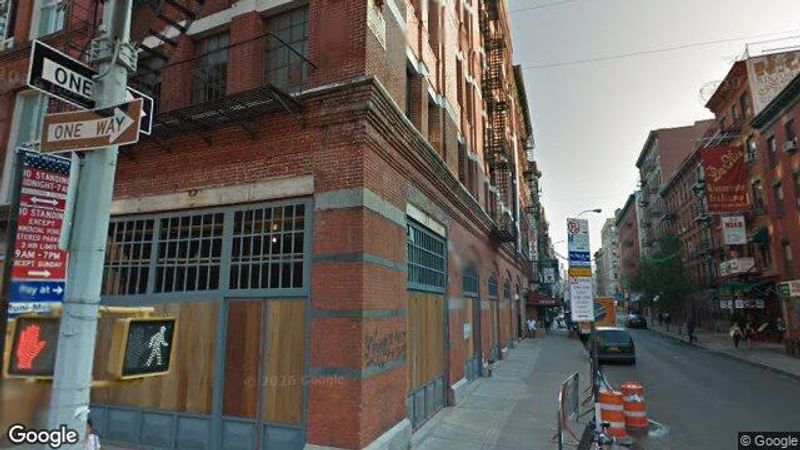
Our team in New York defines Little Italy as the compact pocket bounded roughly by Houston Street, Canal Street, Bowery, and Lafayette Street, centered on Mulberry Street. Once a sprawling immigrant enclave, it has contracted over a century as neighboring Chinatown and NoLIta expanded, leaving a dense historic core rather than a wide district.
The character today blends tenement-era streetscapes with restaurants, espresso bars, and the annual Feast of San Gennaro. Buyers should understand this is a lifestyle-driven micro-neighborhood, not a large residential zone, and inventory turnover is genuinely limited compared to nearby SoHo or the East Village.
Its identity persists through preservation efforts and the Little Italy Historic District designation, which protects building facades and scale. This keeps the streetscape low-rise and photogenic, but it also constrains new development, meaning most available homes are conversions rather than ground-up construction.
The Housing Stock — Buildings, Eras, and Unit Types
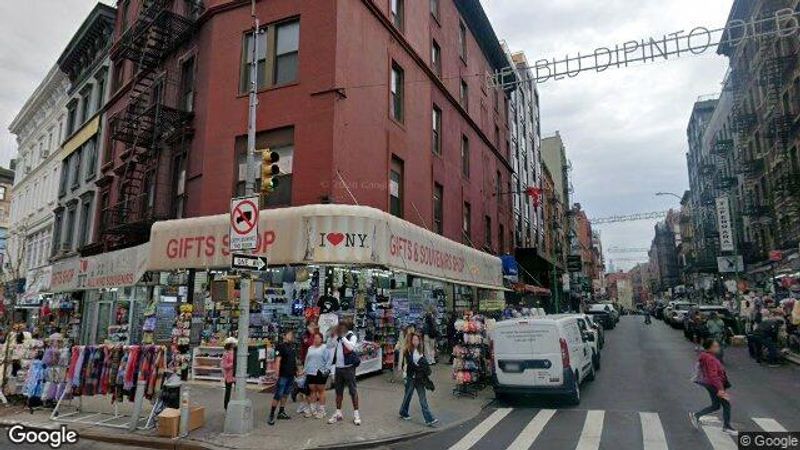
Most housing dates from the late 1800s through early 1900s, built as tenement walk-ups for Italian immigrant families. Typical buildings run five to six stories on narrow lots along Mulberry, Mott, and Elizabeth Streets, many since converted into co-ops or condos with combined or gut-renovated layouts.
Notable conversions include loft-style buildings along Lafayette Street near NoLIta's edge and renovated tenements on Grand Street, where original tin ceilings and exposed brick are marketed as heritage features. Full-service, amenity-rich towers are rare here; buyers seeking doormen and gyms typically look toward the Bowery corridor instead.
Unit types skew toward one- and two-bedroom layouts, often with irregular floor plans reflecting pre-war construction. Walk-up buildings without elevators remain common, so our licensed brokerage network advises clients to weigh floor level carefully, particularly for those planning long-term ownership or seeking rental income.
Prices and Rents — Concrete Numbers
Little Italy commands a premium tied to scarcity and location rather than building amenities. As of 2026, condo prices approximate $1,400 to $2,100 per square foot, with co-ops trading somewhat lower given board approval requirements and stricter financing rules that many international buyers find unfamiliar.
Rental demand remains strong given proximity to SoHo, NoLIta, and the Lower East Side. One-bedroom walk-ups typically rent between $3,400 and $4,600 monthly, while renovated two-bedrooms in elevator buildings push toward $6,500. All figures are approximate and subject to market conditions.
| Unit Type | Sale Price (Condo) | Sale Price (Co-op) | Monthly Rent |
|---|---|---|---|
| Studio | $650,000 - $900,000 | $450,000 - $650,000 | $2,600 - $3,300 |
| 1-Bedroom | $950,000 - $1,400,000 | $700,000 - $1,000,000 | $3,400 - $4,600 |
| 2-Bedroom | $1,600,000 - $2,400,000 | $1,200,000 - $1,800,000 | $5,200 - $6,500 |
| 3-Bedroom | $2,800,000 - $3,900,000 | $2,100,000 - $2,900,000 | $7,500 - $9,500 |
Little Italy Approximate Pricing and Rents, 2026 (subject to market conditions)
Compared with SoHo directly to the west, Little Italy offers a modest discount per square foot, though the gap has narrowed as buyers prize its lower density. Our team in New York generally sees the sharpest value in walk-up co-ops requiring cosmetic renovation rather than turnkey condos.
Daily Life and Transit
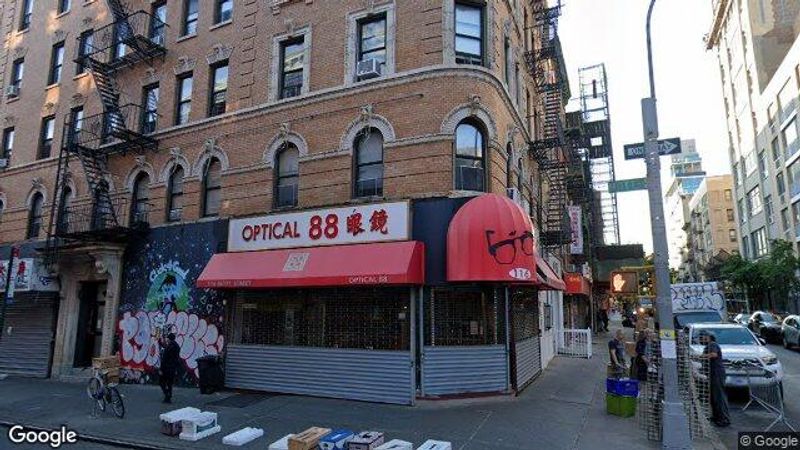
Transit access is excellent given the neighborhood's central location. The 6 train at Spring Street and Canal Street, plus the J/Z, N/Q/R/W, and 6 lines converging at Canal Street station, put Midtown within roughly 15 minutes and Financial District within 10 minutes.
Daily needs are covered by specialty grocers along Grand Street, farmers' markets nearby, and green space at Columbus Park and Sara D. Roosevelt Park. Families typically look toward zoned schools in adjacent districts, since Little Italy itself has limited dedicated school infrastructure within its small footprint.
| Destination | Subway Line | Approx. Commute Time | Notes |
|---|---|---|---|
| Midtown (Times Square) | 6, N/Q/R/W | 15-20 minutes | Transfer at Canal St or Union Sq |
| Financial District | 4/5/6, J/Z | 8-12 minutes | Direct via Canal St |
| Brooklyn (DUMBO) | F, J/Z | 15 minutes | Via East Broadway or Canal St |
| JFK Airport | A, AirTrain | 50-60 minutes | Transfer at Fulton St |
| Columbus Park | Walk | 5 minutes | Primary neighborhood green space |
Transit and Lifestyle Access from Little Italy
Foot traffic is heavy on weekends due to tourism around Mulberry Street, which residents either embrace or avoid depending on temperament. Our team in New York advises clients to walk the streets at night before committing, since restaurant noise and outdoor dining can affect ground-floor and low-floor units.
Final Thoughts
Little Italy suits buyers who want an authentic, low-rise historic district within walking distance of SoHo, NoLIta, and the Financial District, and who value character over modern amenities. It works particularly well for pied-à-terre buyers and those prioritizing walkability and dining culture over quiet residential calm.
It suits less well those requiring full-service buildings, elevator access, on-site gyms, or large family-sized units, since inventory here remains genuinely scarce and dated by comparison to nearby districts. Buyers seeking new construction or maximum square footage per dollar should look toward the Lower East Side instead.
Our team in New York, working alongside our licensed brokerage network, treats Little Italy as a specialist purchase rather than a default choice. Clients who understand its scale and embrace its constraints tend to be the most satisfied long-term owners in this historic Manhattan pocket.
Reinvent NY provides business consulting, operational support, and coordination services. Real estate services are provided through licensed professionals and applicable brokerage relationships. This article is for informational purposes only and does not constitute legal or investment advice.
Nearby neighbourhoods: Lower East Side, Midtown East, Midtown West. All Manhattan guides are indexed under New York neighbourhood guides.

Satoshi Onodera
Founder & CEO, Reinvent NY Inc.
Founded Reinvent NY in 2024. Providing relocation support from all over the world to America.
Ready to Get Started?
Our team in New York is ready to help with your visa, real estate, or relocation needs.
Schedule a ConsultationFrequently Asked Questions
What are the exact boundaries of Little Italy?
Little Italy sits roughly between Houston Street to the north, Canal Street to the south, Bowery to the east, and Lafayette Street to the west, centered on Mulberry Street within the designated historic district.
Are there new condo developments in Little Italy?
New ground-up construction is rare due to historic district protections limiting height and facade changes. Most available homes are converted tenement buildings, so buyers should expect renovated pre-war stock rather than new towers.
Is Little Italy a good rental investment?
Rental demand is consistently strong given proximity to SoHo and NoLIta, though limited inventory and walk-up buildings can affect appeal to some tenants. Our team in New York sees steady occupancy for well-renovated one-bedrooms.
How walkable is Little Italy day-to-day?
Very walkable, with groceries, cafes, and Columbus Park within minutes. Multiple subway lines converge nearby at Canal Street, making commutes to Midtown or the Financial District straightforward for daily professional and lifestyle needs.
Do co-op boards complicate purchases for overseas buyers?
Yes, co-op boards typically require extensive financial disclosure and interviews, which can be unfamiliar to overseas buyers. Condos offer a smoother path, though often at a higher price per square foot in this neighborhood.
Are elevator buildings available in Little Italy?
They exist but are less common than walk-ups, since most buildings predate elevator installation. Buyers prioritizing elevator access should expect a narrower selection and may need to consider adjacent NoLIta or Bowery-facing addresses.
How does Little Italy compare in price to SoHo?
Little Italy generally trades at a modest discount per square foot compared to SoHo, though the gap has narrowed. Approximate figures vary by building condition, and all pricing remains subject to current market conditions.
Real Estate Guides & Data
More guides
- When a Property Owner Dies: The Family's First Steps
- Education-Adjacent Buying: Schools as Property Strategy
- What You Need for a First New York Purchase
- Energy Grades and Green Buildings: Efficiency as Value
- Long-Stay Options in NYC: Beyond the Hotel Bill
- ITINs and US Tax IDs: The Number Every Owner Needs
Related Articles
DSCR Loan for Foreign Nationals: 2026 Terms Explained
How DSCR loans let foreign nationals and self-employed investors finance US rental property on the rent it earns: 2026 rates, down payments, and fine print.
Chinatown Manhattan Real Estate Guide 2026
A local advisor's guide to buying or renting in Chinatown, Manhattan — boundaries, buildings, prices, transit, and who the neighborhood truly suits.
Nolita NYC Real Estate Guide 2026
A 2026 guide to buying and renting in Nolita, Manhattan — boundaries, buildings, prices, and daily life, from our team on the ground in New York.
Battery Park City Guide 2026
A 2026 guide to Battery Park City for overseas buyers and renters: buildings, prices, transit, and daily life along Manhattan's waterfront enclave.