Battery Park City Guide 2026
What Battery Park City Actually Is
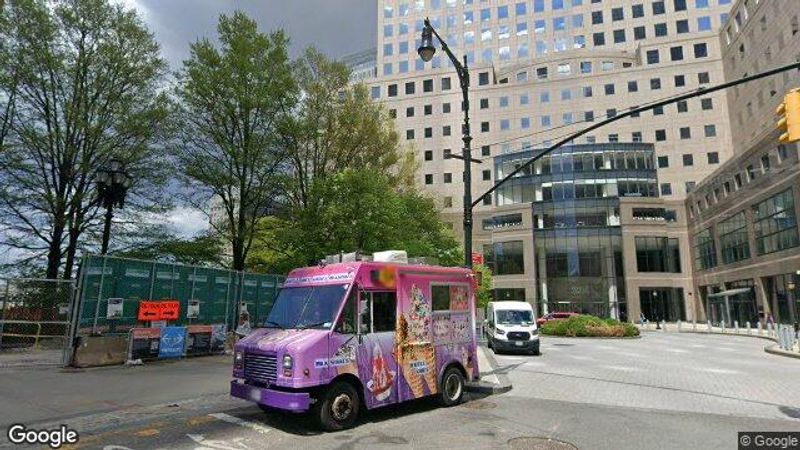
Battery Park City is a master-planned enclave on landfill along Manhattan's southwestern edge, bounded by the Hudson River, West Street, and Battery Place. Built largely from the 1980s onward, it sits apart from Manhattan's grid, giving it a quieter, more suburban feel despite being minutes from Wall Street. Our team in New York often describes it as Manhattan's most planned neighborhood.
The area developed under the Battery Park City Authority, a state entity that controlled land use, architecture, and green space from the outset. This produced a cohesive streetscape of mid-rise towers, esplanades, and parks rather than the organic mix found elsewhere downtown. Its origins in 1970s landfill from World Trade Center excavation give it a distinct, engineered identity within Lower Manhattan.
Today the neighborhood divides into three sub-areas: North End, Rector Place, and South End Battery Park City, each with its own park frontage and building cluster. It functions as a self-contained residential community with schools, marinas, and riverside promenades, appealing to buyers who want Manhattan proximity without Manhattan's density. The Hudson River Park esplanade defines its western identity.
The Housing Stock
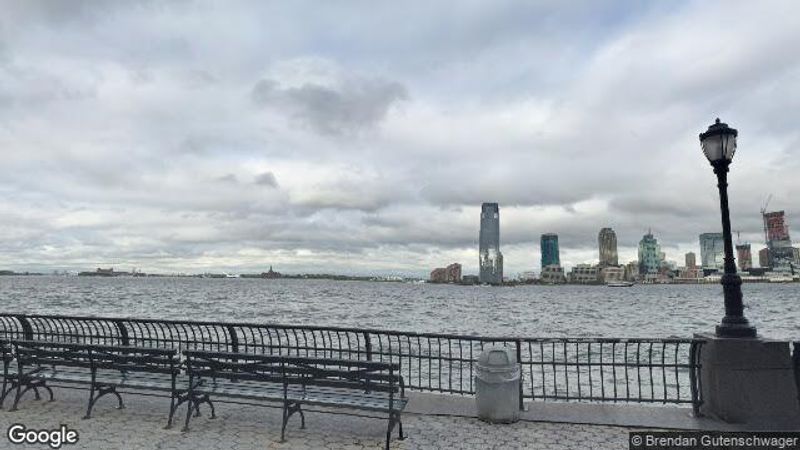
Battery Park City's residential stock is almost entirely purpose-built, dating from the early 1980s through the 2000s, with no pre-war inventory. Towers cluster around Rector Place, South End Avenue, and North End Avenue. Architecturally significant buildings include The Visionaire by Pelli Clarke & Partners and Liberty House, both known for river views and sustainable design credentials rare for their era.
Gateway Plaza, completed in 1983, remains the neighborhood's largest rental complex, while The Solaire at 20 River Terrace was among the first LEED-certified residential towers in the country. Condominium stock skews toward two- and three-bedroom family layouts with floor-to-ceiling windows, in-unit washer-dryers, and river or park exposures, reflecting the area's original design brief for families relocating downtown.
Newer construction, including towers near Brookfield Place and West Street, brought larger amenity packages: pools, children's playrooms, and concierge services. Studios exist but are less common than in Midtown or the Financial District proper. Buyers should expect Battery Park City Authority ground leases on some parcels, a structural detail our licensed brokerage network reviews carefully before contract.
Prices and Rents
Pricing in Battery Park City sits below comparable Tribeca product but above much of the Financial District's older stock, reflecting its park access and family orientation. As of 2026, approximate figures, always subject to market conditions, show one-bedroom condos starting around $900,000, with river-view three-bedrooms reaching $3.5 million or more in premier buildings like The Visionaire.
Rental demand remains steady given the neighborhood's schools and green space, with studio rents typically starting near $3,200 monthly and three-bedroom units in newer towers exceeding $9,000. Gateway Plaza offers relatively accessible rental pricing compared to condo-dominated buildings nearby, making it a common entry point for tenants testing the neighborhood before purchasing.
| Unit Type | Sale Price Range | Monthly Rent Range |
|---|---|---|
| Studio | $550,000 – $750,000 | $3,200 – $4,000 |
| One-Bedroom | $900,000 – $1,300,000 | $4,200 – $5,500 |
| Two-Bedroom | $1,500,000 – $2,400,000 | $6,000 – $8,000 |
| Three-Bedroom | $2,400,000 – $3,500,000+ | $8,500 – $11,000 |
| Penthouse/Duplex | $4,000,000 – $7,000,000+ | $12,000 – $20,000+ |
Approximate Battery Park City sale and rental prices, 2026 (subject to market conditions)
Price per square foot generally runs from $1,300 to $1,900 depending on view and building age, with premiums for direct Hudson River exposure. Buyers should also budget for common charges, which tend to run higher than in older Manhattan co-ops due to extensive amenity and landscaping upkeep maintained under the Battery Park City Authority's oversight.
Daily Life and Transit
Battery Park City offers some of Lower Manhattan's best green space, anchored by Rockefeller Park, Wagner Park, and the continuous Hudson River Esplanade running the neighborhood's full length. Residents walk, cycle, or jog along the water daily. Grocery needs are covered by a large Whole Foods at Warren Street and Gristedes locations within Gateway Plaza and Rector Place.
Transit access runs through the 1 train at Rector Street and Chambers Street, plus the A, C, 2, 3, 4, 5, R, W lines a short walk east at Fulton Street and Cortlandf Street hubs. The PATH at World Trade Center connects to New Jersey. Typical commutes to Midtown run 20-25 minutes; to Brooklyn, roughly 15 minutes via connecting lines.
| Category | Option | Distance/Time | Notes |
|---|---|---|---|
| Subway | 1 train, Rector St | 5-10 min walk | Direct to Midtown/Uptown |
| Subway | A/C/2/3, Fulton St | 10-15 min walk | Major transfer hub |
| Regional | PATH, WTC Station | 10-12 min walk | New Jersey connections |
| Grocery | Whole Foods, Warren St | 5-8 min walk | Full-service supermarket |
| Park | Rockefeller Park | On-site | Playgrounds, river views |
| School | PS/IS 276, Battery Park City | Within neighborhood | Zoned public school |
Battery Park City transit and lifestyle access points
Families benefit from PS/IS 276, a well-regarded zoned public school within the neighborhood, alongside nearby Stuyvesant High School options. Marinas, a esplanade running path, and proximity to Brookfield Place's dining and retail round out daily convenience, giving residents a self-sufficient lifestyle rarely found elsewhere in Lower Manhattan.
Final Thoughts
Battery Park City suits buyers prioritizing green space, river views, and family-oriented infrastructure over nightlife or historic architecture. It appeals strongly to those relocating from suburban or waterfront settings abroad who want Manhattan access without constant density, and to families drawn by strong schools and safe, planned streets.
It suits less well those seeking pre-war character, vibrant late-night dining, or the density-driven energy of neighborhoods like the West Village or SoHo. The area's planned, insular feel and ground-lease structures on certain buildings also warrant closer legal review than a typical condominium purchase elsewhere in Manhattan.
Our team in New York recommends Battery Park City to clients who value quiet, security, and long-term family stability within reach of the Financial District. For buyers wanting a curated, walkable waterfront community, our licensed brokerage network can arrange private tours across the neighborhood's key buildings and price points.
Reinvent NY provides business consulting, operational support, and coordination services. Real estate services are provided through licensed professionals and applicable brokerage relationships. This article is for informational purposes only and does not constitute legal or investment advice.
Nearby neighbourhoods: Central Park South, Chelsea, Chinatown. All Manhattan guides are indexed under New York neighbourhood guides.

Satoshi Onodera
Founder & CEO, Reinvent NY Inc.
Founded Reinvent NY in 2024. Providing relocation support from all over the world to America.
Ready to Get Started?
Our team in New York is ready to help with your visa, real estate, or relocation needs.
Schedule a ConsultationFrequently Asked Questions
Is Battery Park City part of Manhattan's Financial District?
It borders the Financial District but is distinct, sitting on separate landfill with its own governance under the Battery Park City Authority. It offers more green space and a quieter residential character than the Financial District proper.
Are there co-ops in Battery Park City?
Most housing stock is condominium, given the neighborhood's post-1980s development. Rental buildings like Gateway Plaza dominate the entry-level market, while co-ops are rare compared to older Manhattan neighborhoods.
What is a ground lease and does it affect Battery Park City units?
Some Battery Park City buildings sit on land leased from the Battery Park City Authority rather than owned outright. This can affect financing and resale, so our licensed brokerage network reviews lease terms before any purchase.
How far is Battery Park City from Midtown Manhattan?
Via the 1 train from Rector Street or Chambers Street, commutes to Midtown typically run 20 to 25 minutes. Driving times vary with traffic but average 15 to 20 minutes outside peak hours.
Is Battery Park City good for families?
Yes. It has zoned schools like PS/IS 276, extensive parks including Rockefeller Park and Wagner Park, and low-traffic streets. Many buildings offer larger two- and three-bedroom layouts suited to family living.
What are typical common charges in Battery Park City condos?
Common charges often run higher than older Manhattan buildings due to amenities, landscaping, and esplanade upkeep. Costs vary by building and unit size, so we recommend reviewing specific offering plans before purchase.
Which subway lines serve Battery Park City directly?
The 1 train stops at Rector Street and Chambers Street within walking distance. The A, C, 2, 3, 4, 5, R, and W lines are accessible a short walk east near Fulton Street and the World Trade Center hub.
Real Estate Guides & Data
More guides
- When a Property Owner Dies: The Family's First Steps
- Education-Adjacent Buying: Schools as Property Strategy
- What You Need for a First New York Purchase
- Energy Grades and Green Buildings: Efficiency as Value
- Long-Stay Options in NYC: Beyond the Hotel Bill
- ITINs and US Tax IDs: The Number Every Owner Needs
Related Articles
Little Italy Manhattan Real Estate Guide 2026
What Little Italy in Manhattan costs in 2026: the buildings and their ages, sale and rent ranges, what the district rules restrict, and how to read it.
Nolita NYC Real Estate Guide 2026
A 2026 guide to buying and renting in Nolita, Manhattan — boundaries, buildings, prices, and daily life, from our team on the ground in New York.
Financial District Manhattan Real Estate Guide 2026
A concrete 2026 guide to Financial District real estate: buildings, prices, rents, transit, and who this Manhattan neighborhood suits best.
Lower East Side NYC Real Estate Guide 2026
An expert 2026 guide to buying and renting in Lower East Side, Manhattan — housing stock, prices, transit, and lifestyle for overseas buyers.