Chelsea NYC Real Estate Guide 2026
What Chelsea Actually Is — Boundaries, Character, How It Got Here
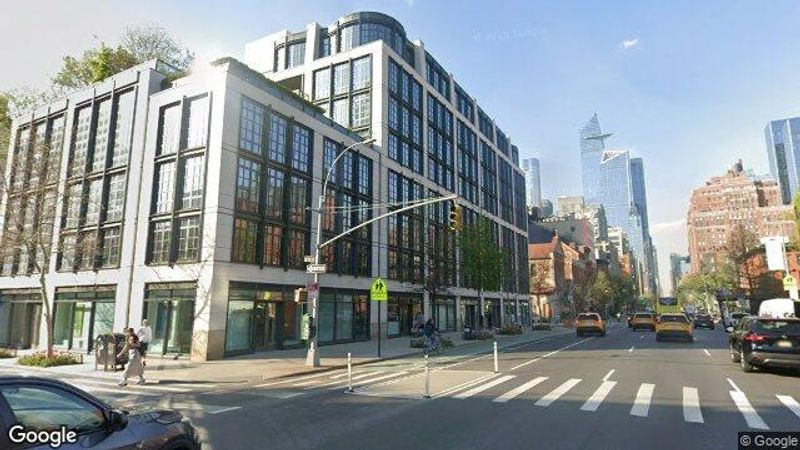
Chelsea sits on Manhattan's West Side, roughly bounded by 14th Street to the south, 30th Street to the north, Sixth Avenue to the east, and the Hudson River to the west. Our team in New York treats West Chelsea, the area nearest the river and the High Line, as a distinct submarket from the quieter, brownstone-lined blocks east of Eighth Avenue.
The neighborhood's roots trace to the early 19th century, when Clement Clarke Moore subdivided his family estate into rowhouse lots. Industrial piers and rail lines followed, giving Chelsea a working-class, warehouse character that persisted into the late 20th century before galleries, and later tech and media firms, moved in.
Today Chelsea reads as a hybrid: historic townhouse blocks, converted warehouses, and glass towers built around the High Line park. It has become one of Manhattan's most cosmopolitan residential districts, favored by international buyers for its walkability, art scene, and proximity to both Midtown and Downtown business districts.
The Housing Stock — Buildings, Architects, Eras, Unit Types
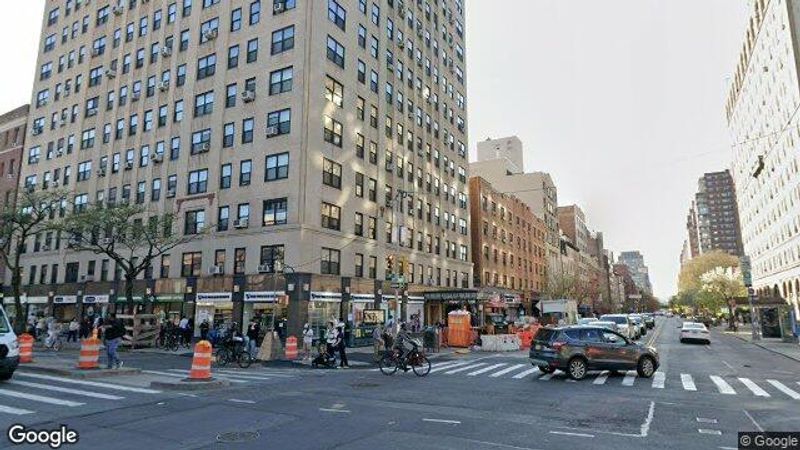
Chelsea's housing stock spans four distinct eras: Federal and Greek Revival rowhouses from the 1830s–1850s, pre-war apartment buildings from the 1900s–1930s, converted industrial lofts from the 1970s–1990s, and contemporary towers built since 2005. This layering gives buyers unusually varied choices within a compact geographic footprint.
Landmark residences define the top tier. 200 Eleventh Avenue, with its famous drive-in 'sky garage' apartments, and Jean Nouvel's 100 Eleventh Avenue anchor West Chelsea's glass-tower cluster. Neil Denari's HL23, cantilevered directly over the High Line, and the Foster + Partners-designed 551 West 21st Street represent the neighborhood's architectural ambitions.
Below that tier, converted lofts along Ninth and Tenth Avenues offer soaring ceilings and exposed brick, popular for larger family layouts. East Chelsea's townhouses on tree-lined blocks like West 20th and 21st Streets remain prized for full-floor configurations. Prewar co-ops near Eighth Avenue round out the market for buyers seeking classic Manhattan character.
Prices and Rents — What Chelsea Actually Costs
Chelsea commands a premium tied to its architectural pedigree and High Line proximity, though pricing varies sharply by micro-location. Our licensed brokerage network reports that West Chelsea's design-forward towers trade well above the neighborhood average, while co-ops east of Eighth Avenue offer relative value for comparable square footage.
All figures below are approximate and subject to market conditions, reflecting typical listings our team has tracked into early 2026. Buyers should expect meaningful spread even within the same building, driven by floor height, outdoor space, and river or skyline views.
| Unit Type | Sale Price Range | Price per Sq Ft | Monthly Rent Range |
|---|---|---|---|
| Studio | $550,000 – $850,000 | $1,400 – $1,900 | $3,000 – $4,200 |
| One-bedroom | $900,000 – $1,500,000 | $1,500 – $2,100 | $4,000 – $6,000 |
| Two-bedroom | $1,600,000 – $3,200,000 | $1,700 – $2,400 | $6,500 – $10,000 |
| Three-bedroom / loft | $3,000,000 – $6,500,000 | $1,900 – $2,800 | $10,000 – $18,000 |
| Townhouse (full) | $6,000,000 – $18,000,000+ | N/A | Rarely rented whole |
Approximate Chelsea Sale Prices and Rents by Unit Type (early 2026)
Compared with the West Village or Tribeca, Chelsea offers a modest discount for similar loft and townhouse product, while still exceeding pricing in neighboring Hudson Yards for pre-war character. New development along the High Line, however, now commands rents rivaling the most expensive Downtown addresses.
Daily Life and Transit — Subway, Groceries, Schools, Parks
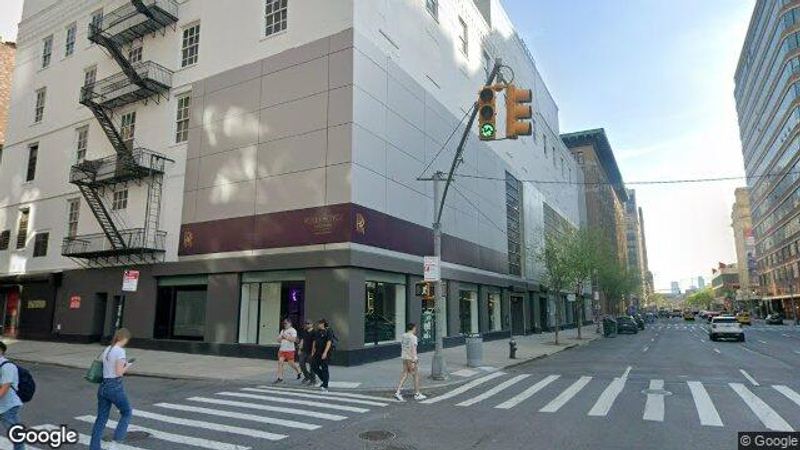
Chelsea is served by multiple subway lines: the A/C/E and L at 14th Street, the 1 train along Seventh/Eighth Avenue, and the C/E further north near 23rd Street. Commutes to Midtown run 10–15 minutes; Downtown financial district access via the A/C is typically 15–20 minutes door to desk.
The High Line and Hudson River Park provide the neighborhood's primary green space, with the elevated park drawing both residents and heavy tourist foot traffic, particularly near Chelsea Market. Grocery options include Whole Foods on Seventh Avenue, Trader Joe's, and the gourmet stalls inside Chelsea Market itself for daily provisioning.
| Category | Details | Approx. Time/Distance |
|---|---|---|
| Subway lines | A, C, E, L, 1 | 14th St & 23rd St stations |
| Commute to Midtown | 1 or A/C train | 10–15 minutes |
| Commute to Financial District | A/C express | 15–20 minutes |
| Main park | High Line + Hudson River Park | Runs full neighborhood length |
| Grocery anchor | Chelsea Market, Whole Foods | 7th Ave & 9th Ave corridors |
Chelsea Transit and Lifestyle Snapshot
Families weigh options between zoned public schools and nearby private institutions in Chelsea and the adjoining West Village. The neighborhood's flat topography and wide avenues make it exceptionally walkable, and Citi Bike coverage is dense, though weekend High Line crowds can slow pedestrian movement near 14th to 23rd Streets.
Final Thoughts
Chelsea suits buyers who want architectural distinction alongside genuine urban convenience — proximity to galleries, restaurants, transit, and the park landscape of the High Line. It rewards those comfortable paying a premium for design pedigree and willing to accept tourist density near the park's busiest stretches.
It is less suited to buyers seeking quiet residential seclusion or the lowest possible entry price in Manhattan; nearby Hudson Yards or parts of Midtown West offer newer construction at comparable or lower cost. Families prioritizing large public school zoning options may find the West Village or Upper West Side more straightforward.
Our team in New York generally recommends Chelsea to design-conscious buyers and long-term renters who value walkability, cultural density, and architectural credibility over maximum square footage per dollar. We work through our licensed brokerage network to match specific building preferences to current inventory and negotiate accordingly.
Reinvent NY provides business consulting, operational support, and coordination services. Real estate services are provided through licensed professionals and applicable brokerage relationships. This article is for informational purposes only and does not constitute legal or investment advice.
Nearby neighbourhoods: Chinatown, Columbus Circle, East Harlem. All Manhattan guides are indexed under New York neighbourhood guides.
This article is also available on our Japanese site.

Satoshi Onodera
Founder & CEO, Reinvent NY Inc.
Founded Reinvent NY in 2024. Providing relocation support from all over the world to America.
Ready to Get Started?
Our team in New York is ready to help with your visa, real estate, or relocation needs.
Schedule a ConsultationFrequently Asked Questions
Is Chelsea a good neighborhood for first-time NYC buyers?
It can be, particularly for buyers prioritizing walkability and design over maximum space. Co-ops east of Eighth Avenue offer relatively accessible entry points compared with West Chelsea's premium towers, though overall pricing still sits above the Manhattan median.
What is the difference between Chelsea and West Chelsea?
West Chelsea refers specifically to the blocks nearest the Hudson River and the High Line, dominated by architect-designed towers and converted warehouses. Eastern Chelsea, closer to Sixth and Eighth Avenues, retains a quieter, more traditional townhouse and prewar character.
Are Chelsea's loft apartments legal full-time residences?
Yes, most former industrial buildings converted decades ago received residential certificates of occupancy. Our licensed brokerage network verifies this documentation during due diligence, since a small number of older conversions retain commercial or mixed-use classifications worth confirming.
How far is Chelsea from the Financial District?
Financial District access typically takes 15–20 minutes via the A or C express train from 14th or 23rd Street stations. By car or taxi during off-peak hours, the trip along the West Side Highway runs comparably fast.
Does Chelsea have good school options for families?
Chelsea has several zoned public elementary options and access to private schools shared with the neighboring West Village. Families with older children often also consider nearby districts, since Chelsea's inventory skews toward one- and two-bedroom units.
Why are prices near the High Line so much higher?
Buildings directly along the High Line, such as those near 20th to 23rd Streets, combine architectural pedigree, park views, and scarcity of new construction sites. This combination consistently pushes per-square-foot pricing above the broader Chelsea average.
Is Chelsea noisy or crowded for full-time residents?
Blocks near Chelsea Market and the High Line see heavy tourist foot traffic, especially on weekends. Quieter enjoyment improves notably on residential side streets east of Eighth Avenue, which our team often recommends to clients seeking a calmer daily environment.
Real Estate Guides & Data
More guides
- Anatomy of a NYC Purchase: Week by Week, Start to Keys
- The Co-op Board Interview: Preparation That Passes
- Buyer Agency Agreements: The Paper Behind Your Agent
- Capital Assessments: When the Building Sends a Bill
- Roommate Law and Shared Housing: Who May Live There
- Office-to-Residential Conversions: The New Old Buildings
Related Articles
Tribeca Real Estate Guide 2026
An expert 2026 guide to buying and renting in Tribeca, Manhattan — boundaries, buildings, prices, and daily life from our team on the ground in New York.
SoHo NYC Real Estate Guide 2026
An in-depth 2026 guide to buying and renting in SoHo, Manhattan — buildings, prices, transit, and daily life from our team on the ground in New York.
REIT Investment for Foreigners 2026: Tax Rules & Returns
Learn how REIT investment for foreigners works in the US market. Discover tax implications, diversification benefits, and stable inflation-beating returns.
Real Estate Crowdfunding USA: Invest from Abroad
Crowdfunding opens US commercial deals to smaller cheques, but the sponsor, not the platform, decides the outcome. What to read before committing capital.