East Harlem Real Estate Guide 2026
What East Harlem Actually Is
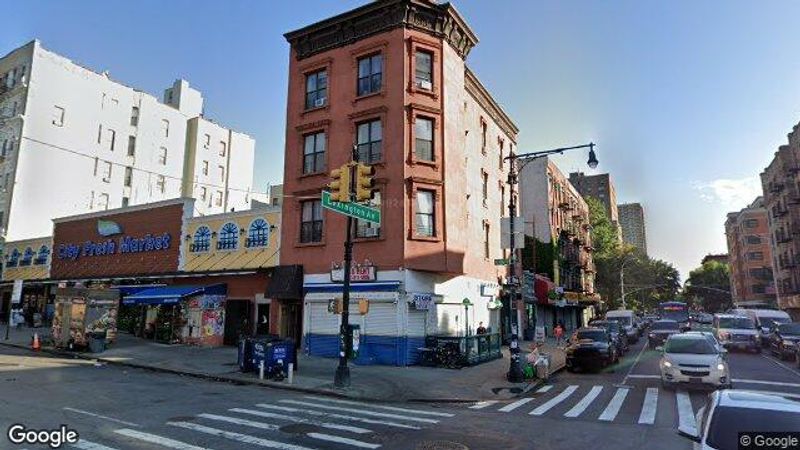
East Harlem, often called El Barrio or Spanish Harlem, sits north of 96th Street, bounded roughly by Fifth Avenue to the west, the Harlem River to the east, and 142nd Street to the north. It is one of Manhattan's largest residential districts, historically shaped by Italian, Puerto Rican, and West African immigrant communities.
The neighborhood's character remains distinctly working-class and multicultural even as gentrification advances along its avenues. Murals, botanicas, and family-run bodegas coexist with new glass condominiums, particularly near the Second Avenue subway corridor, giving East Harlem a layered identity unlike the more homogenized Upper East Side just to its south.
Our team in New York sees East Harlem attracting overseas buyers drawn to its relative affordability, proximity to Central Park, and cultural depth. Development along Park Avenue and the East River waterfront continues to reshape the skyline, but much of the neighborhood retains its pre-war, low-rise scale and community-rooted feel.
The Housing Stock
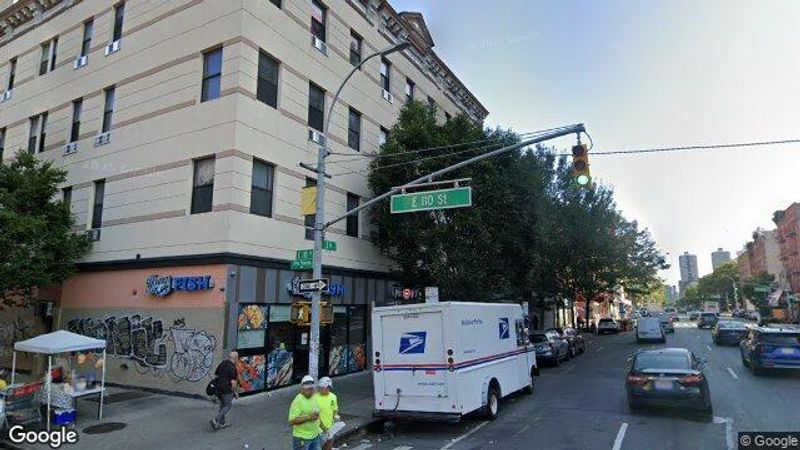
East Harlem's housing spans pre-war walk-ups, mid-century public housing towers, and a growing wave of new-construction condominiums. Streets like East 116th and East 120th feature classic six-story tenement buildings from the early 1900s, many converted into co-ops, while brownstones near Marcus Garvey Park offer townhouse-style living rare elsewhere in Manhattan.
Notable newer developments include Fifth on the Park at 111th Street, a modernist condominium with sweeping Central Park views, and The Sendero near Second Avenue, part of the rezoning-driven wave of rental and condo towers. Older co-op stock includes Delano Village and Franklin Plaza, large-scale mid-century complexes offering spacious, affordable units.
Unit types range from studio apartments in walk-ups to three- and four-bedroom prewar co-ops with high ceilings and original moldings. Buyers seeking scale gravitate toward the new towers near the river; those wanting authenticity and lower carrying costs often prefer the co-op buildings scattered through the neighborhood's interior blocks.
Prices and Rents
Pricing in East Harlem remains meaningfully lower than the Upper East Side or Upper West Side, though the gap has narrowed as new development arrives. Approximate 2026 figures, subject to market conditions, show co-op studios starting near $220,000 and new-construction one-bedrooms often exceeding $650,000, reflecting the neighborhood's bifurcated stock.
Rental demand is strong given proximity to Central Park and the growing Second Avenue subway line. Rent stabilization covers a meaningful share of older buildings, keeping some units well below market rate, while new-construction rentals near the river command premiums closer to Yorkville pricing just a few blocks south.
| Unit Type | Purchase Price (Co-op/Condo) | Monthly Rent | Comparable UES Rent |
|---|---|---|---|
| Studio | $220,000 - $380,000 | $2,000 - $2,600 | $2,800 - $3,400 |
| One-Bedroom | $400,000 - $650,000 | $2,600 - $3,400 | $3,600 - $4,500 |
| Two-Bedroom | $650,000 - $1.1M | $3,400 - $4,800 | $5,000 - $6,500 |
| Three-Bedroom | $950,000 - $1.6M | $4,800 - $6,500 | $7,000 - $9,000 |
| Townhouse (full) | $1.8M - $3.5M | N/A | N/A |
East Harlem Approximate Prices and Rents (2026, subject to market conditions)
The table below offers approximate benchmarks our team uses when briefing clients; all figures are subject to change based on building, condition, and view exposure.
Daily Life and Transit
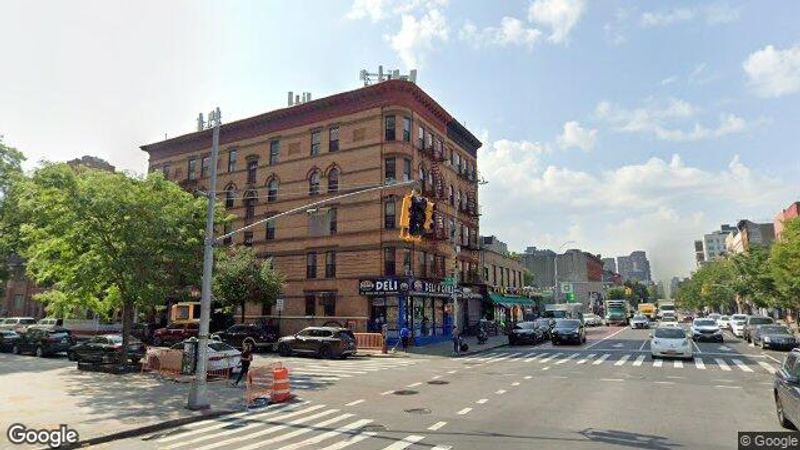
East Harlem is served by the 4, 5, and 6 trains along Lexington Avenue, the 2 and 3 trains at 116th and 125th Streets, and the newer Q train extension along Second Avenue, which has dramatically improved east-side access. Commutes to Midtown typically run 15 to 25 minutes.
Daily life centers on La Marqueta for food shopping, Restaurant Row along East 116th Street for Mexican and West African cuisine, and Fairway Market and Target for larger grocery runs. Thomas Jefferson Park and Marcus Garvey Park provide green space, pools, and recreation centers used heavily by residents year-round.
| Category | Detail | Approx. Commute/Distance |
|---|---|---|
| Subway Lines | 4, 5, 6, 2, 3, Q | N/A |
| Midtown Commute | Via 6 or Q train | 15-25 minutes |
| Major Park | Central Park (north entrances) | 5-10 minute walk |
| Grocery | La Marqueta, Fairway, Target | Neighborhood-wide |
| Public Schools | PS 96, PS 138, Central Park East | Zoned by address |
East Harlem Transit and Lifestyle Snapshot
The table below summarizes transit and lifestyle basics our clients ask about most when evaluating East Harlem against neighboring districts.
Final Thoughts
East Harlem suits buyers and renters who want authentic Manhattan texture, proximity to Central Park, and meaningfully better value than adjacent Upper East Side blocks. It rewards those comfortable with a neighborhood still mid-transition, where new condominium towers sit alongside decades-old walk-ups and community institutions.
It is less suited to those seeking a fully polished, uniform luxury environment or extensive doorman-building density comparable to Fifth Avenue or Park Avenue further south. Noise, density variation, and uneven retail quality block-to-block require on-the-ground familiarity that our licensed brokerage network can help navigate.
For patient buyers focused on long-term appreciation and cultural authenticity, East Harlem remains one of Manhattan's more compelling opportunities in 2026. Our team in New York recommends walking specific blocks at different hours before committing, given how much character shifts within just a few streets.
Reinvent NY provides business consulting, operational support, and coordination services. Real estate services are provided through licensed professionals and applicable brokerage relationships. This article is for informational purposes only and does not constitute legal or investment advice.
Nearby neighbourhoods: East Village, Financial District, Flatiron District. All Manhattan guides are indexed under New York neighbourhood guides.

Satoshi Onodera
Founder & CEO, Reinvent NY Inc.
Founded Reinvent NY in 2024. Providing relocation support from all over the world to America.
Ready to Get Started?
Our team in New York is ready to help with your visa, real estate, or relocation needs.
Schedule a ConsultationFrequently Asked Questions
Is East Harlem safe for international buyers?
Safety varies by block, as in most Manhattan neighborhoods. Areas near Central Park and Second Avenue are quieter, while sections near public housing complexes see more variability. Our team recommends in-person visits at different times before deciding.
What is the best subway line for East Harlem residents?
The 6 train along Lexington Avenue offers the most frequent service to Midtown and downtown. The newer Q train extension along Second Avenue has also significantly improved east-side connectivity for residents near the river.
Are co-ops in East Harlem a good investment?
Older co-ops offer lower entry prices and stable value but often come with board approval processes and flip taxes. They suit buyers prioritizing affordability over liquidity compared to newer condominium developments.
How does East Harlem compare price-wise to the Upper East Side?
East Harlem typically runs 25-40% below comparable Upper East Side pricing, though new-construction buildings near Second Avenue have narrowed that gap considerably in recent years.
What schools serve East Harlem families?
Zoned public schools include PS 96 and PS 138, along with Central Park East, a well-regarded progressive school. Zoning depends on exact address, so our team verifies school lines before finalizing purchases.
Is new construction available in East Harlem?
Yes, particularly near Second Avenue and the East River waterfront, where buildings like Fifth on the Park and The Sendero offer modern amenities, larger floorplates, and views unavailable in older tenement stock.
Who should avoid buying in East Harlem?
Buyers wanting a fully established luxury corridor with dense doorman-building coverage and minimal neighborhood variability may prefer the Upper East Side or Upper West Side instead of East Harlem's transitional character.
Real Estate Guides & Data
Related Articles
Hamilton Heights NYC Real Estate Guide 2026
Our 2026 guide to Hamilton Heights covers boundaries, pre-war housing stock, prices, rents, transit, and who this Manhattan neighborhood truly suits.
53 West 53rd: The MoMA Tower, and What It Asks of a Buyer
Jean Nouvel's tower above the Museum of Modern Art: the diagonal structure that enters some apartments, and what an overseas buyer should check first.
Rent Stabilized Building Investment in NYC After 2019
What rent stabilization means for NYC investors after HSTPA: RGB increases, IAI caps, valuation discounts, and how to verify a unit's status before you buy.
Harlem Real Estate Guide 2026
An expert 2026 guide to buying and renting in Harlem, Manhattan — boundaries, buildings, prices, transit, and who this historic neighborhood truly suits.