Harlem Real Estate Guide 2026
What Harlem Actually Is — Boundaries, Character, and History
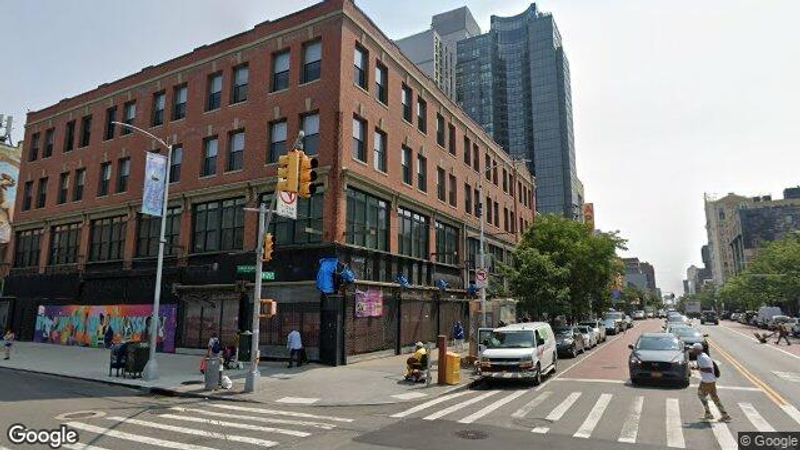
Harlem occupies the upper portion of Manhattan, generally bounded by Central Park North (110th Street) to the south, the Hudson River to the west, the Harlem River to the east and north, and roughly 155th Street at its northern edge. Our team in New York treats it as three distinct zones: Central Harlem, West Harlem (including Manhattanville and Hamilton Heights), and East Harlem, each with its own rhythm and pricing.
The neighborhood's identity was forged in the early 20th century during the Harlem Renaissance, when Black artists, writers, and musicians transformed it into America's preeminent cultural capital. Institutions like the Apollo Theater on 125th Street and Abyssinian Baptist Church on West 138th Street remain living anchors of that legacy, not museum pieces, and continue to shape civic life today.
Today's Harlem blends brownstone-lined residential blocks with a fast-modernizing commercial spine along 125th Street. Gentrification since the early 2000s has brought new retail, restaurants, and buyers, but the neighborhood retains a strong sense of community identity. Overseas clients should understand this is a historically significant district in active transition, not a blank-slate luxury enclave.
The Housing Stock — Buildings, Eras, and Unit Types
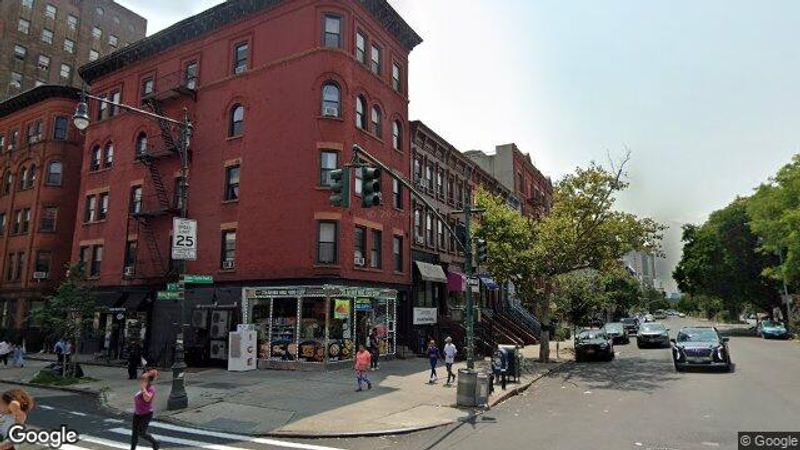
Harlem's defining housing type is the pre-war brownstone, typically built between 1880 and 1910 in Renaissance Revival or Neo-Grec styles. Blocks like Strivers' Row (West 138th and 139th Streets, designed by James Brown Lord and others) and Astor Row on West 130th Street showcase some of Manhattan's best-preserved 19th-century rowhouse architecture, often sold as single-family homes or divided into rental units.
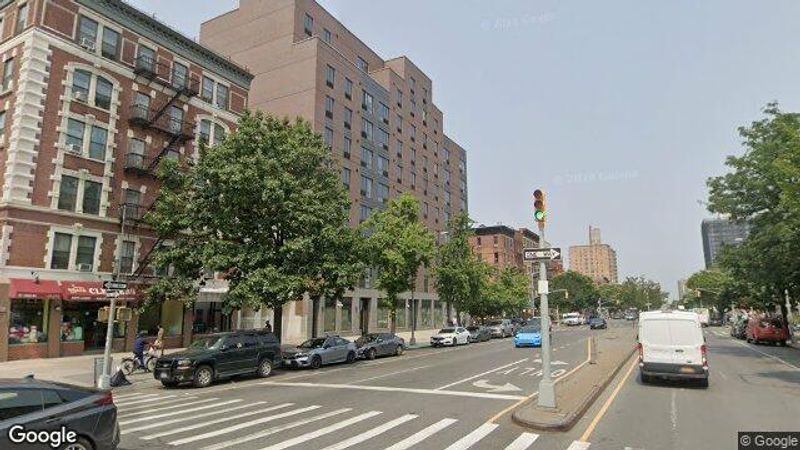
Mid-rise pre-war co-op buildings dominate the avenues, particularly along Riverside Drive, Convent Avenue, and Central Park North, many built in the 1910s-1920s with generous room counts and high ceilings. Newer development has added glass condominium towers such as those along the Frederick Douglass Boulevard corridor, offering doorman service, gyms, and larger floor plates aimed at buyers seeking contemporary layouts.
Unit types range widely: studios and one-bedrooms in elevator buildings near 125th Street, three- and four-bedroom brownstone floor-throughs in Hamilton Heights, and full townhouse purchases for clients wanting outdoor space or income-generating rental floors. Our licensed brokerage network can identify which building era and structure type best matches a client's use case, whether personal residence or investment.
Prices and Rents — What Things Actually Cost
Harlem remains one of Manhattan's more accessible entry points for buyers priced out of Midtown or the Upper East Side, though values have risen steadily since 2020. As of early 2026, condo prices average roughly $900-$1,300 per square foot, while co-ops run lower due to board restrictions and all-cash requirements common in older buildings.
Rental demand is strong, driven by proximity to Columbia University, City College, and Midtown-bound commuters. Rent growth has outpaced much of Manhattan over the past three years, particularly for renovated one- and two-bedroom units near the 2/3 and A/C/B/D subway lines. All figures below are approximate and subject to market conditions.
| Unit Type | Sale Price Range (USD) | Monthly Rent Range (USD) | Typical Building Era |
|---|---|---|---|
| Studio | $280,000 - $420,000 | $1,900 - $2,600 | Pre-war walk-up |
| 1-Bedroom Condo | $500,000 - $750,000 | $2,600 - $3,600 | New development |
| 2-Bedroom Co-op | $450,000 - $700,000 | $2,900 - $4,000 | Pre-war elevator building |
| Brownstone (full) | $1.8M - $4.5M | N/A (owner-occupied) | 1880s-1910s rowhouse |
| 3-Bedroom Condo | $1.1M - $1.8M | $4,500 - $6,500 | 2010s-2020s tower |
Approximate Harlem Sale Prices and Rents, Early 2026 (subject to market conditions)
Compared with the Upper West Side or Chelsea, Harlem offers 25-40% lower per-square-foot pricing for comparable prewar stock, though co-op boards can be conservative and financing contingencies matter. Buyers should budget for flip taxes in older co-ops and confirm whether a building allows sublets before purchase, as many restrict rental of purchased units.
Daily Life and Transit
Harlem is exceptionally well served by transit. The 2 and 3 express trains reach 42nd Street in roughly 15-18 minutes, while the A, B, C, and D lines run along the western edge, and the 4, 5, and 6 serve East Harlem. The M60 bus connects to LaGuardia Airport, a genuine convenience few Manhattan neighborhoods offer.
Daily necessities are well covered: Whole Foods on 125th Street, Trader Joer's nearby, and the historic Fairway Market on Red Rooster's block anchor grocery shopping, while Marcus Garvey Park and Morningside Park provide green space alongside the northern reach of Central Park itself, accessible from 110th Street.
| Subway Line(s) | Boarding Area | Destination | Approx. Commute Time |
|---|---|---|---|
| 2, 3 (express) | 125th St / Lenox Ave | Times Square (42nd St) | 15-18 minutes |
| A, B, C, D | 125th St / St. Nicholas Ave | Columbus Circle | 12-15 minutes |
| 4, 5, 6 | 125th St / Lexington Ave | Grand Central | 18-22 minutes |
| M60 Bus | 125th St | LaGuardia Airport | 35-45 minutes |
| 1 train | 137th St / Broadway | Columbia University area | 5-8 minutes |
Harlem Transit and Commute Times to Key Manhattan Points
For families, Harlem hosts several respected public and charter options, including schools within the well-regarded District 5 and District 6 zones, plus proximity to Columbia University's expanding Manhattanville campus. Our team in New York frequently advises clients to weigh school zoning carefully, as it varies block by block and directly affects resale value.
Final Thoughts
Harlem suits buyers and renters who want authentic Manhattan architecture, strong transit access, and meaningful value relative to neighborhoods south of Central Park. It particularly appeals to those drawn to cultural depth, brownstone living, or investment upside in a neighborhood still under active revitalization, with room for appreciation over the next decade.
It is less suited to clients seeking turnkey luxury towers with full amenity packages comparable to Midtown or Tribeca, or those uncomfortable navigating co-op board approvals and a neighborhood still in visible transition on certain blocks. Patience and local guidance matter more here than in more homogenized luxury corridors.
Our team in New York, working through our licensed brokerage network, guides international clients through building selection, board requirements, and negotiation specific to Harlem's layered market. For the right buyer, this neighborhood offers architectural character and long-term value that few other Manhattan districts can currently match.
Reinvent NY provides business consulting, operational support, and coordination services. Real estate services are provided through licensed professionals and applicable brokerage relationships. This article is for informational purposes only and does not constitute legal or investment advice.
Nearby neighbourhoods: Hell's Kitchen, Hudson Yards, Inwood. All Manhattan guides are indexed under New York neighbourhood guides.

Satoshi Onodera
Founder & CEO, Reinvent NY Inc.
Founded Reinvent NY in 2024. Providing relocation support from all over the world to America.
Ready to Get Started?
Our team in New York is ready to help with your visa, real estate, or relocation needs.
Schedule a ConsultationFrequently Asked Questions
Is Harlem considered part of Manhattan?
Yes. Harlem occupies upper Manhattan, roughly from 110th Street to 155th Street, spanning Central, West, and East Harlem. It is fully within Manhattan borough, not a separate municipality, and shares the same subway and municipal infrastructure.
Can foreign buyers purchase co-ops in Harlem?
Yes, though co-op boards scrutinize finances closely and often require significant liquid reserves post-closing. Condos are generally easier for overseas buyers. Our licensed brokerage network can advise which buildings have foreign-buyer-friendly boards before an offer is made.
What is the best subway line for commuting from Harlem?
The 2 and 3 express trains offer the fastest commute to Midtown and Downtown, reaching Times Square in about 15-18 minutes. The A and D express trains serve western Harlem equally well for Columbus Circle destinations.
Are brownstones in Harlem a good investment?
Brownstones, particularly in Hamilton Heights and near Strivers' Row, have shown steady appreciation and offer rental income potential through multi-unit configurations. They require more maintenance than condos but often outperform on long-term value retention.
How does Harlem pricing compare to the Upper West Side?
Harlem typically runs 25-40% lower per square foot than the Upper West Side for comparable prewar buildings, making it attractive for buyers wanting classic Manhattan architecture at a more accessible price point.
Is Harlem safe and family-friendly in 2026?
Harlem has seen significant investment and declining crime rates over the past decade, with strong family infrastructure including parks, schools, and daycare options. Conditions vary by block, so our team recommends site visits before committing.
What amenities do newer Harlem condos typically offer?
New developments along Frederick Douglass Boulevard and 125th Street commonly include doorman service, fitness centers, roof decks, and package rooms, comparable to mid-tier buildings downtown but at notably lower price points per square foot.
Real Estate Guides & Data
More guides
- Utilities and Internet: The First Month in NYC
- Waterfront Property and Flood Zones: Pricing the Water
- ACRIS and Public Records: Researching Any NYC Property
- Banking for US Property Owners: The Account Architecture
- Reading a Building Before You Buy: Reserves and Minutes
- Buying With a Partner: Titles, Agreements, Exits
Related Articles
East Harlem Real Estate Guide 2026
An insider look at East Harlem real estate in 2026: buildings, prices, rents, transit, and schools for international buyers and renters.
Rent Stabilized Building Investment in NYC After 2019
What rent stabilization means for NYC investors after HSTPA: RGB increases, IAI caps, valuation discounts, and how to verify a unit's status before you buy.
NYC Property Tax on a Condo: How It Actually Works
How NYC property tax works for condo and co-op owners: the Class 2 rules, the 45% assessment ratio, real effective rates, and the 17.5% to 28.1% abatement.
One57: The Tower That Started Billionaires' Row
One57 at 157 West 57th Street: 75 storeys above a Park Hyatt, the building that opened Billionaires' Row, and what a residence there costs to own and hold.