Nolita NYC Real Estate Guide 2026
What Nolita Actually Is — Boundaries, Character, How It Got Here
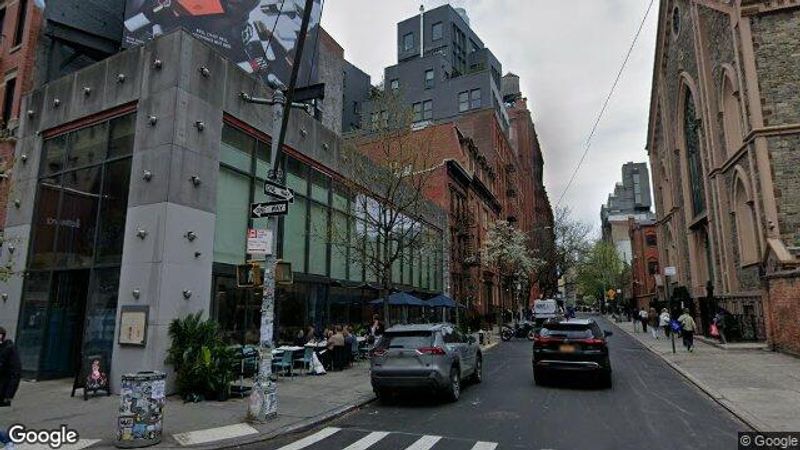
Nolita, short for North of Little Italy, sits roughly between Houston Street and Kenmare Street, bounded by Lafayette Street to the west and the Bowery to the east. Our team in New York treats this as one of Manhattan's smallest but most tightly defined neighborhoods, distinct from SoHo despite sharing its cast-iron aesthetic and cobblestone remnants along Mulberry and Elizabeth Streets.
The area was carved out of Little Italy in the 1990s as boutique retail and restaurants displaced the old Italian-American enclave, though a handful of institutions like the church of Old St. Patrick's Cathedral on Mulberry Street remain as anchors to that history. Today Nolita reads as low-rise, brick-and-cast-iron, and deliberately quiet compared to its noisier SoHo and East Village neighbors.
What distinguishes Nolita for our clients is scale: five- and six-story tenement and loft buildings dominate, keeping density low and light abundant. There are no glass towers here, no large-scale new construction, and city landmarking rules covering parts of the district limit future change. This gives the neighborhood a settled, almost European character that buyers specifically seek out.
The Housing Stock — Specific Buildings, Architects, Eras, Unit Types
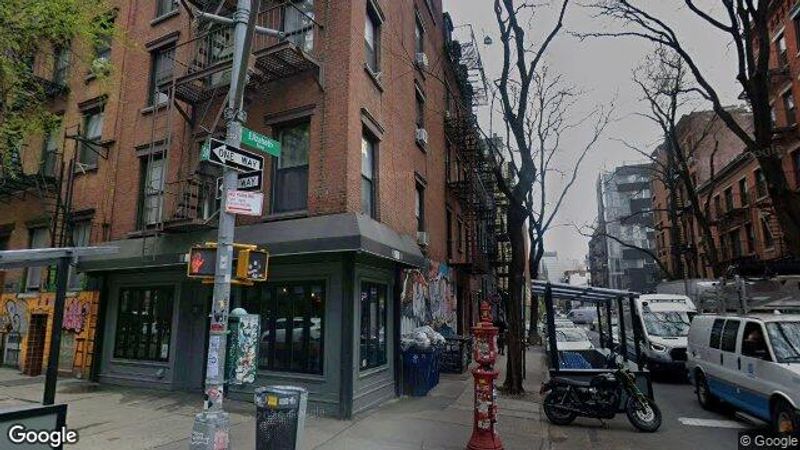
Nolita's housing stock is overwhelmingly pre-war tenement and loft conversion, built between the 1860s and 1910s to house Italian and Jewish immigrant labor. Buildings along Mott, Mulberry, and Elizabeth Streets are typically five to six stories, walk-up or small elevator, with cast-iron storefronts at grade and residential floors above featuring exposed brick, timber beams, and tin ceilings.
Notable conversions include loft buildings along Prince Street and Bowery, where former manufacturing floors have been reconfigured into full-floor lofts with 10-to-12-foot ceilings, ideal for buyers wanting SoHo-style space without SoHo pricing. Boutique new development is rare; when it appears, it tends to be small-scale infill of six to twelve units rather than large towers, preserving the streetwall.
Unit types split into two camps: classic one- and two-bedroom tenement apartments with railroad layouts and limited natural light on interior rooms, and larger loft-style units with open floor plans and abundant windows. Condos with doorman service are scarce; most buildings are unattended walk-ups or small elevator buildings with self-managed co-ops or condo boards, which shapes both price and lifestyle expectations.
Prices and Rents — Concrete Numbers, With a Comparison Table
As of early 2026, Nolita condo prices run approximately $1,600 to $2,300 per square foot, with one-bedrooms typically listing between $1.1 million and $1.7 million and two-bedrooms from $2.2 million to $3.8 million, depending on building age, elevator access, and outdoor space. These figures are approximate and subject to market conditions; our licensed brokerage network can confirm current comparables.
Rentals track tightly with the sales market given constrained inventory. Studios generally rent from $3,200 to $4,200 monthly, one-bedrooms from $4,200 to $6,000, and two-bedroom lofts from $6,500 to $9,500, with premium loft conversions on Prince Street or Bowery commanding the top of each range. Walk-up buildings rent below elevator buildings by roughly 10 to 15 percent.
| Neighborhood | Condo $/sqft (approx.) | 1BR Rent (approx./mo) | 2BR Rent (approx./mo) |
|---|---|---|---|
| Nolita | $1,600–$2,300 | $4,200–$6,000 | $6,500–$9,500 |
| SoHo | $1,900–$2,700 | $4,800–$7,000 | $7,500–$11,000 |
| East Village | $1,300–$1,800 | $3,500–$5,000 | $5,000–$7,500 |
| Little Italy | $1,500–$2,000 | $3,800–$5,500 | $6,000–$8,500 |
| West Village | $2,000–$2,900 | $5,000–$7,500 | $8,000–$12,000 |
Approximate Nolita pricing versus nearby neighborhoods, early 2026
Buyers should note carrying costs: co-op maintenance and condo common charges in Nolita's older buildings run moderate but taxes on condos can be significant given assessed values. Cash buyers dominate the upper end of the market, and well-priced lofts with private outdoor space or direct elevator access routinely draw competing offers within two to three weeks of listing.
Daily Life and Transit — Subway Lines, Commute Times, Groceries, Schools, Parks
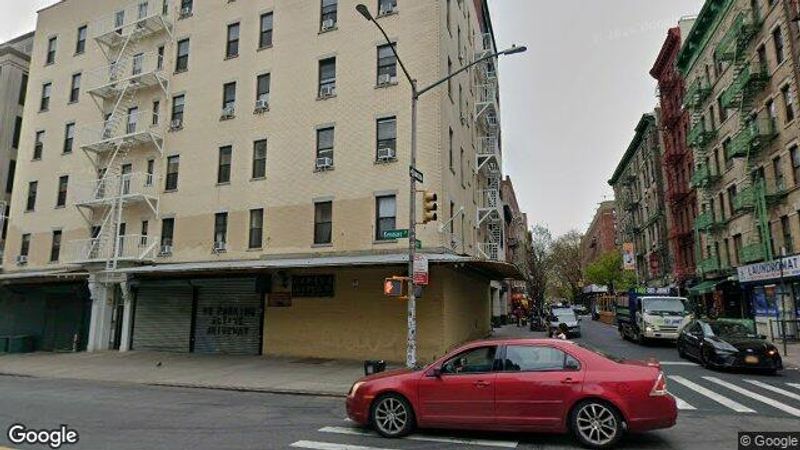
Nolita is exceptionally well served by transit given its size. The 6 train at Spring Street, the J/Z at Bowery, and the N/Q/R/W at Prince Street in adjacent SoHo all sit within a five-to-ten-minute walk, putting Midtown roughly 15 to 20 minutes away and Lower Manhattan's financial district under 15 minutes by direct train.
Daily life leans boutique rather than big-box: residents shop at specialty grocers and the Whole Foods on Bowery near Houston Street, and rely on Elizabeth Street's cafes and Mulberry Street's restaurants for routine dining. Green space is limited within the neighborhood itself, with residents typically walking to Sara D. Roosevelt Park along Chrystie Street or south to Columbus Park near Little Italy's edge.
| Category | Option | Distance/Time | Notes |
|---|---|---|---|
| Subway | 6 train, Spring St | 5-min walk | Direct to Midtown in ~18 min |
| Subway | J/Z train, Bowery | 6-min walk | Fast link to Financial District |
| Subway | N/Q/R/W, Prince St | 8-min walk | Crosses into SoHo/Uptown |
| Grocery | Whole Foods, Bowery | 10-min walk | Full-service, high-traffic |
| Park | Sara D. Roosevelt Park | 5-min walk | Long, narrow green corridor |
| School | P.S. 130 (Public) | 10-min walk | Zoned elementary option |
Nolita transit and lifestyle quick reference
Families are a minority in Nolita, though P.S. 130 on Baxter Street serves as the zoned public elementary school for parts of the district, and private options in the West Village and SoHo are within a short commute. The neighborhood suits residents who prioritize walkability and street-level retail over large parks or extensive family infrastructure.
Final Thoughts
Nolita suits buyers and renters who want low-rise, pre-war character within walking distance of SoHo's retail and the East Village's nightlife, without the price ceiling of West Village townhouses or the scale of SoHo's cast-iron blocks. It rewards those comfortable with walk-up buildings, boutique-scale living, and limited on-site amenities in exchange for architectural authenticity and location.
It is less suited to buyers who require full-service doorman buildings, in-building gyms, large private outdoor space, or extensive family amenities like large parks and a wide choice of schools. Those priorities are better served in nearby Tribeca or the West Village, where our licensed brokerage network can guide comparable searches with different building profiles.
Our team in New York views Nolita as a strong fit for pied-à-terre buyers, design-conscious professionals, and investors targeting steady rental demand from a young, affluent tenant pool. Inventory turns slowly and competitively, so decisive positioning matters more here than in larger, higher-supply Manhattan neighborhoods.
Reinvent NY provides business consulting, operational support, and coordination services. Real estate services are provided through licensed professionals and applicable brokerage relationships. This article is for informational purposes only and does not constitute legal or investment advice.
Nearby neighbourhoods: NoMad, Roosevelt Island, SoHo. All Manhattan guides are indexed under New York neighbourhood guides.
This article is also available on our Japanese site.

Satoshi Onodera
Founder & CEO, Reinvent NY Inc.
Founded Reinvent NY in 2024. Providing relocation support from all over the world to America.
Ready to Get Started?
Our team in New York is ready to help with your visa, real estate, or relocation needs.
Schedule a ConsultationFrequently Asked Questions
Is Nolita the same as SoHo?
No. Nolita is a distinct district north of Little Italy, roughly between Houston and Kenmare Streets, east of Lafayette. It shares SoHo's cast-iron aesthetic but has smaller buildings, less foot traffic, and generally lower per-square-foot pricing.
Are there doorman buildings in Nolita?
Full-service doorman buildings are rare in Nolita. Most housing consists of walk-up tenements or small elevator buildings without staffed lobbies. Buyers wanting doorman service typically expand their search into adjacent SoHo or Little Italy.
What is the best subway access point in Nolita?
The 6 train at Spring Street offers the most central access, roughly a five-minute walk from most Nolita addresses, with the J/Z at Bowery and N/Q/R/W at Prince Street providing additional nearby options.
How much does a one-bedroom cost in Nolita in 2026?
Approximately $1.1 million to $1.7 million to buy, or $4,200 to $6,000 monthly to rent, depending on building type, floor, and light. These figures are approximate and subject to market conditions.
Is Nolita a good fit for families?
Nolita works better for couples and single professionals than large families, given limited park space and a small number of zoned schools like P.S. 130. Families often expand their search to the West Village or Tribeca.
What building types dominate Nolita?
Pre-war tenement walk-ups from the late 1800s and early 1900s dominate, alongside a smaller number of loft conversions along Prince Street and the Bowery. New ground-up construction is limited due to landmarking and low vacant land supply.
Is Nolita a good rental investment?
Yes, for investors targeting young professional tenants who value walkability and boutique character. Limited inventory supports steady demand, though carrying costs and condo taxes should be reviewed with our licensed brokerage network before purchase.
Real Estate Guides & Data
More guides
- Buyer Agency Agreements: The Paper Behind Your Agent
- Capital Assessments: When the Building Sends a Bill
- Roommate Law and Shared Housing: Who May Live There
- Office-to-Residential Conversions: The New Old Buildings
- Wills for US Property: The Cross-Border Estate Documents
- Buying Estate Sale Apartments: Probate, Price, Patience
Related Articles
Chinatown Manhattan Real Estate Guide 2026
A local advisor's guide to buying or renting in Chinatown, Manhattan — boundaries, buildings, prices, transit, and who the neighborhood truly suits.
Little Italy Manhattan Real Estate Guide 2026
What Little Italy in Manhattan costs in 2026: the buildings and their ages, sale and rent ranges, what the district rules restrict, and how to read it.
Battery Park City Guide 2026
A 2026 guide to Battery Park City for overseas buyers and renters: buildings, prices, transit, and daily life along Manhattan's waterfront enclave.
Financial District Manhattan Real Estate Guide 2026
A concrete 2026 guide to Financial District real estate: buildings, prices, rents, transit, and who this Manhattan neighborhood suits best.