Roosevelt Island NYC Real Estate Guide 2026
What Roosevelt Island Actually Is
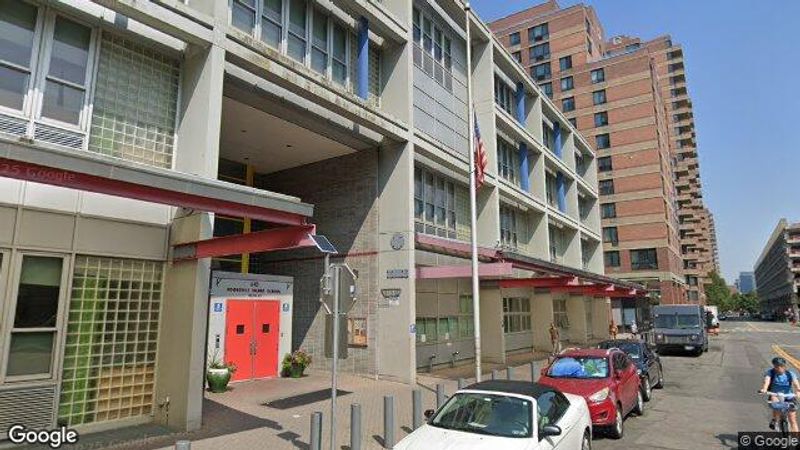
Roosevelt Island is a narrow strip of land in the East River, technically part of Manhattan though it feels apart from it entirely. It runs roughly two miles between the Queensboro Bridge and the Ed Koch Bridge, sitting between Manhattan's Upper East Side and Long Island City, Queens. Our team in New York often describes it to overseas clients as Manhattan's quietest borough-within-a-borough.
The island's modern character dates to the 1970s, when New York State developed it as a planned residential community under architect Philip Johnson's master plan, with John Reps and others shaping its car-limited, pedestrian-first layout. Before that, it housed hospitals and asylums, remnants of which still stand as ruins near the island's southern tip, notably the Smallpox Hospital.
Today Roosevelt Island functions as a self-contained village: one main road, Main Street, a handful of apartment towers, waterfront promenades, and Cornell Tech's modern campus anchoring the south end. There is no street-level retail sprawl and no traffic congestion. Our team in New York finds this appeals strongly to clients seeking calm, greenery, and river views without leaving Manhattan proper.
The Housing Stock
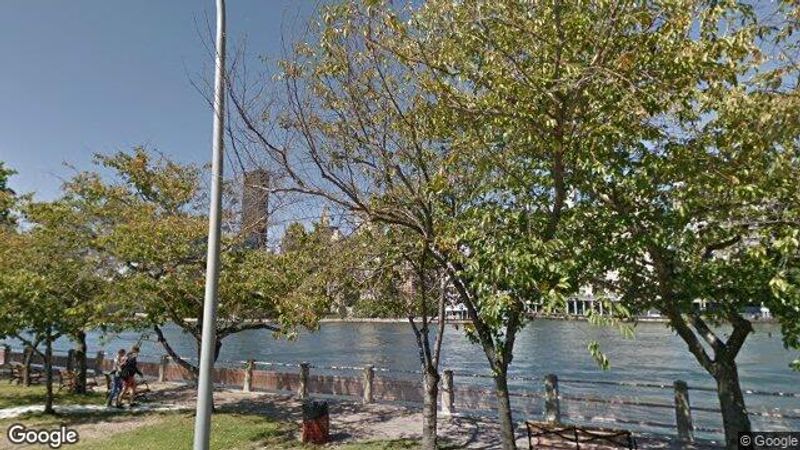
Roosevelt Island's housing was largely built as planned rental communities in the 1970s and 1980s, giving it a more uniform architectural character than most Manhattan neighborhoods. The earliest towers, Eastwood and Westview, opened in 1976 as part of the original Roosevelt Island Development Corporation plan, offering straightforward brick towers with river-facing balconies and generous floor plans by 1970s standards.
Rivercross and Island House, both completed in the late 1970s, followed a similar mold but introduced cooperative ownership structures, making them the island's primary co-op stock. More recent additions include Riverwalk Court and the Octagon, the latter incorporating the restored 1834 Octagon Tower rotunda into a contemporary rental complex, blending preserved masonry with new construction along the northern waterfront.
Southtown, developed in phases since the 2000s near Cornell Tech, represents the newest chapter, with buildings like Riverwalk Point and Riverwalk Crossing offering modern amenities, doormen, and gym facilities absent from the 1970s towers. Unit types across the island skew toward one- and two-bedrooms with few large layouts, and studios remain scarce compared with Manhattan's core neighborhoods.
Prices and Rents
Roosevelt Island remains one of Manhattan's most accessible submarkets by price, a fact that surprises many international buyers researching the borough for the first time. Co-op units in older buildings like Rivercross and Island House typically sell well below comparable Upper East Side stock, while newer Southtown condos and rentals command a premium tied to amenities and Cornell Tech proximity.
Rental rates follow a similar pattern: older 1970s towers rent significantly cheaper per square foot than Manhattan's core, while Southtown's newer buildings narrow that gap considerably. All figures below are approximate and subject to market conditions, intended as a directional benchmark rather than a fixed quote for any specific unit or building.
| Segment | Studio/1BR Rent (monthly) | 1BR Sale Price | 2BR Sale Price |
|---|---|---|---|
| Roosevelt Island (1970s towers) | $2,400 – $3,200 | $350,000 – $550,000 | $550,000 – $800,000 |
| Roosevelt Island (Southtown/new build) | $3,200 – $4,300 | $650,000 – $900,000 | $900,000 – $1,300,000 |
| Upper East Side (comparable) | $3,600 – $5,200 | $700,000 – $1,100,000 | $1,200,000 – $2,000,000 |
| Long Island City (comparable) | $3,300 – $4,600 | $650,000 – $950,000 | $1,000,000 – $1,500,000 |
Approximate 2026 Roosevelt Island prices vs. nearby Manhattan submarkets (figures are estimates, subject to market conditions)
Buyers should note that most older buildings on the island operate as co-ops with board approval processes, flip taxes, and financing restrictions that differ meaningfully from condo purchases elsewhere in Manhattan. Our licensed brokerage network typically advises international clients to weigh Southtown condos when flexibility on resale, subletting, or corporate ownership structures matters more than upfront price.
Daily Life and Transit
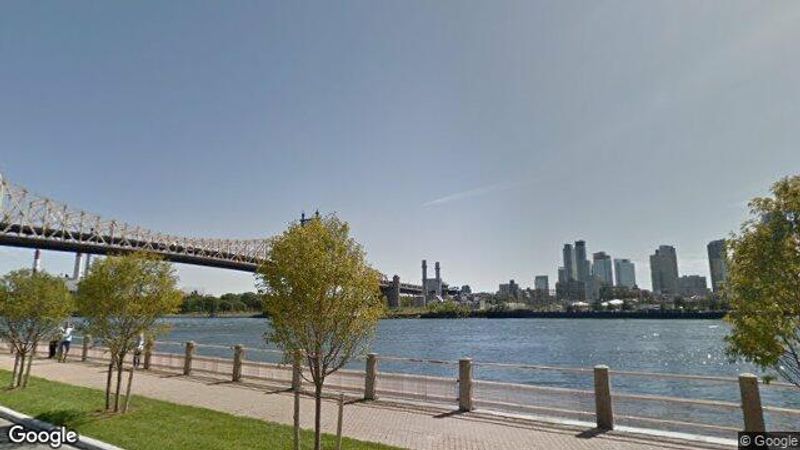
Roosevelt Island's signature commute is the Roosevelt Island Tramway, an aerial cable car connecting to Manhattan's East 60th Street that takes about four minutes and runs on the same fare as the subway. The F train, the island's only subway line, stops at Roosevelt Island station and reaches Midtown in roughly 10–12 minutes, making commutes shorter than many assume.
Daily errands center on Main Street, home to a Duane Reade, a Gristedes supermarket, banks, and small restaurants, supplemented by the Cornell Tech campus dining options to the south. Families consider Public School/Intermediate School 217, the island's public school, while Southpoint Park and Lighthouse Park provide waterfront green space rarely matched elsewhere in Manhattan.
| Destination | Mode | Approx. Travel Time |
|---|---|---|
| Midtown Manhattan (Grand Central area) | F train | 10–15 minutes |
| East 60th Street, Manhattan | Roosevelt Island Tramway | 4–5 minutes |
| Long Island City, Queens | F train | 5–8 minutes |
| Lower Manhattan | F train (with transfer) | 25–30 minutes |
| JFK Airport | Subway + AirTrain | 60–75 minutes |
Transit and commute times from Roosevelt Island (approximate, subject to schedules)
Life on the island runs at a noticeably slower pace than the rest of Manhattan, with limited private car traffic, a free island-wide bus loop called the Red Bus, and continuous river promenades favored by joggers and cyclists. Our team in New York notes this makes the island especially attractive to families and remote professionals prioritizing quiet over nightlife density.
Final Thoughts
Roosevelt Island suits buyers and renters who want genuine Manhattan address status combined with lower density, river views, and pricing meaningfully below comparable East Side neighborhoods. Families drawn to green space, quiet streets, and a manageable commute into Midtown consistently find the island's value proposition compelling once they experience it firsthand.
It is less suited to clients prioritizing walkable retail variety, nightlife, or immediate proximity to Manhattan's cultural core, since the island's single commercial strip and reliance on the F train or tram create a more insular daily rhythm. Co-op board requirements in older buildings can also frustrate buyers seeking fast, unrestricted transactions.
For the right client, Roosevelt Island offers a rare combination of affordability, planning coherence, and river-facing calm within official Manhattan boundaries. Our team in New York recommends it strongly to those valuing space and quiet over central-neighborhood energy, and our licensed brokerage network can arrange private tours of both Southtown and legacy co-op buildings.
Reinvent NY provides business consulting, operational support, and coordination services. Real estate services are provided through licensed professionals and applicable brokerage relationships. This article is for informational purposes only and does not constitute legal or investment advice.
Nearby neighbourhoods: SoHo, Tribeca, Turtle Bay. All Manhattan guides are indexed under New York neighbourhood guides.

Satoshi Onodera
Founder & CEO, Reinvent NY Inc.
Founded Reinvent NY in 2024. Providing relocation support from all over the world to America.
Ready to Get Started?
Our team in New York is ready to help with your visa, real estate, or relocation needs.
Schedule a ConsultationFrequently Asked Questions
Is Roosevelt Island technically part of Manhattan?
Yes. Roosevelt Island is legally part of the New York County borough of Manhattan, though it sits in the East River separate from Manhattan's main landmass and is reached by tram, subway, or bridge from Queens.
What is the best subway line for Roosevelt Island?
The **F train** is the only subway line serving Roosevelt Island directly, stopping at Roosevelt Island station and connecting to Midtown Manhattan and Long Island City within roughly 5 to 15 minutes depending on destination.
Are most Roosevelt Island buildings co-ops or condos?
Older 1970s and 1980s buildings like Rivercross and Island House are primarily co-ops, while newer Southtown developments near Cornell Tech are largely condos, offering more flexible ownership and resale terms for buyers.
How much does it cost to rent on Roosevelt Island in 2026?
Approximate monthly rents range from $2,400 to $3,200 in older towers and $3,200 to $4,300 in newer Southtown buildings, though figures vary by unit condition, floor, and view and remain subject to market conditions.
Is Roosevelt Island good for families?
Yes. It offers Southpoint Park, Lighthouse Park, low traffic, a public school, and generous apartment layouts, making it popular with families wanting green space and quiet streets while keeping a Manhattan address.
How long is the commute to Midtown Manhattan?
Via the F train, Midtown is typically 10 to 15 minutes away. The Roosevelt Island Tramway offers an alternative four-minute ride to East 60th Street, both running on standard MetroCard or OMNY fares.
What shopping and dining options exist on the island?
Main Street hosts a Gristedes supermarket, a Duane Reade pharmacy, banks, and casual restaurants, supplemented by dining options near the Cornell Tech campus. Broader retail and dining require a short trip into Manhattan or Queens.
Real Estate Guides & Data
More guides
- Average HOA Fees in NYC and Manhattan — 2,970 Buildings
- Off-Market Property: Why Search Portals Stop Working
- Pets and NYC Buildings: Policies, Rights, and Realities
- Insuring a US Property: Home, Flood, Landlord
- Rate Locks, Points, and Credits: The Mortgage's Fine Print
- Renovation Budgets in NYC: Real Numbers, Real Buffers
Related Articles
432 Park Avenue: The Tower That Tested a Thesis
Rafael Vinoly's square-windowed supertall on Park Avenue: what the building is, what its owners have learned about slender towers.
Yorkville Manhattan Real Estate Guide 2026
An authoritative 2026 guide to buying and renting in Yorkville, Manhattan — housing stock, prices, transit, and who this Upper East Side pocket suits.
CEMA Loans in New York: Cutting the Recording Tax
A CEMA loan assigns your existing New York mortgage instead of recording a new one, taxing only the new money. The math, the fees, and when to skip it.
Mandarin Oriental Fifth Avenue Residences: What to Check
A hotel-branded Fifth Avenue address: what the licence and service model deliver, the carrying costs behind them, and what to confirm before signing.