Turtle Bay NYC Real Estate Guide 2026
What Turtle Bay Actually Is
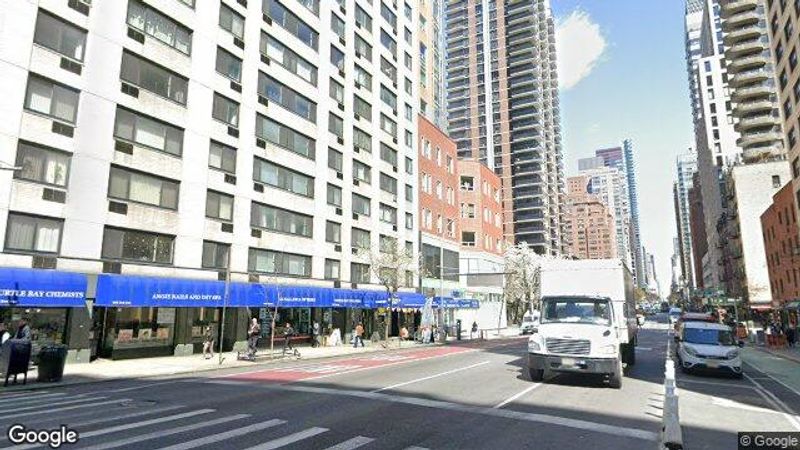
Turtle Bay sits on Manhattan's East Side, roughly between 43rd and 53rd Streets from Second Avenue to the East River. It takes its name from a 17th-century Dutch farm and a small inlet long since filled in. Our team in New York treats it as the quiet, diplomatic counterweight to Midtown's commercial roar just blocks away.
The neighborhood's identity was shaped by the United Nations Headquarters, completed in 1952 along the river at 1st Avenue and 42nd-48th Streets. This brought embassies, diplomatic residences, and a permanent international population that persists today. Streets here feel deliberately calm, lined with mid-rise apartment buildings, townhouses, and consulates rather than towers.
Turtle Bay Gardens, a cluster of townhouses on 48th and 49th Streets sharing a communal garden, remains the neighborhood's most storied enclave. Beyond it, the area blends postwar apartment towers with prewar rowhouses. Our team in New York finds this mix gives Turtle Bay a residential, almost European reserve uncommon elsewhere in central Manhattan.
The Housing Stock
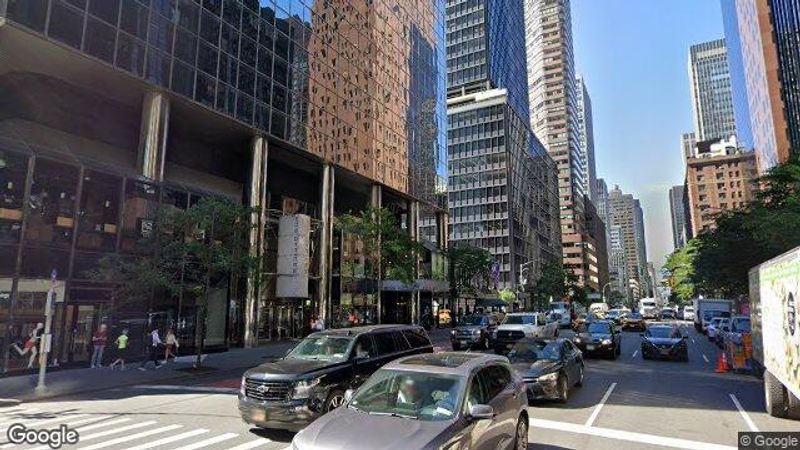
Turtle Bay's building stock spans roughly a century. Prewar rowhouses from the 1860s-1900s survive on side streets like 48th and 49th, while postwar white-brick and limestone towers rose through the 1950s-60s to house UN staff and executives. Prewar co-ops, postwar rentals, and a handful of newer condo conversions coexist within a few blocks of each other.
Notable buildings include River House at 435 East 52nd Street, a 1931 Art Deco cooperative by Bottomley, Wagner & White with river views and one of the city's most exclusive boards. Beekman Tower, a 1928 Art Deco landmark at 3 Mitchell Place, was designed by John Mead Howells and now operates as a hotel with residential-style units nearby.
Mid-market buyers gravitate toward postwar co-ops and rental towers along Second and Third Avenues, offering studios to three-bedrooms with doormen and often river or skyline views. Unit types run from compact studios in older elevator buildings to full-floor prewar co-op apartments. Our licensed brokerage network sources both discreet resales and off-market listings across this range.
Prices and Rents
Turtle Bay pricing sits below Sutton Place and the Upper East Side's prime blocks but above much of Midtown East's commercial-adjacent stock. As of early 2026, co-op resales average roughly $900-$1,400 per square foot, while newer condo product, where available, can reach $1,600-$2,000 per square foot. All figures are approximate and subject to market conditions.
Rentals remain active given the transient diplomatic and corporate population. Studios typically rent from $2,800 to $3,800 monthly, one-bedrooms from $3,600 to $5,200, and larger river-view two- and three-bedrooms can exceed $8,000. Co-op board approval processes and rental application requirements are notably rigorous in the neighborhood's older buildings.
| Unit Type | Purchase Price Range | Monthly Rent Range | Typical Building Era |
|---|---|---|---|
| Studio | $350,000 - $600,000 | $2,800 - $3,800 | Postwar (1950s-60s) |
| One-Bedroom | $650,000 - $1.1M | $3,600 - $5,200 | Postwar / prewar co-op |
| Two-Bedroom | $1.1M - $2.2M | $5,500 - $8,000 | Prewar & postwar mix |
| Three-Bedroom+ | $2.2M - $5M+ | $8,000 - $15,000+ | River House / prewar co-op |
| Townhouse (Turtle Bay Gardens) | $4M - $9M+ | Rarely rented | 1860s-1900s rowhouse |
Approximate Turtle Bay pricing by unit type, early 2026 (subject to market conditions)
Compared to Sutton Place immediately north, Turtle Bay offers a discount of roughly 10-20% for comparable square footage, largely reflecting street-level activity near the UN and Midtown office corridors. Buyers prioritizing river views and co-op prestige should still expect River House-level pricing to rival the Upper East Side's best addresses.
Daily Life and Transit
Turtle Bay is served by the E and M trains at Lexington Avenue-53rd Street, the 6 train at 51st Street, and the 4/5/6 and 7 lines a short walk away at Grand Central-42nd Street. Crosstown buses on 42nd and 49th/50th Streets connect efficiently to the West Side and the theater district.
Grocery options include Whole Foods on Third Avenue near 54th Street and several gourmet delis serving the diplomatic community. Green space centers on Peter Detmold Park along the East River at 51st Street and the promenade sections of the East River Greenway, popular for running and cycling with UN and river views.
| Destination | Subway Line(s) | Approx. Commute Time | Notes |
|---|---|---|---|
| Grand Central Terminal | 6, 7, 4/5/6 | 5-10 minutes | Walkable from most of neighborhood |
| Wall Street / FiDi | 4/5, E | 20-25 minutes | Via Grand Central or Lexington Ave |
| Times Square | 7, E/M | 10-15 minutes | Crosstown bus alternative on 42nd St |
| JFK Airport | E to AirTrain / car service | 45-60 minutes | Car service preferred for luggage |
| Upper East Side (86th St) | 6 train | 10-12 minutes | Direct local service |
Transit and commute times from Turtle Bay (approximate)
Schooling options nearby include the United Nations International School and access to several private schools further uptown, popular among diplomatic and corporate families. Daily life here favors residents who value proximity to Midtown offices and the UN complex over the more residential feel of neighborhoods slightly further uptown.
Final Thoughts
Turtle Bay suits buyers and renters who want Midtown proximity without Midtown's density — international professionals, UN-affiliated families, and executives who prioritize a short commute to East Side offices and Grand Central. Our team in New York regularly places clients here who value discretion, established co-op buildings, and river-adjacent green space over nightlife or retail density.
It is less suited to buyers seeking new-construction amenities, large floor plates, or a vibrant street-level retail scene; those clients typically fare better in Hudson Yards or the Upper West Side. Co-op board scrutiny in buildings like River House also demands patience and thorough financial documentation, which our licensed brokerage network helps clients navigate.
For those prioritizing a quiet, established, internationally-minded pocket of Manhattan with direct transit access to Midtown and the UN corridor, Turtle Bay remains one of the East Side's most consistently underrated addresses. Our team in New York recommends it confidently to clients whose priorities align with its particular, understated character.
Reinvent NY provides business consulting, operational support, and coordination services. Real estate services are provided through licensed professionals and applicable brokerage relationships. This article is for informational purposes only and does not constitute legal or investment advice.
Nearby neighbourhoods: Two Bridges, Upper East Side, Upper West Side. All Manhattan guides are indexed under New York neighbourhood guides.

Satoshi Onodera
Founder & CEO, Reinvent NY Inc.
Founded Reinvent NY in 2024. Providing relocation support from all over the world to America.
Ready to Get Started?
Our team in New York is ready to help with your visa, real estate, or relocation needs.
Schedule a ConsultationFrequently Asked Questions
Is Turtle Bay a good investment for foreign buyers in 2026?
Turtle Bay offers relative value compared to Sutton Place and the Upper East Side, with steady rental demand from diplomatic and corporate tenants. Our team in New York views it as stable rather than high-growth, suited to long-term holds.
What subway lines serve Turtle Bay?
The E and M trains stop at Lexington Avenue-53rd Street, the 6 train at 51st Street, and Grand Central-42nd Street offers 4, 5, 6, and 7 line access a short walk south.
Are co-ops or condos more common in Turtle Bay?
Co-ops dominate, particularly prewar buildings like River House, though postwar rental towers and select condo conversions are available. Buyers should expect rigorous board approval processes typical of Manhattan's older cooperative buildings.
How much does an apartment cost in Turtle Bay?
As of early 2026, approximate purchase prices range from $350,000 for studios to over $5 million for large prewar co-ops or townhouses, with per-square-foot pricing between $900 and $2,000, subject to market conditions.
Is Turtle Bay close to the United Nations?
Yes, the UN Headquarters sits directly along the East River between 42nd and 48th Streets, within Turtle Bay's boundaries, giving the neighborhood its diplomatic character and international resident population.
What is Turtle Bay Gardens?
Turtle Bay Gardens is a historic cluster of townhouses on 48th and 49th Streets built around shared private gardens, dating to the early 20th century. It remains among the neighborhood's most exclusive residential enclaves.
Is Turtle Bay family-friendly?
It suits diplomatic and corporate families given proximity to the United Nations International School and quieter residential streets, though it has fewer large-format family apartments than the Upper East Side or Upper West Side.
Real Estate Guides & Data
More guides
- New Development Walk-Throughs: The Snag List That Pays
- NYC Transfer Taxes for Sellers: The Exit's First Bill
- NYC Parking and Storage: Deeded Spaces as Assets
- Prewar vs New Construction: Two Different Assets
- NYC Property Tax Appeals: Challenging Your Assessment
- Moving to New York: The Order to Do Things In
Related Articles
Lincoln Square NYC Real Estate Guide 2026
An authoritative 2026 guide to buying and renting in Lincoln Square, Manhattan: buildings, prices, transit, and who this Upper West Side enclave suits.
Sutton Place Manhattan: 2026 Real Estate Guide
A local expert's guide to Sutton Place real estate: buildings, prices, rents, and daily life for international buyers considering Manhattan in 2026.
ITIN for Real Estate Investors: The W-7 Process Explained
How foreign real estate investors get an ITIN: who needs one, the Form W-7 process, acceptance agents, processing times, and why the number cuts your tax.
Kips Bay NYC Real Estate Guide 2026
An authoritative 2026 guide to Kips Bay, Manhattan: boundaries, buildings, prices, rents, transit, and schools for international buyers and renters.