Sutton Place Manhattan: 2026 Real Estate Guide
What Sutton Place Actually Is — Boundaries, Character, and How It Got Here
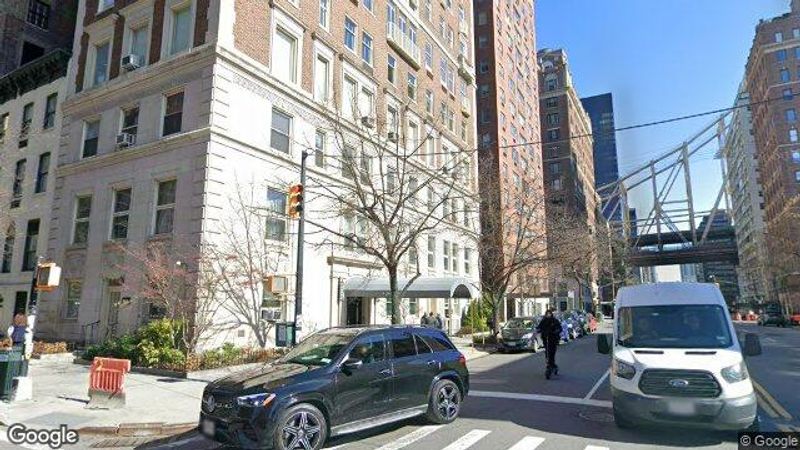
Sutton Place occupies a narrow strip of the Upper East Side between East 53rd and East 59th Streets, hugging the East River from roughly First Avenue eastward. Our team in New York treats it as a distinct enclave rather than an extension of the broader Upper East Side, given its river frontage, its low-rise scale, and its long history as a discreet residential retreat for old New York money.
The neighborhood took shape in the 1920s when society figures, including members of the Morgan and Vanderbilt circles, converted riverside townhouses into fashionable residences, drawing architects and developers to build refined apartment houses along Sutton Place and Sutton Place South. That era left a legacy of understated elegance that persists today, with the neighborhood deliberately avoiding the commercial density found a few blocks west.
Today Sutton Place remains quiet, residential, and notably international, attracting diplomats, executives, and multigenerational New York families. There are no major retail corridors here, which is precisely the appeal: it functions as a private residential pocket minutes from Midtown, with river views, tree-lined streets, and a level of calm that is increasingly rare this close to the East Side's commercial core.
The Housing Stock — Buildings, Architects, Eras, and Unit Types
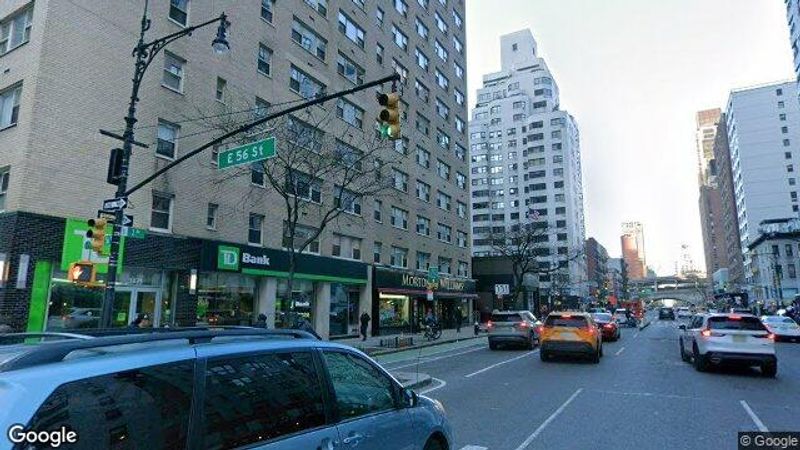
Sutton Place's housing stock is dominated by pre-war cooperative buildings constructed between the 1920s and 1950s, many designed by firms known for restrained, dignified massing rather than ornamentation. Buildings such as 1 Sutton Place South and 10 Gracie Square-adjacent structures on Sutton Place exemplify the neighborhood's preference for solid limestone facades, generous room proportions, and river-facing layouts rather than showy lobbies.
Unit types skew toward large pre-war layouts: formal dining rooms, separate staff quarters, and classic six- or seven-room configurations remain common, particularly in cooperatives along Sutton Place and East 57th to East 59th Streets. Postwar and later towers, including river-view buildings near Sutton Place Park, introduced more modern floor plans, doormen, and amenity packages, appealing to buyers who want scale without the maintenance culture of older co-ops.
Condominium inventory is comparatively scarce, which keeps this corner of Manhattan less liquid but more insulated from speculative turnover. Buyers should expect board approval processes typical of Manhattan co-ops, often more conservative than downtown condominium boards, and should budget time accordingly. Our licensed brokerage network can advise on which buildings are realistically accessible to international buyers before an offer is made.
Prices and Rents — What Sutton Place Actually Costs in 2026
Sutton Place pricing sits below Fifth Avenue and Park Avenue trophy addresses but above much of the surrounding Upper East Side, reflecting its river views and low density rather than retail convenience. As of 2026, co-op resales average roughly $1,100 to $1,700 per square foot, approximate and subject to market conditions, while newer river-facing condominiums can command a premium above that range.
Rental demand remains steady among executives seeking quiet, well-built apartments near Midtown East employers. One-bedroom rentals typically start near $3,800 per month, with larger pre-war three-bedrooms reaching $9,000 or more, figures that fluctuate with seasonal demand and building-specific amenities such as river views, doormen, and garage access.
| Unit Type | Purchase Price Range | Monthly Rent Range | Typical Building Era |
|---|---|---|---|
| Studio / Junior 1BR | $400,000 - $650,000 | $2,800 - $3,600 | Postwar |
| 1 Bedroom | $650,000 - $1,100,000 | $3,800 - $5,200 | Pre-war / Postwar |
| 2 Bedroom | $1,300,000 - $2,400,000 | $6,000 - $8,500 | Pre-war |
| 3+ Bedroom Classic 7 | $2,800,000 - $6,000,000 | $9,000 - $16,000 | Pre-war |
| River-View Condo Units | $2,000,000 - $5,500,000+ | N/A (mostly owner-occupied) | Postwar / Modern |
Approximate Sutton Place Pricing by Unit Type (2026, subject to market conditions)
Compared with Park Avenue or Fifth Avenue, Sutton Place offers meaningful value for buyers prioritizing space and river outlooks over brand-name address prestige. Our team in New York generally advises clients to view Sutton Place as a long-term hold rather than a short-term flip, since resale liquidity is thinner and buyers tend to value discretion over visibility.
Daily Life and Transit — Subways, Groceries, Schools, and Parks
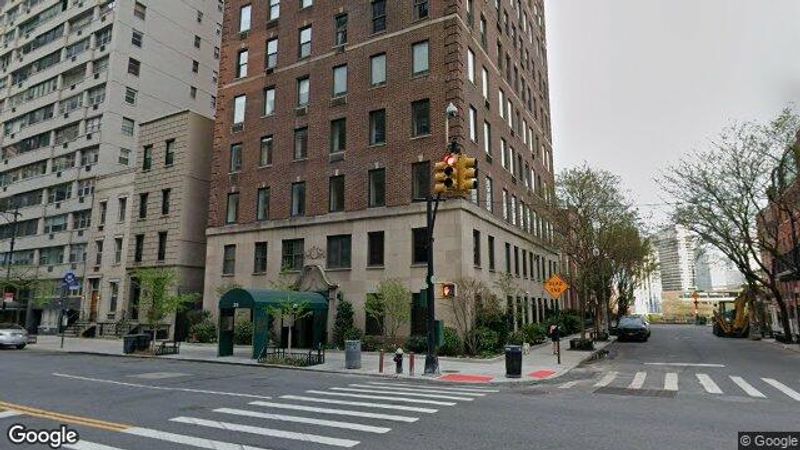
Sutton Place is served primarily by the E and M trains at Lexington Avenue-53rd Street and the 4, 5, and 6 trains at 59th Street-Lexington Avenue, both a 10 to 15 minute walk from most Sutton Place addresses. The Q train at 63rd Street-Lexington Avenue via the Second Avenue extension has also improved east side access considerably since its opening.
Daily life here is deliberately low-key: residents rely on Sutton Place Park and Sutton Place Park South for river views and green space, along with nearby Andrew Haswell Green Park. Grocery options include Gristedes and specialty markets along First and Second Avenues, while schools such as the United Nations International School and several private day schools serve the area's international families.
| Destination | Subway Line(s) | Walk to Station | Approx. Commute Time |
|---|---|---|---|
| Grand Central Terminal | 4, 5, 6, E, M | 10-15 min | 15-20 min |
| Midtown Office Core (Park Ave) | 6, E, M | 10 min | 10-15 min |
| Wall Street / Financial District | 4, 5 | 15 min | 30-35 min |
| JFK Airport | E to AirTrain / car | 15 min to E | 60-75 min |
| Upper East Side Museum Mile | Q, 6 | 15-20 min | 15-20 min |
Sutton Place Transit and Commute Snapshot
Commutes to Midtown offices are consistently short, a major draw for executives, while the absence of heavy retail traffic keeps sidewalks quiet even during weekday rush hours. Families gravitate toward the neighborhood's proximity to East Side private schools, and the riverside parks provide a genuine outdoor amenity rarely found this close to Midtown's commercial core.
Final Thoughts
Sutton Place suits buyers and tenants who want proximity to Midtown without Midtown's noise, and who value discretion, space, and river views over ground-floor retail or nightlife. It is particularly well suited to executives with Midtown East offices, diplomatic households, and families prioritizing quiet streets and established private schools.
It is less suited to buyers seeking vibrant street life, extensive dining options, or the liquidity of a fast-turnover condominium market. Board approval timelines and the co-op-dominated stock require patience, and buyers expecting downtown-style flexibility may find the process more formal than they anticipate.
Our team in New York, working alongside our licensed brokerage network, regularly guides overseas clients through Sutton Place's co-op landscape, from building selection to closing logistics. For the right buyer, this remains one of Manhattan's most quietly prestigious residential addresses, and one that rewards patience with lasting value.
Reinvent NY provides business consulting, operational support, and coordination services. Real estate services are provided through licensed professionals and applicable brokerage relationships. This article is for informational purposes only and does not constitute legal or investment advice.
Nearby neighbourhoods: Lower East Side, Midtown East, Midtown West. The full set is indexed under New York neighbourhood guides.

Satoshi Onodera
Founder & CEO, Reinvent NY Inc.
Founded Reinvent NY in 2024. Providing relocation support from all over the world to America.
Ready to Get Started?
Our team in New York is ready to help with your visa, real estate, or relocation needs.
Schedule a ConsultationFrequently Asked Questions
What are the boundaries of Sutton Place?
Sutton Place generally runs from East 53rd Street to East 59th Street, between First Avenue and the East River, on Manhattan's Upper East Side. It is a compact, river-facing enclave distinct from the wider Upper East Side district.
Is Sutton Place mostly co-ops or condos?
The neighborhood is overwhelmingly cooperative housing, built primarily between the 1920s and 1950s. Condominium inventory exists but is limited, mostly in postwar towers, making co-op board approval a standard part of any purchase process.
How much does an apartment cost in Sutton Place in 2026?
Approximate 2026 pricing ranges from $400,000 for a studio to $6,000,000 or more for a large classic pre-war unit, subject to market conditions. Per-square-foot averages typically fall between $1,100 and $1,700.
What subway lines serve Sutton Place?
Residents primarily use the E and M trains at Lexington Avenue-53rd Street, the 4, 5, and 6 trains at 59th Street-Lexington Avenue, and increasingly the Q train at 63rd Street-Lexington Avenue via the Second Avenue line.
Is Sutton Place good for families?
Yes, particularly for families valuing quiet streets, riverside parks, and proximity to East Side private schools and the United Nations International School. It lacks the retail bustle of nearby neighborhoods, which many families see as an advantage.
How difficult is co-op board approval in Sutton Place?
Boards here tend to be conservative, favoring financially strong, discreet buyers and requiring detailed financial disclosure and interviews. Timelines typically run four to eight weeks, and our licensed brokerage network can advise on building-specific expectations.
Does Sutton Place have river views?
Many buildings along Sutton Place, Sutton Place South, and near Sutton Place Park offer direct East River views, a defining feature of the neighborhood. River-facing units generally command a measurable price premium over interior-facing counterparts.
Real Estate Guides & Data
Related Articles
NYC Sponsor Units: No Board Approval, at a Price
Sponsor units in NYC co-ops and condos skip board approval and the interview, but the buyer pays the transfer taxes. Here is what that trade really costs.
Lincoln Square NYC Real Estate Guide 2026
An authoritative 2026 guide to buying and renting in Lincoln Square, Manhattan: buildings, prices, transit, and who this Upper West Side enclave suits.
Turtle Bay NYC Real Estate Guide 2026
What Turtle Bay in Manhattan costs in 2026: the buildings and their ages, sale and rent ranges, the commute from East Midtown, and what buyers should check.
ITIN for Real Estate Investors: The W-7 Process Explained
How foreign real estate investors get an ITIN: who needs one, the Form W-7 process, acceptance agents, processing times, and why the number cuts your tax.