Midtown West Manhattan Real Estate Guide 2026
What Midtown West Actually Is — Boundaries, Character, How It Got Here
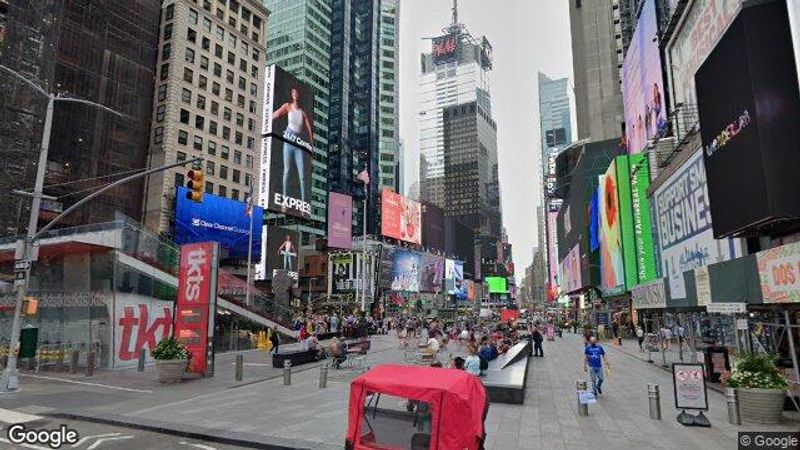
Midtown West runs roughly from 34th Street to 59th Street, bounded by Fifth Avenue to the east and the Hudson River to the west. It encompasses Hell's Kitchen, the Theater District, and the western edge of Rockefeller Center. Our team in New York treats this as one continuous corridor, though residents distinguish sharply between its northern and southern halves.
Historically this was a working-class, industrial waterfront district tied to rail yards, tenements, and the garment trade. Gentrification arrived late compared to downtown Manhattan, accelerating through the 1990s and 2000s as Times Square was cleaned up and Hudson Yards development began pulling capital westward toward the river.
Today Midtown West is a mixed-use corridor — office towers, Broadway theaters, hotels, and increasingly dense residential blocks sit side by side. It reads as urban and commercial rather than quiet or residential, which suits some overseas buyers perfectly and disqualifies it for others seeking a more neighborhood-scale, brownstone-lined setting.
The Housing Stock — Specific Buildings, Architects, Eras, Unit Types
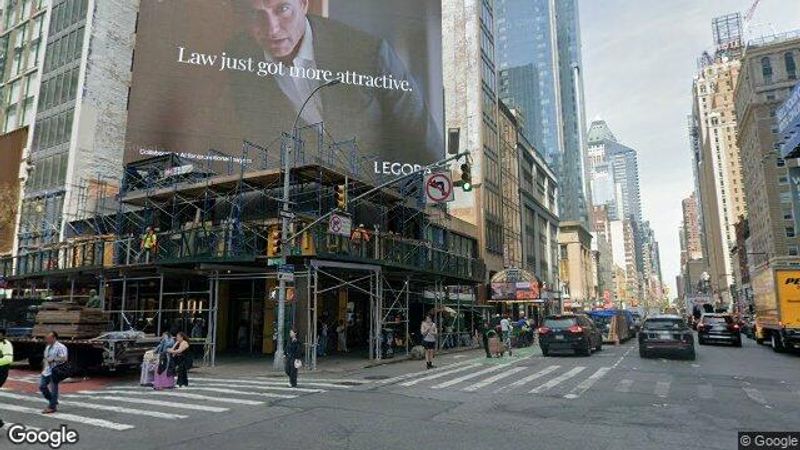
Housing stock splits between prewar walk-ups and elevator buildings from the 1900s–1930s, and a wave of postwar and contemporary towers. Manhattan Plaza on West 43rd Street, a 1977 conversion originally built for performing artists, remains a landmark rental complex. Much of Hell's Kitchen's low-rise stock consists of former tenements converted to co-ops and rentals.
New construction has reshaped the skyline near the river. The Grand at Sky View, Silver Towers by Costas Kondylis near the Hudson River Greenway, and towers along Eleventh Avenue offer full-service amenities — pools, doormen, gyms. Further east, buildings near Restaurant Row and Ninth Avenue tend toward smaller prewar units with limited amenities but strong character.
Unit types range widely: studios and one-bedrooms dominate rental inventory near Times Square, while two- and three-bedroom condos cluster closer to the river and Hudson Yards' edge. Condo conversions of older office and hotel buildings are increasingly common, giving buyers loft-like layouts uncommon elsewhere in Midtown.
Prices and Rents — Concrete Numbers, With a Comparison Table
As of early 2026, approximate asking prices for Midtown West condos range from $900,000 for a one-bedroom to over $3.5 million for larger three-bedroom units in full-service towers near the Hudson River. Co-op pricing runs lower, reflecting board approval processes and maintenance fees, but liquidity is thinner than in comparable condo product.
Rental rates remain strong given proximity to Midtown offices, Broadway, and Hudson Yards. Studios average $3,200–$4,200 monthly; one-bedrooms $4,000–$5,800; two-bedrooms frequently exceed $6,500. All figures are approximate and subject to market conditions, seasonal demand, and building-specific amenity packages, and should be confirmed through our licensed brokerage network before any offer.
| Unit Type | Purchase Price (Condo) | Purchase Price (Co-op) | Monthly Rent |
|---|---|---|---|
| Studio | $650,000–$900,000 | $400,000–$600,000 | $3,200–$4,200 |
| 1-Bedroom | $900,000–$1.4M | $600,000–$900,000 | $4,000–$5,800 |
| 2-Bedroom | $1.6M–$2.6M | $1.1M–$1.8M | $6,500–$9,000 |
| 3-Bedroom | $2.6M–$3.5M+ | $1.8M–$2.7M | $9,500–$14,000 |
Approximate Midtown West prices and rents, early 2026 (subject to market conditions)
Compared with Midtown East or the Upper West Side, Midtown West offers slightly softer per-square-foot pricing for comparable finishes, largely due to its commercial density and nightlife noise profile. Buyers trading price for a quieter setting typically look toward Chelsea or the Upper East Side instead, where per-square-foot premiums run noticeably higher.
Daily Life and Transit — Subway Lines, Commute Times, Groceries, Schools, Parks
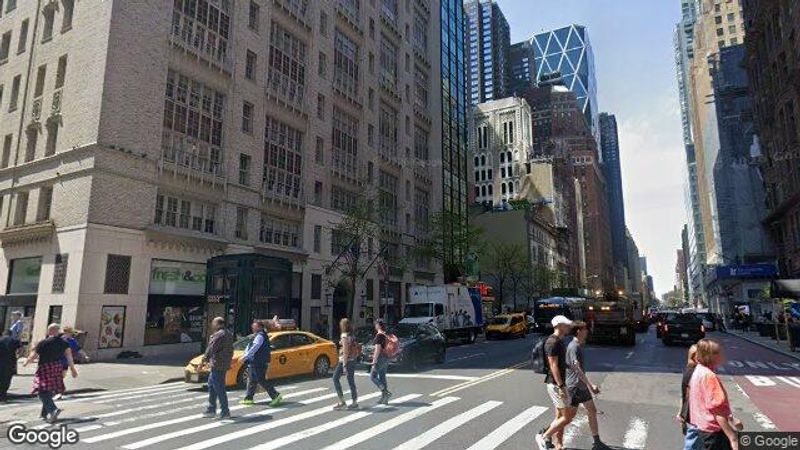
Transit access is exceptional. The A, C, E lines run along Eighth Avenue, the 1, 2, 3 serve Seventh Avenue, and the N, Q, R, W cross at Times Square–42nd Street, one of the busiest interchange stations in the system. The 7 train extension to Hudson Yards further improved westside connectivity after 2015.
Daily amenities are dense but commercially oriented. Residents rely on Whole Foods on Eighth Avenue near Columbus Circle, Gristedes locations scattered through Hell's Kitchen, and the Ninth Avenue restaurant corridor. Green space is limited to Hudson River Park, DeWitt Clinton Park, and pocket plazas, making this a less park-rich district than the Upper West Side or Chelsea.
| Subway Lines | Key Corridor | Commute to Wall St | Commute to Midtown East | Nearby Park |
|---|---|---|---|---|
| A, C, E | Eighth Avenue | 25–30 min | 10–15 min | Hudson River Park |
| 1, 2, 3 | Seventh Avenue | 20–25 min | 12–18 min | DeWitt Clinton Park |
| N, Q, R, W | Broadway/Times Sq | 25 min | 8–12 min | Bryant Park (edge) |
| 7 | Hudson Yards | 30 min | 15 min | Hudson Yards Public Sq. |
Midtown West transit and commute snapshot
Commute times to Lower Manhattan average 20–30 minutes via the A/C/E or 1/2/3; to the East Side, cross-town buses or a walk through Central Park South suffice. Public schools serving the area include P.S. 51 and P.S. 111; families more often consider this a transitional rather than long-term school-zone neighborhood.
Final Thoughts
Midtown West suits buyers and tenants who prioritize connectivity — to global offices, Broadway, and multiple airports via transit — over quiet residential calm. It works well for pied-à-terre buyers, frequent business travelers, and investors targeting strong rental demand from corporate relocations and short-term hospitality-adjacent tenants near Hudson Yards and Times Square.
It suits less well those seeking tree-lined streets, low noise, or a tight-knit residential community. Families prioritizing school continuity or extensive park access typically fare better on the Upper West Side or in Chelsea. Buyers should also weigh co-op board processes carefully, as approval timelines here can be lengthy for overseas applicants.
Our team in New York generally recommends Midtown West to clients who value proximity, liquidity, and rental yield over tranquility. For those clients, few Manhattan corridors match its transit density and commercial vitality — and our licensed brokerage network can walk prospective buyers through specific buildings and current inventory in detail.
Reinvent NY provides business consulting, operational support, and coordination services. Real estate services are provided through licensed professionals and applicable brokerage relationships. This article is for informational purposes only and does not constitute legal or investment advice.
Nearby neighbourhoods: Morningside Heights, Murray Hill, Nolita. All Manhattan guides are indexed under New York neighbourhood guides.

Satoshi Onodera
Founder & CEO, Reinvent NY Inc.
Founded Reinvent NY in 2024. Providing relocation support from all over the world to America.
Ready to Get Started?
Our team in New York is ready to help with your visa, real estate, or relocation needs.
Schedule a ConsultationFrequently Asked Questions
Is Midtown West a good investment for rental income?
Yes — strong corporate and tourism-driven rental demand near Times Square and Hudson Yards supports steady occupancy. Yields tend to outperform quieter residential districts, though buyers should factor in higher building fees and seasonal rental fluctuations tied to tourism cycles.
Are co-ops or condos more common in Midtown West?
Both exist, but new construction has skewed heavily toward condos over the past decade, particularly near the Hudson River. Older prewar buildings in Hell's Kitchen remain predominantly co-ops, which typically involve board approval and financing restrictions.
How noisy is Midtown West compared to other Manhattan neighborhoods?
It is noisier than residential districts like the Upper West Side, given Broadway theaters, Times Square foot traffic, and dense commercial activity. Buildings set back toward Eleventh Avenue and the Hudson River waterfront offer noticeably quieter alternatives.
What is the best subway access point in Midtown West?
Times Square–42nd Street offers the broadest access, connecting the 1, 2, 3, 7, N, Q, R, and W lines. Eighth Avenue's A, C, E corridor is quieter and convenient for residents in Hell's Kitchen's western blocks.
Is Midtown West suitable for families with children?
It is possible but less common than in family-oriented districts. Park access is limited, and most buyers with school-age children prioritize the Upper West Side or Chelsea instead, reserving Midtown West primarily for professionals and investors.
How do Midtown West prices compare to Midtown East?
Midtown West generally prices slightly below Midtown East on a per-square-foot basis, reflecting its commercial density and nightlife proximity. Buyers seeking comparable finishes at a discount often find better value on the west side.
What building types should overseas buyers focus on?
Full-service condo towers near the Hudson River waterfront and Hudson Yards typically offer the smoothest purchase process for overseas buyers, avoiding lengthy co-op board reviews. Our licensed brokerage network can identify current listings matching specific investment criteria.
Real Estate Guides & Data
More guides
- New York's Landmark Buildings: Index for Buyers
- Open Houses: The Buyer's Working Visit
- Donating US Property: Charitable Structures for Real Estate
- US Property Insurance: The Line That Breaks a Rental Model
- Reading Building Financials: The Numbers Behind the Lobby
- Rent Stabilization for Buyers: What Regulation Means
Related Articles
Hudson Yards NYC Real Estate Guide 2026
Our 2026 guide to buying and renting in Hudson Yards, Manhattan: buildings, prices, transit, and who this neighborhood really suits.
Hell's Kitchen Real Estate Guide 2026
A local advisor's guide to buying and renting in Hell's Kitchen, Manhattan — boundaries, buildings, 2026 prices, transit, and who the neighborhood suits.
Midtown East Manhattan Real Estate Guide 2026
Our 2026 guide to Midtown East real estate covers buildings, prices, rents, and daily life for international buyers and renters considering Manhattan.
Murray Hill Manhattan Real Estate Guide 2026
What Murray Hill in Manhattan costs in 2026: the boundaries, the buildings and their ages, sale and rent ranges, and what a buyer should check before offering.