Morningside Heights NYC Real Estate Guide 2026
What Morningside Heights Actually Is — Boundaries, Character, and History
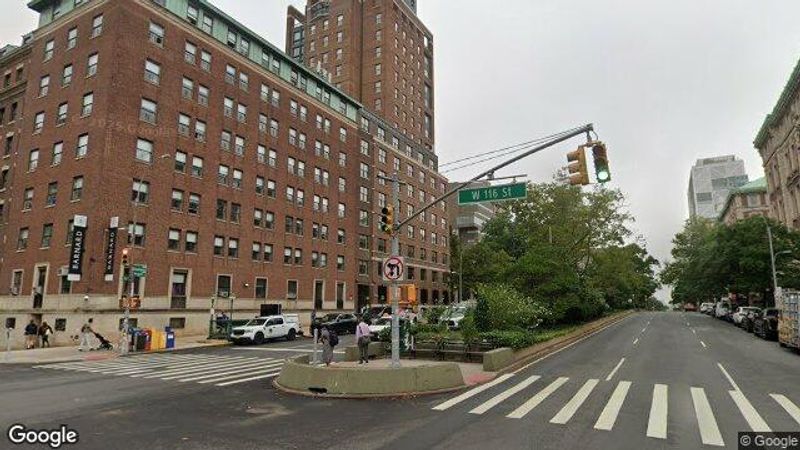
Morningside Heights sits on Manhattan's Upper West Side plateau, bounded roughly by West 110th Street to the south, West 125th Street to the north, Morningside Park to the east, and Riverside Park to the west. Our team in New York considers it one of the most architecturally intact enclaves left on the island, anchored by Columbia University and its academic campus culture.
The neighborhood developed in the 1890s-1910s as an academic and religious quarter, built around Columbia's move uptown, Barnard College, Union Theological Seminary, and the Cathedral of St. John the Divine. This gave it a distinctly institutional, low-commercial character that persists today, with fewer chain retailers than neighboring districts and a strong civic identity.
Today the area balances a scholarly, quiet residential feel with genuine diversity of income and background, from tenured faculty to longtime rent-stabilized tenants. Our clients often describe it as 'Upper West Side without the crowds,' though it carries its own gravity, prestige, and slower pace shaped by generations of academic life.
The Housing Stock — Buildings, Architects, and Unit Types
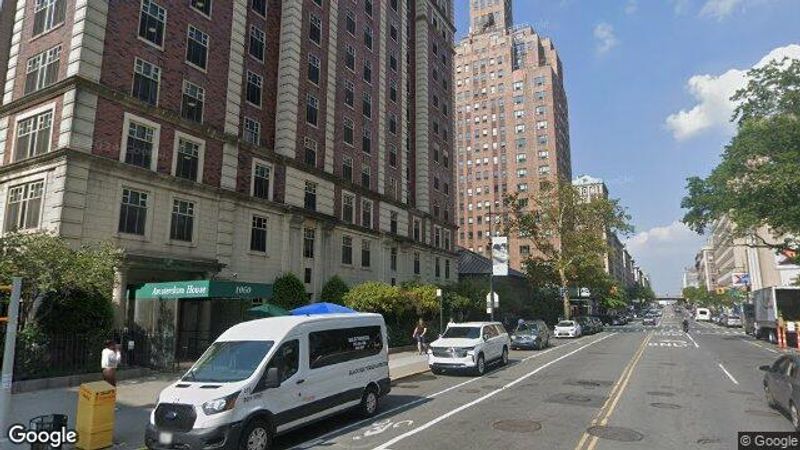
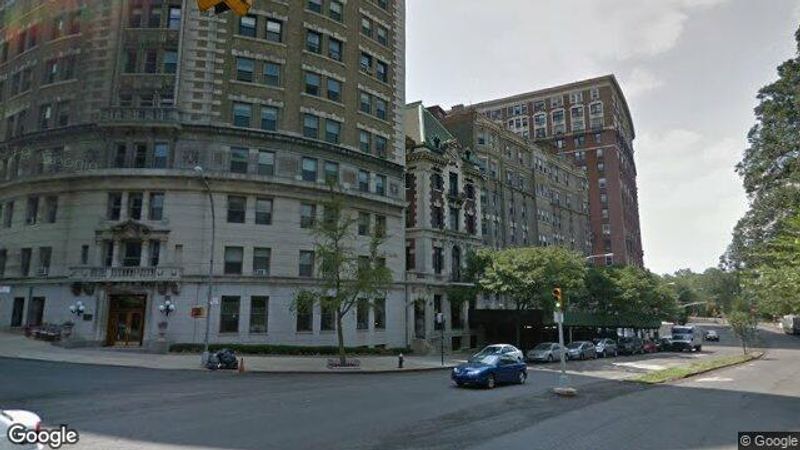
Morningside Heights is defined by pre-war apartment buildings, many built between 1900 and 1930 in Beaux-Arts and neo-Renaissance styles. Riverside Drive and Claremont Avenue hold some of the grandest examples, with high ceilings, prewar moldings, and generous room counts rarely found downtown at comparable price points.
Notable buildings include Butler Hall and other Columbia-affiliated cooperatives near West 119th Street, along with independent co-ops such as Bryn Mawr and Cathedral Parkway Towers near West 110th Street, the latter offering postwar high-rise living with river and park views. Unit types range from studio conversions to sprawling six-room prewar layouts.
Ownership here skews heavily toward co-ops, which often carry board approval processes and flip taxes unfamiliar to overseas buyers; true condominiums are comparatively scarce. Newer rental stock clusters near West 125th Street, while brownstones on side streets like West 118th and West 121st offer rare townhouse opportunities for buyers seeking full-building control.
Prices and Rents — What Things Actually Cost
Morningside Heights remains meaningfully more affordable than the Upper West Side proper or Central Park-adjacent blocks, while still commanding premiums for renovated prewar units. Our team in New York sees strongest demand for two-bedroom co-ops and larger rental apartments suited to visiting scholars, faculty, and families seeking space over flash.
Figures below are approximate as of early 2026 and subject to market conditions, seasonal inventory, and building-specific factors such as maintenance fees and board requirements. Co-op pricing in particular can vary widely depending on financial requirements and subletting policies, which our licensed brokerage network reviews carefully with every buyer before an offer.
| Unit Type | Sale Price (Co-op/Condo) | Monthly Rent | Typical Maintenance/Common Charges |
|---|---|---|---|
| Studio | $280,000 – $420,000 | $2,300 – $3,000 | $900 – $1,300 |
| One-bedroom | $420,000 – $650,000 | $2,900 – $3,800 | $1,100 – $1,600 |
| Two-bedroom | $650,000 – $950,000 | $3,800 – $5,200 | $1,400 – $2,100 |
| Three-bedroom (prewar) | $950,000 – $1,600,000 | $5,200 – $7,500 | $1,800 – $2,800 |
| Townhouse (multi-unit) | $2,800,000 – $5,500,000 | N/A | Varies by upkeep |
Approximate Morningside Heights sale prices and rents, early 2026
Compared to the West 70s and 80s, buyers here can expect 20–35% savings per square foot for comparable prewar quality, though liquidity is thinner and resale timelines can run longer. Rentals move quickly around August, tied to the academic calendar, so overseas clients targeting that window should begin viewings well in advance.
Daily Life and Transit — Getting Around, Parks, and Schools
Morningside Heights is served by the 1 train along Broadway, with stops at West 110th, 116th, and 125th Streets, and the B and C trains running along Central Park West's northern extension into Morningside Park's edge. A ride to Midtown via the 1 train runs roughly 20-25 minutes; express options on nearby lines cut that further.
Daily needs are covered by Westside Market, Morton Williams, and the West 125th Street retail corridor, alongside the long-running Columbia University farmers market at West 114th Street. Green space is exceptional for Manhattan, with Riverside Park, Morningside Park, and Sakura Park all within walking distance, offering river views, tiered landscaping, and quiet paths.
| Category | Option | Approx. Time/Distance | Notes |
|---|---|---|---|
| Subway | 1 train (Broadway) | 3 local stops in neighborhood | Local service, connects to express at 96th/72nd St |
| Subway | B/C train | Edge of Morningside Park | Weekday-focused B service |
| Commute | To Midtown (34th St) | 20-25 minutes | Via 1 train, faster with express transfer |
| Park | Riverside Park | 0-10 min walk | River views, running paths, dog runs |
| Groceries | Westside Market | 5-10 min walk | Broadway location, daily essentials |
| Schools | Columbia, Barnard, Manhattan School of Music | Within neighborhood | Drives rental demand and calendar cycles |
Transit and lifestyle snapshot, Morningside Heights
Public schooling options include zoned elementary programs and access to selective citywide schools, while the density of higher education institutions means the neighborhood's rhythm follows the academic year closely. Families and long-term renters should factor this into lease timing, noise patterns near campus buildings, and seasonal foot traffic on Broadway.
Final Thoughts
Morningside Heights suits buyers and renters who value prewar architectural quality, proximity to major academic institutions, and genuine parkland access over nightlife density or retail convenience. It rewards patience with co-op boards and offers meaningfully better value per square foot than the Upper West Side core, particularly for larger family-sized units.
It is not the right fit for clients seeking condo-only liquidity, fast resale cycles, or a dense restaurant and shopping scene at their doorstep. Overseas investors focused purely on rental yield may find better velocity in more transient-heavy submarkets, since Morningside Heights' tenant base skews toward longer, academically anchored stays.
Our team in New York recommends this neighborhood to clients who understand its rhythms and want a stable, architecturally serious address near Columbia's campus. Working through our licensed brokerage network, we help buyers navigate co-op board requirements and identify the handful of listings each season worth serious pursuit.
Reinvent NY provides business consulting, operational support, and coordination services. Real estate services are provided through licensed professionals and applicable brokerage relationships. This article is for informational purposes only and does not constitute legal or investment advice.
Nearby neighbourhoods: Murray Hill, Nolita, NoMad. All Manhattan guides are indexed under New York neighbourhood guides.
Satoshi Onodera
Founder & CEO, Reinvent NY Inc.
Founded Reinvent NY in 2024. Providing relocation support from all over the world to America.
Ready to Get Started?
Our team in New York is ready to help with your visa, real estate, or relocation needs.
Schedule a ConsultationFrequently Asked Questions
Is Morningside Heights considered part of Harlem?
No. Morningside Heights is a distinct neighborhood south of Harlem, bounded by West 110th and West 125th Streets, with its own institutional and architectural identity centered on Columbia University and the Cathedral of St. John the Divine.
Are most apartments co-ops or condos?
The vast majority are **co-operatives**, particularly in prewar buildings along Riverside Drive and Claremont Avenue. True condominiums exist but remain scarce, so buyers should plan for board approval processes and financial disclosure requirements typical of New York co-ops.
What subway lines serve the neighborhood?
The **1 train** runs directly through Morningside Heights along Broadway, with stops at West 110th, 116th, and 125th Streets. The B and C trains serve the neighborhood's eastern edge near Morningside Park, adding useful alternate routing options.
How do prices compare to the Upper West Side?
Morningside Heights typically runs 20-35% below comparable prewar units in the West 70s and 80s, offering strong relative value. Figures are approximate and subject to market conditions, but the discount has remained consistent in recent cycles.
Is the area good for families?
Yes. Riverside Park, Morningside Park, and Sakura Park provide substantial green space, and zoned public schools plus nearby selective options make it appealing. Larger prewar three-bedroom layouts here are more attainable than in most Manhattan neighborhoods.
When is the best time to search for rentals?
Search early. Demand spikes each **August** ahead of the academic calendar due to Columbia, Barnard, and the Manhattan School of Music. Clients targeting that window should begin viewings in June or July for the best selection.
What is the neighborhood's overall character?
Quiet, academic, and architecturally serious, with strong civic institutions and less commercial density than surrounding neighborhoods. It suits buyers prioritizing space, prewar detail, and park access over nightlife, retail variety, or fast condo-style liquidity.
Real Estate Guides & Data
More guides
- Making an Offer on a New York Property: What Wins
- How US Mortgages Work: Rates, Points, Escrow
- Repair Credits: Negotiating What Inspections Find
- New York's Landmark Buildings: Index for Buyers
- Open Houses: The Buyer's Working Visit
- Donating US Property: Charitable Structures for Real Estate
Related Articles
NYC Property Tax on a Condo: How It Actually Works
How NYC property tax works for condo and co-op owners: the Class 2 rules, the 45% assessment ratio, real effective rates, and the 17.5% to 28.1% abatement.
One57: The Tower That Started Billionaires' Row
One57 at 157 West 57th Street: 75 storeys above a Park Hyatt, the building that opened Billionaires' Row, and what a residence there costs to own and hold.
NYC Sponsor Units: No Board Approval, at a Price
Sponsor units in NYC co-ops and condos skip board approval and the interview, but the buyer pays the transfer taxes. Here is what that trade really costs.
Lincoln Square NYC Real Estate Guide 2026
An authoritative 2026 guide to buying and renting in Lincoln Square, Manhattan: buildings, prices, transit, and who this Upper West Side enclave suits.