Murray Hill Manhattan Real Estate Guide 2026
What Murray Hill Actually Is
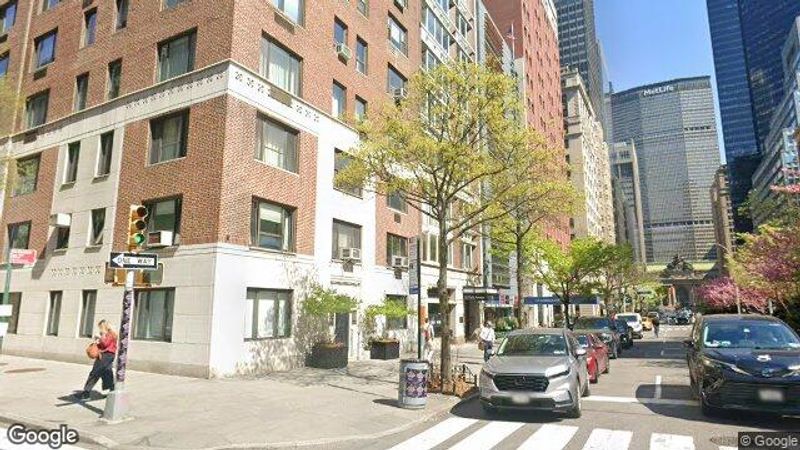
Murray Hill sits on Manhattan's East Side, roughly bounded by East 34th Street to the south, East 40th Street to the north, Fifth Avenue to the west, and the East River to the east. Our team in New York treats Third and Lexington Avenues as its commercial spine, with quieter residential blocks running east toward Tudor City's edge.
The neighborhood takes its name from the Murray family estate, a colonial-era farm purchased by Robert Murray in the 1700s. Development accelerated after the Third Avenue elevated railway came down in the 1950s, and postwar apartment towers replaced most of the original brownstone rowhouses that once defined the area's Gilded Age character.
Today Murray Hill functions as a dense, transit-rich residential pocket favored by young professionals, hospital staff from NYU Langone, and international residents drawn to its proximity to Midtown offices. It lacks the landmark grandeur of Gramercy just to its south, but it offers practical scale, direct commutes, and comparatively approachable pricing for Manhattan.
The Housing Stock
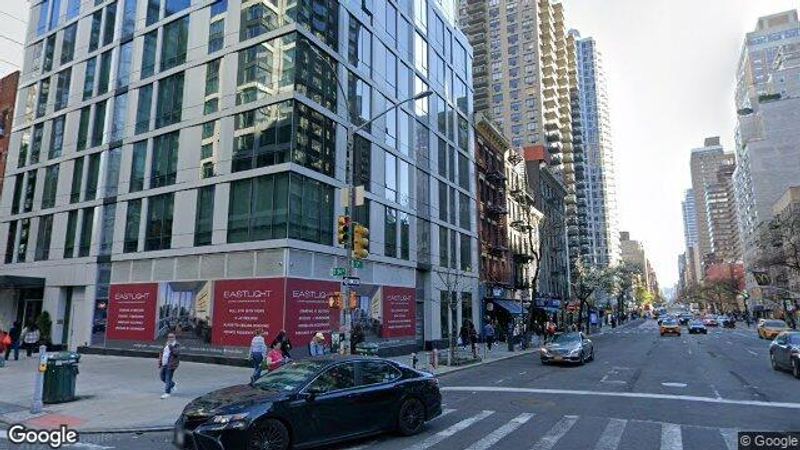
Murray Hill's building stock spans three broad eras: prewar rental buildings from the 1920s–30s along Park and Lexington Avenues, midcentury white-brick towers built after the elevated rail demolition, and a smaller cluster of glass condominium developments from the 2000s onward. Surviving brownstones are concentrated on side streets like East 36th and East 37th between Park and Third.
Notable buildings include The Cosmopolitan at 240 East 39th Street, a full-service prewar-style rental, and 3 Sutton Place-adjacent towers just north of the district line. Condominium buyers look to Lexington Park Condominium at 654 Lexington Avenue and smaller boutique conversions on Park Avenue South, which offer loft-like layouts absent from the neighborhood's rental towers.
Unit types run heavily toward studios and one-bedrooms in the rental towers, reflecting the area's appeal to single professionals and short-term corporate tenants. Two- and three-bedroom prewar co-ops appear on Park Avenue and Madison Avenue's edges, generally in lower-rise, elevator buildings with board approval processes typical of Manhattan co-op ownership.
Prices and Rents
Murray Hill remains one of Manhattan's more accessible East Side markets. Studio and one-bedroom condos generally trade in the low-to-mid six figures on a price-per-square-foot basis lower than Midtown East or Sutton Place, while co-ops require larger down payments due to financing restrictions. Rental demand stays strong year-round given proximity to Midtown and NYU Langone.
All figures below are approximate and subject to market conditions; our licensed brokerage network can provide current comparables for specific buildings and unit lines. Prices fluctuate with interest rates, inventory turnover, and seasonal rental demand, particularly around June and September when corporate relocations and academic calendars drive leasing volume.
| Unit Type | Sale Price Range | Price per Sq Ft | Monthly Rent Range |
|---|---|---|---|
| Studio | $450,000 – $650,000 | $1,100 – $1,400 | $2,800 – $3,600 |
| One-bedroom | $650,000 – $950,000 | $1,150 – $1,450 | $3,600 – $4,800 |
| Two-bedroom | $1,100,000 – $1,750,000 | $1,200 – $1,500 | $5,200 – $7,000 |
| Three-bedroom co-op | $1,900,000 – $2,900,000 | $1,300 – $1,600 | $7,500 – $10,000 |
Approximate Murray Hill sale and rental prices, 2026 (subject to market conditions)
Compared to neighboring districts, Murray Hill undercuts Gramercy and Midtown East on price per square foot while offering comparable subway access, making it a frequent choice for buyers prioritizing value relative to location over architectural pedigree or park frontage.
Daily Life and Transit
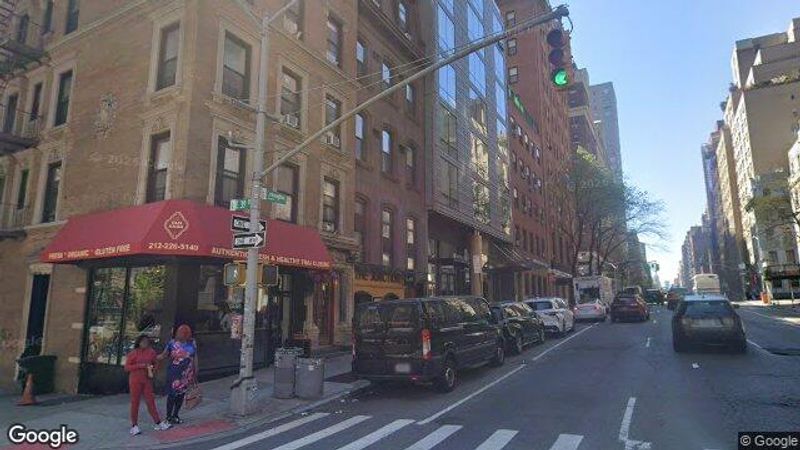
Murray Hill benefits from strong subway access, with the 4, 5, and 6 trains running along Lexington Avenue at Grand Central–42nd Street and 33rd Street stations, plus the 6 stop at 33rd Street directly serving the neighborhood's core. Grand Central itself sits at the northern edge, giving residents Metro-North access and Midtown office commutes under fifteen minutes.
Grocery options include Whole Foods on East 24th Street nearby and Morton Williams on Third Avenue, while daily errands run through the Lexington Avenue retail corridor. Families rely on nearby public schools zoned through the Department of Education, and green space comes via Robert Moses Playground and the smaller Highline Park pockets near the East River esplanade.
| Category | Option | Location | Approx. Travel/Distance |
|---|---|---|---|
| Subway | 4/5/6 trains | Grand Central–42nd St | 5–10 min walk |
| Subway | 6 train | 33rd Street station | Direct neighborhood stop |
| Rail | Metro-North | Grand Central Terminal | 10 min walk |
| Grocery | Whole Foods | East 24th Street | 10–15 min walk |
| Park | Robert Moses Playground | East 42nd Street at FDR Drive | On neighborhood edge |
Murray Hill transit and daily life reference points
Commute times to Midtown and Wall Street rank among Manhattan's shortest from any residential neighborhood, a point our team consistently highlights to clients weighing convenience against space and quiet.
Final Thoughts
Murray Hill suits buyers and renters who prioritize commute efficiency, transit density, and relative value over architectural prestige or waterfront views. Young professionals, hospital-affiliated tenants, and international residents seeking straightforward access to Midtown and Grand Central consistently find the neighborhood's rental stock and pricing well matched to their needs.
It suits less well those seeking brownstone charm, tree-lined quiet, or the retail sophistication of Madison Avenue's flagship corridor further north. Buyers focused on long-term appreciation in landmark districts may find Gramercy or the Upper East Side better aligned with their goals, despite Murray Hill's practical advantages.
Our team in New York generally recommends Murray Hill to clients optimizing for convenience and rental yield rather than architectural distinction, and we work through our licensed brokerage network to identify specific buildings that match each client's budget and lifestyle priorities.
Reinvent NY provides business consulting, operational support, and coordination services. Real estate services are provided through licensed professionals and applicable brokerage relationships. This article is for informational purposes only and does not constitute legal or investment advice.
Nearby neighbourhoods: Nolita, NoMad, Roosevelt Island. All Manhattan guides are indexed under New York neighbourhood guides.
This article is also available on our Japanese site.

Satoshi Onodera
Founder & CEO, Reinvent NY Inc.
Founded Reinvent NY in 2024. Providing relocation support from all over the world to America.
Ready to Get Started?
Our team in New York is ready to help with your visa, real estate, or relocation needs.
Schedule a ConsultationFrequently Asked Questions
What are Murray Hill's exact boundaries?
Murray Hill runs roughly from East 34th Street to East 40th Street, bounded by Fifth Avenue on the west and the East River on the east, placing it directly south of Midtown East and north of Gramercy Park.
Is Murray Hill good for renters versus buyers?
Murray Hill's rental market is deep and competitively priced given its transit access, making it strong for renters. Buyers benefit from lower price-per-square-foot figures than neighboring districts, though co-op board approvals can slow closings.
What subway lines serve Murray Hill?
The 4, 5, and 6 trains serve the neighborhood via Grand Central–42nd Street and the 33rd Street station on Lexington Avenue, both offering direct express and local service throughout Manhattan.
Are there many prewar buildings left in Murray Hill?
Some prewar rental and co-op buildings survive along Park and Lexington Avenues and on side streets like East 36th and East 37th, though most original brownstones were replaced by midcentury towers.
How does Murray Hill compare to Gramercy on price?
Murray Hill generally trades lower per square foot than Gramercy, reflecting its denser rental stock and fewer landmark buildings, making it a common alternative for buyers prioritizing value over prestige.
What condominium buildings exist in Murray Hill?
Lexington Park Condominium at 654 Lexington Avenue is a recognized option, alongside boutique conversions along Park Avenue South, offering loft-style layouts less common in the neighborhood's rental towers.
Is Murray Hill family-friendly?
Murray Hill works reasonably well for families given zoned public schools and access to Robert Moses Playground, though its studio-heavy rental stock skews toward single professionals rather than larger family units.
Real Estate Guides & Data
More guides
- Wire Fraud at Closing: The One Loss Nobody Insures
- Anatomy of a NYC Purchase: Week by Week, Start to Keys
- The Co-op Board Interview: Preparation That Passes
- Buyer Agency Agreements: The Paper Behind Your Agent
- Capital Assessments: When the Building Sends a Bill
- Roommate Law and Shared Housing: Who May Live There
Related Articles
Midtown West Manhattan Real Estate Guide 2026
Our 2026 guide to Midtown West: buildings, prices, rents, transit and daily life for international buyers considering Manhattan's Theater District corridor.
Midtown East Manhattan Real Estate Guide 2026
Our 2026 guide to Midtown East real estate covers buildings, prices, rents, and daily life for international buyers and renters considering Manhattan.
Gramercy Park NYC Guide 2026
An insider's guide to Gramercy Park real estate: buildings, prices, rents, transit, and lifestyle for international buyers considering Manhattan in 2026.
NoMad Manhattan Real Estate Guide 2026
An on-the-ground 2026 guide to buying and renting in NoMad, Manhattan — boundaries, buildings, prices, transit, and who the neighborhood suits.