Gramercy Park NYC Guide 2026
What Gramercy Park Actually Is — Boundaries, Character, How It Got Here
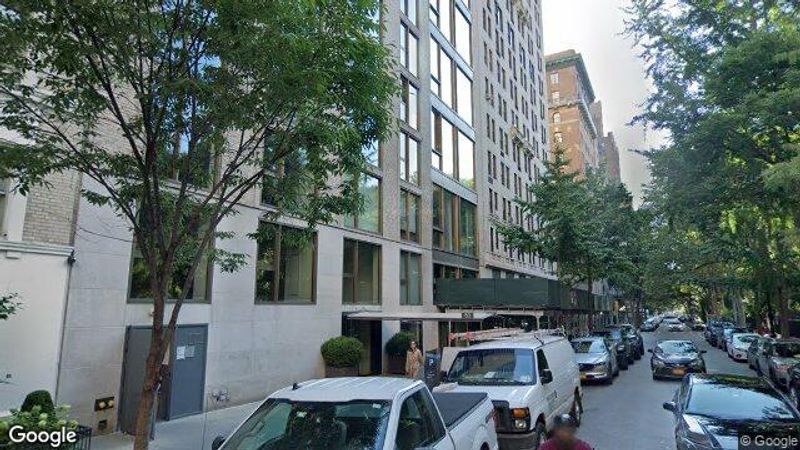
Gramercy Park sits between roughly 14th Street and 23rd Street, from Park Avenue South to Third Avenue, anchored by the private Gramercy Park itself — the only locked private park in Manhattan. Only residents of the surrounding buildings hold keys. This exclusivity, dating to the 1830s, still defines the neighborhood's identity today.
The area was developed by Samuel Ruggles, who modeled it on London's residential squares. That 19th-century DNA persists: low scale by Manhattan standards, tree-lined blocks, and a genteel hush that contrasts sharply with Union Square just south or the Flatiron District to the west. Our team in New York often describes it as Manhattan's most European corner.
Character here is understated wealth rather than flash. There are no glass towers competing for skyline attention — instead, prewar facades, brownstones, and a handful of postwar co-ops. Irving Place and Lexington Avenue frame the eastern edge, giving quick access to Midtown South without the noise of Fifth Avenue corridors.
The Housing Stock — Specific Buildings, Architects, Eras, Unit Types
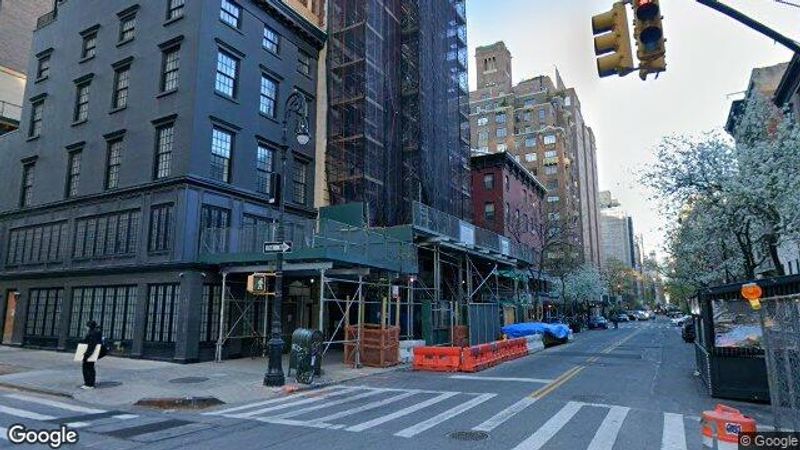
The signature address is The Gramercy at 34 Gramercy Park East, an 1883 Gothic Revival building by architect George W. Da Cunha, one of only a few structures directly on the park with key access. Nearby, 36 Gramercy Park East offers similarly rare prewar apartments with high ceilings and original detailing, prized precisely because so few units ever come to market.
Further south, Stuyvesant Town-adjacent blocks and buildings along Lexington Avenue and Third Avenue offer postwar co-ops and rental towers with more inventory and simpler layouts. Notable prewar co-ops line Irving Place and East 19th Street, many built in the 1900s–1920s with classic six-room layouts, herringbone floors, and working fireplaces still intact.
Unit types skew toward prewar layouts: junior fours, classic sixes, and occasional duplexes in converted townhouses on East 20th and East 21st Streets. True new construction is scarce — this is a neighborhood of co-op boards, financial vetting, and buildings where renovation is often the only path to modern kitchens and baths.
Prices and Rents — Concrete Numbers, With a Comparison Table
Gramercy Park commands a premium tied directly to park access and prewar scarcity. As of early 2026, co-op studios generally start near $450,000, one-bedrooms range from $650,000 to $1.1 million, and two-bedrooms with park-facing exposure can exceed $2.5 million. All figures are approximate and subject to market conditions, particularly given the illiquidity of park-key buildings.
Rentals track similarly premium patterns. Studios typically rent from $2,800 to $3,600 monthly, one-bedrooms from $3,800 to $5,200, and larger prewar two-bedrooms can reach $7,500 or more, especially with park views. Buildings without direct park access, further toward Third Avenue, offer meaningful discounts of 10–20%.
| Unit Type | Sale Price (Approx.) | Monthly Rent (Approx.) | Notes |
|---|---|---|---|
| Studio | $450,000–$600,000 | $2,800–$3,600 | Limited inventory; mostly co-op |
| One-Bedroom | $650,000–$1.1M | $3,800–$5,200 | Wide range by prewar vs. postwar |
| Two-Bedroom | $1.4M–$2.5M+ | $5,800–$7,500+ | Park-facing units carry premium |
| Three-Bedroom/Townhouse | $3M–$6M+ | $9,000–$14,000+ | Rare; often converted townhouses |
Approximate Gramercy Park Sale and Rental Prices, Early 2026
Compared to the West Village or Tribeca, Gramercy Park offers relatively better value for prewar square footage, though far less than the East Village or Kips Bay. Buyers should budget for co-op board fees, which can run $1,500–$3,000 monthly in older buildings, alongside any mortgage or all-cash purchase.
Daily Life and Transit — Subway Lines, Commute Times, Groceries, Schools, Parks
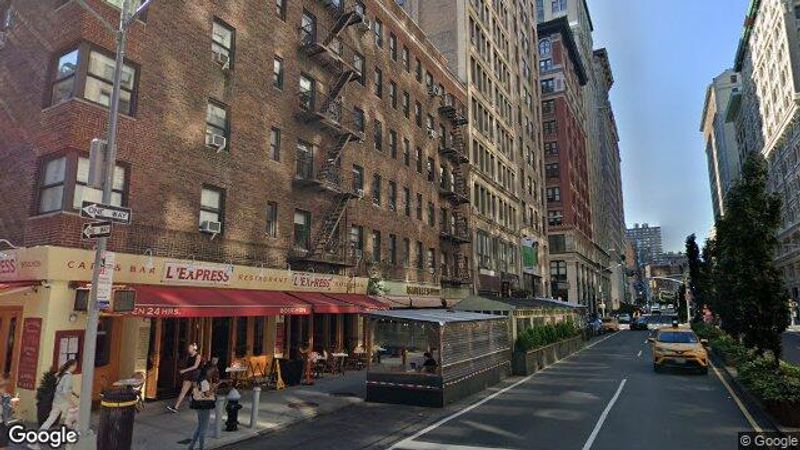
Transit access is strong: the 6 train at 23rd Street or Union Square, and the N/Q/R/W and L trains at Union Square, put Midtown roughly 10–15 minutes away and Lower Manhattan around 15–20 minutes. Many residents also walk to Midtown South offices in 20–25 minutes, a genuine option given the neighborhood's flat, compact layout.
Daily life centers on Union Square Greenmarket, Trader Joe's on East 14th Street, and Eataly at 23rd and Fifth for higher-end provisioning. Public schooling options include zoned elementary schools in District 2, generally well regarded, while private schools in the West Village and Midtown draw families willing to commute short distances.
| Destination | Subway Line | Approx. Travel Time | Notes |
|---|---|---|---|
| Midtown (Grand Central) | 6 train | 10–12 min | 23rd St or Union Square stations |
| Wall Street / FiDi | 4/5/6 train | 18–22 min | Express via Union Square |
| Chelsea / Meatpacking | L train | 10–15 min | Transfer at Union Square |
| JFK Airport | 6 to E, AirTrain | 60–75 min | No direct express option |
| Brooklyn (Williamsburg) | L train | 20–25 min | Direct from Union Square |
Gramercy Park Transit and Commute Times (Approximate)
Green space is naturally scarce given the locked park, but Madison Square Park to the north and Stuyvesant Square Park to the southeast offer public alternatives with dog runs and seating. The neighborhood's flatness and low traffic volume make it genuinely walkable year-round, a point our team consistently highlights to clients used to noisier districts.
Final Thoughts
Gramercy Park suits buyers who value quiet prewar living over new-development amenities, and who are comfortable with co-op board scrutiny in exchange for architectural authenticity. It particularly appeals to clients seeking a low-key, established address within walking distance of both Midtown and Downtown business districts.
It is less suited to those wanting glass-tower amenities, doorman-to-elevator convenience found in newer Financial District or Hudson Yards buildings, or a younger, louder nightlife scene. Inventory is genuinely limited, so patience and strong broker relationships matter more here than in most Manhattan submarkets.
Our licensed brokerage network can help international clients navigate co-op board requirements, financing structures, and the narrow inventory window that defines this market. For buyers prioritizing prestige, privacy, and prewar character over modern convenience, Gramercy Park remains one of Manhattan's most defensible long-term choices.
Reinvent NY provides business consulting, operational support, and coordination services. Real estate services are provided through licensed professionals and applicable brokerage relationships. This article is for informational purposes only and does not constitute legal or investment advice.
Nearby neighbourhoods: Greenwich Village, Hamilton Heights, Harlem. All Manhattan guides are indexed under New York neighbourhood guides.
This article is also available on our Japanese site.

Satoshi Onodera
Founder & CEO, Reinvent NY Inc.
Founded Reinvent NY in 2024. Providing relocation support from all over the world to America.
Ready to Get Started?
Our team in New York is ready to help with your visa, real estate, or relocation needs.
Schedule a ConsultationFrequently Asked Questions
Can non-residents access Gramercy Park itself?
No. The park is locked and keys are issued only to residents of specific surrounding buildings, typically included in leases or co-op ownership. This exclusivity is central to the neighborhood's appeal and pricing premium.
Are there new-construction condos in Gramercy Park?
Very few. The neighborhood is dominated by prewar co-ops and low-scale buildings, with limited new development compared to nearby Flatiron or Kips Bay. Buyers seeking new construction should expect to look slightly outside the core boundaries.
How competitive is the co-op board approval process here?
Quite competitive. Many buildings require substantial liquid assets, low debt-to-income ratios, and board interviews. Our licensed brokerage network typically advises international buyers to prepare thorough financial documentation well before making offers.
What's the best subway line for commuting to Wall Street?
The 6 train from 23rd Street or Union Square connects directly to Wall Street and Fulton Street stations, with total commute times generally between 18 and 22 minutes depending on time of day.
Is Gramercy Park good for families with children?
Reasonably so. District 2 zoned elementary schools are well regarded, and Stuyvesant Square Park and Madison Square Park provide nearby green space, though the neighborhood skews toward professionals and older residents overall.
How do rents compare to the West Village?
Gramercy Park rents generally run 10–15% lower than comparable West Village units, offering similar prewar character with slightly better value, though inventory turnover is slower and options are more limited.
Which streets offer the best value within the neighborhood?
Blocks near Third Avenue and Lexington Avenue, away from direct park frontage, typically offer better value than Gramercy Park East or West addresses, while remaining within easy walking distance of the park itself.
Real Estate Guides & Data
More guides
- Cost Segregation: Accelerating US Property Depreciation
- Divorce and NY Real Estate: Dividing the Apartment
- Exit Planning Five Years Out: Selling Starts Early
- Furnished and Corporate Rentals: The 30-Day-Plus Market
- How to Hold US Property: Personal, LLC or Corporation
- Inheriting US Property: The Heir's Playbook
Related Articles
Midtown East Manhattan Real Estate Guide 2026
Our 2026 guide to Midtown East real estate covers buildings, prices, rents, and daily life for international buyers and renters considering Manhattan.
Murray Hill Manhattan Real Estate Guide 2026
What Murray Hill in Manhattan costs in 2026: the boundaries, the buildings and their ages, sale and rent ranges, and what a buyer should check before offering.
NoMad Manhattan Real Estate Guide 2026
An on-the-ground 2026 guide to buying and renting in NoMad, Manhattan — boundaries, buildings, prices, transit, and who the neighborhood suits.
Flatiron District Real Estate Guide 2026
An expert 2026 guide to buying and renting in Flatiron District, Manhattan — buildings, prices, transit, and lifestyle for international buyers.