Greenwich Village Real Estate Guide 2026
What Greenwich Village Actually Is
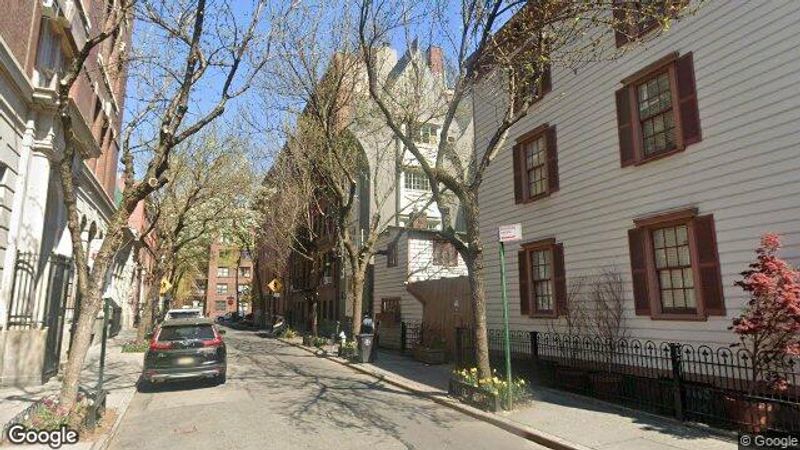
Greenwich Village sits in lower Manhattan, roughly bounded by Houston Street to the south, 14th Street to the north, Broadway to the east, and the Hudson River side of the West Village to the west. Our team in New York treats it as several micro-neighborhoods stitched together: the tree-lined core around Washington Square Park, the quieter West Village blocks, and the NYU-adjacent east side.
The Village escaped Manhattan's rigid grid because it developed earlier, as an independent village that absorbed residents fleeing 19th-century epidemics uptown. That history left crooked lanes like Gay Street and Grove Street, low-rise rowhouses, and a scale that feels closer to a European quarter than to Midtown's towers. It became the historic anchor of Manhattan's bohemian and artistic identity through the 20th century.
Today the neighborhood blends that bohemian legacy with serious wealth. Washington Square Park and New York University give it a youthful, academic pulse, while landmarked townhouse blocks nearby command some of the city's highest per-square-foot prices. Our licensed brokerage network sees strong, steady interest here from overseas buyers seeking prestige, walkability, and architectural character rather than new construction.
The Housing Stock
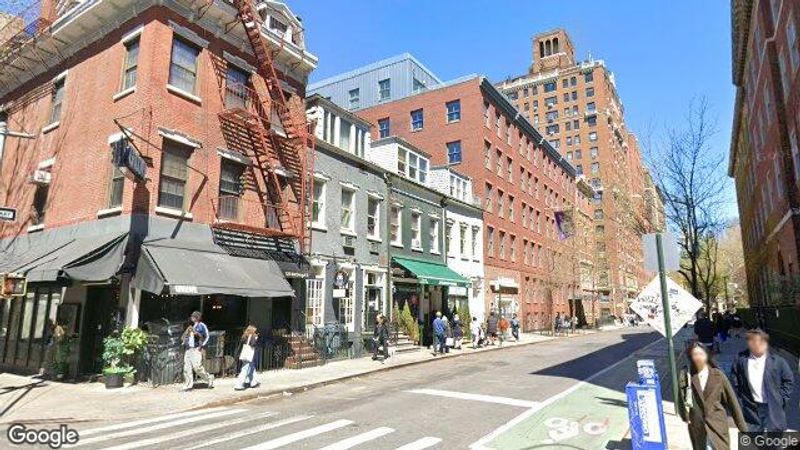
Housing stock is dominated by pre-war townhouses, low-rise brick rowhouses from the 1830s-1900s, and mid-century co-op conversions. Much of the core falls within the Greenwich Village Historic District, designated in 1969, which restricts exterior alterations and preserves the low-scale streetscape that defines blocks like MacDougal Street and Bank Street.
Notable buildings include One Fifth Avenue, a 1929 Art Deco tower at the top of Fifth Avenue, and Westbeth Artists Housing, a converted Bell Labs complex on Bethune Street offering large industrial units. The Greenwich Lane, a newer condominium development on the former St. Vincent's Hospital site, brought rare full-service new construction into a neighborhood otherwise defined by older stock.
Unit types range from studio and one-bedroom co-ops in walk-up buildings to multi-million-dollar single-family townhouses on Washington Square North and West 11th Street. Co-ops still outnumber condos in the older buildings, meaning board approval and financial disclosure are standard for buyers, while condo developments like the Greenwich Lane appeal to those wanting fewer ownership restrictions.
Prices and Rents
Pricing in Greenwich Village reflects its landmark status and limited new supply. Approximate 2026 figures, subject to market conditions, place condo resale prices between $1,800 and $2,600 per square foot, with townhouses trading well above that on a per-square-foot basis due to land value and scarcity. Co-op pricing runs somewhat lower given board restrictions and financing limits.
Rental demand stays high year-round because of NYU and the neighborhood's walkable prestige. One-bedroom rentals typically range from $4,200 to $6,500 per month, while two-bedrooms in doorman buildings can exceed $9,000. Our team in New York advises clients that inventory turnover is slower here than in newer downtown developments, which supports price stability.
| Unit Type | For Sale (Median) | Price per Sq Ft | Monthly Rent |
|---|---|---|---|
| Studio Co-op | $650,000 | $1,700 | $3,200 |
| One-Bedroom Condo | $1,350,000 | $2,100 | $4,800 |
| Two-Bedroom Condo | $2,600,000 | $2,300 | $8,200 |
| Townhouse (Single-Family) | $8,500,000+ | $2,800+ | N/A |
| Two-Bedroom Co-op | $1,900,000 | $1,900 | N/A |
Greenwich Village approximate pricing, 2026 (subject to market conditions)
Compared with SoHo or Tribeca, Greenwich Village offers slightly lower per-square-foot pricing for comparable pre-war charm, but with fewer large-floorplate options. Buyers seeking townhouse trophy assets should expect competitive bidding on any well-located listing near Washington Square Park, where turnover can be under a year between sales.
Daily Life and Transit
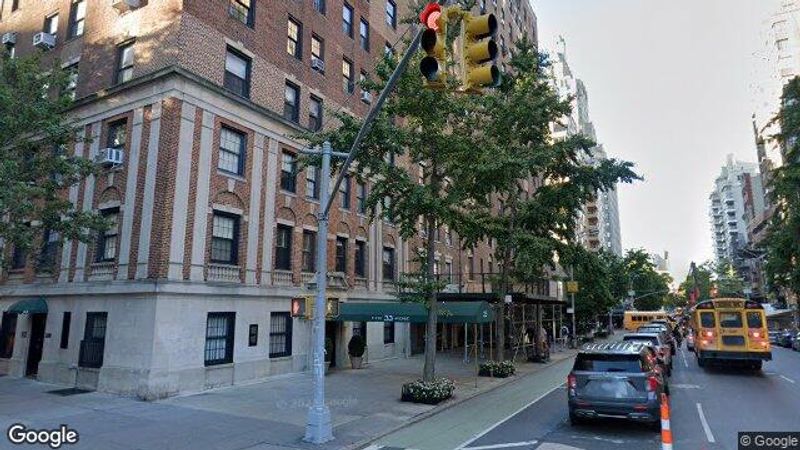
Transit access is excellent. The A, C, E, B, D, F, M lines converge at West 4th Street–Washington Square, and the 1 train runs along Seventh Avenue South with stops at Christopher Street and Houston Street. Midtown commutes typically run 15-20 minutes, and Lower Manhattan's Financial District is reachable in under 15 minutes on the express lines.
Daily errands center on Bleecker Street's specialty shops, the Union Square Greenmarket a few blocks north, and Whole Foods on Houston Street. Families weigh options including P.S. 41 and the Greenwich Village School zones, alongside private options nearby. Washington Square Park functions as the neighborhood's living room, hosting chess players, NYU students, and weekend performers.
| Category | Access Point | Approx. Time/Distance | Notes |
|---|---|---|---|
| Subway | West 4th St–Wash Sq | A/C/E/B/D/F/M lines | Major hub |
| Subway | Christopher St | 1 train | West Village edge |
| Park | Washington Square Park | Central location | Arch, fountain, chess |
| Groceries | Whole Foods, Houston St | 5-10 min walk | Full service |
| Commute | Midtown Manhattan | 15-20 min | Via express trains |
| Commute | Financial District | 10-15 min | Via 1, A/C |
Transit and lifestyle snapshot, Greenwich Village
Green space beyond Washington Square includes the Hudson River Greenway a short walk west, popular for running and cycling. The neighborhood is pedestrian-first, with narrow streets discouraging heavy car use. Most residents rely on walking or the subway for daily life, and street-level retail density remains among the highest in Manhattan.
Final Thoughts
Greenwich Village suits buyers who prioritize architectural character, walkability, and cultural cachet over modern amenities and large floorplates. It rewards those comfortable with co-op board processes, landmark restrictions on renovations, and a low-rise streetscape rather than glass towers with sweeping skyline views.
It is less suited to buyers wanting brand-new full-service condominiums with extensive amenities, or those needing large family-sized units at lower price points. Investors seeking short-term rental flexibility should also note New York City's strict regulations, which limit that strategy across most Village buildings.
Our team in New York consistently recommends Greenwich Village to clients who view real estate as a long-term cultural and lifestyle acquisition rather than a pure investment vehicle. For those clients, few Manhattan neighborhoods match its combination of history, walkability, and enduring prestige.
Reinvent NY provides business consulting, operational support, and coordination services. Real estate services are provided through licensed professionals and applicable brokerage relationships. This article is for informational purposes only and does not constitute legal or investment advice.
Nearby neighbourhoods: Hamilton Heights, Harlem, Hell's Kitchen. All Manhattan guides are indexed under New York neighbourhood guides.

Satoshi Onodera
Founder & CEO, Reinvent NY Inc.
Founded Reinvent NY in 2024. Providing relocation support from all over the world to America.
Ready to Get Started?
Our team in New York is ready to help with your visa, real estate, or relocation needs.
Schedule a ConsultationFrequently Asked Questions
What are the exact boundaries of Greenwich Village?
Generally Houston Street to the south, 14th Street to the north, Broadway to the east, and the Hudson River side of the West Village to the west, though local definitions vary slightly among residents and brokers.
Are most Greenwich Village apartments co-ops or condos?
Co-ops dominate the older housing stock, especially in pre-war walk-ups and mid-century buildings. Condos exist mainly in newer or converted developments like the Greenwich Lane, and typically command a pricing premium over comparable co-ops.
Is Greenwich Village good for renters versus buyers?
Both markets are active. Renters benefit from strong inventory turnover near NYU, while buyers gain from limited new supply and historic district protections that tend to support long-term value stability.
How landmarked is Greenwich Village, and what does that mean for owners?
Much of the core sits within the Greenwich Village Historic District, designated in 1969. Owners face restrictions on exterior renovations, requiring Landmarks Preservation Commission approval for many changes.
What subway lines serve Greenwich Village?
The A, C, E, B, D, F, and M lines converge at West 4th Street–Washington Square, and the 1 train runs along Seventh Avenue South, giving residents fast access to Midtown and Lower Manhattan.
Is Greenwich Village family-friendly?
It works well for families valuing walkability and schools near Washington Square Park, though unit sizes are smaller and pricier than in outer boroughs, which can limit options for larger households.
How do prices compare to SoHo or Tribeca?
Greenwich Village generally runs slightly below SoHo and Tribeca on a per-square-foot basis for comparable quality, though prime townhouses near Washington Square Park can match or exceed those neighborhoods' top prices.
Real Estate Guides & Data
More guides
- When a Property Owner Dies: The Family's First Steps
- Education-Adjacent Buying: Schools as Property Strategy
- What You Need for a First New York Purchase
- Energy Grades and Green Buildings: Efficiency as Value
- Long-Stay Options in NYC: Beyond the Hotel Bill
- ITINs and US Tax IDs: The Number Every Owner Needs
Related Articles
Flatiron District Real Estate Guide 2026
An expert 2026 guide to buying and renting in Flatiron District, Manhattan — buildings, prices, transit, and lifestyle for international buyers.
East Village Manhattan Real Estate Guide 2026
A 2026 buyer and renter guide to East Village, Manhattan: boundaries, housing stock, prices, transit, and who this neighborhood truly suits.
West Village Real Estate Guide 2026
A local advisor's guide to buying and renting in West Village, Manhattan — buildings, prices, transit, and schools, compiled by Reinvent NY's New York team.
Tribeca Real Estate Guide 2026
An expert 2026 guide to buying and renting in Tribeca, Manhattan — boundaries, buildings, prices, and daily life from our team on the ground in New York.