Midtown East Manhattan Real Estate Guide 2026
What Midtown East Actually Is
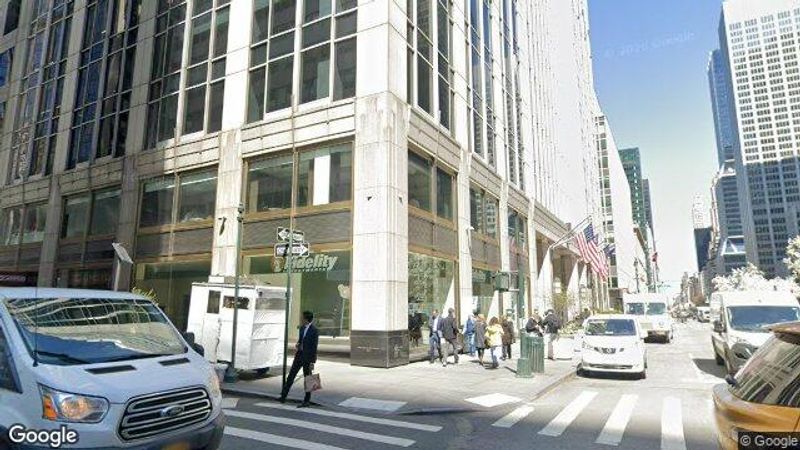
Midtown East runs roughly from East 42nd Street north to East 59th Street, bounded by Fifth Avenue and the East River. It sits beside Grand Central Terminal, the United Nations, and Park Avenue's corporate corridor. Our team in New York treats it as Manhattan's institutional core: a working district that has quietly become a residential option for buyers wanting proximity to business, diplomacy, and old-money infrastructure without downtown's volatility.
The neighborhood developed around Grand Central's 1913 opening, which pulled offices, hotels, and apartment houses toward 42nd Street. Park Avenue's postwar rebuilding brought glass office towers, while side streets retained prewar residential blocks. The result is a layered district: corporate glass to the west, quieter apartment enclaves toward Sutton Place and Beekman Place along the river.
Today's character is defined by contrast. By day it is dense with office workers; by evening, especially east of Third Avenue, it turns residential and notably calm. Buyers should understand Midtown East as two neighborhoods in one — a commercial spine and a residential fringe — and that distinction drives value, noise levels, and long-term appeal more than any single amenity.
The Housing Stock
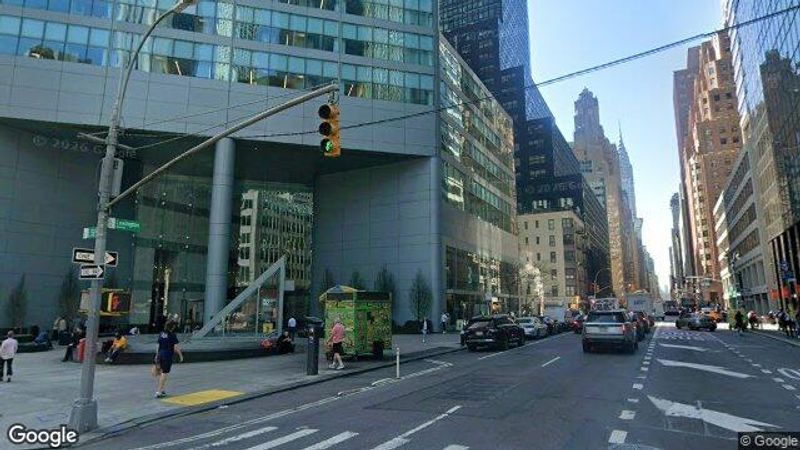
Midtown East's residential stock splits between prewar cooperatives and postwar or contemporary condominiums. Sutton Place and Beekman Place hold some of Manhattan's most storied prewar co-ops, built in the 1920s and 1930s with river views, formal layouts, and strict boards. These buildings favor long-term owners over investors and typically require substantial liquidity disclosures even outside financing.
Postwar towers along First and Second Avenues, many built in the 1960s–70s, offer larger but plainer apartments, often with doormen and simple facades typical of that era's rental-to-condo conversions. More recently, One United Nations Park and towers near East 53rd–57th Streets have introduced full-service condominium living with amenity floors, contrasting sharply with the co-ops' understated formality.
Unit types range from studios and one-bedrooms in postwar rentals to expansive prewar layouts with staff quarters near Sutton Place. Architects associated with the area's prewar era include Rosario Candela, whose influence shaped several Sutton-area cooperatives. Buyers should expect co-op board interviews to be more demanding than condo purchases, particularly in the older river-facing buildings.
Prices and Rents
Pricing in Midtown East reflects its dual identity: solid but not peak-Manhattan numbers, since it lacks the trophy-tower cachet of Billionaires' Row while offering superior transit and river-view stock. Approximate figures below are subject to market conditions and should be verified with our licensed brokerage network before any offer is prepared.
Co-op resales near Sutton Place tend to trade at a discount to comparable condos elsewhere in Midtown, largely due to board restrictions and all-cash requirements, while new-construction condos near East 53rd Street command a premium for amenities and flexible ownership structures.
| Unit Type | Purchase Price (Co-op) | Purchase Price (Condo) | Monthly Rent |
|---|---|---|---|
| Studio | $300,000–$450,000 | $450,000–$650,000 | $2,800–$3,600 |
| 1-Bedroom | $500,000–$800,000 | $750,000–$1.1M | $3,800–$5,200 |
| 2-Bedroom | $900,000–$1.5M | $1.4M–$2.3M | $5,800–$8,500 |
| 3-Bedroom | $1.6M–$3M | $2.5M–$4.5M | $8,500–$14,000 |
| Sutton Place river-view co-op | $1.2M–$3.5M | N/A | N/A |
Approximate Midtown East prices and rents, 2026 (subject to market conditions)
Carrying costs matter as much as purchase price: prewar co-op maintenance fees can run higher due to staffing and building age, while condo common charges plus real estate taxes should be modeled separately. Our team consistently advises clients to compare total monthly carry, not sticker price, when weighing a Sutton Place co-op against a newer condo tower.
Daily Life and Transit
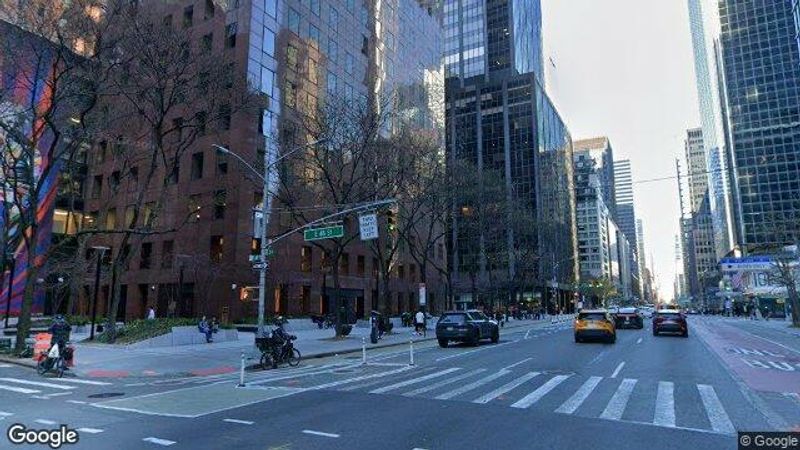
Transit access is Midtown East's strongest practical asset. Grand Central Terminal anchors the 4, 5, 6, and 7 trains plus Metro-North, while the E and M lines serve Lexington Avenue/53rd Street and the newer Second Avenue Q line runs along 63rd, 72nd, and beyond, easing what was once a transit-poor stretch near the river.
Grocery options include Whole Foods on East 57th Street and Morton Williams locations scattered through the East 50s, while Beekman Place and Sutton Place residents rely more on gourmet delis and delivery given the low commercial density on residential blocks. Parks are modest but real: Sutton Place Park and Peter Detmold Park offer small riverside green space along the FDR Drive.
| Destination | Subway Line(s) | Approx. Commute Time |
|---|---|---|
| Wall Street (FiDi) | 4/5 | 20–25 minutes |
| Times Square | 7 or E/M via transfer | 10–15 minutes |
| Upper East Side (86th St) | Q | 8–10 minutes |
| JFK Airport (via AirTrain/LIRR) | 4/5 to Jamaica, or car service | 45–60 minutes |
| Brooklyn Heights | 4/5 to Borough Hall | 25–30 minutes |
Transit and commute snapshot from Midtown East
Schools in the district include public options within the Department of Education's District 2 zoning, alongside nearby private schools favored by international families in adjacent Upper East Side pockets. Daily life here suits a routine built around convenience and quiet evenings rather than nightlife, with most residents commuting on foot or by subway within minutes of home.
Final Thoughts
Midtown East suits buyers who prioritize transit centrality, proximity to business and diplomatic institutions, and quiet residential blocks once the workday ends. It particularly appeals to those drawn to prewar co-op tradition near Sutton Place or to modern condo convenience nearer Grand Central, without needing downtown's nightlife or Brooklyn's neighborhood culture.
It suits less well those seeking vibrant street-level retail, a strong restaurant scene, or the architectural drama of Billionaires' Row. Weekday daytime density near Park Avenue and Lexington can feel corporate rather than residential, which some buyers find sterile compared to the West Village or Chelsea.
Our team in New York generally recommends Midtown East to clients whose priorities are logistics, discretion, and long-term stability over lifestyle theater. For those clients, few Manhattan neighborhoods match its transit access and quiet residential pockets. For others chasing energy and street life, we typically steer conversations toward downtown alternatives instead.
Reinvent NY provides business consulting, operational support, and coordination services. Real estate services are provided through licensed professionals and applicable brokerage relationships. This article is for informational purposes only and does not constitute legal or investment advice.
Nearby neighbourhoods: Midtown West, Morningside Heights, Murray Hill. All Manhattan guides are indexed under New York neighbourhood guides.

Satoshi Onodera
Founder & CEO, Reinvent NY Inc.
Founded Reinvent NY in 2024. Providing relocation support from all over the world to America.
Ready to Get Started?
Our team in New York is ready to help with your visa, real estate, or relocation needs.
Schedule a ConsultationFrequently Asked Questions
Is Midtown East a good investment in 2026?
It offers stable, moderate appreciation rather than rapid gains, supported by strong transit and corporate proximity. Approximate figures should be confirmed with our licensed brokerage network, as co-op board restrictions can affect resale liquidity compared to condos.
Are Midtown East co-ops hard to buy into?
Many Sutton Place and Beekman Place buildings require board interviews, extensive financial disclosure, and often prefer all-cash purchases. These boards are notably conservative, so buyers should prepare documentation well before making an offer.
What's the difference between Sutton Place and the rest of Midtown East?
Sutton Place is a quieter, river-facing enclave with prewar co-ops and low commercial density, while the western portion near Lexington and Park Avenues is denser and more corporate, with newer condo towers and heavier daytime foot traffic.
Which subway lines serve Midtown East best?
The 4, 5, 6, and 7 trains converge at Grand Central, while the E and M serve Lexington Avenue/53rd Street. The Second Avenue Q line has significantly improved access for residents east of Third Avenue.
Is Midtown East family-friendly?
It can be, particularly near Sutton Place and Beekman Place, which offer quieter streets and small parks. Families should research District 2 public school zoning and nearby private school options carefully before committing.
How do condo and co-op carrying costs compare?
Co-op maintenance fees often run higher due to building age and staffing, while condos separate common charges from real estate taxes. Our team advises comparing total monthly carry rather than headline purchase price alone.
What amenities can buyers expect in newer buildings?
Newer condo towers near East 53rd–57th Streets typically include doormen, fitness centers, and amenity floors, contrasting with the understated, staff-based service model common in older Sutton Place and Beekman Place cooperatives.
Real Estate Guides & Data
Related Articles
Hell's Kitchen Real Estate Guide 2026
A local advisor's guide to buying and renting in Hell's Kitchen, Manhattan — boundaries, buildings, 2026 prices, transit, and who the neighborhood suits.
Midtown West Manhattan Real Estate Guide 2026
Our 2026 guide to Midtown West: buildings, prices, rents, transit and daily life for international buyers considering Manhattan's Theater District corridor.
Murray Hill Manhattan Real Estate Guide 2026
What Murray Hill in Manhattan costs in 2026: the boundaries, the buildings and their ages, sale and rent ranges, and what a buyer should check before offering.
Gramercy Park NYC Guide 2026
An insider's guide to Gramercy Park real estate: buildings, prices, rents, transit, and lifestyle for international buyers considering Manhattan in 2026.