Lower East Side NYC Real Estate Guide 2026
What Lower East Side Actually Is
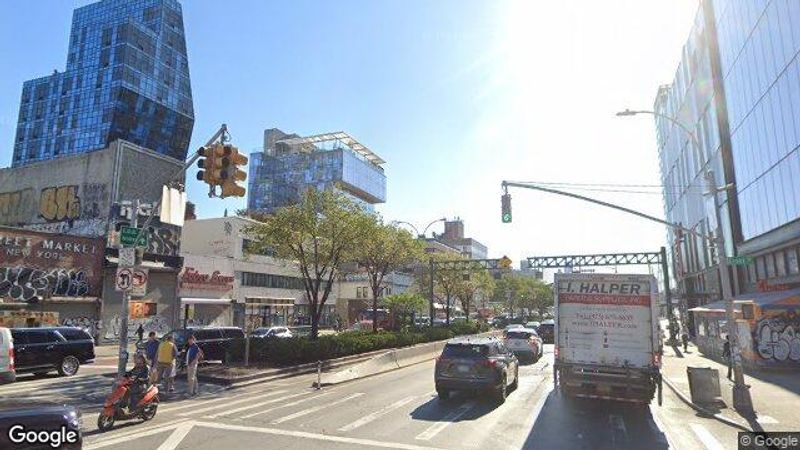
Lower East Side sits at the southeastern edge of Manhattan, bounded roughly by East Houston Street to the north, the East River to the east, Canal Street to the south, and the Bowery to the west. Our team in New York treats it as distinct from the East Village, though the two blend socially around Houston Street.
Historically a tenement district for European immigrants in the 1880s–1920s, the neighborhood retains that DNA in its narrow lot buildings and dense street grid. Streets like Orchard, Ludlow, and Rivington still carry the tenement-era imprint, even as the ground floors have turned over to galleries, boutiques, and restaurants.
Today it reads as a hybrid of grit and glamour, with public housing towers standing beside glass condominiums. Our licensed brokerage network sees this contrast as central to the area's appeal: buyers get an authentic, historically layered Manhattan neighborhood rather than a manufactured luxury enclave.
The Housing Stock
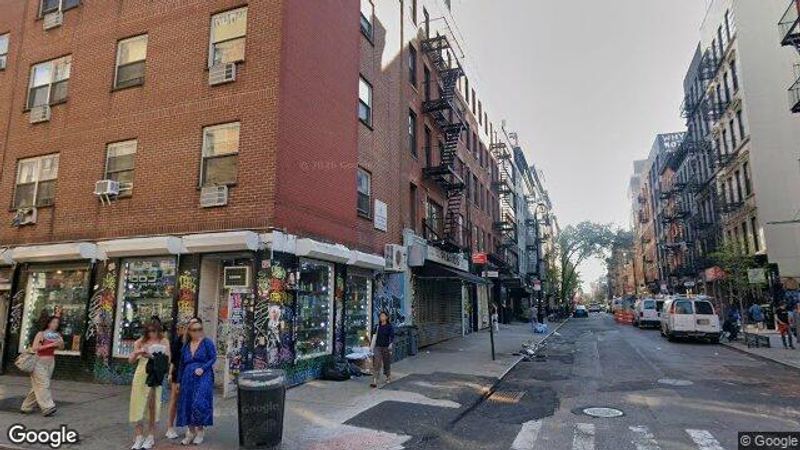
The dominant historic form is the walk-up tenement, typically five or six stories, built between 1880 and 1910, with narrow floor plates and railroad-style layouts. Many have been gut-renovated into one- and two-bedroom co-ops and condos, though original tin ceilings and exposed brick are often preserved as selling points.
New development has reshaped the skyline, notably Essex Crossing, a multi-building mixed-use project along Delancey and Essex Streets delivering condos, rentals, and retail across several towers. Nearby, buildings like 5 Rivington and 196 Orchard Street represent boutique, architect-driven condo conversions favored by design-conscious buyers.
Unit types range from studios in pre-war walk-ups to full-floor lofts and three-bedroom condos with river views in newer towers. Ceiling heights, elevator access, and central air vary enormously between tenement stock and post-2010 construction, so our team in New York always inspects building vintage before advising on value.
Prices and Rents
Pricing in Lower East Side spans a wide range depending on building age and amenities. Approximate resale figures for condos run from roughly $900,000 for a studio in a walk-up conversion to $2.8 million or more for a two-bedroom in a full-service tower such as those at Essex Crossing, subject to market conditions.
Co-op pricing tends to run 10–20% below comparable condos, reflecting board approval processes and stricter financing rules. Rental rates have climbed steadily, with one-bedrooms in newer buildings commanding a premium over walk-up units lacking elevators or in-unit laundry, a gap our licensed brokerage network sees widen further each renewal season.
| Unit Type | Building Type | Approx. Sale Price | Approx. Monthly Rent |
|---|---|---|---|
| Studio | Pre-war walk-up | $650,000–$900,000 | $2,800–$3,400 |
| 1-Bedroom | Condo conversion | $950,000–$1.4M | $3,600–$4,500 |
| 2-Bedroom | New tower (Essex Crossing) | $1.8M–$2.8M | $5,500–$7,200 |
| 3-Bedroom | Boutique condo (e.g. 196 Orchard) | $2.9M–$4.5M | $8,000–$10,500 |
| Loft | Converted industrial building | $1.6M–$2.5M | $5,000–$6,800 |
Approximate Lower East Side sale and rental prices, 2026 (subject to market conditions)
Buyers should budget for common charges and real estate taxes separately, as older co-ops often carry higher monthly maintenance than newer condos with tax abatements. Our team in New York routinely models five-year holding costs before recommending a purchase, since fee structures differ sharply between tenement conversions and ground-up developments.
Daily Life and Transit
Transit access is strong along the neighborhood's edges. The F train at Delancey Street–Essex Street and East Broadway, and the J/M/Z at Essex Street, connect riders to Midtown in roughly 20–25 minutes and to Brooklyn in under 15. The East Side Access corridor along the FDR Drive also serves drivers and car services well.
Grocery options include Essex Market, a renovated public market with produce and specialty vendors, alongside Trader Joe's nearby and smaller bodegas throughout. Green space is anchored by East River Park, offering waterfront paths and sports fields, while Seward Park provides a smaller, more residential-feeling square near Grand Street.
| Category | Option | Approx. Distance/Time | Notes |
|---|---|---|---|
| Subway | F train, Delancey–Essex | 20–25 min to Midtown | Frequent service, connects to Brooklyn |
| Subway | J/M/Z, Essex Street | 15 min to Downtown Brooklyn | Overlaps with F for redundancy |
| Grocery | Essex Market | On-site | Renovated market hall, produce and prepared food |
| Park | East River Park | 5–10 min walk | Waterfront paths, sports fields |
| School | PS 63 / East Side Community School | Within neighborhood | Zoned public options for families |
Transit and lifestyle snapshot for Lower East Side, 2026
Families weighing schools should note zoning runs primarily through PS 63 and the East Side Community School, both within walking distance of most residential blocks. Commute times, market access, and green space combine to make daily life here dense but efficient, favoring residents who prioritize walkability over suburban-style quiet.
Final Thoughts
Lower East Side suits buyers who want an authentic, historically dense Manhattan neighborhood with strong transit and a lively street culture. It rewards those comfortable with walk-up living or willing to pay a premium for full-service towers, and who value proximity to nightlife, galleries, and the East River waterfront.
It is less suited to buyers seeking suburban quiet, large private outdoor space, or uniformly polished streetscapes, since tenement-era blocks sit directly beside public housing and active nightlife corridors. Noise and density near Orchard and Ludlow Streets in particular can be a drawback for light sleepers or families prioritizing calm.
Our team in New York generally recommends Lower East Side to design-forward buyers and investors comfortable with mixed-income surroundings and rising but still accessible pricing relative to nearby SoHo or the West Village. Our licensed brokerage network can arrange private viewings across both tenement conversions and new developments to match specific priorities.
Reinvent NY provides business consulting, operational support, and coordination services. Real estate services are provided through licensed professionals and applicable brokerage relationships. This article is for informational purposes only and does not constitute legal or investment advice.
Nearby neighbourhoods: Midtown East, Midtown West, Morningside Heights. All Manhattan guides are indexed under New York neighbourhood guides.

Satoshi Onodera
Founder & CEO, Reinvent NY Inc.
Founded Reinvent NY in 2024. Providing relocation support from all over the world to America.
Ready to Get Started?
Our team in New York is ready to help with your visa, real estate, or relocation needs.
Schedule a ConsultationFrequently Asked Questions
Is Lower East Side a good investment area in 2026?
Yes, particularly around Essex Crossing and boutique condo conversions, where new infrastructure and retail have supported steady price appreciation. Values remain below SoHo and the West Village, giving room for further growth, though results vary by building and unit type.
What is the difference between Lower East Side and the East Village?
Lower East Side sits south of Houston Street, historically tenement-heavy and now home to Essex Crossing's new towers. The East Village lies north, with a more collegiate, bohemian character. Boundaries blend socially, but zoning and building stock differ noticeably.
Are co-ops harder to buy than condos in this neighborhood?
Generally yes. Co-op boards require financial disclosure and interviews, and approval can take weeks longer than a condo closing. Condos, especially in newer buildings like those at Essex Crossing, offer simpler transactions favored by overseas buyers seeking efficiency.
What subway lines serve Lower East Side best?
The F train at Delancey Street–Essex Street and East Broadway, plus the J/M/Z at Essex Street, provide the core service. Both connect efficiently to Midtown and Brooklyn, making most blocks in the neighborhood a short walk from reliable transit.
Is Lower East Side family-friendly?
It can be, particularly near Seward Park and zoned schools like PS 63, but density and nightlife noise near Orchard and Ludlow Streets make it less suited to families prioritizing quiet. Many families favor larger units in newer towers instead.
How do rents compare to nearby Manhattan neighborhoods?
Lower East Side rents generally run below SoHo, NoHo, and the West Village for comparable unit sizes, while matching or slightly exceeding the East Village. Newer towers command premiums over walk-up stock, narrowing the gap with pricier neighborhoods.
What building types should overseas buyers focus on?
Buyers seeking simplicity and amenities should focus on condo towers like those at Essex Crossing or boutique buildings such as 196 Orchard Street. Those seeking character and lower entry price points should consider renovated pre-war walk-up conversions instead.
Real Estate Guides & Data
More guides
- Buying New Development in NYC: Sponsor Units
- NYC Buying FAQ: Fifty Questions, Straight Answers
- Terraces and Outdoor Space: Pricing the Open Air
- Building a US Property Portfolio From Abroad
- The Property Data Room: Records That Transact
- Refinancing US Property: When the Numbers Say Move
Related Articles
Battery Park City Guide 2026
A 2026 guide to Battery Park City for overseas buyers and renters: buildings, prices, transit, and daily life along Manhattan's waterfront enclave.
Financial District Manhattan Real Estate Guide 2026
A concrete 2026 guide to Financial District real estate: buildings, prices, rents, transit, and who this Manhattan neighborhood suits best.
Upper West Side NYC Real Estate Guide 2026
Our 2026 guide to Upper West Side real estate: boundaries, building stock, prices, transit, and schools for overseas buyers and renters.
Upper East Side NYC Real Estate Guide 2026
Our 2026 guide to Upper East Side Manhattan real estate covers buildings, prices, rents, transit, and schools for international buyers and renters.