Two Bridges Manhattan Real Estate Guide 2026
What Two Bridges Actually Is
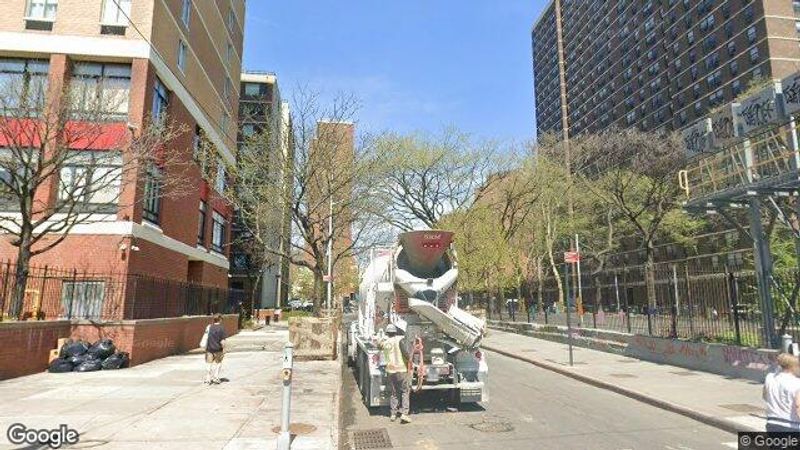
Two Bridges sits in Lower Manhattan beneath the Manhattan and Brooklyn Bridge approaches, roughly bounded by the Manhattan Bridge, East Broadway, the East River, and the Brooklyn Bridge. It borders the Lower East Side and Chinatown, overlapping culturally with both while retaining its own quieter, riverside identity distinct from the tourist-heavy blocks to the north.
Historically a working-class immigrant district, Two Bridges absorbed waves of Jewish, Puerto Rican, and Chinese residents through the 20th century, leaving a dense mix of tenement buildings, public housing towers, and mid-century developments. It remained affordable and overlooked for decades, even as the rest of Lower Manhattan gentrified around it.
That began shifting after 2015, when a cluster of supertall towers received approvals along the waterfront, drawing developer and investor attention. Today the neighborhood is a genuine transition zone: legacy public housing sits blocks from glass towers with river views, and the character remains grittier and more residential than SoHo or the Financial District.
The Housing Stock
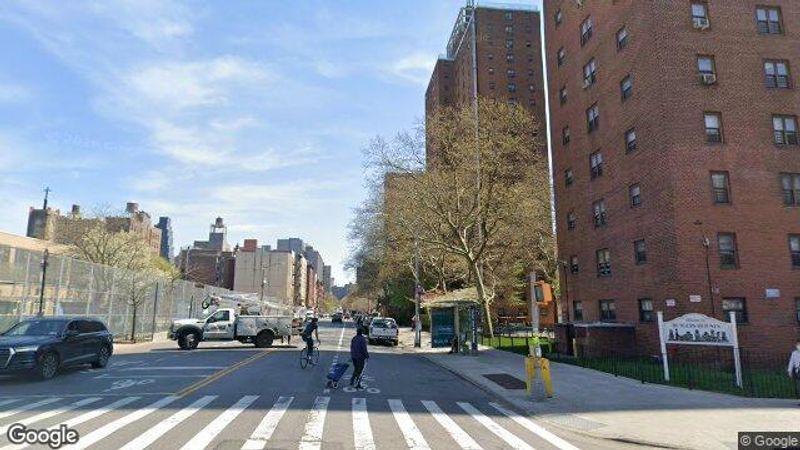
The defining feature of new Two Bridges housing is a handful of waterfront supertalls, including One Manhattan Square at 250 South Street, designed by Adamson Associates with interiors by SHoP Architects, and the nearby towers at 247 Cherry Street and 260 South Street. These deliver full-service condo living with river views previously unavailable this far south.
Away from the waterfront, the housing stock is dominated by pre-war tenements along Market Street, Catherine Street, and Henry Street, many converted to co-ops or small rental buildings, alongside NYCHA developments like Rutgers Houses and Vladeck Houses that anchor the neighborhood's affordable housing base. Unit types range from studios to family-sized three- and four-bedrooms in the newer towers.
Buyers should expect a split market: co-op boards in older buildings can be conservative and process-heavy, while the new condo towers offer straightforward closings, amenity packages, and rental flexibility. Our team in New York guides clients through both tracks, since the right choice depends heavily on whether the priority is yield, lifestyle, or long-term appreciation.
Prices and Rents
Pricing in Two Bridges remains meaningfully below comparable Lower Manhattan waterfront neighborhoods, which is a core part of its investment case. Approximate 2026 figures, subject to market conditions, show studios starting near $650,000 and one-bedrooms in the new towers running from roughly $900,000 to $1.4 million, with river-facing three-bedrooms exceeding $3 million in buildings like One Manhattan Square.
Rental yields are attractive relative to Tribeca or the Financial District, with one-bedrooms in the newer towers renting between $3,800 and $5,200 monthly, and pre-war units in older tenement-conversion buildings renting considerably lower. Price per square foot in new construction generally ranges from $1,300 to $1,800, compared to $2,200-plus in adjacent Tribeca.
| Neighborhood | Studio/1BR Purchase | Avg. $/sq ft | 1BR Monthly Rent |
|---|---|---|---|
| Two Bridges | $650K–$1.4M | $1,300–$1,800 | $3,800–$5,200 |
| Lower East Side | $750K–$1.5M | $1,500–$2,000 | $4,000–$5,500 |
| Tribeca | $1.4M–$2.8M | $2,200–$3,200 | $5,500–$8,000 |
| Financial District | $800K–$1.6M | $1,600–$2,100 | $4,200–$5,800 |
| Chinatown | $600K–$1.2M | $1,200–$1,700 | $3,500–$4,800 |
Approximate 2026 pricing comparison, Two Bridges vs. nearby neighborhoods (subject to market conditions)
The comparison below sets Two Bridges against neighboring markets to illustrate the discount buyers currently access, though our licensed brokerage network cautions that this gap has been narrowing as new inventory sells through and amenities mature.
Daily Life and Transit
Two Bridges is well served by subway despite its low profile, with the F train at East Broadway sitting at the neighborhood's core, and the B and D trains at Grand Street a short walk north. The 4, 6, J, N, Q, R, W, and Z lines are all reachable within ten to fifteen minutes on foot, giving residents fast access to Midtown, Brooklyn, and beyond.
Daily errands run through Chinatown's markets on East Broadway and Grand Street, plus a growing number of cafes and small groceries within the new towers themselves. Corlears Hook Park and the East River Esplanade provide waterfront green space and running paths, while Seward Park to the north offers playgrounds and sports courts for families.
| Category | Option | Distance/Time | Notes |
|---|---|---|---|
| Subway | F at East Broadway | 0–5 min walk | Direct to Midtown, Brooklyn |
| Subway | B/D at Grand St | 8–10 min walk | Connects to 6th Ave line |
| Park | Corlears Hook Park | 5 min walk | Riverfront green space |
| Park | Seward Park | 10 min walk | Playgrounds, sports courts |
| Grocery | Grand Street markets | 5–10 min walk | Produce, seafood, everyday goods |
| School | PS 126 / PS 124 | Local zoning | Verify current zoning with DOE |
Two Bridges transit and lifestyle access points
Commute times to Midtown average 20 to 30 minutes via subway, and to Downtown Brooklyn under 15 minutes across the Manhattan Bridge. Zoned schools include PS 126 and Yung Wing School PS 124, both serving the immediate area, and families should verify current zoning lines directly with the Department of Education before committing.
Final Thoughts
Two Bridges suits buyers seeking river views and new-construction amenities at a discount to Tribeca or the Financial District, particularly those comfortable with a neighborhood still in transition rather than fully arrived. It also appeals to investors chasing stronger rental yields than more established downtown addresses currently offer.
It is less suited to buyers who want boutique retail, a settled streetscape, or immediate walkability to Manhattan's established luxury corridors. Those prioritizing SoHo-style shopping or Tribeca's quiet cobblestone charm will likely find Two Bridges' surroundings rougher and more transitional than expected, despite the strong towers themselves.
For the right buyer, this is a calculated early-stage bet on a waterfront micro-market with strong transit and genuine upside. Our team in New York works directly with our licensed brokerage network to evaluate specific buildings, unit lines, and pricing before any commitment is made.
Reinvent NY provides business consulting, operational support, and coordination services. Real estate services are provided through licensed professionals and applicable brokerage relationships. This article is for informational purposes only and does not constitute legal or investment advice.
Nearby neighbourhoods: Upper East Side, Upper West Side, Washington Heights. All Manhattan guides are indexed under New York neighbourhood guides.

Satoshi Onodera
Founder & CEO, Reinvent NY Inc.
Founded Reinvent NY in 2024. Providing relocation support from all over the world to America.
Ready to Get Started?
Our team in New York is ready to help with your visa, real estate, or relocation needs.
Schedule a ConsultationFrequently Asked Questions
Is Two Bridges considered part of Chinatown or the Lower East Side?
Two Bridges is a distinct neighborhood bordering both, with its own identity shaped by public housing, waterfront towers, and its position beneath the Manhattan and Brooklyn Bridge approaches, rather than a formal subdivision of either neighbor.
What is the best-known new development in Two Bridges?
One Manhattan Square at 250 South Street is the neighborhood's most prominent tower, offering condo units with East River views, full amenities, and pricing generally below comparable Tribeca or Financial District towers.
How is the subway access from Two Bridges?
Residents reach the F train at East Broadway within minutes, with the B, D, J, N, Q, R, W, Z, 4, and 6 lines all accessible within a ten to fifteen minute walk via Grand Street or Canal Street stations.
Are prices in Two Bridges likely to keep rising?
Given its discount to neighboring Tribeca and the Lower East Side, plus new waterfront supply, many analysts expect continued appreciation, though buyers should treat all figures as approximate and subject to market conditions.
Is Two Bridges a good rental investment?
Rental yields here are generally stronger than in Tribeca or the Financial District, particularly in newer towers with amenities, making it attractive for investors seeking income alongside longer-term appreciation potential.
What kind of housing stock exists beyond the new towers?
Pre-war tenement buildings along Market and Catherine Streets, many converted to small co-ops, sit alongside NYCHA developments like Rutgers and Vladeck Houses, giving the neighborhood a mixed, historically working-class housing base.
Are there good parks and green space nearby?
Corlears Hook Park and the East River Esplanade provide immediate waterfront access, while Seward Park just north offers playgrounds and sports facilities, giving residents solid green space options within a short walk.
Real Estate Guides & Data
More guides
- New Development Walk-Throughs: The Snag List That Pays
- NYC Transfer Taxes for Sellers: The Exit's First Bill
- NYC Parking and Storage: Deeded Spaces as Assets
- Prewar vs New Construction: Two Different Assets
- NYC Property Tax Appeals: Challenging Your Assessment
- Moving to New York: The Order to Do Things In
Related Articles
Kips Bay NYC Real Estate Guide 2026
An authoritative 2026 guide to Kips Bay, Manhattan: boundaries, buildings, prices, rents, transit, and schools for international buyers and renters.
NYC Mansion Tax 2026: All Eight Brackets Explained
The NYC mansion tax runs from 1.00% to 3.90% on residential purchases of $1,000,000 or more. Full 2026 bracket schedule, who pays, and how to plan for it.
DSCR Loan for Foreign Nationals: 2026 Terms Explained
How DSCR loans let foreign nationals and self-employed investors finance US rental property on the rent it earns: 2026 rates, down payments, and fine print.
Chinatown Manhattan Real Estate Guide 2026
A local advisor's guide to buying or renting in Chinatown, Manhattan — boundaries, buildings, prices, transit, and who the neighborhood truly suits.