Washington Heights NYC Real Estate Guide 2026
What Washington Heights Actually Is
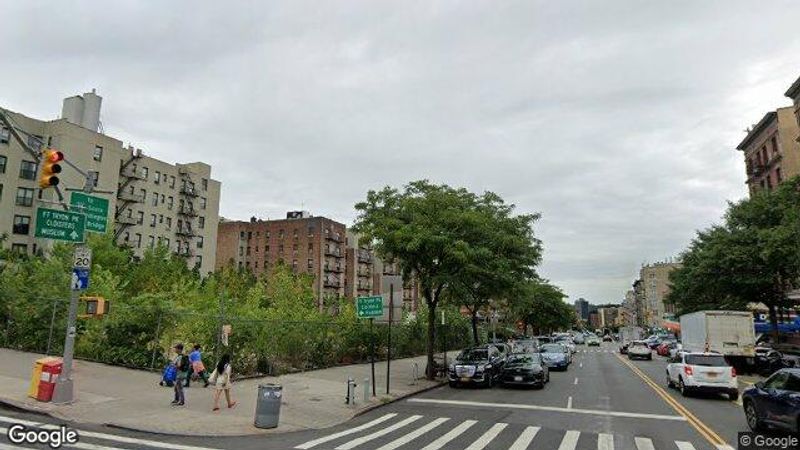
Washington Heights occupies the northern spine of Manhattan, roughly from 155th Street up to Dyckman Street, bounded by the Hudson River to the west and the Harlem River to the east. Our team in New York treats it as two distinct halves: the denser, more urban southern blocks near Broadway, and the leafier, hillier northern stretch bordering Fort Tryon Park.
The neighborhood's identity was shaped by waves of Jewish, Greek, Irish, and later Dominican immigration through the 20th century, giving it the enduring nickname Quisqueya Heights for its Dominican-American core. Bennett Park, at 183rd Street, marks Manhattan's highest natural point, a reminder of the area's dramatic topography and its late arrival to dense development.
Today the neighborhood is undergoing steady reinvestment without losing its working-class, multigenerational character. Overseas buyers are drawn to its relative affordability against downtown Manhattan, its river views, and its proximity to institutions like Columbia University Irving Medical Center. It remains less polished than Midtown or the Upper West Side, and that is precisely its appeal to value-conscious investors.
The Housing Stock
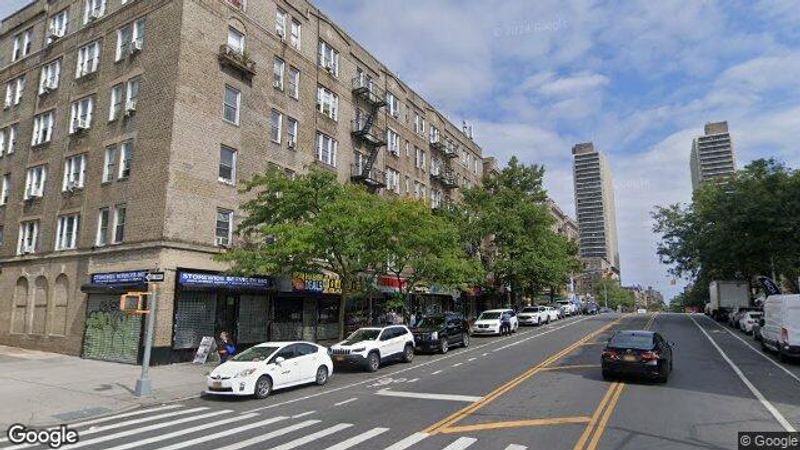
Washington Heights is defined by pre-war apartment buildings, many constructed between 1910 and 1940 along Fort Washington Avenue, Cabrini Boulevard, and Riverside Drive. These six- to fourteen-story elevator buildings typically offer generous layouts, high ceilings, and original prewar detail rarely found at comparable price points further south in Manhattan.
Notable buildings include the Castle Village complex on Cabrini Boulevard, five cruciform towers designed by George F. Pelham completed in 1939, and the Hudson View Gardens Tudor-style co-op complex from 1925, both offering river views and landscaped grounds. Smaller walk-up tenements dominate the blocks east of Broadway, while newer condo developments have appeared near 155th Street.
Unit types run from studios and one-bedrooms in older elevator buildings to sprawling three- and four-bedroom prewar co-ops well suited to families. Co-ops outnumber condos significantly here, meaning board approval and financial disclosure are standard for buyers, and our licensed brokerage network guides clients through these often lengthy application processes.
Prices and Rents
Washington Heights remains one of Manhattan's more accessible submarkets. Approximate 2026 figures, subject to market conditions, show co-op studios starting near $180,000 and one-bedroom co-ops ranging from $280,000 to $420,000. Condos, where available, command a premium of roughly 20 to 30 percent over comparable co-op units due to fewer board restrictions.
Rental demand stays strong given proximity to hospitals and universities. A one-bedroom rental typically runs $2,000 to $2,600 per month, while larger prewar three-bedrooms with river views can reach $3,800 to $4,500. Our team in New York notes that pricing varies significantly between the Fort Washington Avenue corridor and blocks closer to Broadway.
| Neighborhood | 1BR Co-op/Condo Sale | 1BR Monthly Rent | Price per Sq Ft |
|---|---|---|---|
| Washington Heights | $280,000–$420,000 | $2,000–$2,600 | $650–$850 |
| Hamilton Heights | $350,000–$500,000 | $2,300–$2,900 | $750–$950 |
| Upper West Side | $650,000–$1,100,000 | $3,200–$4,200 | $1,100–$1,500 |
| Inwood | $260,000–$390,000 | $1,900–$2,400 | $600–$780 |
Approximate Washington Heights Prices vs. Comparable Manhattan Areas (2026, subject to market conditions)
Compared to the Upper West Side or Morningside Heights, Washington Heights offers a discount of 30 to 45 percent on a per-square-foot basis. This gap has narrowed slightly in recent years as renovation activity increases, but the neighborhood still represents one of the more attractive entry points for long-term appreciation on the island of Manhattan.
Daily Life and Transit
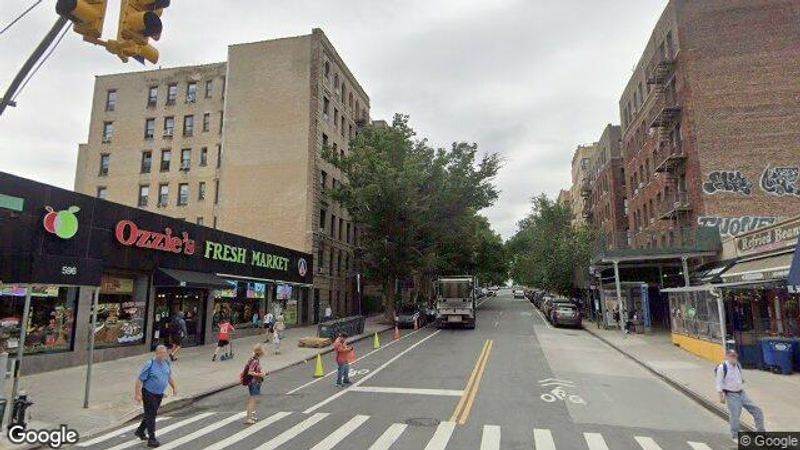
Transit access centers on the A train, an express service that reaches 59th Street in roughly 20 minutes and Midtown in under 30, alongside the local 1 train serving 168th, 175th, 181st, and 191st Street stations. The A express stop at 175th Street is a genuine commuter advantage overseas buyers often underestimate.
Daily life revolves around Broadway's grocers, bakeries, and Dominican restaurants, supplemented by larger supermarkets and the Fort Tryon Park farmers market. Fort Tryon Park and the adjacent Cloisters museum offer significant green space and cultural draw, while Highbridge Park and Bennett Park serve the southern and eastern blocks respectively.
| Subway Line | Key Stations | Destination | Approx. Commute Time |
|---|---|---|---|
| A (express) | 175th St, 181st St | 59th St / Columbus Circle | 18–22 min |
| 1 (local) | 168th, 175th, 181st, 191st | Times Square | 25–30 min |
| A/C | 168th St | Midtown West | 20–25 min |
| 1 | 168th St | Financial District | 40–45 min |
Transit and Commute Times from Washington Heights
Public schools in the district are mixed in quality, prompting many families to consider private options or the well-regarded Bard High School Early College further downtown. Healthcare access is a distinct advantage, with NewYork-Presbyterian/Columbia University Irving Medical Center anchoring the neighborhood's southern edge along Fort Washington Avenue.
Final Thoughts
Washington Heights suits buyers and renters prioritizing space, river views, and long-term value over immediate prestige. Families seeking prewar apartments with three or more bedrooms at a fraction of Upper West Side prices will find genuine opportunity here, particularly in co-op buildings along Cabrini Boulevard and Fort Washington Avenue.
It also appeals to those with ties to Columbia's medical campus or who value a 20-minute express commute to Midtown without downtown pricing. Our team in New York regularly places international clients into co-ops here specifically for this combination of space, transit, and appreciation potential relative to more saturated Manhattan submarkets.
It is not the right fit for buyers wanting new construction, doorman-heavy luxury towers, or immediate walkability to Manhattan's commercial core. Those clients are better directed toward the Upper West Side or Midtown. For patient, value-oriented investors, however, Washington Heights remains one of Manhattan's more compelling long-term propositions.
Reinvent NY provides business consulting, operational support, and coordination services. Real estate services are provided through licensed professionals and applicable brokerage relationships. This article is for informational purposes only and does not constitute legal or investment advice.
Nearby neighbourhoods: West Village, Yorkville, Battery Park City. All Manhattan guides are indexed under New York neighbourhood guides.

Satoshi Onodera
Founder & CEO, Reinvent NY Inc.
Founded Reinvent NY in 2024. Providing relocation support from all over the world to America.
Ready to Get Started?
Our team in New York is ready to help with your visa, real estate, or relocation needs.
Schedule a ConsultationFrequently Asked Questions
Is Washington Heights a good investment in 2026?
Approximate pricing remains 30 to 45 percent below comparable Upper West Side units, subject to market conditions. Combined with express subway access and steady rental demand near hospitals and universities, it offers solid long-term appreciation potential for patient buyers.
Are most apartments co-ops or condos?
The majority of Washington Heights apartments are prewar co-ops, particularly in buildings like Castle Village and Hudson View Gardens. Condos exist but are less common, generally newer, and command a premium due to fewer board restrictions.
How long is the subway commute to Midtown?
The express A train from 175th Street reaches 59th Street/Columbus Circle in approximately 18 to 22 minutes. The local 1 train takes slightly longer, around 25 to 30 minutes to reach Times Square from stations like 168th or 181st Street.
What is the neighborhood's character like?
Washington Heights is a working-class, multigenerational neighborhood with strong Dominican-American roots, sometimes called Quisqueya Heights. It combines dense Broadway commercial blocks with quieter, leafier streets near Fort Tryon Park and the Hudson River.
Are there good schools in the area?
Public school quality varies across the district, and many families supplement with private options or look toward institutions like Bard High School Early College downtown. Buyers with school-age children should evaluate specific zoning carefully.
What kind of unit sizes are typically available?
Washington Heights offers everything from studios to spacious three- and four-bedroom prewar co-ops, with generous layouts and high ceilings common in buildings from the 1910s through 1940s, particularly along Fort Washington Avenue and Cabrini Boulevard.
Who should avoid buying in Washington Heights?
Buyers seeking new luxury construction, full-service doorman towers, or immediate proximity to Manhattan's downtown commercial core will likely be better served by the Upper West Side, Midtown, or Financial District instead.
Real Estate Guides & Data
More guides
- Deeds, Title and Recording: Proof You Own It
- US Estate Tax for Non-Residents: The $60,000 Exemption
- NYC Flip Tax: The Co-op Fee Due When You Sell
- Board and Building Disputes: When Owners Disagree
- Buying Property in New York: The Twelve Steps
- Leasing Your NYC Condo: From Closing to First Tenant
Related Articles
NYC Co-op Flip Tax: Structures, Costs, and Who Pays
A NYC co-op flip tax is a transfer fee paid to the building, not to the city. The four common structures, what each costs on a $1,000,000 sale, and who pays.
15 Central Park West: The Building That Changed the Rules
Robert A.M. Stern's limestone condominium proved a new building could sell like a prewar one. What that means for a buyer, and what to check first.
Hamilton Heights NYC Real Estate Guide 2026
Our 2026 guide to Hamilton Heights covers boundaries, pre-war housing stock, prices, rents, transit, and who this Manhattan neighborhood truly suits.
53 West 53rd: The MoMA Tower, and What It Asks of a Buyer
Jean Nouvel's tower above the Museum of Modern Art: the diagonal structure that enters some apartments, and what an overseas buyer should check first.