15 Central Park West: The Building That Changed the Rules
15 Central Park West did something no glass tower has managed: it made a new building trade like an old one. Robert A.M. Stern's limestone condominium, completed in 2008, borrowed the proportions, setbacks and materials of New York's prewar apartment houses — and then offered them with condominium flexibility that the actual prewar buildings could not.
That combination is why the building is still discussed as a turning point. Let's look at what it means for someone buying there now.
1. What the Building Is
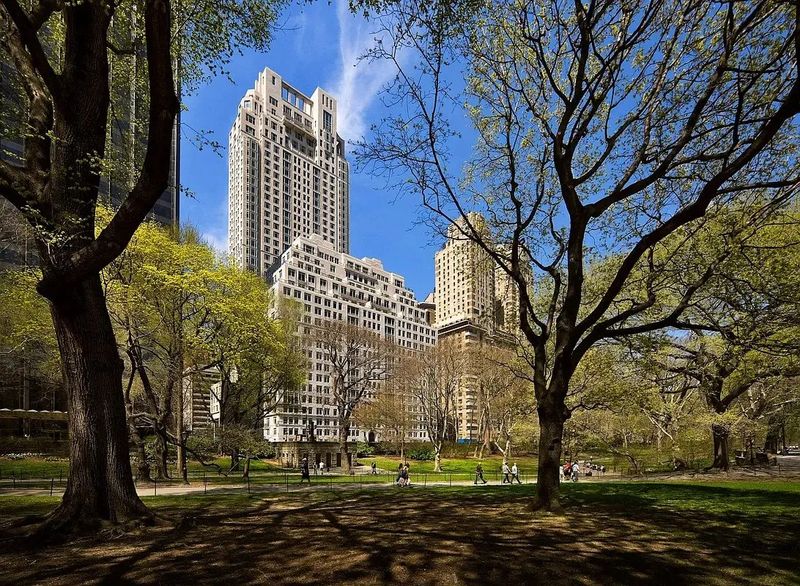
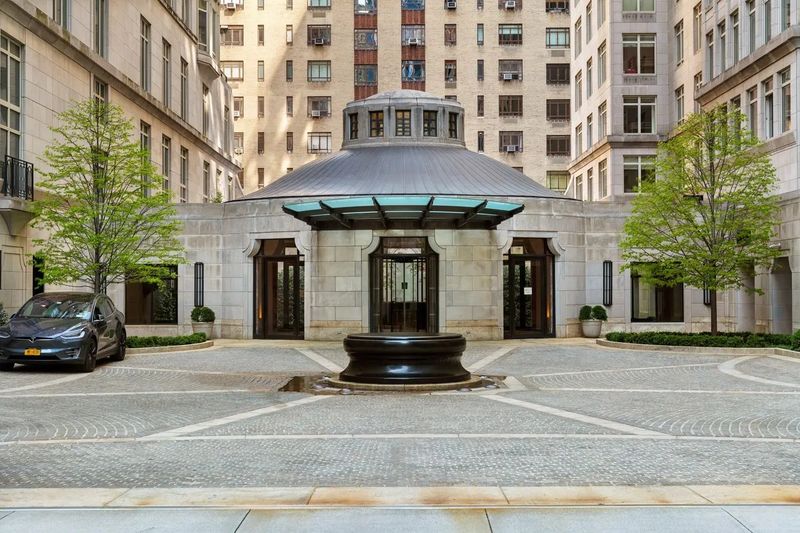
Two structures, a tower and a lower house section around a courtyard, both clad in limestone rather than glass. Stern's argument was that New York's most durable residential architecture was prewar, and that a new building should compete with it on its own terms rather than by being modern.
The commercial insight underneath the aesthetic one was sharper. Manhattan's prewar limestone buildings on Fifth and Park Avenues are almost entirely cooperatives, with boards that vote on buyers and frequently decline non-residents. 15 Central Park West offered the same visual language as a condominium.
| Attribute | Detail |
|---|---|
| Address | 15 Central Park West, Manhattan |
| Completed | 2008 |
| Architect | Robert A.M. Stern Architects |
| Cladding | Limestone |
| Configuration | Tower and house sections around a courtyard |
| Ownership | Condominium |
| Board approval | Right of first refusal only |
Building facts. Unit-level figures — size, charges, tax, exposure — must be obtained for the specific apartment.
The location is on Google Maps here, facing the park at the southwestern corner.
2. Why the Condominium Structure Mattered So Much
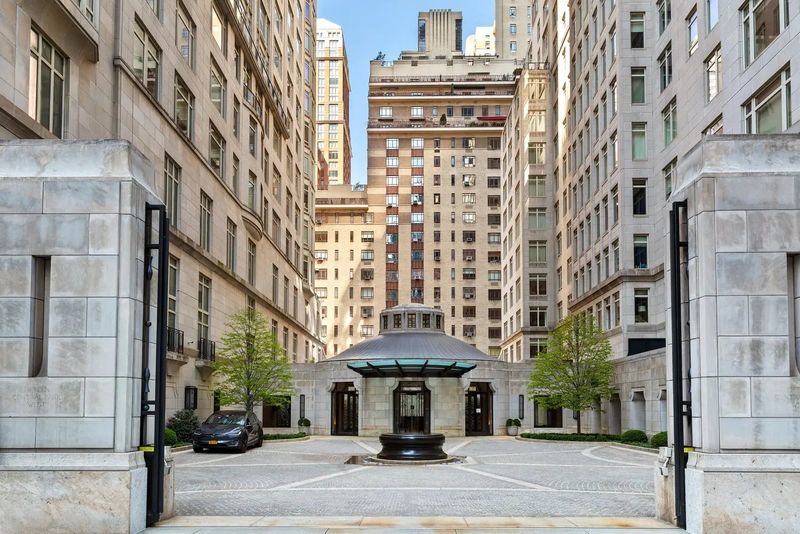
For an international buyer this is the central point. Three quarters of Manhattan's apartment stock is cooperative, and much of the prewar limestone inventory that 15 Central Park West resembles is effectively closed to non-resident purchasers, entity ownership and subletting.
By delivering that architecture as a condominium, the building opened a category to buyers who could not access it before. That was worth a great deal in 2008 and it remains worth a great deal now — the constraint it removed has not gone away in the buildings around it.
Our condo or co-op guide for overseas buyers sets out exactly what a cooperative would have required instead, and why the difference decides most international searches before any viewing.
3. How Resale Has Behaved
The building sold into the teeth of the financial crisis and its resale record afterwards became one of the most cited datasets in Manhattan. It is also the reason to be careful with any general claim about it: what happened to a specific line, on a specific floor, in a specific year is knowable, and the building-wide narrative is not a substitute for it.
Closed sale prices are public record in New York. For an apartment here the useful comparison is the same line a few floors apart, closed within the last eighteen months — which holds the exposure, the charges and the tax constant.
Bring those figures to the negotiation rather than an opinion about the building's reputation. Our negotiation guide covers what actually moves a seller at this level.
4. Buying Here as an Overseas Purchaser
Procedurally straightforward, as with any condominium: no board approval vote, non-resident and entity ownership accepted, subletting far freer than in the cooperatives nearby. What requires attention is the arithmetic.
Mansion tax reaches 2.25% between $5 and $10 million and 3.25% above $10 million, charged on the whole price and paid by the buyer at closing. Common charges and property tax are separate — obtain both for the specific unit. And a building completed in 2008 is now well into its first real maintenance cycle, so the reserve balance and assessment history matter.
Settle ownership structure before contract: US estate tax reaches non-resident owners above a $60,000 exemption on US-situs assets. See our luxury purchase guide, building diligence guide and estate tax guide.
What the two sections actually differ on
The tower and the house sections are not interchangeable. The tower carries height and the wider park outlook; the house section trades that for a different scale, a courtyard relationship and, in many layouts, more generous room proportions at lower floors.
Buyers frequently arrive with a view preference and leave with a layout preference, or the reverse. Both are legitimate. What matters is deciding which you are buying rather than assuming the building delivers one experience throughout.
A building now well into its maintenance cycle
Completed in 2008, this is no longer a new building. Facade, mechanical systems and common areas are into the phase where real capital planning matters, and the reserve fund and assessment history are live questions rather than theoretical ones.
Ask for two years of audited financial statements, the reserve balance in dollars, the assessment history and two years of board minutes. Minutes are the most revealing document and the most often skipped, particularly in buildings buyers arrive already admiring.
Final Thoughts: The Argument It Won
Much of the limestone-and-proportion architecture built in Manhattan since 2008 exists because 15 Central Park West demonstrated the market would pay for it. For a buyer today the building is not a novelty but an established one, and the questions are ordinary: which apartment, what exposure, what the reserve holds, and what the charges and tax actually are.
We cover Manhattan's buildings regularly on Satoshi Onodera's YouTube channel and on Instagram. If a specific line here is in view, talk to our team and we will obtain the financials and comparables before you view. Real estate brokerage services are provided through licensed professionals.
For an international buyer the strategic point is worth restating plainly. The prewar buildings this one imitates are largely closed to you: cooperative boards that vote, decline without reasons, and frequently prohibit non-resident ownership outright. 15 Central Park West offers the same architectural language without that constraint, and that is a structural advantage rather than a matter of taste.
There is also a lesson here that travels beyond this address. When a building becomes famous for its resale record, buyers start paying for the reputation rather than for the apartment, and the two can diverge sharply within the same building. A lower floor with an obstructed outlook in a celebrated building is still a lower floor with an obstructed outlook.
The discipline is the same as anywhere: read the financials, price the specific line against its own comparables, and decide what you would pay before the conversation starts. Reputation is a reason to look at a building. It is not a valuation.
Reinvent NY provides business consulting, operational support, and coordination services. Legal advice and immigration filings are handled by independent licensed attorneys. Real estate services are provided through licensed professionals and applicable brokerage relationships. This article is for informational purposes only and does not constitute legal or investment advice.

Satoshi Onodera
Founder & CEO, Reinvent NY Inc.
Founded Reinvent NY in 2024. Providing relocation support from all over the world to America.
Ready to Get Started?
Our team in New York is ready to help with your visa, real estate, or relocation needs.
Schedule a ConsultationFrequently Asked Questions
Where is 15 Central Park West?
15 Central Park West, on the Upper West Side between 61st and 62nd Streets, facing Central Park. The location is on [Google Maps](https://maps.google.com/?q=15+Central+Park+West+New+York).
Who designed it?
Robert A.M. Stern Architects. The building is clad in limestone rather than glass, with proportions and setbacks drawn from New York's prewar apartment houses.
When was it completed?
2008. It arrived just as the financial crisis broke, which makes its subsequent performance more notable rather than less.
Is it a condominium or a co-op?
A condominium — which was central to its commercial argument. It offered prewar architecture with condominium flexibility, a combination the Upper West Side did not previously have at this level.
Why is this building significant?
It established that a new building could command prewar prices by looking and behaving like one. Much of the limestone-and-proportion architecture built in Manhattan since follows the argument it made.
Can an overseas buyer purchase here?
Yes. As a condominium there is no board approval vote, and non-resident and entity ownership are accepted — unlike most of the prewar co-ops it was designed to resemble.
What should I check before buying?
The specific apartment's exposure and light, the building's financial statements, reserve balance and minutes, and the actual common charges and property tax for that unit.
Real Estate Guides & Data
More guides
- Studios and One-Beds: The Investor's Entry Units
- Title Search and Title Insurance in the US
- Tax on US Property: Buying, Holding and Selling
- View and Floor Premiums: Paying for Light and Sky
- Buying US Property From Japan: The Specific Path
- NYC Appraisals: When the Bank's Number Differs
Related Articles
Inwood Manhattan Real Estate Guide 2026
Our 2026 guide to buying and renting in Inwood, Manhattan: buildings, prices, transit, and schools for overseas buyers considering Upper Manhattan.
NYC Co-op Flip Tax: Structures, Costs, and Who Pays
A NYC co-op flip tax is a transfer fee paid to the building, not to the city. The four common structures, what each costs on a $1,000,000 sale, and who pays.
Washington Heights NYC Real Estate Guide 2026
Our 2026 guide to Washington Heights, Manhattan covers boundaries, housing stock, prices, rents, transit, and schools for overseas buyers and renters.
Hamilton Heights NYC Real Estate Guide 2026
Our 2026 guide to Hamilton Heights covers boundaries, pre-war housing stock, prices, rents, transit, and who this Manhattan neighborhood truly suits.