Central Park South NYC Real Estate Guide 2026
What Central Park South Actually Is
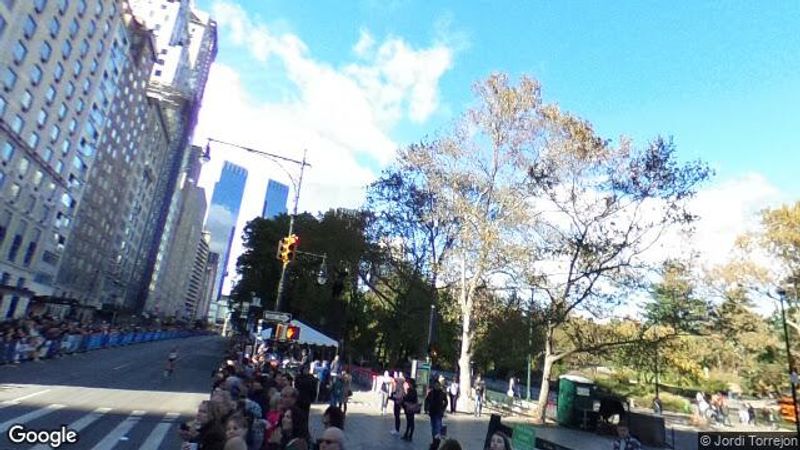
Central Park South refers to the stretch of 59th Street running from Columbus Circle to Fifth Avenue, forming the southern edge of Central Park. Our team in New York treats this as one of Manhattan's smallest but most concentrated luxury corridors, defined by unobstructed park frontage and a wall of pre-war towers facing directly onto the greenery.
The strip developed in the 1920s and 1930s as hoteliers and developers raced to capture park views, producing a skyline of setback towers rather than a residential grid. Unlike the Upper East Side or Tribeca, this is a single-street neighborhood by design, sandwiched between Midtown commerce to the south and the park itself, with no room for expansion.
Character here is formal and hospitality-adjacent: doormen in uniform, hotel-branded residences, and a mix of full-time owners, part-time occupants, and short-stay guests. Our licensed brokerage network finds that clients drawn to Central Park South want proximity to Midtown business districts and park access more than neighborhood texture, which is thinner here than in nearby Lincoln Square.
The Housing Stock
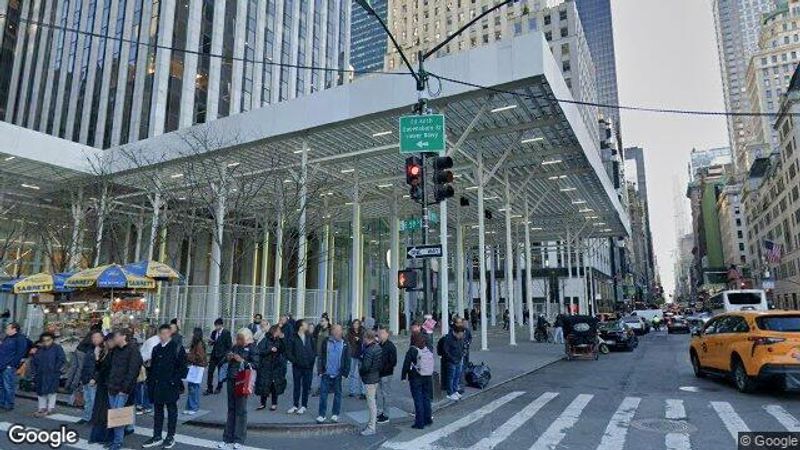
The Essex House, a 1931 Art Deco tower at 160 Central Park South, remains a landmark mix of hotel rooms and private residences. Nearby, One57, designed by Christian de Portzamparc and completed in 2014, introduced ultra-luxury glass condominiums with full-floor units, marking the arrival of contemporary supertall design to this historically pre-war streetscape.
The Plaza Hotel at 768 Fifth Avenue, technically anchoring the corridor's eastern end, includes private residences alongside hotel operations, a hybrid model repeated at several addresses. Older cooperative buildings, including sections of 200 Central Park South, offer classic six- and seven-room layouts with prewar moldings, while newer towers favor open floor plans and floor-to-ceiling glass.
Unit types split sharply between vintage cooperatives requiring board approval and financial disclosure, and newer condominiums offering more flexible ownership structures favored by international buyers. Our team in New York generally steers overseas clients toward condominium stock unless they have patience for cooperative board interviews, which can be lengthy and demanding for buyers without established New York financial histories.
Prices and Rents
Pricing on Central Park South sits among the highest in Manhattan, driven by unobstructed park views and limited inventory. Approximate resale figures, subject to market conditions, place one-bedroom condominiums between $1.8M and $3.5M, while larger park-facing units in towers like One57 can clear $10M to $30M depending on floor height and exposure.
Rentals follow a similarly steep curve. A one-bedroom in a full-service building typically runs $6,500 to $10,000 per month, with two-bedroom park-view units reaching $15,000 or higher. Cooperative sales at older addresses tend to price below the newest glass towers, reflecting differences in amenity packages, board flexibility, and renovation condition.
| Unit Type | Sale Price Range | Monthly Rent Range | Typical Building Era |
|---|---|---|---|
| Studio | $900K – $1.6M | $4,500 – $6,500 | Pre-war hotel conversion |
| 1-Bedroom | $1.8M – $3.5M | $6,500 – $10,000 | Pre-war or 2010s tower |
| 2-Bedroom | $3.5M – $8M | $12,000 – $18,000 | Cooperative or condo |
| 3-Bedroom+ | $8M – $20M+ | $20,000 – $40,000+ | Full-floor condo tower |
| Penthouse | $25M – $60M+ | $50,000+ | Supertall glass tower |
Approximate Central Park South pricing by unit type, 2026 (subject to market conditions)
Our licensed brokerage network advises that carrying costs matter as much as purchase price: common charges and real estate taxes in the newest towers often exceed $8,000 to $15,000 monthly. Buyers should budget accordingly, since headline sale prices rarely capture the full ownership cost on this corridor.
Daily Life and Transit
Central Park South sits directly above the 59th Street–Columbus Circle station, served by the A, B, C, D, and 1 trains, with the N, Q, R, and W lines reachable at 57th Street–Seventh Avenue. Most residents reach Midtown offices or Fifth Avenue shopping within ten minutes on foot, making car dependence unnecessary for daily errands.
Grocery options are limited within the immediate blocks; residents typically walk to Whole Foods at Columbus Circle or use grocery delivery services common among luxury buildings. Schools are not zoned within this narrow strip itself, so families usually look toward Upper West Side or Midtown private institutions, and buildings here skew toward couples and older residents.
| Amenity | Location | Distance/Time | Notes |
|---|---|---|---|
| 59 St–Columbus Circle Station | 8th Ave & 59th St | 0–5 min walk | A, B, C, D, 1 trains |
| 57 St–7 Ave Station | 7th Ave & 57th St | 5–8 min walk | N, Q, R, W trains |
| Whole Foods | 10 Columbus Circle | 5–10 min walk | Primary grocery option |
| Central Park entrances | 59th St at 5th/6th/7th/8th Ave | 0–2 min walk | Multiple direct access points |
| Midtown offices (Plaza District) | 5th & 6th Ave corridor | 10–15 min walk | Common commute destination |
Transit and daily-life reference points near Central Park South
Central Park itself functions as the neighborhood's primary outdoor amenity, with immediate access to the Pond, Wollman Rink, and the Mall. Our team in New York notes that residents rely heavily on walking and taxis rather than buses, given the corridor's compact footprint and dense subway coverage just steps away.
Final Thoughts
Central Park South suits buyers and tenants who prioritize park frontage, hotel-style service, and proximity to Midtown business over neighborhood community feel. It works well for pied-à-terre owners, executives needing a short commute, and those who value white-glove amenities over local shopfronts and street-level neighborhood texture.
It suits less well families needing nearby schools, buyers seeking value per square foot, or anyone wanting a walkable retail high street. Cooperative board processes can also frustrate buyers unfamiliar with New York's approval norms, and carrying costs at the top end are substantial regardless of headline purchase price.
Our team in New York generally recommends Central Park South to clients whose priorities are location, prestige, and park access above all else. For those seeking broader lifestyle amenities or long-term family infrastructure, our licensed brokerage network typically points toward Lincoln Square or the Upper East Side instead.
Reinvent NY provides business consulting, operational support, and coordination services. Real estate services are provided through licensed professionals and applicable brokerage relationships. This article is for informational purposes only and does not constitute legal or investment advice.
Nearby neighbourhoods: Chelsea, Chinatown, Columbus Circle. All Manhattan guides are indexed under New York neighbourhood guides.

Satoshi Onodera
Founder & CEO, Reinvent NY Inc.
Founded Reinvent NY in 2024. Providing relocation support from all over the world to America.
Ready to Get Started?
Our team in New York is ready to help with your visa, real estate, or relocation needs.
Schedule a ConsultationFrequently Asked Questions
What are the boundaries of Central Park South?
Central Park South refers specifically to 59th Street between Columbus Circle and Fifth Avenue, forming the southern border of Central Park. It is one of Manhattan's narrowest defined neighborhoods, essentially a single continuous street of towers facing the park.
Are Central Park South units mostly co-ops or condos?
Both exist. Older pre-war buildings, including parts of 200 Central Park South, operate as cooperatives with board approval requirements, while newer towers like One57 are condominiums, generally preferred by international buyers seeking fewer ownership restrictions.
How much does a one-bedroom cost on Central Park South?
Approximate resale prices, subject to market conditions, run $1.8M to $3.5M for a one-bedroom, with rentals typically between $6,500 and $10,000 monthly depending on building, floor, and park exposure.
Which subway lines serve Central Park South?
The 59th Street–Columbus Circle station offers A, B, C, D, and 1 train service, while the N, Q, R, and W trains are accessible a few blocks east at 57th Street–Seventh Avenue, giving strong Midtown and cross-borough connectivity.
Is Central Park South good for families?
Not particularly. The corridor has no zoned schools within its immediate blocks, and the residential mix skews toward couples, executives, and part-time owners rather than families, who typically look toward the Upper West Side instead.
What building eras dominate Central Park South?
The strip is defined by 1920s–1930s Art Deco towers like the Essex House, alongside newer 21st-century glass supertalls such as One57, creating a visible contrast between pre-war masonry and contemporary curtain-wall construction along the same street.
Why are carrying costs so high on Central Park South?
Newer towers carry substantial common charges and real estate taxes, often $8,000 to $15,000 monthly, reflecting extensive amenity packages, full-service staffing, and premium construction. Buyers should factor these costs alongside purchase price when budgeting.
Real Estate Guides & Data
More guides
- Tax Treaties and US Property: Avoiding Double Taxation
- Trusts and US Property: The Structures Behind the Names
- US Real Estate Investing: Yields, Taxes and How to Buy
- Walk-Up vs Doorman Buildings: The Service Premium
- 1031 Exchanging Into NYC: Trading Up to Manhattan
- Assessed vs Market Value: Why the City's Number Differs
Related Articles
111 West 57th Street: Steinway Tower, and What It Costs
Steinway Tower at 111 West 57th Street: the slenderest tower in the world, built above Steinway Hall, and what a residence in it costs to buy and to hold.
Columbus Circle NYC Real Estate Guide 2026
Our team in New York breaks down Columbus Circle real estate for 2026: buildings, prices, rents, transit, and who this Manhattan address truly suits.
432 Park Avenue: The Tower That Tested a Thesis
Rafael Vinoly's square-windowed supertall on Park Avenue: what the building is, what its owners have learned about slender towers.
Yorkville Manhattan Real Estate Guide 2026
An authoritative 2026 guide to buying and renting in Yorkville, Manhattan — housing stock, prices, transit, and who this Upper East Side pocket suits.