The Plaza Residences: Living in a New York Institution
The Plaza is not a building that needs introducing. Opened in 1907 at the southeastern corner of Central Park, the French Renaissance style hotel is a designated New York City landmark and one of the few addresses in the city that carries recognition worldwide without explanation.
Part of it now houses private residences. For a buyer that history is both the product and the complication, and the questions are the same as in any landmark conversion — asked with more care rather than less.
1. What the Building Is
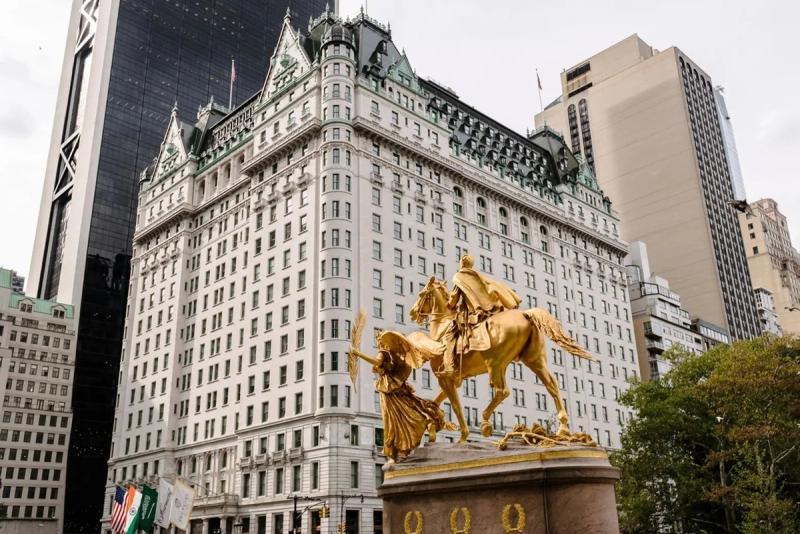
A landmark, inside and out. The exterior and certain interior spaces are protected, which constrains what any conversion can do and what an owner may later change. That constraint is precisely what preserves the building's character, and it carries obligations the condominium funds.
The site is the other half of the argument. The park's southeastern corner is fixed supply in a way that height is not — a taller tower can always be built, but this corner has been occupied by this building since 1907 and will not be occupied by anything else.
| Attribute | Detail |
|---|---|
| Location | Fifth Avenue at Central Park South |
| Opened | 1907 |
| Style | French Renaissance |
| Status | Designated New York City landmark |
| Uses | Hotel and private residences |
| Residences held as | Condominium units |
| Board approval | Right of first refusal only |
Building facts. Ownership form, unit size, charges and tax must be confirmed for the specific residence and its documents.
The location is on Google Maps here, at the corner where Fifth Avenue meets the park.
2. What a 1907 Structure Produces
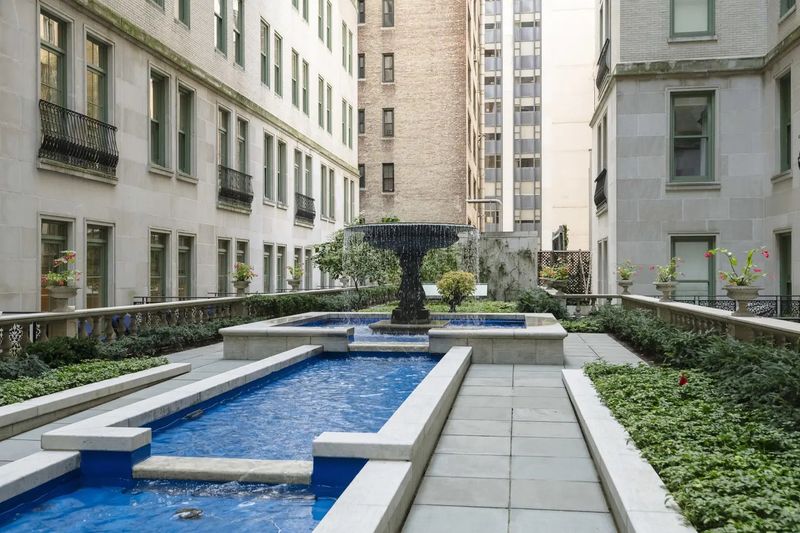
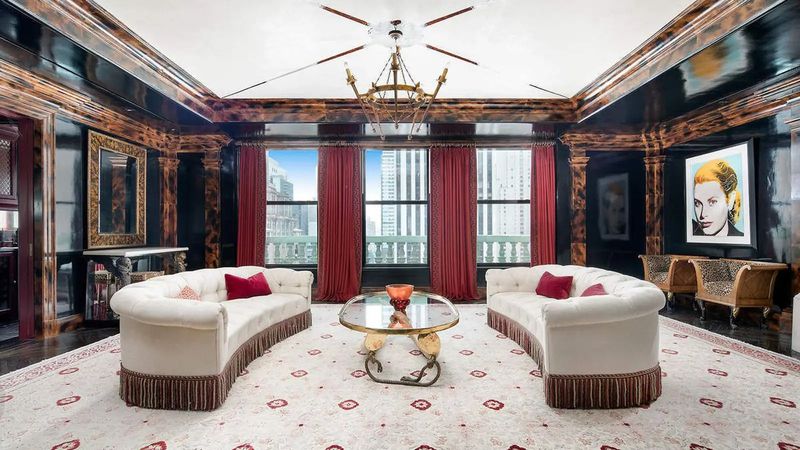
Ceiling heights and window proportions that new construction does not replicate, and variation between units that a purpose-built tower never has. In a modern building every floor repeats; here the apartments follow a structure designed for a different purpose entirely.
For some buyers that irregularity is the whole appeal. For others it means the floor plan does the work a brochure cannot, and the specific unit matters far more than anything said about the building as a whole.
Ask for room dimensions and ceiling heights measured on camera during a live walkthrough rather than taken from a plan — our remote viewing guide sets out the full checklist.
3. Sharing a Building With a Hotel
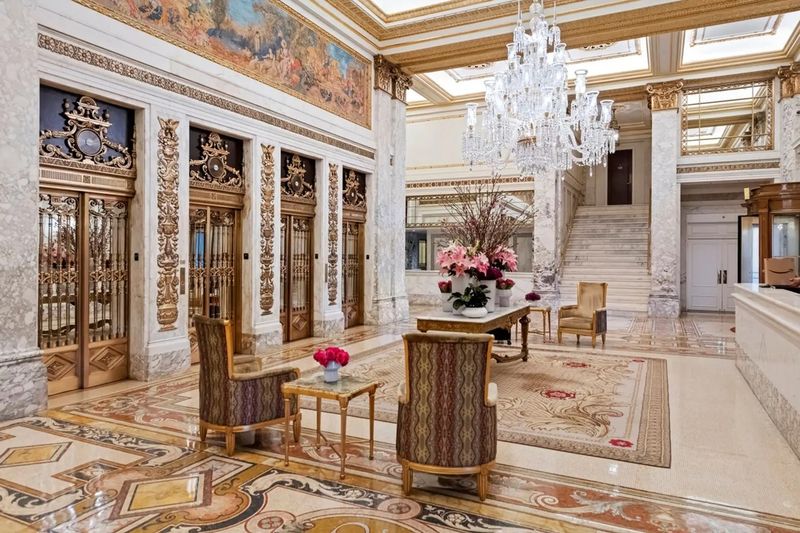
Mixed-use buildings work well when the boundary is clearly drawn and badly when it is not. Establish where residents enter, which lifts serve the residential floors, how deliveries and service access work, and how shared costs are allocated between the hotel and the condominium.
Those allocations sit in documents rather than in conversation, and they determine a meaningful share of what an owner pays monthly. Have your attorney identify precisely which costs the residential condominium bears.
Then the ordinary review: audited financial statements, the reserve balance in dollars, assessment history and two years of board minutes. Our building diligence guide covers it in full, and it applies here with added force.
4. Buying Here as an Overseas Purchaser
Condominium ownership imposes no citizenship requirement, and non-resident and entity purchasers are generally accepted — the structural reason international buyers can consider a building like this at all.
Mansion tax reaches 2.25% between $5 and $10 million and 3.25% above $10 million, charged on the whole price and paid by the buyer at closing. Common charges and property tax are billed separately and should both be obtained for the specific unit.
Settle ownership structure before contract; US estate tax reaches non-resident owners above a $60,000 exemption on US-situs assets. See our luxury purchase guide and estate tax guide.
What landmark status means for renovation
Owners in designated buildings cannot treat the interior as a blank canvas in the way a new-build purchaser can. Exterior elements and protected interior spaces are subject to approval processes, and even permitted work can require review before it begins.
Establish before contract what may and may not be altered in the specific unit, and what the building's own rules add on top of the landmark requirements. A renovation plan formed after purchase is an expensive way to discover a constraint that was knowable in advance.
Pricing a building with no true comparables
Valuation is harder here than in a tower where every floor repeats. Units vary in ceiling height, layout and outlook, so a price per square foot drawn from one apartment tells you less about another than it would in purpose-built construction.
Closed sale prices are public record in New York, and the useful exercise is to look at several units across the building and understand why they differ rather than averaging them. Where variation is the norm, an average is the least informative number available.
Final Thoughts: An Address That Predates Everything
A new tower earns its reputation from the day it opens. This building arrived with one already made, and it occupies a corner nobody can build on again. For a buyer who values that permanence, the towers rising a few blocks west are not substitutes — and for a buyer who wants a clean modern floor plate with uninterrupted glass, this is the wrong building and its history does not change that.
We cover Fifth Avenue and Central Park South on Satoshi Onodera's YouTube channel and on Instagram. If a residence here is in view, talk to our team and we will read the documents and the carrying costs first. Real estate brokerage services are provided through licensed professionals.
For an international buyer there is a further point. Recognition reduces the explanation required at resale — a purchaser in another country who has never visited New York knows what this building is. That widens the eventual buyer pool in a way few addresses can match, and it is a commercial characteristic rather than a sentimental one.
There is one further consideration specific to buildings this famous. Public interest in the address does not stop at the door, and a purchaser who values privacy should ask directly how residential access is separated from the hotel and from the retail spaces at street level.
That is an answerable question with a specific answer in this building, and it is worth asking before viewing rather than after. For some buyers the answer is the reason to proceed and for others it is the reason not to.
For a buyer weighing the landmark conversions against each other — this building, the Crown Building and the Waldorf on Park Avenue — the differences are scale, location and the specific hotel relationship rather than the underlying proposition. All three offer a historic structure with a service model attached, and all three require the same document review before an offer.
Reinvent NY provides business consulting, operational support, and coordination services. Legal advice and immigration filings are handled by independent licensed attorneys. Real estate services are provided through licensed professionals and applicable brokerage relationships. This article is for informational purposes only and does not constitute legal or investment advice.
More buildings worth knowing: Central Park Tower, Mandarin Oriental Fifth Avenue Residences, One57. The full set is indexed under New York building profiles.
Satoshi Onodera
Founder & CEO, Reinvent NY Inc.
Founded Reinvent NY in 2024. Providing relocation support from all over the world to America.
Ready to Get Started?
Our team in New York is ready to help with your visa, real estate, or relocation needs.
Schedule a ConsultationFrequently Asked Questions
Where is The Plaza?
Fifth Avenue at Central Park South, at the park's southeastern corner. The location is on [Google Maps](https://maps.google.com/?q=The+Plaza+Hotel+New+York).
What is the building?
A French Renaissance style hotel opened in 1907 and designated a New York City landmark. Part of the building was converted to private residences alongside the continuing hotel operation.
Are the residences condominiums?
The private residences are held as condominium units. As always, confirm the specific ownership form and the documents for the unit you are considering.
What does landmark status mean for owners?
Exterior work and designated interior spaces are subject to approval processes, and the resulting obligations are funded by the condominium. Ask how they appear in the budget and reserve study.
How do the layouts compare with a new building?
They follow a 1907 structure. Ceiling heights, window positions and room proportions vary considerably between units, so the specific apartment matters far more than any building average.
Can an overseas buyer purchase here?
Condominium ownership imposes no citizenship requirement and generally accepts non-resident and entity purchasers. Confirm the position for the specific unit and its documents.
What should I confirm first?
The boundary with the hotel operation, the reserve balance and assessment history, landmark obligations, and the actual charges and property tax for the unit.
Real Estate Guides & Data
More guides
- Average HOA Fees in NYC and Manhattan — 2,970 Buildings
- Off-Market Property: Why Search Portals Stop Working
- Pets and NYC Buildings: Policies, Rights, and Realities
- Insuring a US Property: Home, Flood, Landlord
- Rate Locks, Points, and Credits: The Mortgage's Fine Print
- Renovation Budgets in NYC: Real Numbers, Real Buffers
Related Articles
Prospect Heights Brooklyn Real Estate Guide 2026
An expert 2026 guide to Prospect Heights, Brooklyn: boundaries, housing stock, prices, rents, transit, and schools for international buyers and renters.
421-a Tax Abatement: A 2026 Guide for NYC Condo Buyers
How the 421-a tax abatement phases out, what it does to a NYC condo's monthly carry and resale price, and exactly what to verify before you sign.
Park Slope Brooklyn Real Estate Guide 2026
An expert 2026 guide to Park Slope, Brooklyn real estate: brownstone blocks, prices, rents, transit, and schools for international buyers and renters.
Boerum Hill Real Estate Guide 2026
A 2026 buyer's and renter's guide to Boerum Hill, Brooklyn: boundaries, brownstones, prices, transit, and who this refined townhouse district truly suits.