Park Slope Brooklyn Real Estate Guide 2026
What Park Slope Actually Is
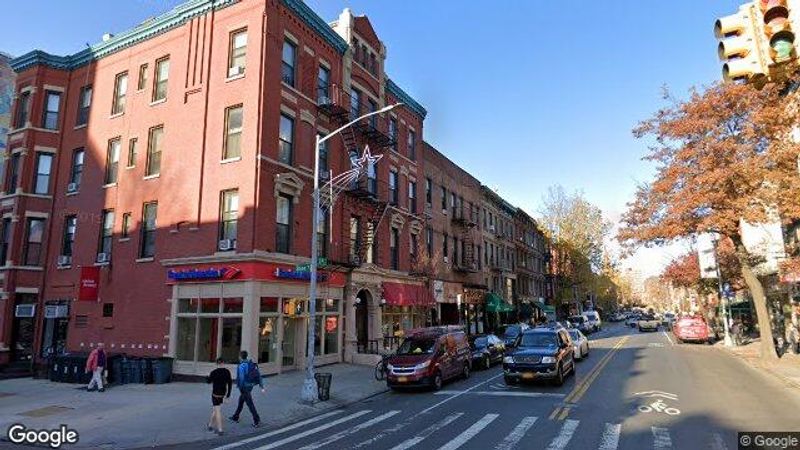
Park Slope sits in western Brooklyn, bounded by Prospect Park to the east, Fourth Avenue to the west, Flatbush Avenue to the north, and Prospect Expressway to the south. Our team in New York considers it Brooklyn's benchmark brownstone neighborhood, built primarily between 1870 and 1910 as a streetcar suburb for Manhattan's professional class.
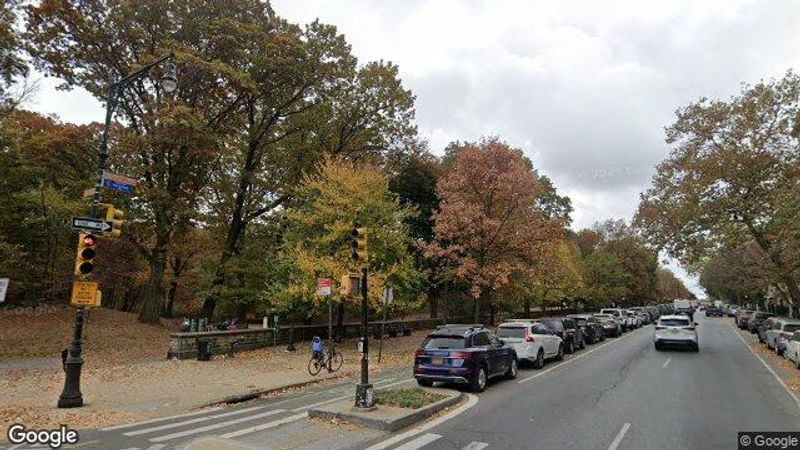
The neighborhood's identity was shaped by its proximity to Prospect Park, designed by Frederick Law Olmsted and Calvin Vaux, and by the wealth of shipping and banking families who commissioned rowhouses along Prospect Park West. That 19th-century money produced unusually consistent, high-quality architecture across dozens of blocks that remain largely intact today.
Park Slope today divides informally into North Slope, closer to nightlife and transit hubs, and South Slope, quieter and more residential. Both halves share tree-lined streets, strong co-op and condo demand, and a resident base of longtime families, professionals, and an increasing number of international buyers seeking stable, appreciating assets.
The Housing Stock
Park Slope's core asset is the brownstone, typically a three- or four-story rowhouse built in Italianate, Romanesque Revival, or Renaissance Revival style. Prospect Park West and Montgomery Place contain some of Brooklyn's most celebrated examples, many designed by architects like C.P.H. Gilbert and Montrose Morris, who also worked in nearby Crown Heights.
Beyond single-family brownstones, the neighborhood offers pre-war co-op buildings along Eighth Avenue and Plaza Street, and a growing supply of condominiums, including conversions of former factories near Fourth Avenue and newer boutique developments like those along Bond Street. Unit types range from studios to full-floor brownstone parlor apartments with original detail.
Buyers should expect variation in mechanical systems and landmark restrictions, since much of Park Slope sits within the Park Slope Historic District, designated in 1973 and expanded in 2012. Renovation approvals go through the Landmarks Preservation Commission, which our licensed brokerage network partners help clients navigate before closing.
Prices and Rents
Park Slope commands some of Brooklyn's highest per-square-foot values, driven by limited brownstone supply and consistent demand. As of early 2026, approximate figures place condo pricing between $1,100 and $1,600 per square foot, with full brownstones ranging widely based on condition, lot size, and original detail retained.
Rental demand remains strong across unit types, particularly two- and three-bedroom apartments suited to families relocating from Manhattan. All figures below are approximate and subject to market conditions, current as of early 2026, and should be verified against active listings before any offer is prepared.
| Property Type | Typical Size | Sale Price Range (USD) | Monthly Rent Range (USD) |
|---|---|---|---|
| Studio Condo | 400-550 sq ft | $450,000-$650,000 | $2,600-$3,400 |
| 1-Bed Co-op/Condo | 600-800 sq ft | $650,000-$950,000 | $3,300-$4,300 |
| 2-Bed Condo | 900-1,200 sq ft | $1,000,000-$1,600,000 | $4,500-$6,000 |
| 3-Bed Brownstone Floor-Through | 1,300-1,700 sq ft | $1,600,000-$2,400,000 | $6,000-$8,500 |
| Full Brownstone | 3,000-4,500 sq ft | $3,000,000-$6,500,000 | N/A |
Approximate Park Slope Sale and Rental Ranges, Early 2026
Full brownstones on prime blocks such as Carroll Street or Montgomery Place regularly exceed $5 million, particularly with original parlor details and updated mechanicals. Our team in New York advises clients to budget separately for common charges or maintenance fees, which in prewar co-ops can run $1,500-$3,000 monthly.
Daily Life and Transit
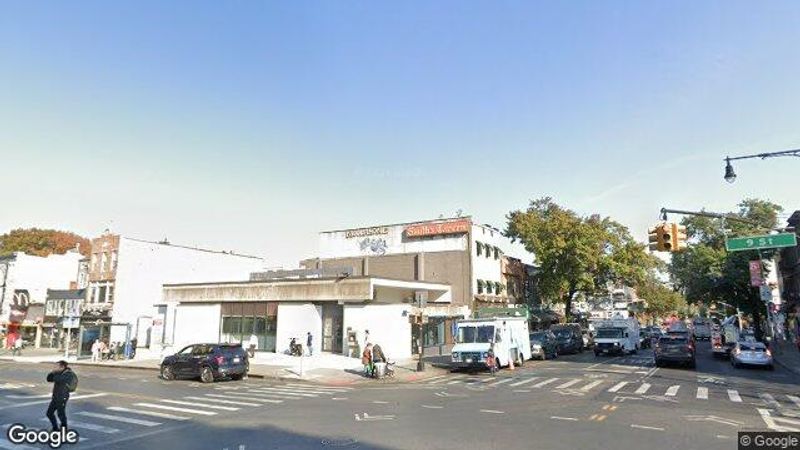
Transit access anchors Park Slope's appeal. The F and G trains stop at Seventh Avenue and Fourth Avenue-Ninth Street, while the 2, 3, and R trains serve Grand Army Plaza and Union Street. Commutes to Midtown Manhattan typically run 25-35 minutes, making the neighborhood practical for professionals working in Manhattan.
Daily errands center on Fifth and Seventh Avenues, home to the Park Slope Food Coop, specialty grocers, and independent retailers. Families gravitate toward zoned public schools including PS 321, widely regarded as one of Brooklyn's strongest elementary schools, alongside private options like Berkeley Carroll School on Lincoln Place.
| Subway Line | Key Station | Approx. Commute to Midtown | Nearby Amenity |
|---|---|---|---|
| F, G | 7th Ave | 30-35 min | Seventh Avenue shops |
| F, G | 4th Ave-9th St | 30-35 min | Fourth Avenue condos |
| 2, 3 | Grand Army Plaza | 25-30 min | Prospect Park entrance |
| R | Union St | 35-40 min | Park Slope Food Coop |
| B, Q | 7th Ave (Bwy line) | 30 min | Prospect Park West |
Park Slope Transit and Lifestyle Snapshot
Prospect Park itself functions as the neighborhood's shared backyard, offering the Long Meadow, a running loop, tennis courts, and the Prospect Park Zoo. Combined with reliable transit and strong schools, this infrastructure explains why families and professionals alike treat Park Slope as a long-term settling point rather than a stopover.
Final Thoughts
Park Slope suits buyers prioritizing architectural character, school quality, and long-term stability over newness or flash. Families relocating with children, and professionals who value a walkable, park-adjacent lifestyle with strong Manhattan transit links, tend to find the neighborhood matches expectations set by its reputation.
It suits less well those seeking ultra-modern high-rise amenities, doorman-heavy buildings, or nightlife-dense surroundings comparable to Manhattan's Meatpacking District or Williamsburg's waterfront. Brownstone living involves stairs, older mechanical systems, and landmark-driven renovation limits that some buyers find restrictive compared to newer condo product elsewhere in Brooklyn.
Our team in New York works directly with clients weighing Park Slope against comparable neighborhoods like Brooklyn Heights or Fort Greene, using our licensed brokerage network to source off-market brownstones and negotiate co-op board requirements. We recommend an in-person visit before committing capital to this market.
Reinvent NY provides business consulting, operational support, and coordination services. Real estate services are provided through licensed professionals and applicable brokerage relationships. This article is for informational purposes only and does not constitute legal or investment advice.
Nearby neighbourhoods: Prospect Heights, Red Hook, Sheepshead Bay. All Brooklyn guides are indexed under New York neighbourhood guides.

Satoshi Onodera
Founder & CEO, Reinvent NY Inc.
Founded Reinvent NY in 2024. Providing relocation support from all over the world to America.
Ready to Get Started?
Our team in New York is ready to help with your visa, real estate, or relocation needs.
Schedule a ConsultationFrequently Asked Questions
What are the exact boundaries of Park Slope?
Park Slope runs from Prospect Park on the east to Fourth Avenue on the west, and from Flatbush Avenue in the north to the Prospect Expressway in the south, covering roughly 1.5 square miles in western Brooklyn.
Is Park Slope mostly co-ops or condos?
Historically dominated by co-ops in prewar buildings along Eighth Avenue and Plaza Street, Park Slope has seen growing condo development near Fourth Avenue, though single-family brownstones remain the neighborhood's signature property type.
How competitive is the co-op board process here?
Park Slope co-op boards are generally rigorous, requesting detailed financial documentation and interviews. Our licensed brokerage network partners typically prepare buyers' packages carefully, as approval timelines can run four to eight weeks.
What is the Park Slope Historic District?
Designated in 1973 and expanded in 2012, it protects brownstone facades and streetscapes under Landmarks Preservation Commission review, meaning exterior renovations require approval, which affects timelines and costs for restoration projects.
Which schools matter most for families buying here?
PS 321 is the most sought-after zoned elementary school, driving premiums on nearby blocks. Berkeley Carroll School offers a well-regarded private alternative for families not tied to public school zoning.
How does Park Slope compare to Brooklyn Heights?
Park Slope offers more brownstone inventory and park proximity, while Brooklyn Heights provides waterfront views and a shorter Manhattan commute. Pricing is broadly comparable, with Brooklyn Heights slightly higher for prime harbor-facing units.
Are prices in Park Slope likely to keep rising?
Limited brownstone supply and consistent school-driven family demand have historically supported steady appreciation. Approximate figures for 2026 reflect current market conditions, though buyers should verify pricing with our team before finalizing any offer.
Real Estate Guides & Data
More guides
- NYC Contract Deposits: The 10% Between Offer and Close
- When a Property Owner Dies: The Family's First Steps
- Education-Adjacent Buying: Schools as Property Strategy
- What You Need for a First New York Purchase
- Energy Grades and Green Buildings: Efficiency as Value
- Long-Stay Options in NYC: Beyond the Hotel Bill
Related Articles
421-a Tax Abatement: A 2026 Guide for NYC Condo Buyers
How the 421-a tax abatement phases out, what it does to a NYC condo's monthly carry and resale price, and exactly what to verify before you sign.
The Plaza Residences: Living in a New York Institution
Private residences inside the Plaza at Fifth Avenue and Central Park South: what ownership includes, what the monthly carry covers, and how resale behaves.
Boerum Hill Real Estate Guide 2026
A 2026 buyer's and renter's guide to Boerum Hill, Brooklyn: boundaries, brownstones, prices, transit, and who this refined townhouse district truly suits.
Waldorf Astoria Residences: A Landmark, Reworked
The Waldorf Astoria's Park Avenue landmark now houses private residences alongside the hotel: what ownership includes and what the monthly carry covers.