Red Hook Brooklyn Real Estate Guide 2026
What Red Hook Actually Is
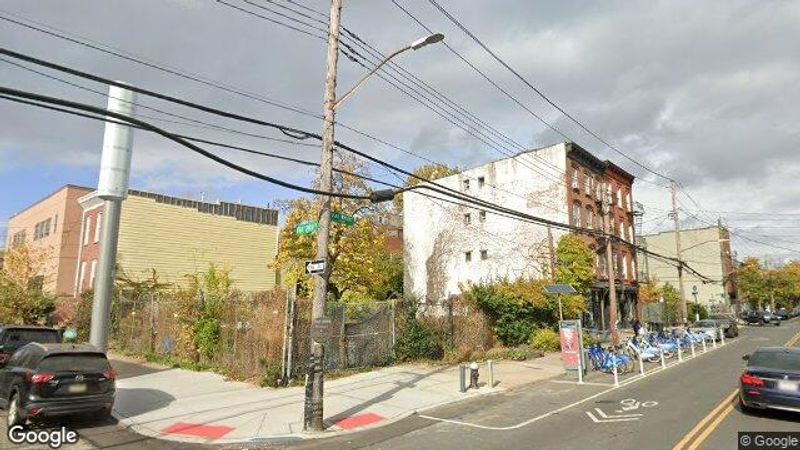
Red Hook sits on a peninsula in southwest Brooklyn, bounded by the Gowanus Bay, the Buttermilk Channel facing Governors Island, and the elevated BQE, which cuts it off from Carroll Gardens. Our team in New York treats Red Hook as one of the city's most distinct micro-markets: cobblestone streets, low-rise warehouses, and open harbor views rarely found this close to Manhattan.
The neighborhood's identity comes from its maritime past. It was one of the busiest ports in the United States through the mid-20th century, then declined for decades after container shipping moved to New Jersey. Artists and small manufacturers moved into the empty warehouses in the 1990s, setting the tone that still defines Red Hook today.
Since the 2010s, gentrification has proceeded unevenly, slowed by isolation from subway lines and by Hurricane Sandy's 2012 flooding, which hit the low-lying waterfront hard. What remains is a neighborhood of roughly 11,000 residents, still gritty at the edges, increasingly attractive to buyers who want scale, light, and water views rather than density.
The Housing Stock
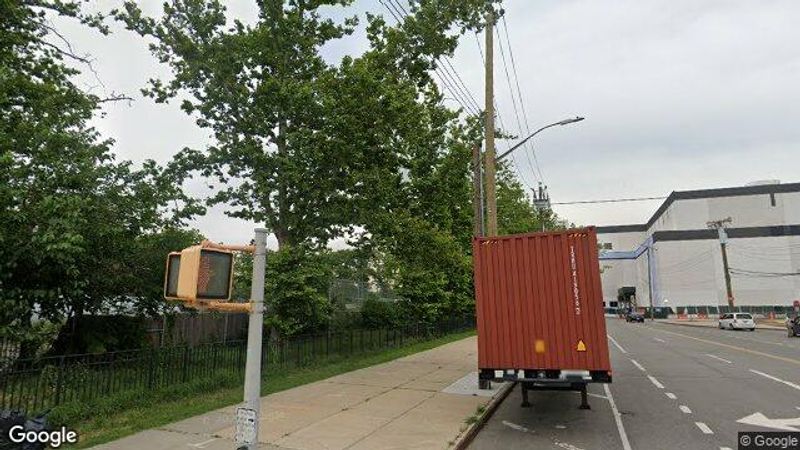
Red Hook's housing mixes 19th-century rowhouses, converted industrial buildings, and a scattering of newer construction. Van Brunt Street and Dikeman Street hold well-preserved brick and frame rowhouses from the 1840s–1870s, many built for dockworkers and ship captains, now selling as single-family homes or two- and three-unit conversions with private gardens.
The signature building type is the converted warehouse loft. Beard and Robinson Buildings near the waterfront, along with former coffee and grain warehouses on Conover and Van Dyke Streets, have been adapted into raw, high-ceilinged residential and live-work units. Fairway Court and smaller boutique conversions offer larger footprints than typical Brooklyn apartments, often exceeding 1,500 square feet.
Newer development remains limited compared to Williamsburg or Gowanus, partly due to flood-zone regulations after Sandy. Most new projects are low-rise, four- to six-story buildings with elevators and parking, aimed at buyers wanting modern systems without sacrificing Red Hook's low-density character. Co-ops are rare here; most transactions involve condos, townhouses, or multi-family buildings.
Prices and Rents
Red Hook remains one of the more affordable waterfront-adjacent neighborhoods in Brooklyn, though prices have risen steadily since 2020. Approximate figures, subject to market conditions, put townhouses between $1.5 million and $3.5 million depending on width, condition, and flood mitigation work, while condo lofts in converted warehouses run from $900,000 to $2.2 million.
Rental demand is driven by artists, creative professionals, and remote workers seeking space and character over subway convenience. Rent stabilization is uncommon here given the housing stock's age and conversion history, so most units trade at market rate, with landlords weighing flood insurance costs into pricing more than in inland Brooklyn neighborhoods.
| Unit Type | Sale Price Range | Rent Range (Monthly) | Notes |
|---|---|---|---|
| Studio/1BR condo | $550,000 – $900,000 | $2,600 – $3,400 | Often in converted lofts |
| 2BR condo/co-op | $900,000 – $1.6M | $3,400 – $4,800 | Larger square footage typical |
| Rowhouse (single-family) | $1.8M – $3.2M | N/A | Van Brunt, Dikeman, Coffey Streets |
| Multi-family townhouse | $2M – $3.8M | $5,000+ per unit rented | Common investor purchase |
| Warehouse loft | $1M – $2.2M | $3,800 – $5,500 | High ceilings, large open plans |
Red Hook approximate sale and rental prices, 2026 (subject to market conditions)
Compared to Carroll Gardens or Cobble Hill, Red Hook offers roughly 20–30% savings on comparable square footage, a gap our team attributes directly to transit isolation. Buyers willing to accept a longer commute gain meaningfully more space, private outdoor areas, and water views that are simply unavailable at similar price points elsewhere in brownstone Brooklyn.
Daily Life and Transit
Red Hook has no subway station within its core, which shapes everyday life more than any other factor. Residents typically walk 15–25 minutes to the Carroll Street or Smith–9th Streets stations (F, G lines) in Carroll Gardens/Gowanus, or use the NYC Ferry from the Atlantic Basin landing to Wall Street and DUMBO in under 20 minutes.
The B61 bus runs through the neighborhood along Van Brunt Street toward downtown Brooklyn, and many residents drive or cycle. Grocery needs are met by Fairway Market, the large waterfront store that anchored the neighborhood's revival, alongside smaller markets on Van Brunt Street. Valentino Pier and Louis Valentino Jr. Park offer waterfront green space with Manhattan skyline views.
| Mode/Amenity | Access Point | Approx. Time/Distance | Notes |
|---|---|---|---|
| Subway (F, G) | Smith–9th Streets | 15–20 min walk | Nearest reliable subway access |
| NYC Ferry | Atlantic Basin landing | ~20 min to Wall St | Seasonal schedule variations |
| Bus | B61 along Van Brunt St | Connects to Downtown Brooklyn | Frequent but traffic-dependent |
| Grocery | Fairway Market | On Van Dyke St waterfront | Full-service supermarket |
| Park | Valentino Pier / Coffey Park | Central to neighborhood | Waterfront and green space |
Red Hook transit and lifestyle reference points
Schools are limited in number, with families often choosing options in Carroll Gardens or Park Slope; PS 15 Patrick F. Daly serves the immediate area. Red Hook suits people comfortable trading transit convenience for space and quiet, a trade-off our team walks every prospective buyer through before they commit to the neighborhood.
Final Thoughts
Red Hook rewards buyers who prioritize space, water views, and architectural character over subway proximity. It suits creative professionals, artists, and families who can work flexibly or tolerate a longer commute, and it particularly favors those drawn to converted warehouse lofts or historic rowhouses rather than standard apartment-building living.
It is a poor fit for anyone requiring a short subway commute to Midtown or Lower Manhattan, or buyers uneasy about flood-zone considerations and the insurance costs that come with waterfront proximity. Nightlife and retail density also remain modest compared to neighboring Carroll Gardens or Park Slope, which matters for some lifestyles.
Our team in New York, working through our licensed brokerage network, sees Red Hook as a long-term value play for buyers who understand the neighborhood's trade-offs. For those willing to accept the transit gap, it offers scale and character in Brooklyn that is increasingly difficult to find at comparable prices.
Reinvent NY provides business consulting, operational support, and coordination services. Real estate services are provided through licensed professionals and applicable brokerage relationships. This article is for informational purposes only and does not constitute legal or investment advice.
Nearby neighbourhoods: Sheepshead Bay, Williamsburg, Windsor Terrace. All Brooklyn guides are indexed under New York neighbourhood guides.

Satoshi Onodera
Founder & CEO, Reinvent NY Inc.
Founded Reinvent NY in 2024. Providing relocation support from all over the world to America.
Ready to Get Started?
Our team in New York is ready to help with your visa, real estate, or relocation needs.
Schedule a ConsultationFrequently Asked Questions
Is Red Hook a good investment for overseas buyers?
Yes, particularly for buyers targeting long-term appreciation rather than immediate rental yield. Its transit limitations keep prices below comparable Brooklyn neighborhoods, and our team sees steady interest from buyers seeking waterfront character at relative value.
What subway lines serve Red Hook?
No subway line runs directly through Red Hook. Residents typically walk 15–20 minutes to the F and G trains at Smith–9th Streets or Carroll Street, or use the NYC Ferry from the Atlantic Basin landing.
Are there co-ops in Red Hook?
Co-ops are uncommon in Red Hook. Most residential transactions involve condos in converted warehouses, multi-family townhouses, or single-family rowhouses, reflecting the neighborhood's industrial and low-rise residential history rather than pre-war apartment buildings.
How does flooding risk affect Red Hook property?
Hurricane Sandy flooded much of the waterfront in 2012, and flood-zone status still affects insurance costs and financing for some buildings. Buyers should review flood maps and elevation certificates carefully with our licensed brokerage network before purchasing.
What kind of buyer does Red Hook attract?
Red Hook attracts artists, creative professionals, and families seeking larger units, private outdoor space, and water views. It suits buyers comfortable with a longer commute in exchange for square footage and character not found in denser Brooklyn neighborhoods.
Is Red Hook walkable and well-served by groceries?
Yes, within the neighborhood itself. Fairway Market anchors grocery shopping, and Van Brunt Street offers cafes, restaurants, and small shops. Broader retail and services require a trip to Carroll Gardens or downtown Brooklyn.
What are typical price ranges in Red Hook in 2026?
Approximate figures, subject to market conditions: condo units range from $550,000 to $2.2 million, and townhouses from $1.5 million to $3.8 million, depending on size, condition, and flood mitigation upgrades.
Real Estate Guides & Data
Related Articles
Gowanus Brooklyn Real Estate Guide 2026
An expert 2026 guide to buying and renting in Gowanus, Brooklyn — housing stock, prices, transit, and lifestyle for international buyers.
One Central Park West: The Tower at Columbus Circle
One Central Park West sits at Columbus Circle, converted from a 1960s office slab in 1997. What the address delivers, and what a buyer should confirm first.
Downtown Brooklyn Real Estate Guide 2026
Our 2026 guide to Downtown Brooklyn real estate covers boundaries, buildings, prices, rents, transit, and schools for international buyers and renters.
Co-op Financial Statements: What Buyers Must Check
How to read a NYC co-op's financial statements before you buy: underlying mortgage, reserves, sponsor units, flip tax reliance, and capital project risk.