740 Park Avenue: The Hardest Building to Buy Into
740 Park Avenue is the building New Yorkers name when they mean the top of the market. Rosario Candela designed it with Arthur Loomis Harmon around 1930, and it has been the most selective residential address in the city more or less ever since.
It is also, for an international purchaser, effectively closed. That is worth explaining properly, because the reason applies far beyond this one building.
1. What the Building Is
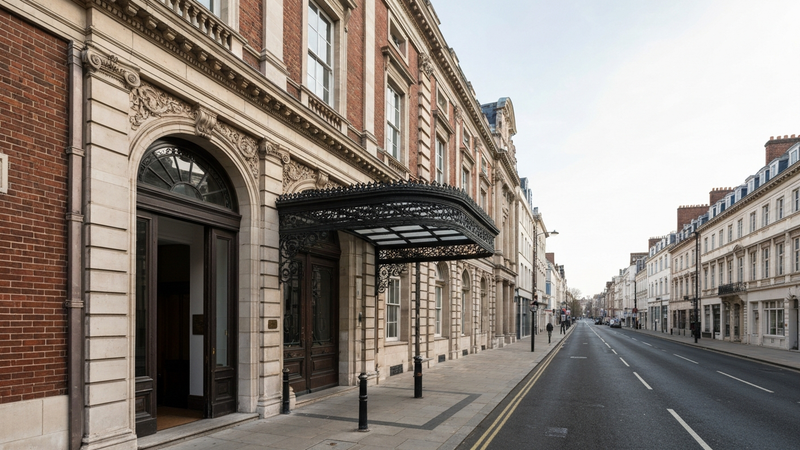
A prewar cooperative with a small number of very large apartments. Candela's plans are the reason the building matters architecturally — duplex layouts, formal room sequences and service arrangements designed for households that ran on staff.
His name still attaches to buildings a century later, which is true of no other residential architect in New York. Brokers write "Candela" in a listing and expect it to mean something, and it does.
The Park Avenue location places it among the prewar cooperatives that define the Upper East Side, a district whose character was set before the Second World War and is protected by the buildings already standing in it.
| Attribute | Detail |
|---|---|
| Address | 740 Park Avenue, Manhattan |
| Completed | circa 1930 |
| Architects | Rosario Candela with Arthur Loomis Harmon |
| Apartment type | Large, including duplex layouts |
| Ownership form | Cooperative |
| Board approval | Full application and interview |
Building facts. Cooperative requirements are set by the board and are not published; establish them through your attorney and broker.
The location is on Google Maps here.
2. Why the Board Is the Whole Story
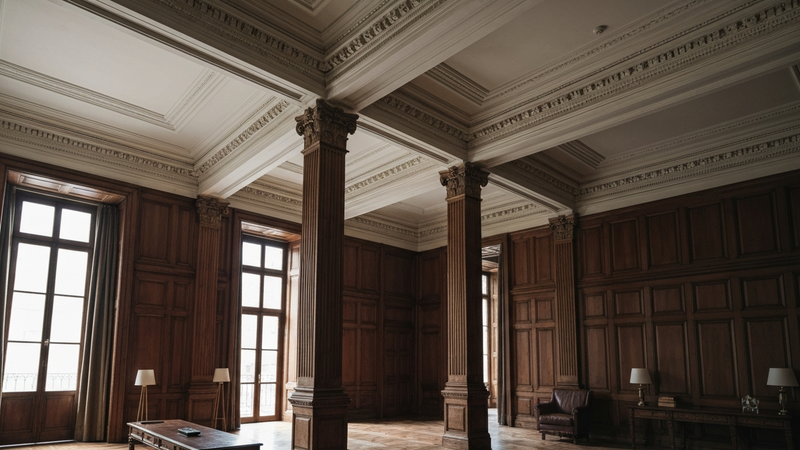
In a cooperative the corporation owns the building and the purchaser owns shares. The board approves every purchaser and may decline without giving a reason, provided the decision is not made on a basis prohibited by fair housing law.
Buildings at this level commonly go further: limits on how much of the price may be financed, requirements for liquid assets remaining after closing, restrictions on ownership through entities or trusts, and constraints on subletting.
None of that is directed at foreign purchasers as such. It simply describes a set of requirements that a buyer whose assets and income sit in another jurisdiction usually cannot document in the form the board expects.
Our board package guide sets out what an application contains and why the documentary standard rather than the interview is the real obstacle.
3. What the Restrictions Do to Value

They cut both ways, and the market prices both. A restrictive building has a smaller eligible buyer pool, which weighs on price per square foot relative to a comparable condominium.
It also produces an owner base that is stable, well capitalised and unlikely to default, which is why cooperatives of this kind weather downturns better than buildings with heavily leveraged owners.
For a purchaser who can satisfy the board and intends to stay for decades, that trade is favourable. For one who may need to sell quickly, it is not, because the same approval process will apply to your buyer.
Our condo versus co-op guide covers how the two forms behave differently through a market cycle.
4. Where an International Buyer Should Look

Condominium, without exception, unless you hold a US tax residence and US-documented assets. No board approval vote, non-resident and entity ownership accepted, subletting governed by written rules rather than discretion.
520 Park Avenue sits a few blocks north in condominium form with full-floor residences. The 57th Street towers are condominium without exception, as are the branded buildings across Midtown.
Mansion tax reaches 2.25% between $5 and $10 million, 3.25% above $10 million and 3.9% above $25 million, on the whole price. Settle ownership structure before contract — see our estate tax guide and luxury purchase guide.
What a Candela apartment actually offers
Room proportion and sequence. Prewar planning at this level separated entertaining rooms from private ones and both from service areas, producing an apartment that works as a series of spaces rather than as an open plan.
New construction almost never reproduces it, partly because the floor plates are different and partly because contemporary buyers ask for open living space. Where a buyer wants formal rooms, prewar is effectively the only source.
Maintenance is not comparable to common charges
Cooperative maintenance includes the shareholder's proportion of the building's property tax and of any mortgage on the building itself, which is why the monthly figure looks high beside a condominium's common charges.
To compare properly, add property tax to the condominium figure and ask for the cooperative's underlying mortgage balance and term. Only then are the two numbers describing the same thing.
If you do hold US assets
A cooperative application becomes realistic once income, assets and tax filings are US-documented. The process takes six to ten weeks longer than a condominium closing and requires a package running to hundreds of pages.
Buyers in that position regularly succeed, and the price advantage over a comparable condominium is real. The obstacle was always documentary rather than personal.
Final Thoughts: Know Why the Door Is Closed
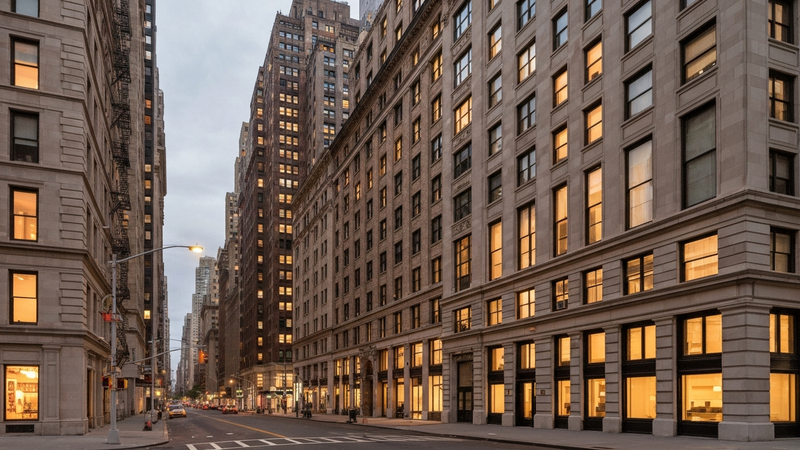
This building is worth understanding precisely because it is unattainable for most international buyers. The reason is not price and not prestige; it is a documentary standard built for a domestic applicant. Once that is clear, the search stops being frustrating and starts being efficient, because the inventory that will actually accept your purchase is identifiable on day one.
We cover Park Avenue and the Upper East Side on Satoshi Onodera's YouTube channel and on Instagram. If you are buying from abroad, talk to our team and we will filter accordingly from the first search. Real estate brokerage services are provided through licensed professionals.
One further practical point. Buyers occasionally propose to solve the problem by purchasing in a personal name and restructuring later, on the assumption that ownership can be moved once the board has approved.
In a cooperative a transfer of shares generally requires board consent as well, so the restructuring is not a later formality. Where structure matters for estate or liability reasons, that alone points the search toward condominium from the outset.
There is also a point about how these apartments reach the market. At this level a significant proportion of sales never appear on a portal, because sellers in restrictive buildings prefer a controlled process and boards prefer purchasers who arrive introduced rather than through an advertisement.
That means the search itself works differently. A buyer relying on public listings sees a fraction of what trades, and the remainder moves through brokers who know which apartments are quietly available. Our off-market guide covers how that access is actually obtained.
Reinvent NY provides business consulting, operational support, and coordination services. Legal advice and immigration filings are handled by independent licensed attorneys. Real estate services are provided through licensed professionals and applicable brokerage relationships. This article is for informational purposes only and does not constitute legal or investment advice.
More buildings worth knowing: Aman New York Residences, Brooklyn Point, The Brooklyn Tower. The full set is indexed under New York building profiles.

Satoshi Onodera
Founder & CEO, Reinvent NY Inc.
Founded Reinvent NY in 2024. Providing relocation support from all over the world to America.
Ready to Get Started?
Our team in New York is ready to help with your visa, real estate, or relocation needs.
Schedule a ConsultationFrequently Asked Questions
Where is 740 Park Avenue?
At the corner of Park Avenue and 71st Street on the Upper East Side. The location is on [Google Maps](https://maps.google.com/?q=740+Park+Avenue+New+York).
When was it built?
It was completed around 1930, designed by Rosario Candela with Arthur Loomis Harmon.
Who was Rosario Candela?
The architect whose apartment plans defined prewar luxury in Manhattan. Candela buildings are still referred to by his name almost a century later, which is true of no other residential architect in the city.
Why is it considered so exclusive?
It is a cooperative with a small number of very large apartments and a board known for stringent requirements, including limits on financing and on ownership structure.
Can an overseas buyer purchase here?
Realistically, no. Boards of this type require extensive verified financial disclosure, commonly restrict entity and trust ownership, and may decline without stating a reason.
How large are the apartments?
Very large by any standard, with room counts and service areas designed for households that employed staff. Duplex layouts are a feature of Candela's planning.
What should an international buyer look at instead?
Condominium buildings nearby, where there is no board approval vote and non-resident and entity ownership are generally accepted.
Real Estate Guides & Data
More guides
- NYC Parking and Storage: Deeded Spaces as Assets
- Prewar vs New Construction: Two Different Assets
- NYC Property Tax Appeals: Challenging Your Assessment
- Moving to New York: The Order to Do Things In
- Renting Before Buying: The Test Year Strategy
- Seller Financing and Creative Deal Structures
Related Articles
The Beresford: Three Towers Above the Museum
Emery Roth's Beresford stands over the Museum of Natural History with three corner towers. What the building is, and how an overseas buyer should read it.
Corona Queens Real Estate Guide 2026
An expert 2026 guide to buying and renting in Corona, Queens: housing stock, prices, transit, and who this neighborhood suits. By Reinvent NY.
Jamaica Queens Real Estate Guide 2026
An authoritative 2026 guide to buying and renting in Jamaica, Queens — housing stock, prices, transit, and who this neighborhood truly suits.
Rockaway Beach Queens Real Estate Guide 2026
An authoritative 2026 guide to buying and renting in Rockaway Beach, Queens: housing stock, prices, transit, and who this beach neighborhood truly suits.