Corona Queens Real Estate Guide 2026
What Corona Actually Is
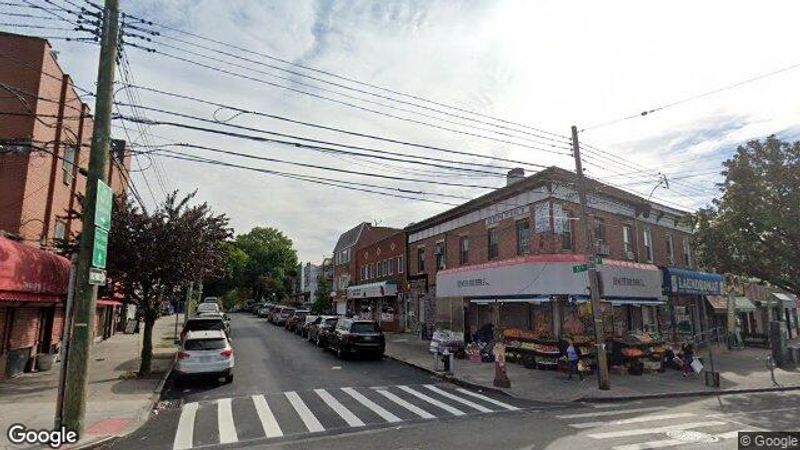
Corona sits in central Queens, bounded roughly by Junction Boulevard, Roosevelt Avenue, the Grand Central Parkway, and Northern Boulevard. It borders Flushing Meadows-Corona Park to the east and Jackson Heights to the west. The neighborhood split historically into North Corona and the area around 108th Street, each with distinct rhythms and housing patterns our team tracks closely.
Settled by Italian and later Latin American communities, Corona today is predominantly working- and middle-class, with strong Ecuadorian, Colombian, Mexican, and Dominican populations. Its identity is built around family-run businesses, street food culture along Roosevelt Avenue, and proximity to major civic infrastructure including the USTA Billie Jean King National Tennis Center and Citi Field.
For overseas buyers, Corona represents an entry point into Queens at below-Manhattan pricing, with genuine neighborhood texture rather than a manufactured luxury enclave. It is not a tourist district or an investment showcase; it is a dense, functional residential neighborhood where long-term rental demand stays consistently strong.
The Housing Stock
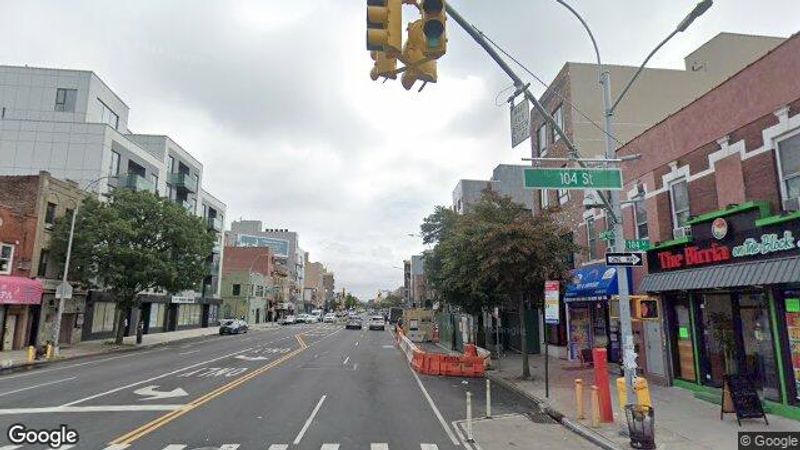
Corona's housing stock is dominated by pre-war and mid-century multifamily rowhouses, semi-attached brick two- and three-family homes, and low-rise walk-up apartment buildings, many dating from the 1920s through 1950s. Streets around 103rd Street and Roosevelt Avenue feature dense rows of attached brick homes typical of Queens' interwar residential expansion.
Larger apartment buildings cluster near Junction Boulevard and along Northern Boulevard, generally six-story elevator buildings from the postwar period rather than architect-signature towers. Newer construction is limited but growing, with a handful of mid-rise condo developments appearing near the Flushing Meadows-Corona Park edge, offering modern layouts absent from the older housing stock.
Unit types skew toward two- and three-bedroom configurations suited to multigenerational households, a defining feature of Corona's market. Detached and semi-detached single-family homes exist but are less common than in neighboring Corona Heights or Elmhurst. Our licensed brokerage network can identify specific listings matching a buyer's structural and layout preferences.
Prices and Rents
Corona remains one of Queens' more affordable neighborhoods, though prices have firmed since 2023. Approximate 2026 figures, subject to market conditions, show two-family homes trading in the $650,000 to $950,000 range, while condo units, where available, run roughly $350,000 to $600,000 depending on building age and proximity to transit.
Rental demand is steady given the neighborhood's transit access and family housing stock. One-bedroom apartments generally rent between $1,800 and $2,300 monthly; two- and three-bedroom units in multifamily homes command $2,400 to $3,400. These figures are approximate and fluctuate with seasonal demand and unit condition.
| Unit Type | Sale Price Range | Monthly Rent Range |
|---|---|---|
| Two-family home | $650,000 - $950,000 | N/A |
| Condo unit | $350,000 - $600,000 | N/A |
| One-bedroom rental | N/A | $1,800 - $2,300 |
| Two/three-bedroom rental | N/A | $2,400 - $3,400 |
Compared with Jackson Heights or Elmhurst, Corona trades at a discount of roughly 10 to 20 percent for comparable unit types, reflecting slightly longer commute times and less retail polish. Buyers seeking rental yield over lifestyle amenities frequently find Corona's price-to-rent ratio more favorable than adjacent, more gentrified Queens neighborhoods.
Daily Life and Transit
Corona is served by the 7 train, with stations at 103rd Street–Corona Plaza, 111th Street, and Junction Boulevard, offering a roughly 25 to 35 minute ride into Midtown Manhattan. The Q23, Q58, and Q19 buses connect to Elmhurst, Flushing, and Jackson Heights, filling gaps the subway does not cover directly.
Grocery access runs through Corona Plaza's markets and larger supermarkets along Roosevelt Avenue, supplemented by C-Town and Associated locations. Green space is a strength here: Flushing Meadows-Corona Park offers over 800 acres including the Unisphere, Queens Museum, and the New York Hall of Science, all within walking distance for eastern Corona residents.
| Transit Line | Stations | Approx. Manhattan Commute |
|---|---|---|
| 7 train | 103rd St-Corona Plaza, 111th St, Junction Blvd | 25 - 35 minutes |
| Q23 bus | Elmhurst connections | Varies |
| Q58 bus | Flushing connections | Varies |
| Q19 bus | Jackson Heights connections | Varies |
Public schools serve District 24, generally rated average to above-average for Queens, with zoning that families should verify address-by-address before purchase. Corona's daily life favors residents comfortable with dense, informal street commerce over curated retail; it rewards those prioritizing park access and transit convenience over neighborhood polish.
Final Thoughts
Corona suits buyers and renters seeking affordability with genuine transit access, particularly those prioritizing multigenerational housing, rental yield, or proximity to Flushing Meadows-Corona Park. It is well matched to investors targeting stable, working-class rental demand rather than speculative appreciation or a polished lifestyle package.
It is not the right fit for buyers expecting doorman buildings, architectural pedigree, or a quiet, low-density residential feel. Retail and street life along Roosevelt Avenue are dense and utilitarian rather than curated, and housing stock skews older with fewer renovated or new-construction options than nearby Queens neighborhoods.
Our team in New York guides overseas clients through Corona's specific submarkets, from the rowhouses near Junction Boulevard to the newer condo pockets by the park. Working through our licensed brokerage network, we help clients weigh Corona against comparable Queens neighborhoods before committing capital.
Reinvent NY provides business consulting, operational support, and coordination services. Real estate services are provided through licensed professionals and applicable brokerage relationships. This article is for informational purposes only and does not constitute legal or investment advice.
Nearby neighbourhoods: Douglaston, Elmhurst, Flushing. All Queens guides are indexed under New York neighbourhood guides.

Satoshi Onodera
Founder & CEO, Reinvent NY Inc.
Founded Reinvent NY in 2024. Providing relocation support from all over the world to America.
Ready to Get Started?
Our team in New York is ready to help with your visa, real estate, or relocation needs.
Schedule a ConsultationFrequently Asked Questions
Is Corona, Queens a good area for rental investment?
Yes, approximately. Corona offers steady demand from working families, favorable price-to-rent ratios compared with Jackson Heights or Elmhurst, and reliable 7 train access, making it attractive for investors prioritizing yield over rapid appreciation.
What is the commute time from Corona to Manhattan?
The 7 train from 103rd Street–Corona Plaza or Junction Boulevard reaches Grand Central in roughly 28 to 35 minutes, depending on time of day and whether express service is running along the line.
Are there new condo developments in Corona?
A limited number of mid-rise condo buildings have appeared near Flushing Meadows-Corona Park in recent years, though the neighborhood remains dominated by pre-war and mid-century multifamily rowhouses rather than new luxury construction.
How does Corona compare to Elmhurst or Jackson Heights on price?
Corona typically trades 10 to 20 percent below comparable Elmhurst or Jackson Heights properties, reflecting slightly longer perceived commute polish and less curated retail, while offering similar transit access via the 7 line.
What schools serve Corona?
Corona falls within District 24, with school quality rated average to above-average for Queens overall. Zoning varies by exact address, so buyers should confirm specific school assignments before finalizing any purchase decision.
Is Corona walkable and well-served by green space?
Yes. Corona borders Flushing Meadows-Corona Park, over 800 acres including the Unisphere and Queens Museum, giving eastern Corona residents strong park access unusual for a neighborhood at this price point in Queens.
What type of buyer should avoid Corona?
Buyers seeking doorman buildings, quiet low-density streets, or polished retail corridors should look elsewhere. Corona suits those prioritizing affordability, transit, and rental stability over lifestyle amenities or architectural distinction.
Real Estate Guides & Data
More guides
- What You Need for a First New York Purchase
- Energy Grades and Green Buildings: Efficiency as Value
- Long-Stay Options in NYC: Beyond the Hotel Bill
- ITINs and US Tax IDs: The Number Every Owner Needs
- Making an Offer on a New York Property: What Wins
- How US Mortgages Work: Rates, Points, Escrow
Related Articles
College Point Queens: 2026 Real Estate Guide
A concrete 2026 guide to College Point, Queens — housing stock, prices, rents, transit, and schools for international buyers.
The Beresford: Three Towers Above the Museum
Emery Roth's Beresford stands over the Museum of Natural History with three corner towers. What the building is, and how an overseas buyer should read it.
740 Park Avenue: The Hardest Building to Buy Into
740 Park Avenue is Rosario Candela's 1930 cooperative and the most selective address in New York. What it is, and why an overseas buyer will not get in.
Jamaica Queens Real Estate Guide 2026
An authoritative 2026 guide to buying and renting in Jamaica, Queens — housing stock, prices, transit, and who this neighborhood truly suits.