Flushing Queens Real Estate Guide 2026
What Flushing Actually Is
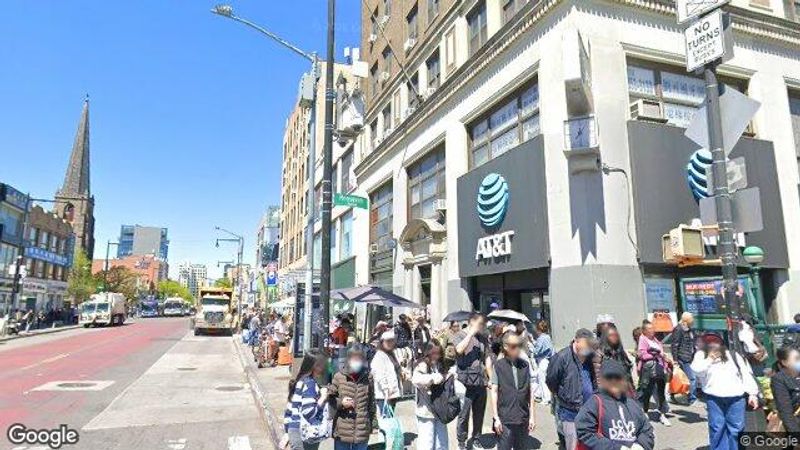
Flushing sits in northern Queens, bounded roughly by Kissena Boulevard, the Flushing River, College Point Boulevard, and Northern Boulevard. It is one of New York's oldest settlements, dating to 1645, but its present identity was shaped by post-1965 immigration. Our team in New York treats it as its own economic zone, distinct from Manhattan-oriented Queens neighborhoods like Long Island City.
Downtown Flushing is a dense, 24-hour commercial core often compared to a Chinese or Korean central business district transplanted to America. Main Street and Roosevelt Avenue anchor thousands of storefronts, banks, and restaurants. Beyond downtown, residential blocks in Murray Hill and Broadway-Flushing turn quiet, tree-lined, and distinctly suburban within minutes.
Flushing's character is defined by scale: it functions as a self-sufficient satellite city rather than a bedroom community. Capital inflows from Asia have driven decades of condo development along Northern Boulevard and near Flushing Meadows Corona Park. Our team in New York sees Flushing less as a Manhattan alternative and more as its own investment market with independent momentum.
The Housing Stock
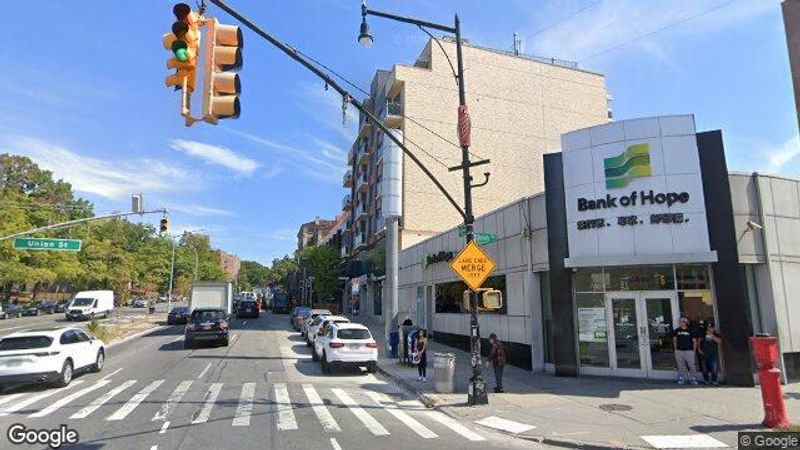
Flushing's building stock spans three eras: pre-war brick apartment houses near downtown, mid-century garden apartments and Tudor-style homes in Broadway-Flushing's historic district, and a wave of glass condo towers built since the 2010s. This range gives buyers unusual flexibility between income-producing rentals and owner-occupied single-family homes on the same subway line.
Notable newer developments include The Onyx and Skyview Parc near College Point Boulevard, offering full-service amenities and larger layouts favored by international buyers. Downtown towers like Tangram on 39th Avenue combine retail, condos, and a private club model. Older co-ops along Sanford Avenue and Kissena Boulevard offer lower entry prices but stricter board approval processes.
Detached and semi-detached homes in Broadway-Flushing, a designated historic district, feature 1920s Tudor and Colonial Revival architecture on generous lots. These properties attract long-term family buyers rather than investors, since zoning restricts teardown and subdivision. Our team in New York generally steers investment-focused clients toward condos and steers lifestyle-focused buyers toward these low-density residential pockets.
Prices and Rents
Flushing remains meaningfully cheaper than Manhattan and Brooklyn's prime districts, which is precisely why it draws sustained overseas capital. Condo pricing per square foot in newer towers now approaches parts of Long Island City, while older co-op stock trades at a considerable discount. All figures below are approximate and subject to market conditions in 2026.
Rental yields in Flushing tend to run higher than comparable Manhattan product because acquisition costs remain lower relative to achievable rents. Buyers should budget for common charges, real estate taxes, and, in co-ops, flip taxes on resale. Cash transactions are common among international buyers, which can shorten closing timelines meaningfully.
| Unit Type | Sale Price Range | Monthly Rent Range | Approx. $/sq ft (sale) |
|---|---|---|---|
| Studio condo | $320,000 - $450,000 | $1,900 - $2,400 | $750 - $950 |
| 1-bedroom condo | $450,000 - $650,000 | $2,200 - $2,900 | $700 - $900 |
| 2-bedroom condo | $650,000 - $950,000 | $2,900 - $3,800 | $650 - $850 |
| Pre-war co-op 2BR | $350,000 - $500,000 | $2,300 - $2,900 | $450 - $600 |
| Single-family home | $900,000 - $1,600,000 | $3,800 - $5,000 | $500 - $700 |
Approximate Flushing sale and rental figures, 2026 (subject to market conditions)
Compared to Long Island City or Astoria, Flushing offers larger units for the same budget but a longer commute into Midtown. Our team in New York advises clients to weigh that trade-off against rental demand, which remains strong due to Flushing's status as a regional employment and retail hub independent of Manhattan.
Daily Life and Transit
Flushing's transit backbone is the 7 train, terminating at Main Street with a roughly 25-30 minute ride to Grand Central via Times Square. The Long Island Rail Road's Flushing-Main Street station offers a faster express option into Penn Station and Grand Central Madison for those prioritizing time over subway frequency.
Daily life centers on Flushing Meadows Corona Park, home to the USTA Billie Jean King National Tennis Center and Citi Field, plus dense grocery options including H Mart and numerous Asian supermarkets along Main Street. Public schools such as PS 20 and the highly ranked Townsend Harris High School draw families specifically to this district.
| Transit Option | Line/Station | Destination | Approx. Commute Time |
|---|---|---|---|
| Subway | 7 train, Main St-Flushing | Grand Central | 25-30 min |
| Subway | 7 train, Main St-Flushing | Times Square | 30-35 min |
| Commuter rail | LIRR, Flushing-Main St | Penn Station | 17-20 min |
| Bus | Q44 Select Bus | Bronx/Jamaica | 20-40 min |
| Express bus | QM2/QM32 | Midtown Manhattan | 35-45 min |
Flushing transit options and approximate commute times, 2026
Traffic congestion around downtown Flushing is significant, so residents who drive should factor in parking scarcity near Main Street. For families, Kissena Park and Bowne Park provide green space beyond the flagship Flushing Meadows Corona Park. Our team in New York notes commute times lengthen considerably for destinations south of Manhattan's core.
Final Thoughts
Flushing suits buyers prioritizing value, rental yield, and a self-contained lifestyle over Manhattan proximity. It works particularly well for investors targeting stable rental demand from a resident population that shops, works, and socializes largely within the neighborhood itself, insulating rents somewhat from broader Manhattan market swings.
It suits less well those requiring a sub-20-minute Manhattan commute or seeking a quiet, low-density residential feel without traveling to Broadway-Flushing specifically. Downtown's density and congestion can surprise buyers expecting a typical outer-borough pace. Our team in New York always recommends an in-person visit before committing capital here.
For the right buyer, Flushing offers scale, infrastructure, and long-term appreciation potential that few other outer-borough submarkets match. Our licensed brokerage network can arrange private tours across condo towers, co-ops, and Broadway-Flushing homes to match specific investment or lifestyle objectives before any offer is drafted.
Reinvent NY provides business consulting, operational support, and coordination services. Real estate services are provided through licensed professionals and applicable brokerage relationships. This article is for informational purposes only and does not constitute legal or investment advice.
Nearby neighbourhoods: Forest Hills, Jackson Heights, Jamaica. All Queens guides are indexed under New York neighbourhood guides.

Satoshi Onodera
Founder & CEO, Reinvent NY Inc.
Founded Reinvent NY in 2024. Providing relocation support from all over the world to America.
Ready to Get Started?
Our team in New York is ready to help with your visa, real estate, or relocation needs.
Schedule a ConsultationFrequently Asked Questions
Is Flushing a good investment for overseas buyers in 2026?
Yes, particularly for rental income. Flushing's self-contained economy sustains strong tenant demand, and per-square-foot pricing remains below comparable Manhattan and Long Island City product, supporting relatively attractive yields on condo purchases.
How far is Flushing from Manhattan by subway?
The 7 train from Main Street-Flushing reaches Grand Central in approximately 25-30 minutes and Times Square in 30-35 minutes, making it a viable but not ultra-fast commute compared to Long Island City.
What is the best area within Flushing for a single-family home?
Broadway-Flushing, a designated historic district, offers 1920s Tudor and Colonial Revival homes on larger lots. It is quieter and more residential than downtown Flushing, appealing to long-term family buyers rather than investors.
Are co-ops or condos more common in Flushing?
Both exist in volume. Pre-war co-ops near Kissena Boulevard offer lower prices but stricter board approval, while newer condo towers like Skyview Parc and Tangram offer amenities and simpler ownership structures favored by international buyers.
What schools serve the Flushing area?
Flushing includes several strong public options, including Townsend Harris High School, a specialized citywide school, alongside neighborhood elementary schools like PS 20, making the area attractive to education-focused families.
Is Flushing walkable and well-served by groceries?
Downtown Flushing is extremely dense and walkable, with H Mart and numerous Asian supermarkets on Main Street. Residential pockets like Broadway-Flushing are quieter and more car-dependent for daily errands.
How does Flushing compare in price to Long Island City?
Flushing generally offers larger units for similar budgets but a longer Manhattan commute. Long Island City commands a premium for direct subway access, while Flushing compensates with scale and independent economic activity.
Real Estate Guides & Data
More guides
- US Property in Retirement Planning: The Long Hold's End
- FIRPTA and Seller Costs: What a Foreign Owner Actually Nets
- NYC Sponsor Units: Buying Without Board Approval
- The 183-Day Rules: Tax Residency by the Calendar
- US Metro Comparison: Price, Rent, Yield and Growth
- Vacancy and Turnover: The Cost Between Tenants
Related Articles
Bayside Queens Real Estate Guide 2026
An authoritative 2026 guide to Bayside, Queens real estate: housing stock, prices, rents, transit, and schools for international buyers and renters.
The XI: Bjarke Ingels' Twisting Towers on the Hudson
The XI pairs two twisting towers on West 18th Street with a hotel between them. What the building offers a buyer, and what to confirm before an offer.
Rent vs Buy in NYC: The 2026 Math
Rent vs buy in NYC for 2026: price-to-rent ratios, mansion tax and closing costs, a worked $1.5M example, and the breakeven horizon that decides the answer.
Kew Gardens Queens Real Estate Guide 2026
Our 2026 guide to Kew Gardens, Queens covers boundaries, co-ops and Tudor homes, prices and rents, transit, schools, and who this neighborhood truly suits.