Kew Gardens Queens Real Estate Guide 2026
What Kew Gardens Actually Is
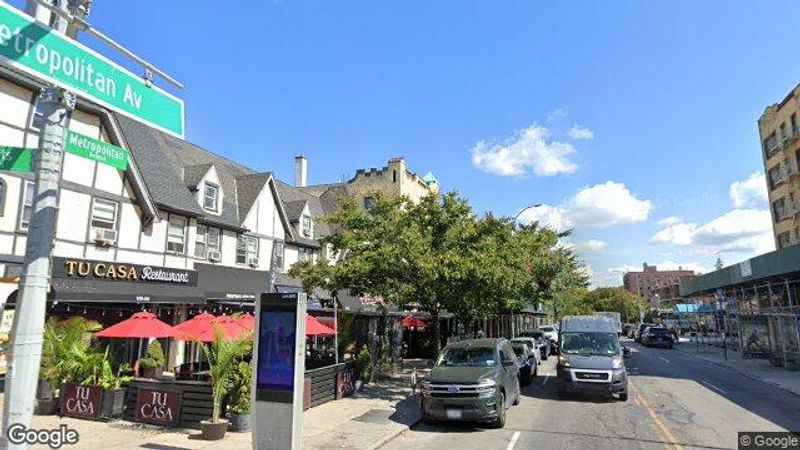
Kew Gardens sits in central Queens, bounded roughly by Union Turnpike, Queens Boulevard, Metropolitan Avenue, and Forest Park. Our team in New York treats it as one of the borough's quietest garden enclaves, developed in the early 1900s as a planned commuter suburb around the rail line, distinct from denser neighboring Forest Hills and Kew Gardens Hills.
The neighborhood grew from the Cord Meyer Development Company's vision of an English-style residential retreat, with curving streets, mature trees, and low-rise buildings. Its Tudor Revival character remains intact today, giving it a distinctly European suburban feel rarely found elsewhere in New York City, just twenty minutes from Manhattan.
Today Kew Gardens is a mixed community of longtime homeowners, professionals, and international residents drawn to its calm streets and proximity to Forest Park. Our clients often compare it favorably to parts of outer London or suburban Paris — residential, leafy, and unmistakably local rather than touristic.
The Housing Stock
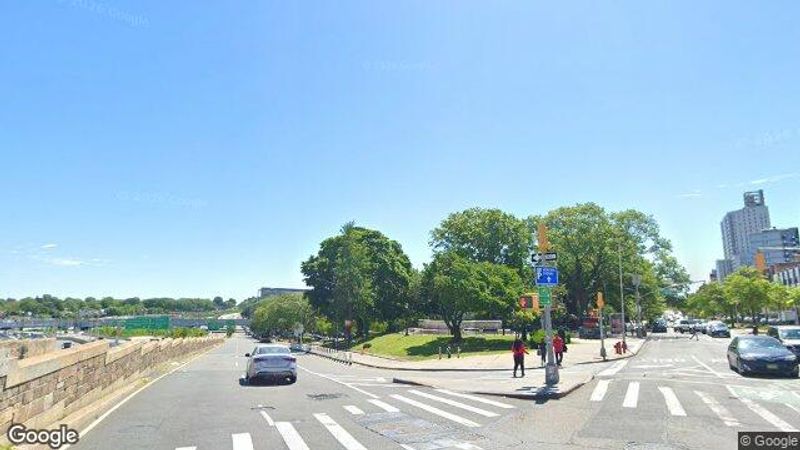
Kew Gardens offers a genuine mix of pre-war co-ops, Tudor single-family homes, and mid-century apartment buildings. Streets like Kew Gardens Road, Beverly Road, and Abingdon Road feature detached Tudor and Colonial Revival houses from the 1920s and 1930s, many with slate roofs, leaded glass, and generous lots by New York standards.
Along Queens Boulevard and Union Turnpike stand larger pre-war co-op buildings, several dating to the 1930s and 1940s, offering one- and two-bedroom layouts with high ceilings, formal dining alcoves, and sunken living rooms. Post-war brick apartment buildings from the 1950s and 1960s add rental stock, typically doorman-free with larger room counts than newer construction.
Buyers should expect co-op boards with financial scrutiny typical of established Queens buildings, plus maintenance fees covering heat and staff. Renovated units are increasingly common as younger buyers modernize kitchens and baths. Our licensed brokerage network can identify which buildings permit renovations, sublets, or pied-à-terre ownership before a client commits.
Prices and Rents
Pricing in Kew Gardens remains notably accessible compared with Forest Hills or Kew Gardens Hills, which is a core reason our overseas clients keep circling back to it. Co-op one-bedrooms typically run $180,000 to $320,000, approximate and subject to market conditions, while detached Tudor homes command considerably more given land value and scarcity.
Rentals are similarly favorable relative to central Queens averages. A one-bedroom apartment generally rents for $1,900 to $2,600 monthly, with two-bedrooms reaching $3,200, figures that remain approximate given seasonal fluctuation and building condition. Single-family home rentals are limited but occasionally available near Forest Park.
| Housing Type | Sale Price Range | Monthly Rent Range | Typical Size |
|---|---|---|---|
| Studio co-op | $120,000–$190,000 | $1,500–$1,900 | 400–500 sq ft |
| One-bedroom co-op | $180,000–$320,000 | $1,900–$2,600 | 650–850 sq ft |
| Two-bedroom co-op | $280,000–$450,000 | $2,600–$3,400 | 900–1,200 sq ft |
| Tudor single-family home | $800,000–$1,600,000 | $3,800–$5,500 | 1,800–3,000 sq ft |
| Post-war rental apartment | N/A | $1,900–$2,900 | 600–1,000 sq ft |
Approximate Kew Gardens Prices and Rents, 2026
The table below summarizes typical 2026 figures across housing types, all approximate and subject to market conditions. Detached homes carry the widest range, reflecting lot size, renovation level, and proximity to the Long Island Rail Road station versus interior residential streets further from transit.
Daily Life and Transit
Kew Gardens is served by the Kew Gardens–Union Turnpike station on the E and F subway lines, offering a roughly 30 to 35 minute ride into Midtown Manhattan. The Long Island Rail Road's Kew Gardens station adds a faster commuter option toward Penn Station and Grand Central Madison, appealing to residents prioritizing shorter travel times.
Daily life centers on Lefferts Boulevard's shops and restaurants, plus Forest Park, which offers golf, hiking trails, and a carousel across hundreds of wooded acres. Grocery options include Austin Street Kosher Bakery-adjacent markets and larger supermarkets along Queens Boulevard, while Forest Park's Seuffert Bandshell hosts summer concerts drawing residents from surrounding neighborhoods.
| Mode | Line/Station | Destination | Approx. Travel Time |
|---|---|---|---|
| Subway | E, F at Union Turnpike | Midtown Manhattan | 30–35 minutes |
| Commuter rail | LIRR Kew Gardens | Penn Station / Grand Central Madison | 18–25 minutes |
| Bus | Q10, Q37, Q54 | JFK Airport / local Queens transfers | 20–40 minutes |
| Car | Jackie Robinson Parkway | Brooklyn / Manhattan | 25–45 minutes |
Kew Gardens Transit and Commute Snapshot
Families weigh options including P.S. 99 and the well-regarded Russell Sage Junior High School, alongside nearby private and parochial alternatives. Our team frequently fields questions about school zoning before lease or purchase decisions, since zoning lines shift block by block between Kew Gardens and adjacent Richmond Hill and Forest Hills sections.
Final Thoughts
Kew Gardens suits buyers and renters seeking a quieter, more residential version of New York without sacrificing subway or rail access to Manhattan. It particularly appeals to those valuing Tudor architecture, mature tree canopy, and proximity to Forest Park over nightlife density or ground-floor retail energy.
It is less suited to clients wanting a walkable restaurant scene, late-night activity, or waterfront views, all of which are better found in Long Island City or western Brooklyn. Kew Gardens rewards patience with co-op board processes and modest housing stock rather than glass towers or amenity-rich new developments.
For long-term holders and families prioritizing calm streets, reasonable pricing, and genuine commuting convenience, Kew Gardens remains one of Queens' better-kept propositions. Our team in New York, working through our licensed brokerage network, regularly guides overseas clients through this exact calculus before making a final decision.
Reinvent NY provides business consulting, operational support, and coordination services. Real estate services are provided through licensed professionals and applicable brokerage relationships. This article is for informational purposes only and does not constitute legal or investment advice.
Nearby neighbourhoods: Long Island City, Rego Park, Ridgewood. All Queens guides are indexed under New York neighbourhood guides.

Satoshi Onodera
Founder & CEO, Reinvent NY Inc.
Founded Reinvent NY in 2024. Providing relocation support from all over the world to America.
Ready to Get Started?
Our team in New York is ready to help with your visa, real estate, or relocation needs.
Schedule a ConsultationFrequently Asked Questions
Is Kew Gardens a good area for overseas buyers?
Yes, particularly for those prioritizing quiet residential streets, reasonable co-op pricing, and reliable subway and rail access. It suits long-term holders more than short-term investors seeking rapid appreciation or high rental turnover.
What subway lines serve Kew Gardens?
The E and F trains stop at Kew Gardens–Union Turnpike, connecting to Midtown Manhattan in roughly 30 to 35 minutes. The Long Island Rail Road also stops locally, offering a faster commuter alternative.
Are co-op boards strict in Kew Gardens?
Many buildings maintain traditional financial review standards typical of established New York co-ops. Our licensed brokerage network can advise on specific board requirements, debt-to-income expectations, and typical approval timelines before an offer is made.
How does Kew Gardens compare to Forest Hills?
Kew Gardens is generally more affordable, quieter, and smaller in commercial footprint than Forest Hills. Forest Hills offers more retail and dining density, while Kew Gardens leans toward residential calm and Tudor architecture.
Can foreign buyers purchase co-ops in Kew Gardens?
Co-op purchases are possible but subject to board approval, financial disclosure, and sometimes residency or usage restrictions. Condos and homes typically offer more flexibility, and our team can clarify building-specific policies in advance.
What is the rental market like for professionals?
One-bedroom rentals typically range from $1,900 to $2,600 monthly, approximate and market-dependent, offering strong value relative to nearby neighborhoods. Post-war buildings and smaller pre-war co-ops make up most available rental inventory.
Is Kew Gardens close to Forest Park?
Yes, Forest Park borders the neighborhood directly, offering hiking trails, golf, and green space within walking distance of most residential streets. This proximity is a key differentiator versus denser Queens neighborhoods further from parkland.
Real Estate Guides & Data
More guides
- Buying in Manufactured Districts: Hudson Yards Logic
- Marketing an Apartment: The Listing's Craft
- Reading NYC Market Reports: Data Without the Spin
- Moving Into a NYC Building: Movers, Rules, and COIs
- Buying New Development: The Costs Sponsors Shift to You
- Renting in New York: What It Costs and How Approval Works
Related Articles
Flushing Queens Real Estate Guide 2026
An authoritative 2026 guide to buying and renting in Flushing, Queens — housing stock, prices, transit, and who this neighborhood suits.
Rent vs Buy in NYC: The 2026 Math
Rent vs buy in NYC for 2026: price-to-rent ratios, mansion tax and closing costs, a worked $1.5M example, and the breakeven horizon that decides the answer.
Off-Market Properties NYC: How Quiet Deals Work
How off-market properties work in NYC: what quiet and whisper listings are, where the inventory comes from, what it does to price, and the red flags to avoid.
Lantern House: Heatherwick's Bay Windows on the High Line
Heatherwick Studio's Lantern House straddles the High Line with bubbled bay windows in two towers. What it offers a buyer, and what to confirm first.